How to Retrofit a Solid Wall House Steps, Risks and Best Practices

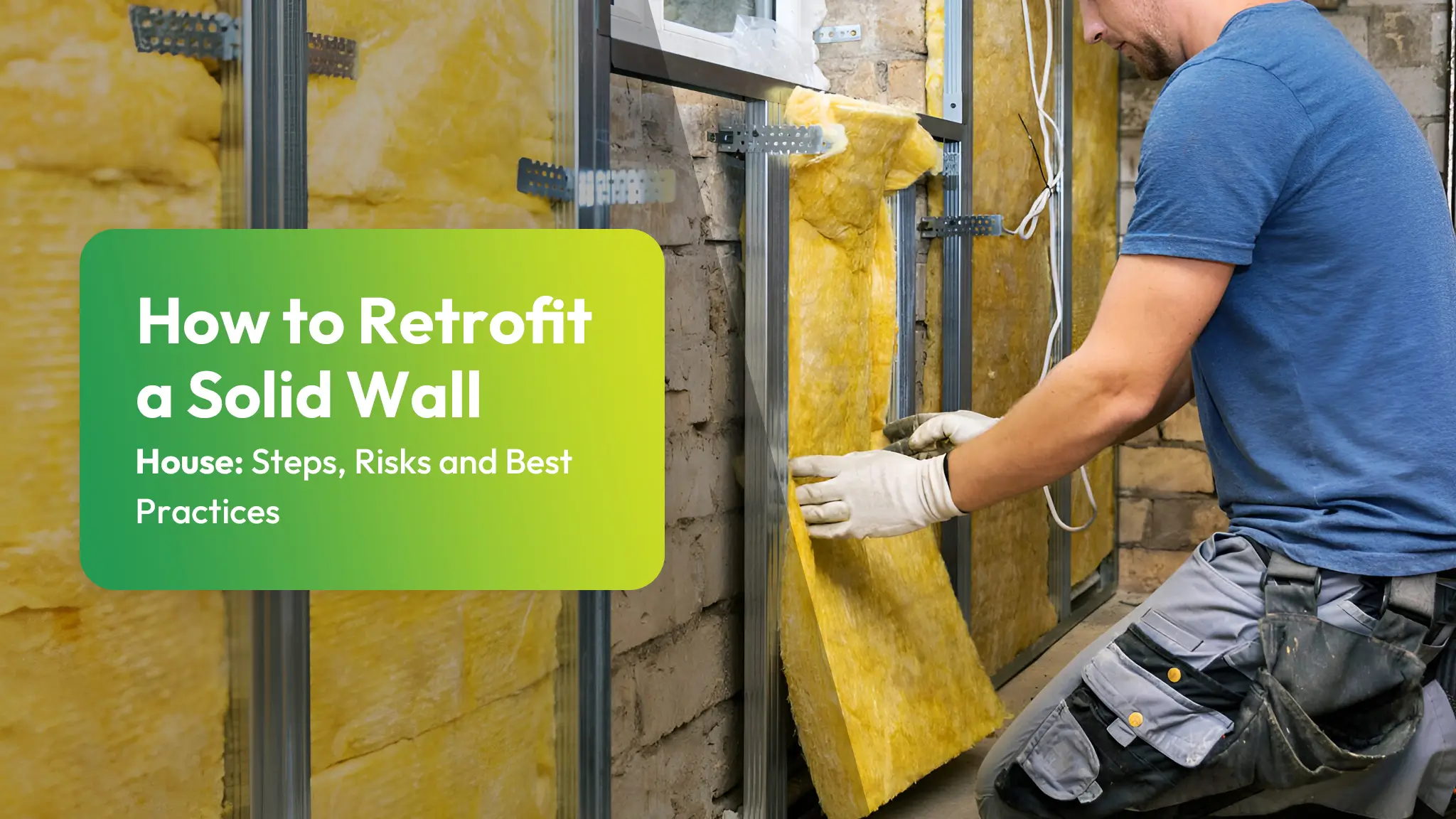
How to Retrofit a Solid Wall House: Steps, Risks and Best Practices

How to retrofit a solid wall house in the UK? It starts with a full survey of heat loss, damp and structural issues, followed by a fabric‑first plan for insulation, ventilation and heating. Homeowners typically choose internal or external wall insulation, guarantee vapour‑open materials, and upgrade ventilation to avoid condensation and mould. Heat systems are […]

Explore More
How to Retrofit a Victorian House What to Upgrade and Where to Start

How to Retrofit a Victorian House: What to Upgrade and Where to Start

How to retrofit a Victorian house? Retrofitting a Victorian house in the UK starts with a full assessment of its fabric, damp risks, and services, then tackling heat loss at the roof, floors, and solid walls. Owners typically improve loft and floor insulation, seal draughts, upgrade or restore sash windows, and then resize heating systems, […]

Explore More
Damp and Condensation After Insulation Why It Happens and How to Prevent It

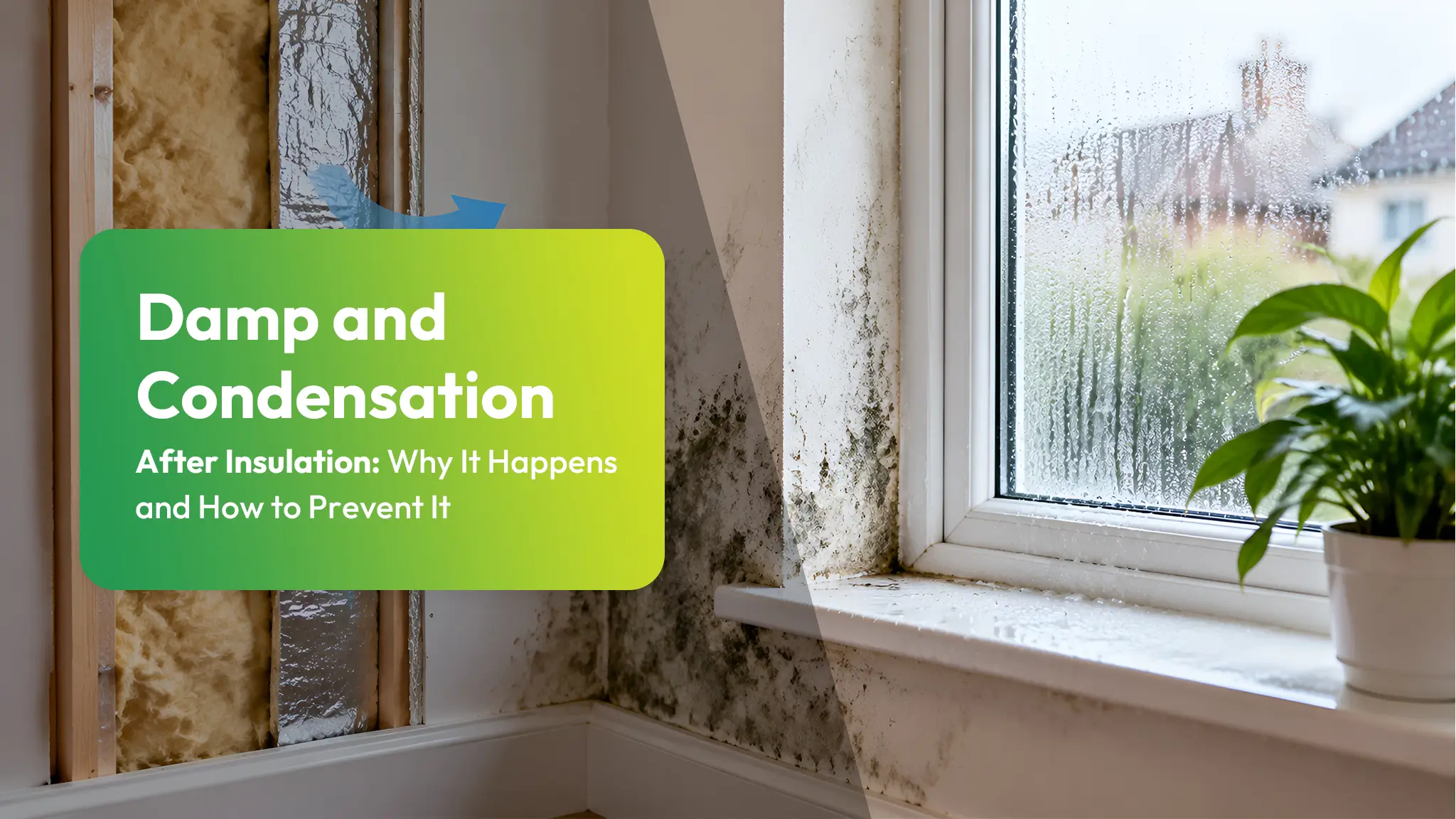
Damp and Condensation After Insulation: Why It Happens and How to Prevent It

After insulation, homes often become warmer and more airtight, so everyday moisture from cooking, bathing and drying clothes has fewer escape routes. This humid air then condenses on any remaining cold spots, such as poorly insulated corners, window reveals or hidden cold bridges, leading to damp patches, mould and musty smells. Good ventilation, correct installation, […]
Explore More
Common Retrofit Mistakes in Older Homes Risks, Problems and Solutions

Common Retrofit Mistakes in Older Homes: Risks, Problems and Solutions

Retrofitting older UK homes often fails when modern upgrades ignore traditional breathable construction. Common retrofit mistakes in older homes include adding insulation without evaluating moisture paths, sealing the building without balanced ventilation, and using one-size-fits-all measures that trap damp and cause mould or decay. Poor sequencing, overlooking existing defects, and not following PAS 2035 can […]

Explore More
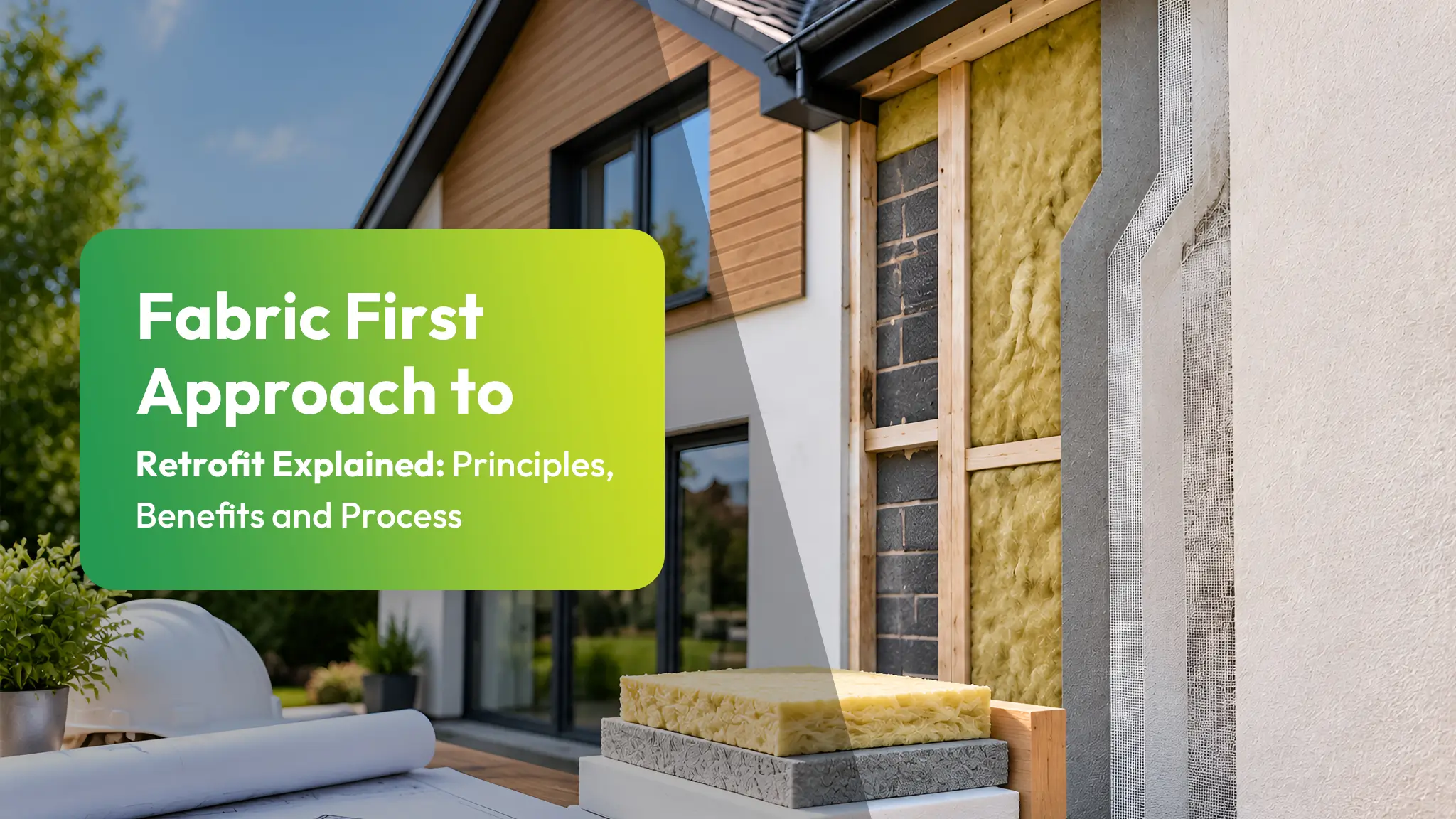
Fabric First Approach to Retrofit Explained Principles, Benefits and Process

Fabric First Approach to Retrofit Explained: Principles, Benefits and Process

A fabric first approach to retrofit focuses on improving a home’s thermal envelope before upgrading heating systems. It prioritises insulation, airtightness and moisture control to cut heat loss, prevent damp and reduce overheating. This method lowers energy demand, enabling smaller, more efficient heating systems and more stable bills. It involves careful assessment, targeted works to […]
Explore More
Whole House Retrofit Explained How the Process Works in UK Homes

Whole House Retrofit Explained: How the Process Works in UK Homes

A whole house retrofit is a planned, step-by-step upgrade of a UK home’s insulation, windows, heating, and ventilation to cut energy use and improve comfort. It starts with a professional assessment, followed by a tailored plan that sequences measures and manages moisture and overheating risks. Work is checked through airtightness tests, visual inspections, and commissioning. […]

Explore More
What Does a Retrofit Coordinator Do Key Duties Under PAS 2035

What Does a Retrofit Coordinator Do? Key Duties Under PAS 2035

What does a retrofit coordinator do? A Retrofit Coordinator under PAS 2035 is an independent professional who oversees domestic energy efficiency upgrades from assessment to handover. They review surveys, develop a whole‑house retrofit plan, and guarantee measures are compatible with the building and occupant needs. They manage risks such as moisture and ventilation, coordinate designers […]

Explore More
When Is a Retrofit Coordinator Required PAS 2035 Requirements

When Is a Retrofit Coordinator Required? PAS 2035 Requirements

When is a retrofit coordinator required? A Retrofit Coordinator is required under PAS 2035 in the UK when domestic energy-efficiency works are carried out under regulated or government-backed funding, such as ECO or local authority schemes, especially where multiple or interacting measures are planned. They are typically mandatory for social housing and higher-risk homes or […]

Explore More
Retrofit Coordinator vs Retrofit Assessor Roles and Responsibilities Explained

Retrofit Coordinator vs Retrofit Assessor : Roles and Responsibilities Explained

Retrofit Coordinator vs Retrofit Assessor: In the UK, a Retrofit Assessor surveys an existing home, collecting detailed data on energy performance, building fabric, heating, moisture and ventilation risks. Their outputs include EPC/RdSAP or SAP data and a structured survey report. A Retrofit Coordinator then interprets this information to design, manage and sign off a safe, […]

Explore More
What Happens After a Retrofit Assessment A Homeowner’s Next Steps

What Happens After a Retrofit Assessment? A Homeowner’s Next Steps

What happens after a retrofit assessment? After a retrofit assessment, a UK homeowner receives a detailed report explaining current energy performance and recommended upgrades. They review assumptions, clarify any points with the assessor, and map suggested measures against their budget, disruption tolerance, and priorities such as comfort, bills, or carbon. Next, they create a phased […]

Explore More
Our Accreditations

Accreditations & Memberships

HSSE Solutions only displays memberships, registrations or accreditations that are active, relevant and verifiable for the services shown. Where a service involves funding, energy efficiency or environmental claims, we aim to present information clearly and responsibly in line with UK advertising and consumer protection guidance.

HSSE Solutions Limited is an Introducer Appointed Representative of Ideal Sales Solutions Ltd, t/a Ideal4Finance. Ideal Sales Solutions Ltd is a credit broker and not a lender (FRN 703401). Finance available subject to status. The rate offered is always provisional and will depend upon your personal circumstances, the loan amount and the term.

©2024-2026 HSSE Solutions | Registered in England & Wales | VAT Number: 491324492  | Company Number: 15749518

Get a Free Quote → 📞 02081785892