

h4 shape 1
h4 shape 2
Enhancing Energy Efficiency and Sustainability

Retrofit Coordination

Retrofit coordination in the UK is essential for improving the energy efficiency and sustainability of your property. It involves managing and overseeing the process of upgrading building systems, insulation, and renewable energy solutions. Our expert team ensures seamless integration of these upgrades, helping you reduce energy consumption and enhance comfort. With careful planning and execution, retrofit coordination maximizes both performance and long-term value for your property. We offer 24h to 48h delivery on this service.

PNG 2

RC

Untitled design 9
h1 sub title Expert Retrofit Management

What Is Retrofit Coordination and Why Is It Important?

Retrofit coordination is key to improving the energy efficiency of existing buildings. It involves careful planning and managing of upgrades to a building's energy systems, from assessing current energy usage to implementing strategic improvements. By optimizing these systems, retrofit coordination reduces energy consumption, lowers bills, and minimizes environmental impact.

Buildings account for a significant portion of global energy use, which increases operational costs and environmental harm. Retrofit coordination addresses these challenges by combining architectural, mechanical, and electrical improvements to create a more energy-efficient building, ensuring comfort for occupants while enhancing performance.

For any inquiries call the 020 8178 5892
Improving Efficiency and Reducing Heat Loss

Who Needs Retrofit Coordination Services?

Retrofit coordination services are essential across various sectors, including residential, commercial, and public projects, each with unique needs. For homeowners, retrofit coordination is key to upgrading properties for better energy efficiency and meeting modern standards. Coordinators assist in navigating complex regulations and implementing sustainable solutions.

Retrofit coordination ensures all sectors can achieve energy efficiency, sustainability, and regulatory compliance effectively.

02 2
01 2
03 4
Retrofit Coordination Advantages

Benefits of a Retrofit Coordination

A Retrofit Coordination ensures successful and compliant retrofit projects, driving efficiency and sustainability.

21
Regulatory Compliance

Ensures all projects meet industry standards and regulations.

22
Enhanced Energy Efficiency

Focuses on maximizing building performance and reducing energy consumption.

23
Streamlined Project Management

Manages timelines, budgets, and coordination to minimize disruptions.

24
Sustainability Focus

Supports environmental goals by improving the building's long-term sustainability.

Step-by-Step

Retrofit Coordination Process

Retrofit Coordination involves a systematic process to ensure that retrofit projects are successfully planned, executed, and meet all necessary standards.

List
Assess Building Condition

Evaluate the existing structure and identify areas requiring energy-efficient upgrades.

List
Identify Retrofit Needs

Determine necessary improvements like insulation, windows, or heating systems.

List
Develop a Retrofit Plan

Create a detailed strategy to achieve energy efficiency goals while meeting regulatory standards.

List
Coordinate with Stakeholders

Work with clients, contractors, and design teams to ensure smooth project execution.

List
Monitor Project Progress

Oversee the retrofit process to ensure timely completion, compliance, and minimal disruptions.

List
Evaluate Results

Assess the completed retrofit for energy savings and ensure the building performs efficiently.

Each step ensures that retrofitting is done correctly and efficiently, supporting sustainability and regulatory compliance.

Regulatory Compliance Assurance

Ensuring Compliance with Building Regulations and Standards

Key regulations and standards essential for compliance in retrofit coordination include:

  • Building Regulations 2010: These regulations, particularly Parts L and F, are fundamental for retrofitting projects. Part L focuses on the conservation of fuel and power in buildings, requiring specific energy efficiency standards to be met. Part F deals with ventilation, guaranteeing adequate air quality within retrofitted spaces.
  • The Energy Performance of Buildings Directive (EPBD): This EU directive, adopted in the UK, mandates the improvement of energy performance of buildings. Under this directive, buildings undergoing major renovations must upgrade their energy systems to meet minimum requirements.
  • The Minimum Energy Efficiency Standards (MEES): Effective from April 2018, these standards prohibit landlords from renting out properties with an Energy Performance Certificate (EPC) rating below E. Retrofits must consequently guarantee properties meet or exceed this threshold.
  • The Planning (Listed Buildings and Conservation Areas) Act 1990: This act is vital when retrofitting listed buildings or those in conservation areas. It requires that any retrofit intervention respects the building's character and enhances its sustainability without compromising its heritage value.

    05 2
    04 2
    03 4
    07 1
    06 2
    03 4
    Key to Success

    Why Retrofit Coordination is Essential for Successful Projects

    Here are four essential aspects that underline the importance of skilled retrofit coordination:

  • Risk Management: Retrofit projects involve significant uncertainties, including technological, regulatory, and financial risks. A skilled coordinator identifies these risks early, implements strategies to mitigate them, and guarantees that the project adheres to safety and compliance standards.
  • Timeline Supervision: Effective coordination assures that projects run on schedule. Delays are not just inconveniences; they can escalate costs and disrupt project viability. A coordinator adeptly manages the timeline, adjusting workflows and resources to maintain project momentum.
  • Contractor Collaboration: Seamless contractor management is significant. A retrofit coordinator serves as the central point of contact, facilitating clear and consistent communication between all parties. This role guarantees that contractors deliver quality work within the stipulated time and budget.
  • Integration of Technologies: With the rapid evolution of energy-efficient technologies, a retrofit coordinator stays abreast of the latest advancements, integrating these into projects to enhance performance and sustainability.
  • Enhancing Building Efficiency

    How Retrofit Coordination Improves Building Performance

    The following list outlines how retrofit coordination can improve building performance:

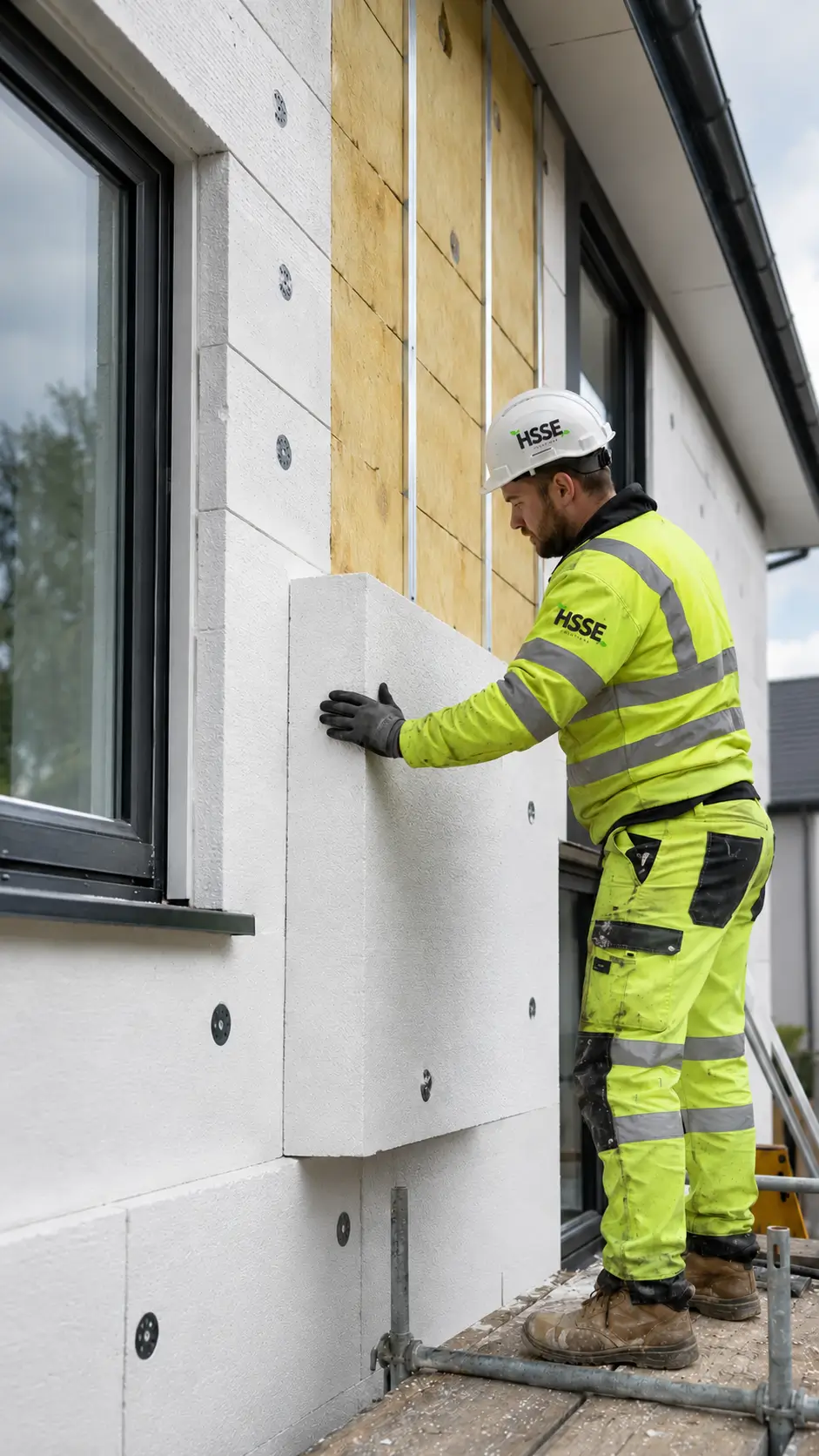
  • Improved Thermal Comfort: By upgrading insulation, windows, and sealing leaks, retrofit coordination helps maintain consistent indoor temperatures. This reduces the reliance on heating and cooling systems, thereby saving energy and enhancing occupant comfort.
  • Enhanced Indoor Air Quality: Retrofit projects often include the installation of new ventilation systems or the upgrade of existing ones. This guarantees better air circulation and filtration, reducing pollutants and moisture that can lead to mold and other health issues.
  • Increased Energy Efficiency: Strategic placement of energy-efficient lighting and appliances, along with the implementation of smart energy management systems, can drastically cut down on energy consumption. This leads to significant cost savings over time.
  • Sustainability: Retrofitting old buildings makes them more sustainable, reducing their carbon footprint by utilizing modern materials and technologies that are environmentally friendly. This also aligns with global efforts to combat climate change by reducing greenhouse gas emissions.
  • 09 1
    08 1
    03 4
    h1 sub title Expert Retrofit Support

    Supporting Installers and Assessors with Expert Retrofit Coordination

    Independent Retrofit Coordinators are vital in supporting installers and assessors, ensuring retrofit projects are efficient and compliant. They offer specialized training workshops to improve skills in energy efficiency and modern technologies. Coordinators also establish support networks for installers to share insights and enhance project quality. Additionally, they create detailed assessment toolkits to help assessors evaluate buildings, ensuring accurate documentation and compliance with energy performance standards.

    Identifies and mitigates risks early to ensure safety and compliance.
    Keeps projects on schedule, minimizing delays and cost overruns.
    Ensures clear communication and quality work from contractors.
    Incorporates the latest energy-efficient technologies to improve performance and sustainability.
    Ensures all retrofit work meets high standards, improving building performance and energy efficiency.

    By optimizing energy efficiency, Retrofit Coordinators help businesses reduce energy costs, improve building performance, minimize environmental impact, and strengthen their sustainability efforts, enhancing their overall reputation.

    Png 2 1
    h1 sub title Retrofit Coordination

    Frequently Asked Questions

    Retrofit coordination can indeed assist in improving energy efficiency and sustainability in heritage or listed buildings, carefully balancing modern upgrades with the preservation of historical and architectural integrity.

    Yes, financing and grant options are available for retrofit projects. Government schemes, local authority funds, and green finance options support property upgrades for enhanced energy efficiency and sustainability, helping offset initial costs.

    The duration of a typical retrofit project varies, generally ranging from a few weeks to several months, depending on the project's complexity, scope, and the specific improvements being implemented in the property.

    A retrofit coordinator should possess qualifications in building science or engineering, certifications in energy efficiency methods, and experience in construction management. Knowledge of local building codes and sustainability practices is also essential.

    Waste management in retrofit projects involves systematic sorting, recycling, and disposing of materials. Coordinators guarantee compliance with environmental regulations, reducing landfill use and maximizing resource efficiency through careful planning and execution of waste disposal strategies.markdown.

    testimonial

    What Our Clients Say About Us

    t4 small 1
    t4 small 2
    t4 small 3
    t4 quote
    t4 big 1
    HSSE Solutions made the whole process so easy! They guided me through every step and helped me qualify for the ECO4 grant. My home now feels warmer and my energy bills are much lower. Highly recommend their service!
    Sarah Thompson
    Birmingham
    t4 quote
    t4 big 2
    I was really impressed by how professional and efficient HSSE Solutions was. They handled everything from checking my eligibility to installation. Thanks to them, I got free insulation and a new boiler under the GBIS scheme!
    David Patel
    Manchester
    t4 quote
    t4 big 3
    HSSE Solutions did an excellent job helping me qualify for the ECO4 funding. The team explained everything clearly and managed the entire process smoothly. My home is much warmer now, and I’m already seeing lower energy bills. Brilliant service!
    Michael Roberts
    Leeds
    our accreditation

    Approved by

    HSSE Solutions is recognized and accredited by reputable industry awarding bodies across the UK.

    Get a Free Quote → 📞 02081785892
    TrustMark Endorsed