h4 shape 1
h4 shape 2
EPC Assessments for Residential and Commercial Properties

Energy Performance Certificates (EPC)

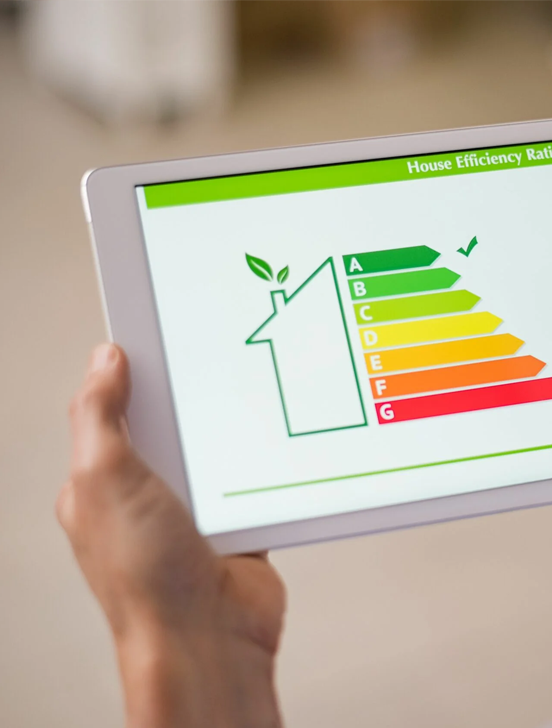
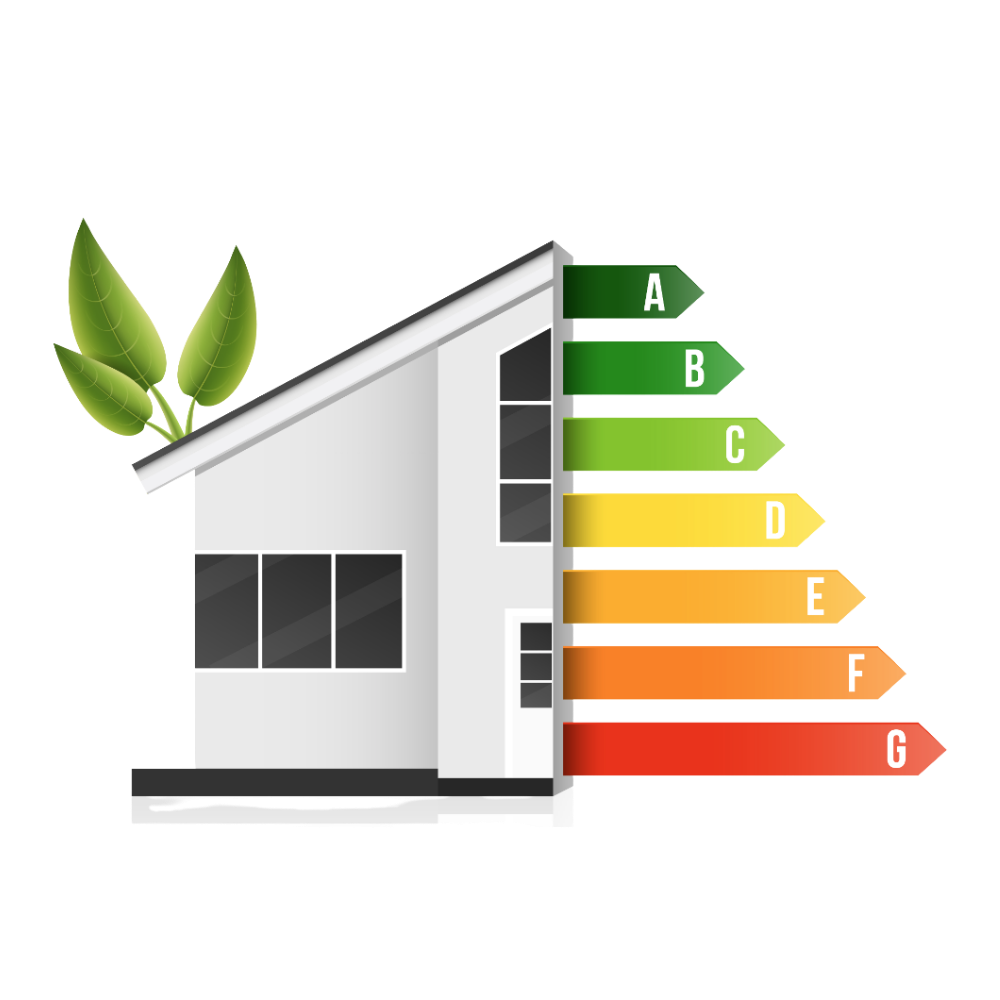
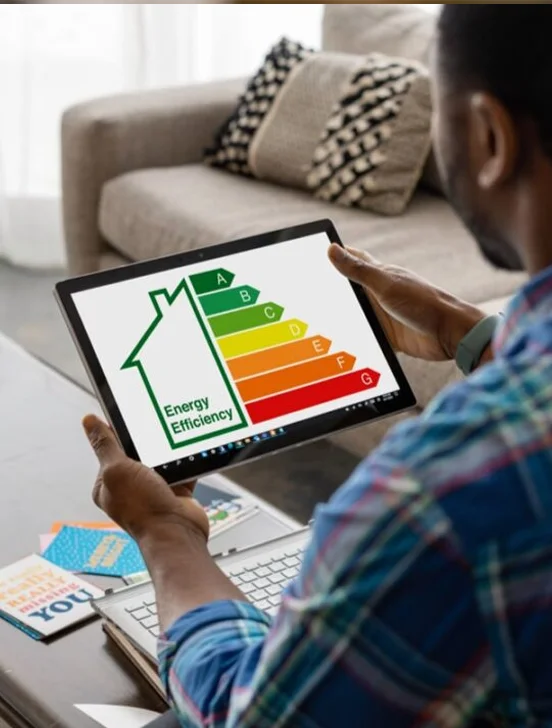
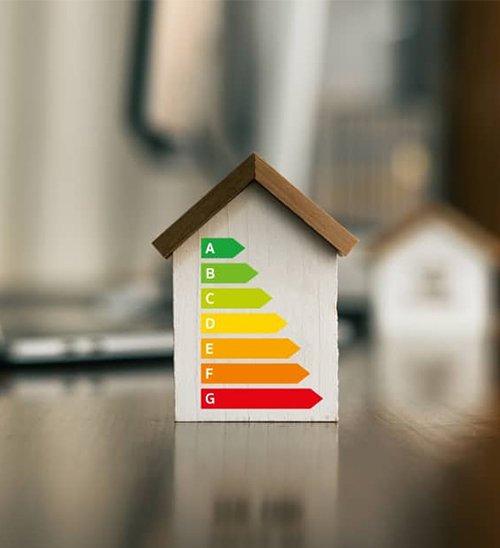
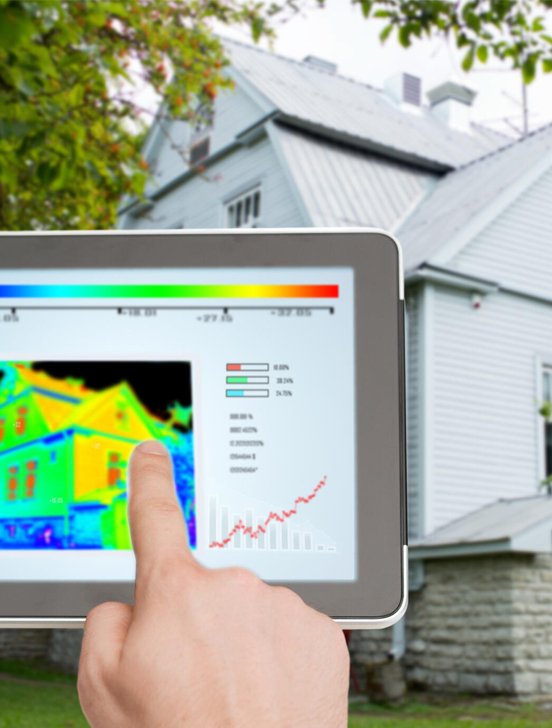
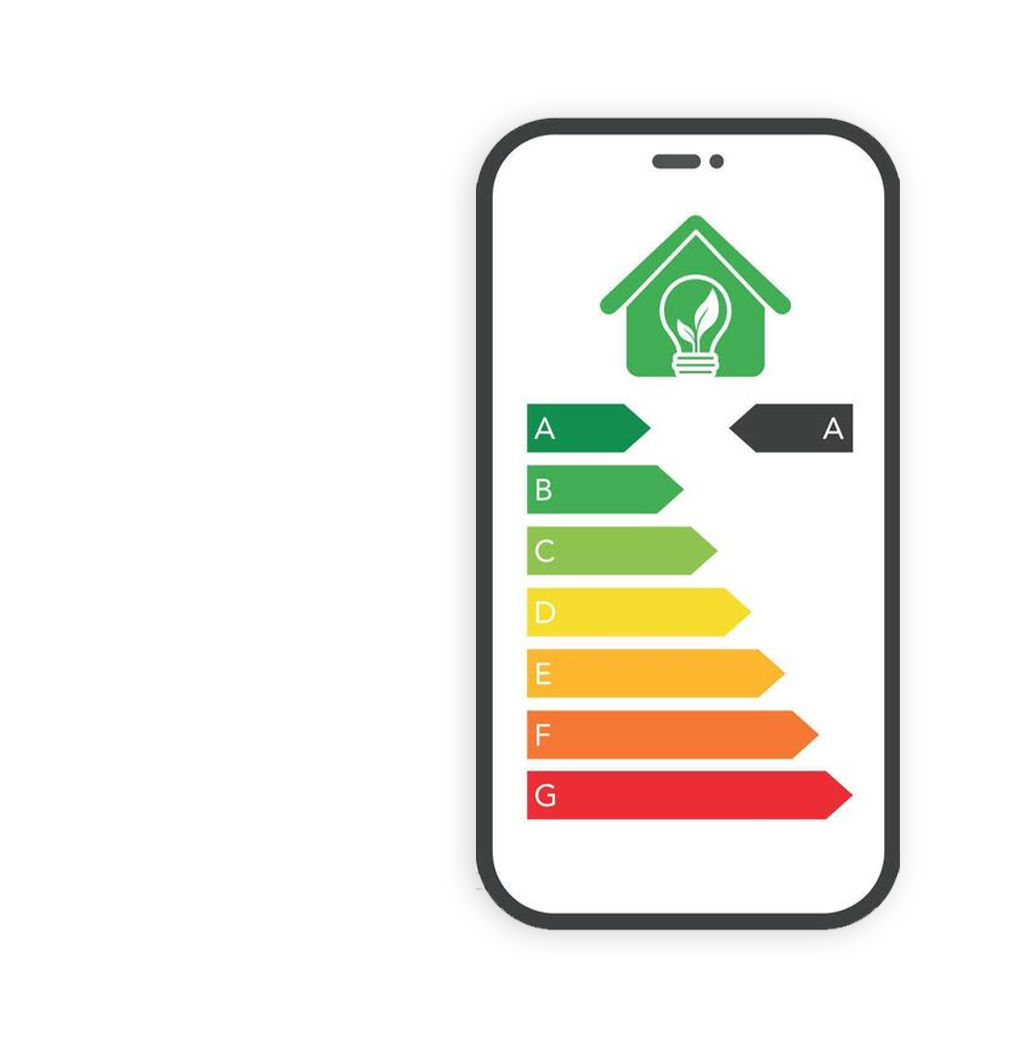
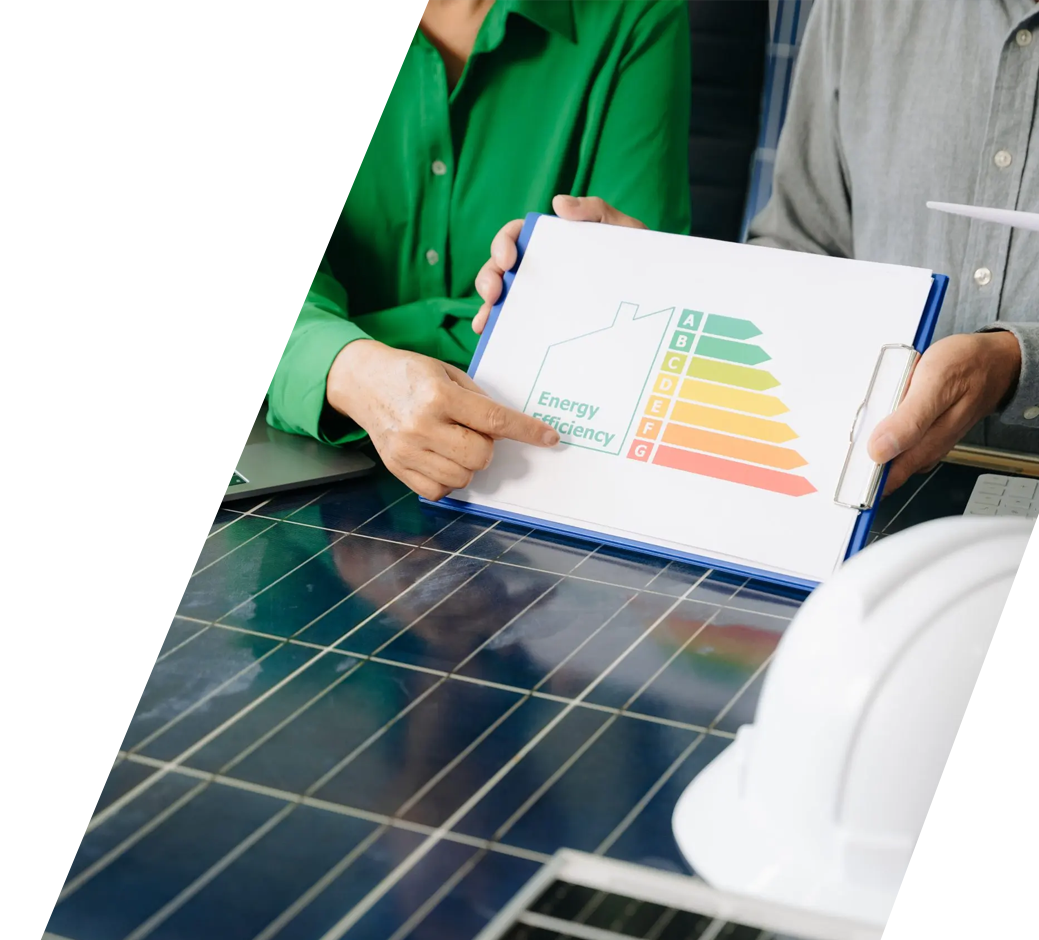
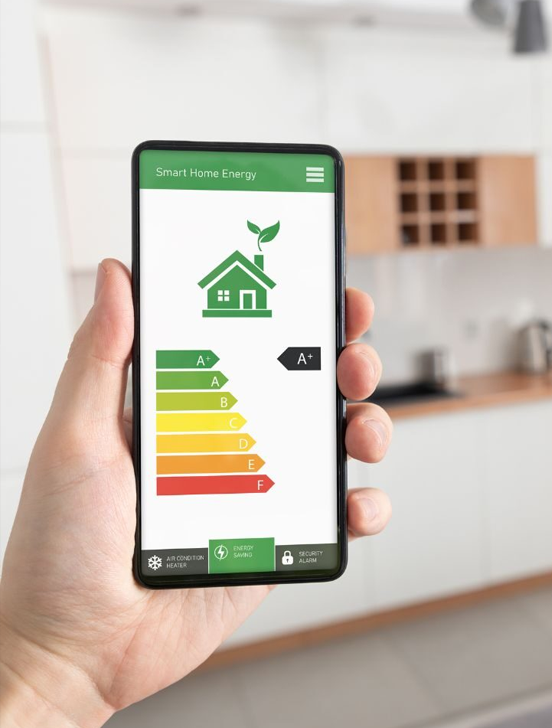
Energy Performance Certificates (EPCs) are required for many UK properties when sold, rented, or built. They rate energy efficiency from A to G, show energy use, and recommend improvements. A strong EPC rating can make a property more attractive to buyers and tenants, support lower running costs, and help owners meet their legal compliance obligations.

EPC

EPC

Untitled design 7
h1 sub title Understanding EPCs & Their Importance

What Are EPCs in the UK and Why Are They Important?

Energy Performance Certificates (EPCs) assess the energy efficiency of buildings in the UK, playing a key role in reducing carbon emissions and enhancing sustainability. Required for properties sold, rented, or under construction, EPCs are issued by accredited assessors and influence real estate decisions. Higher ratings can improve a property's marketability, while lower ratings may reduce buyer or tenant interest and could affect the property's ability to meet minimum energy efficiency standards for rental. EPCs also support national energy efficiency goals and guide regulatory changes.

EPCs evaluate a building's energy efficiency and are essential for compliance with UK regulations. They help property owners identify areas for improvement, increase marketability, and attract environmentally conscious buyers or tenants. A higher EPC rating may improve a property's market appeal and help it meet current and forthcoming minimum energy efficiency standards, while a lower rating indicates areas where energy efficiency improvements could be made.

For any inquiries call the 020 8178 5892
How EPCs Affect Property Value

The Impact of EPCs on Property Value

EPC ratings significantly impact both sale and rental values. Properties with higher ratings (A-B) tend to be more attractive to buyers and renters, as they are associated with lower energy costs. The impact on sale or rental prices depends on the local market and other property factors. In contrast, properties with lower ratings (E-G) often see reduced market value and are less desirable to potential buyers or tenants. A high EPC rating not only boosts immediate property appeal but also enhances future viability in an eco-conscious market.

A higher EPC rating can enhance a property’s appeal to buyers and tenants and support compliance with current and forthcoming energy efficiency regulations, which is an increasingly important factor in property decisions.

02 1
01 2
03 2
Enhancing Energy Performance and Sustainability

Benefits of Energy Performance Certificate (EPC)

EPCs provide an essential measure of a building’s energy efficiency, offering insights that help improve energy consumption, reduce costs, and enhance overall sustainability.

13
REDUCED ENERGY COSTS

EPC ratings help identify areas where energy-saving improvements could be made. Implementing the recommended upgrades may help lower utility bills, though actual savings depend on the measures installed and how the property is used.

14
INCREASED PROPERTY VALUE

Properties with higher EPC ratings may be more marketable to buyers and tenants who prioritise energy efficiency, and may be better positioned to meet minimum energy efficiency standards for sale and rental.

15
ENHANCED COMFORT

A higher EPC rating generally indicates better thermal performance, which can contribute to a more comfortable living or working environment, though actual comfort depends on a range of factors including how the building is heated and ventilated.

16
SUSTAINABILITY AND COMPLIANCE

EPCs support compliance with UK energy efficiency regulations and provide a framework for identifying improvements that can help reduce a property's carbon emissions over time.

Step-by-Step

How EPCs Are Calculated

EPCs are calculated through a systematic process that evaluates a building’s energy performance and provides an energy efficiency rating. This rating helps property owners and potential buyers understand how energy-efficient a property is and where improvements can be made.

List
Energy Assessment

Begin with a comprehensive energy assessment, examining energy usage patterns, insulation quality, heating systems, and windows. This helps identify areas for energy conservation.

List
Review Building & Heating Systems

Analyze the construction materials, insulation types, window glazing, and the efficiency of heating, ventilation, and air conditioning (HVAC) systems to determine their impact on energy performance.

List
Standard Assessment Procedure (SAP)

Enter the collected data into Standard Assessment Procedure (SAP) software, which uses this information to generate an accurate prediction of the property’s energy efficiency.

List
Generate EPC & Recommendations

The EPC is created, providing a rating from A (most efficient) to G (least efficient). Along with the EPC, personalized recommendations for improving energy efficiency are provided, such as upgrading insulation, installing energy-efficient lighting, or replacing heating systems.

This analysis helps identify areas of energy inefficiency, highlighting opportunities to improve insulation and reduce energy costs.

EPC Requirements for Property Owners

Who Needs an EPC?

An Energy Performance Certificate (EPC) is required for all properties being sold, rented, or constructed. It provides key information on a building's energy efficiency, helping buyers, tenants, and property owners make informed decisions. Whether you're a homeowner, landlord, or commercial property owner, understanding the need for an EPC is essential for compliance and energy management.

  • Homeowners and Landlords: Required to obtain an EPC when selling or renting out a property to inform potential buyers or tenants about energy efficiency.
  • Property Buyers and Sellers: Buyers use EPCs to assess energy performance, while sellers must provide them to avoid penalties and enhance property value.
  • Commercial Property Owners: Must obtain an EPC for sales, rentals, or new builds, with stricter criteria affecting energy consumption and leasing attractiveness.

  • EPCs help make informed decisions and promote energy efficiency across all property sectors.

     
    05.jpg 3
    04.jpg 2
    03 2
    07.jpg 2
    06.jpg 3
    03 2
    EPCs and Reducing Energy Costs

    How EPCs Help You Save Money on Energy Bills

    EPCs identify areas where a property could improve energy efficiency. Implementing the recommended upgrades may help reduce energy bills, though actual savings depend on the measures installed, the property type and how it is used.. The EPC provides a rating from A (most efficient) to G (least efficient) and includes recommendations for upgrades like better insulation, energy-efficient windows, or improved heating systems. Implementing these suggestions reduces energy consumption and heating costs.

    Improving energy efficiency also maintains a consistent internal environment, enhancing comfort and reducing the workload on heating and cooling systems. Implementing EPC recommendations may help reduce utility bills. Some upgrades may qualify for government support schemes depending on your property type and eligibility. We recommend checking current scheme availability as funding options change over time.

    EPC Requirements for Commercial Properties

    EPCs for Commercial Properties – What You Need to Know

    Commercial properties require an EPC when being sold, rented, or constructed, with specific criteria based on size and usage. The EPC details energy features like heating systems, insulation, and lighting, providing an energy efficiency rating from A (most efficient) to G (least efficient), which influences market value and potential clients' decisions.

    To obtain an EPC, property owners must hire an accredited energy assessor who collects data on the building's energy systems and construction. After the assessment, the assessor generates the EPC, which remains valid for ten years unless major changes to the building occur. Maintaining an up-to-date EPC is essential for avoiding penalties and improving marketability.

    09.jpg 2
    08.jpg 2
    03 2
    h1 sub title Why Choose Us

    Why Choose HSSE Solutions?

    Choosing HSSE Solutions for your Energy Performance Certificate (EPC) needs ensures expert handling by accredited professionals with extensive experience in the energy assessment industry. Our thorough approach helps facilitate compliance and enhance the energy efficiency of your commercial property.

    Accredited energy assessors with experience across residential and commercial properties throughout the UK.
    Registered with an approved EPC accreditation scheme, supporting property owners in meeting current and forthcoming energy efficiency regulations.
    Assessors trained in the latest SAP and RdSAP methodologies, ensuring your EPC reflects current regulatory requirements and government guidance.

    Each EPC comes with clear, practical recommendations to help you understand what improvements could be made and their potential impact on your rating.
    A straightforward booking process with prompt report delivery and full documentation provided on completion of the assessment.

    Choose HSSE Solutions for professional, accredited EPC assessments that support your compliance obligations and help you understand your property’s energy performance.

    PNG 04
    h1 sub title Energy Performance Certificates

    Frequently Asked Questions

    In the UK, an Energy Performance Certificate is valid for 10 years. It is essential for selling or renting properties, as it provides a measure of the building's energy efficiency and environmental impact.

    Yes, property owners can enhance their property's rating by implementing energy-efficient upgrades such as better insulation, efficient heating systems, and renewable energy sources. Professional advice from an accredited energy assessor can help identify the most cost-effective upgrades and give you a clearer picture of the likely impact on your EPC rating before any work begins.

    If you lose your EPC document, you can retrieve a copy by accessing the national register online using your property's address or the report reference number provided at the time of assessment.

    Yes, there are exemptions to requiring this certification. These typically include listed buildings, temporary structures with planned use times under two years, and residential buildings intended for less than four months of occupancy annually.

    EPC ratings are not typically used directly by UK insurers to determine property insurance premiums. Insurance rates are influenced by a range of factors including property type, location, claims history and the insurer's own underwriting criteria. We recommend speaking to your insurance provider directly regarding any questions about how energy efficiency improvements may affect your policy.

    Our Accreditations

    Accreditations & Memberships

    HSSE Solutions only displays memberships, registrations or accreditations that are active, relevant and verifiable for the services shown. Where a service involves funding, energy efficiency or environmental claims, we aim to present information clearly and responsibly in line with UK advertising and consumer protection guidance.