
h4 shape 1
h4 shape 2
Accredited Commercial Assessments

Commercial Energy Performance Certificate.

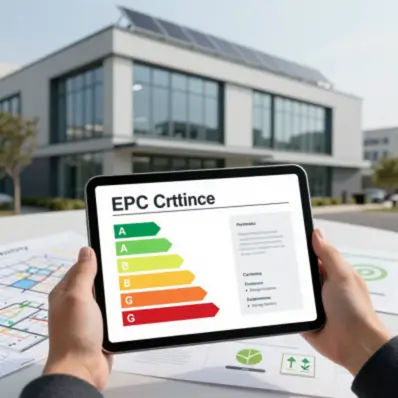
A Commercial Energy Performance Certificate (CEPC) provides a detailed assessment of a business property’s energy efficiency, rated from A to G. Required for selling, renting, or newly constructed commercial buildings, it identifies key opportunities to optimize environmental performance and lower operational overheads.

Banner 19

EPC

h1 sub title EXPERT COMMERCIAL ASSESSMENTS

Commercial Energy Performance Certficate EPC

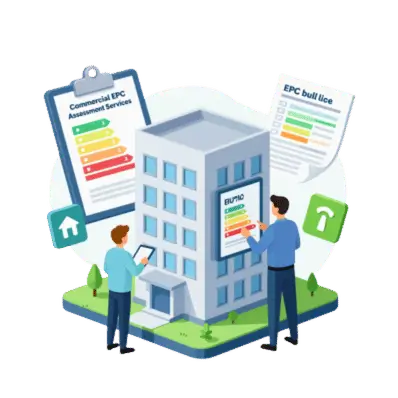
HSSE Solutions provides essential energy performance assessments to ensure your commercial premises remain compliant and efficient. Our Commercial EPC process combines meticulous site surveys with advanced energy modeling to identify heat loss, lighting inefficiencies, and potential system optimizations.

Our services are delivered by accredited energy assessors using industry-leading software. We help businesses, commercial landlords, and property managers across London and the M25 maintain rigorous energy standards, significantly reducing operational overheads and enhancing asset value.

Whether you operate a high-traffic office, a retail outlet, or an industrial warehouse, our team ensures your property meets all legal requirements. HSSE Solutions delivers fast, reliable results with detailed reporting and full certification provided immediately upon completion.

Commercial EPC Certificate

Get Quote excl. VAT
  • Accredited Energy Assessors
  • Compliance with MEPS Regulations
  • Professional Site Surveys
  • 10 Years Experience
What Is an Energy Performance Certificate
h1 sub title Energy Efficiency Guide

What Is a Commercial Energy Performance Certificate?

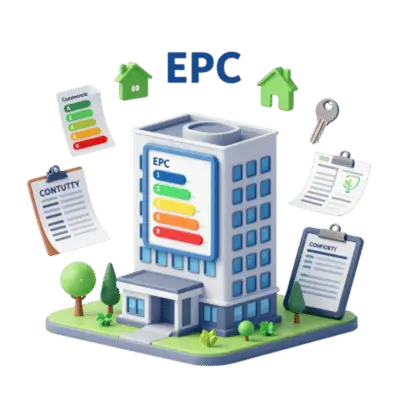
A Commercial Energy Performance Certificate (EPC) is a legal requirement for business properties in the UK. It provides an energy efficiency rating for a building, ranging from A (most efficient) to G (least efficient). The EPC reflects a building's energy efficiency and recommends improvements to reduce energy use and lower costs. This certificate is crucial for landlords, tenants, and businesses looking to improve sustainability and comply with regulations.

An EPC is required when a commercial property is built, sold, or rented. It helps businesses understand their energy usage and take necessary steps to reduce costs and their environmental impact. The certificate includes recommendations for improvements, such as better insulation, more efficient heating systems, or renewable energy installations.

For any inquiries call the 020 8178 5892
Efficiency Standards

How the EPC Rating Scale Works for Businesses

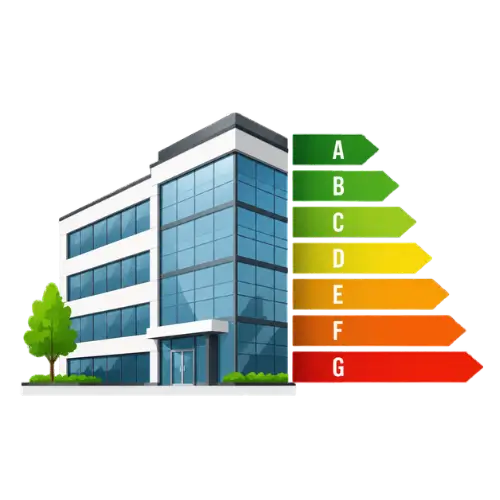
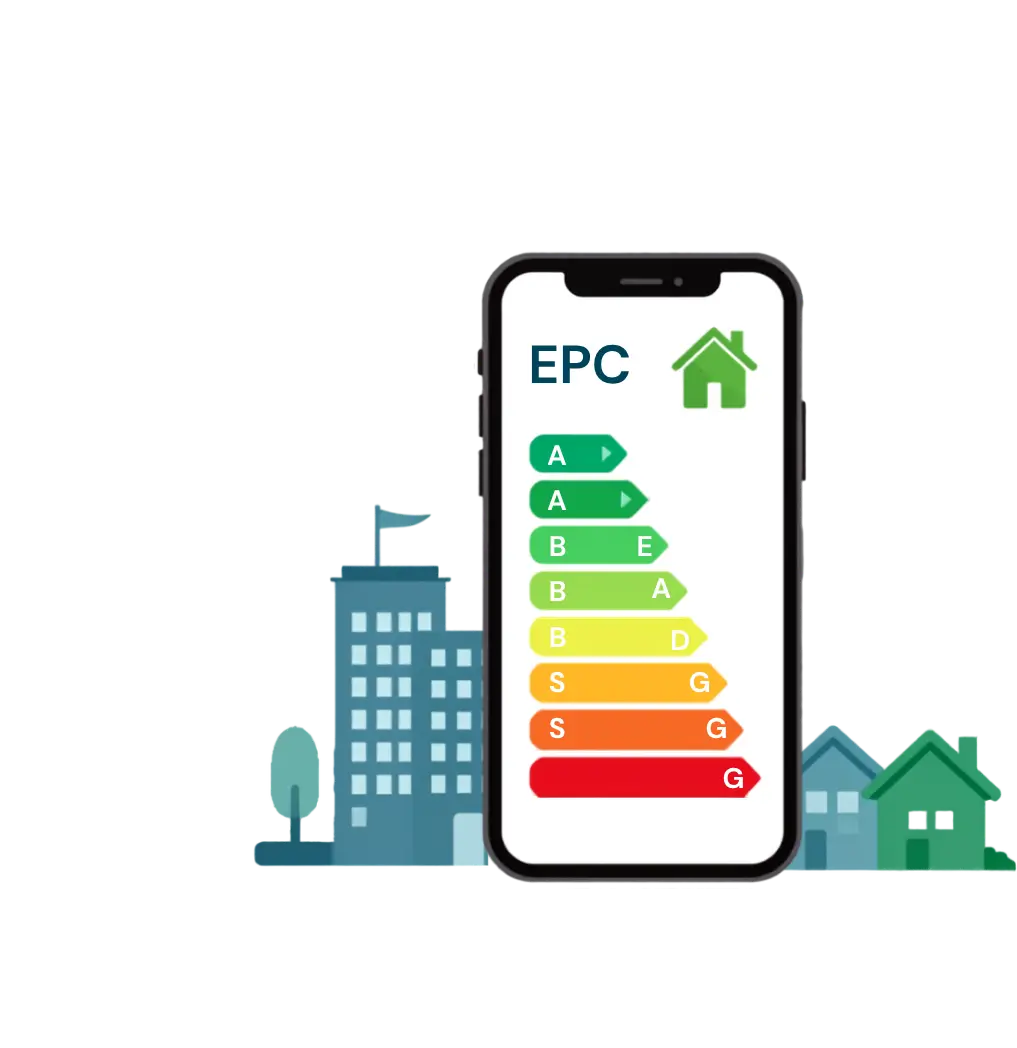
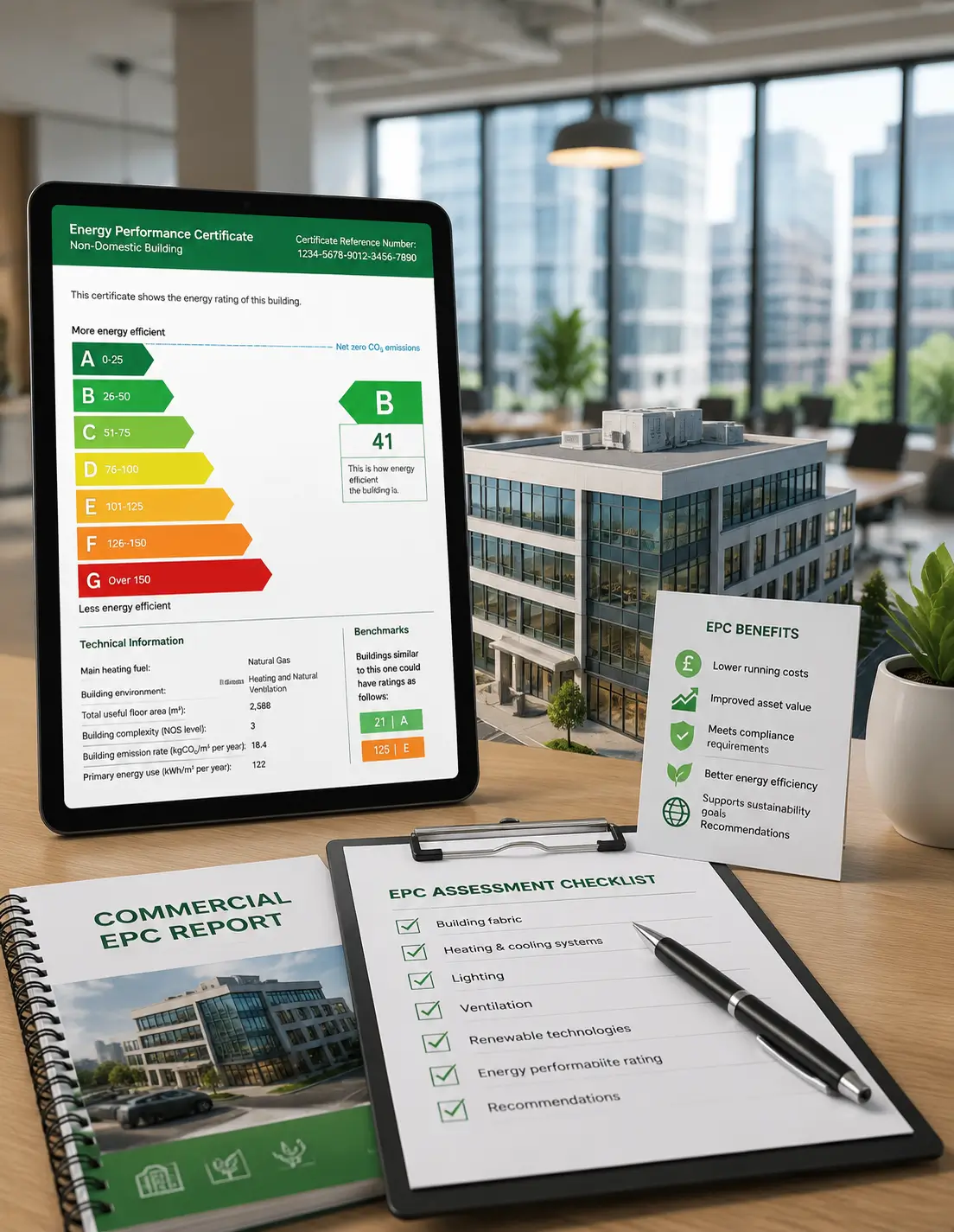
The commercial EPC rating scale follows a defined structure from A (Most Efficient) to G (Least Efficient), providing a standardised benchmark for property energy performance.

Overall, a commercial EPC provides a clear roadmap for identifying property potential. It enables owners and landlords to plan professional upgrades that ensure long-term energy savings and full regulatory compliance.

How the EPC Rating Scale Works 02
How the EPC Rating Scale Works 01
Product Image 17
Assessment Process

How an EPC Assessment Works

An EPC assessment provides a comprehensive evaluation of a building’s energy efficiency, identifying key areas for improvement and offering recommendations to reduce energy consumption and costs. Here’s how the process works:

13
PROPERTY DATA COLLECTION

The process begins with a booked visit. A qualified Domestic Energy Assessor records basic details including the property type, age, size, and construction method. This 30–60 minute visual inspection forms the foundation of the energy report.

ICONS
FABRIC & INSULATION CHECK

The assessor identifies insulation levels and glazing types by examining the walls, roof, floors, windows, and doors. These non-invasive measurements determine how well the property retains heat and prevents energy loss.

16
SYSTEMS & TECHNOLOGY REVIEW

Heating systems are thoroughly reviewed, including boilers, radiators, and secondary heaters. The inspector also notes low-energy lighting, ventilation, and any renewable technologies like solar panels or heat pumps to gauge overall efficiency.

14
SOFTWARE ANALYSIS & RATING

All observations are entered into approved EPC software. Using a standardized methodology, it calculates the final rating and provides a list of suggested improvements and indicative cost savings for the property.

STEP-BY-STEP PROCESS

When You Legally Need an EPC

An EPC is required by law for commercial properties in the UK under certain circumstances, as outlined in the Energy Performance of Buildings (England and Wales) Regulations 2012. These regulations ensure that businesses are aware of their property’s energy efficiency and can take steps to reduce energy consumption.

List
Building Construction

An EPC is required for all new commercial buildings upon completion of construction. The certificate ensures that the building meets the minimum energy efficiency standards set out in building regulations before it is occupied.

List
Marketing for Sale or Lease

An EPC must be available the moment a property is marketed. It should be provided during advertisements and property listings so prospective buyers or tenants can assess energy performance before committing.

List
Property Sale or Transfer

When selling or transferring ownership, you are legally obligated to provide the buyer with a valid EPC. This allows them to make informed decisions regarding future running costs and asset value.

List
Letting or Leasing

Landlords must secure an EPC before renting or leasing a commercial unit. This applies to both new tenancies and lease renewals; without it, a property cannot be legally rented.

List
Substantial Renovations

If major refurbishments or alterations are carried out that significantly change the building’s energy use, a new certificate is required to accurately reflect the property's updated performance levels.

List
Low Energy Ratings (F or G)

Under UK law, commercial properties with a rating of F or G generally cannot be legally sold or leased. Improvements must be implemented to raise the rating to a minimum of E or above to ensure compliance with current standards.

Legal Requirements

EPC Rules for Commercial Landlords, Sellers and Tenants

While the requirement for an Energy Performance Certificate is standard across the market, specific obligations for commercial properties ensure businesses maintain professional efficiency standards.

EPC Rules for Landlords Sellers and Tenants 02
EPC Rules for Landlords Sellers and Tenants 01
Product Image 17
Using Your EPC Recommendations to Plan Upgrades and Cut Bills 02
Using Your EPC Recommendations to Plan Upgrades and Cut Bills 01
Product Image 17
Efficiency Planning

Using Commercial EPC Insights to Plan Upgrades and Lower Overheads

Turning EPC recommendations into a strategic action plan allows business owners and commercial landlords to prioritise professional improvements that genuinely reduce operational expenditures.

Initial Property Review

A comprehensive review of your premises, gathering key data on building size, structure, and existing systems to baseline performance.

BOOK NOW
Systems Evaluation

An expert assessment of heating, cooling, lighting, and ventilation to identify efficiency gaps and potential technical upgrades.

BOOK NOW
Fabric & Insulation Audit

A detailed inspection of walls, floors, and roofs to identify energy waste and highlight critical areas for insulation improvements.

BOOK NOW
Analysis & Reporting

Using advanced digital tools, we generate your official EPC rating with clear, strategic recommendations to enhance efficiency and lower overheads.

BOOK NOW
h1 sub title ASSESSMENT PROCESS

How We Conduct Commercial Energy Performance Assessments

An Energy Performance Certificate (EPC) is essential for rating a property's energy efficiency. Our certified assessors provide a detailed analysis to help you lower energy costs, reduce carbon footprints, and ensure full legal compliance for selling or renting your property.


How We Conduct Energy Performance Assessments

From the initial site survey to the final certificate lodgement, we manage your EPC assessment with complete professionalism and care.

h1 sub title EPC Management

Finding, Checking and Updating Your Commercial EPC

How does a business owner locate and verify an Energy Performance Certificate when needed for a sale, lease, or renovation decision? Most begin by searching the official national EPC register using the property address or unique report reference number.

Confirm the address is correct, the assessor is accredited, and the rating accurately reflects the current state of your business premises.
Major changes like new insulation, replacement windows, heating system upgrades, or solar panels require a fresh EPC to maintain legal compliance.

Arrange a professional assessment to inspect the property, document improvements, and lodge a new certificate to keep your building competitive in the market.
Frequently Asked Questions Picture 5
h1 sub title Commercial Energy Performance Certificate

Frequently Asked Questions

An EPC is valid for 10 years. After this period, a new assessment must be carried out to ensure the property still meets the required energy efficiency standards.

The landlord or property owner is responsible for obtaining an EPC before selling, renting, or leasing a commercial property. However, tenants may request to see the certificate before signing a lease.

Properties with a low EPC rating (F or G) cannot be rented out or sold without first making improvements to meet a minimum rating of E. This ensures that buildings are energy-efficient and comply with environmental standards.

Improving your EPC rating can include measures such as installing better insulation, upgrading heating and cooling systems, using energy-efficient lighting, and considering renewable energy options like solar panels.

If a commercial property is sold, leased, or rented without a valid EPC, the landlord or seller could face fines. The penalty can be up to £5,000 for non-compliance with EPC regulations. Additionally, properties with an EPC rating of F or G cannot be legally rented out.

Our Accreditations

Accreditations & Memberships

HSSE Solutions only displays memberships, registrations or accreditations that are active, relevant and verifiable for the services shown. Where a service involves funding, energy efficiency or environmental claims, we aim to present information clearly and responsibly in line with UK advertising and consumer protection guidance.