h4 shape 1
h4 shape 2
FIRE RISK ASSESSMENT SERVICES

FIRE RISK ASSESSMENT SERVICES.

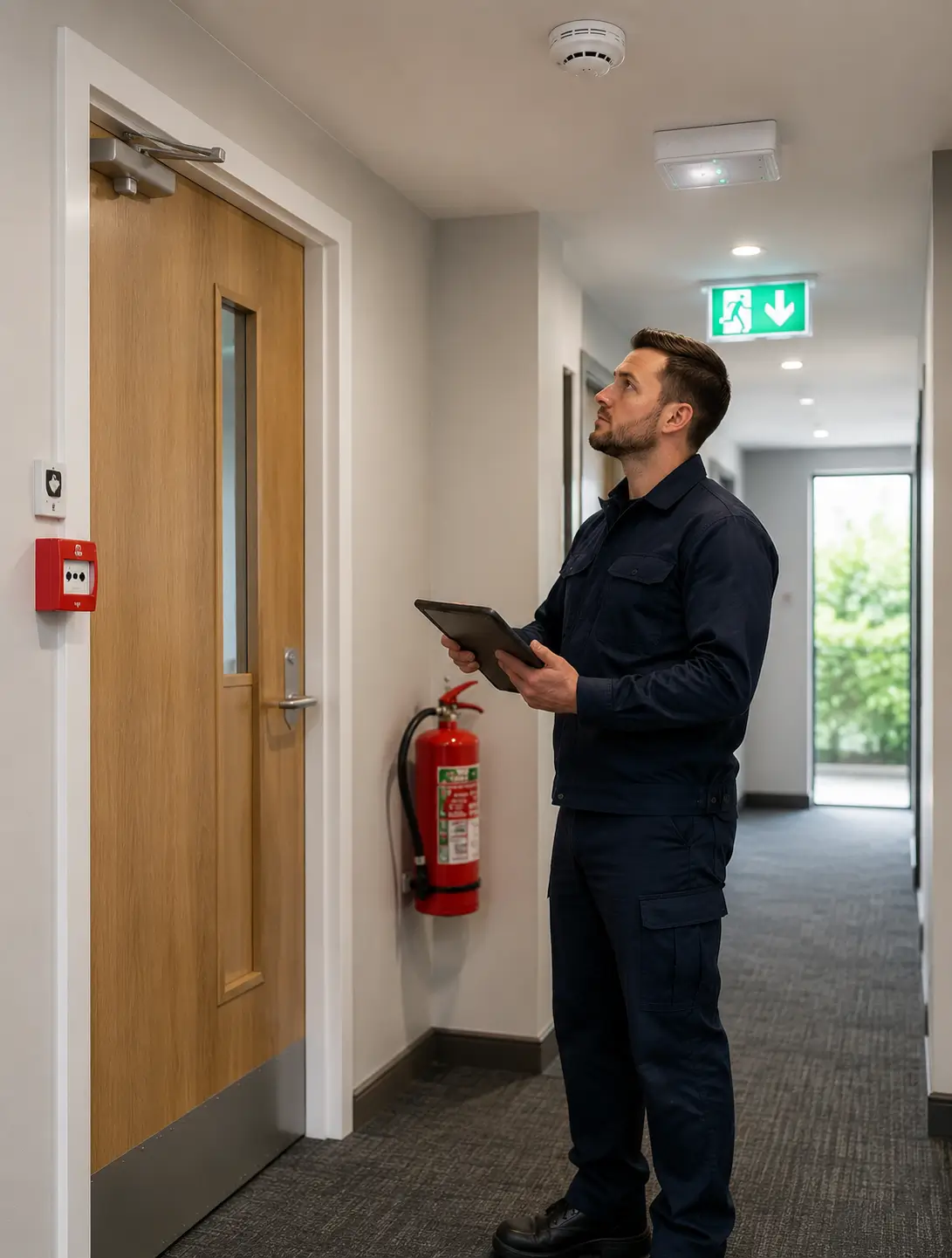
A Fire Risk Assessment, commonly known as an FRA, is a structured review of fire hazards, people at risk and existing fire safety measures within a property or premises. HSSE Solutions can support fire risk assessment bookings for residential communal areas, HMOs, commercial premises, workplaces, managed buildings and landlord properties, with the final report depending on property type, layout, access, occupancy, risk level and findings.

Banner 11
h1 sub title Pricing List

Residential FRA Pricing List

Communal Area

Assessment arranged through suitable fire safety professionals where required.
£ 139
99
excl. VAT
  • Price applies where property scope matches this package

Studio

Assessment arranged through suitable fire safety professionals where required.
£ 84
99
excl. VAT
  • Price applies where property scope matches this package

1-3 Bedrooms

Assessment arranged through suitable fire safety professionals where required.
£ 149
99
excl. VAT
  • Price applies where property scope matches this package

3-6 Bedrooms

Assessment arranged through suitable fire safety professionals where required.
£ 199
99
excl. VAT
  • Price applies where property scope matches this package
h1 sub title Pricing List

Commercial FRA Pricing List

Communal Area up to 3 Floors

Assessment arranged through suitable fire safety professionals where required.
£ 149
99
excl. VAT
  • Scope confirmed, tailored quote provided.

Communal Area up to 3 – 5 Floors

Assessment arranged through suitable fire safety professionals where required.
£ 189
99
excl. VAT
  • Scope confirmed, tailored quote provided.

Communal Area up to 5 – 10 Floors

Assessment arranged through suitable fire safety professionals where required.
£ 279
99
excl. VAT
  • Scope confirmed, tailored quote provided.

Building up to 3 Floors

Assessment arranged through suitable fire safety professionals where required.
£ 249
99
excl. VAT
  • Scope confirmed, tailored quote provided.

Building 3 – 5 Floors

Assessment arranged through suitable fire safety professionals where required.
£ 369
99
excl. VAT
  • Scope confirmed, tailored quote provided.

Building 5 – 10 Floors

Assessment arranged through suitable fire safety professionals where required.
£ 489
99
excl. VAT
  • Scope confirmed, tailored quote provided.

Building 10 – 15 Floors

Assessment arranged through suitable fire safety professionals where required.
£ 589
99
excl. VAT
  • Scope confirmed, tailored quote provided.

Building More Than 15 Floors

Assessment arranged through suitable fire safety professionals where required.
Get Quote excl. VAT
  • Scope confirmed, tailored quote provided.

Commercial FRA pricing depends on building height, layout, use, number of floors, communal areas, occupancy risk, access, documentation and reporting requirements. The final scope should be confirmed before attendance.

What Is a Fire Risk Assessment
h1 sub title ABOUT FIRE RISK ASSESSMENTS

What Is a Fire Risk Assessment?

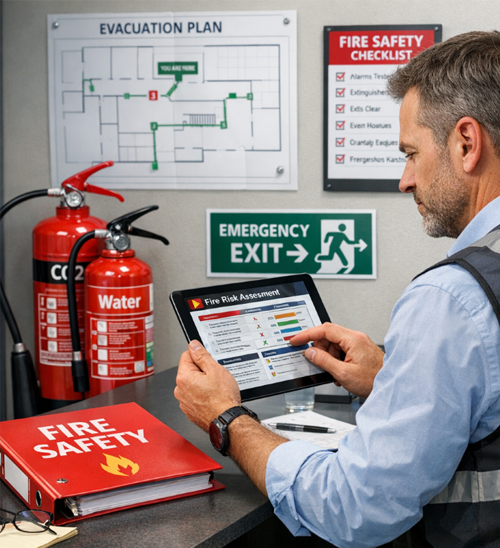
A fire risk assessment is a structured review of a building or premises to identify fire hazards, people who may be at risk, and the adequacy of existing fire precautions. It considers how a fire could start, how it may spread, how people would be warned, and how occupants could escape safely.
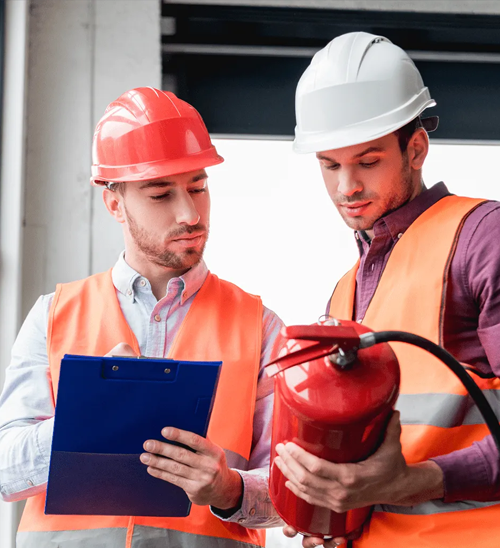
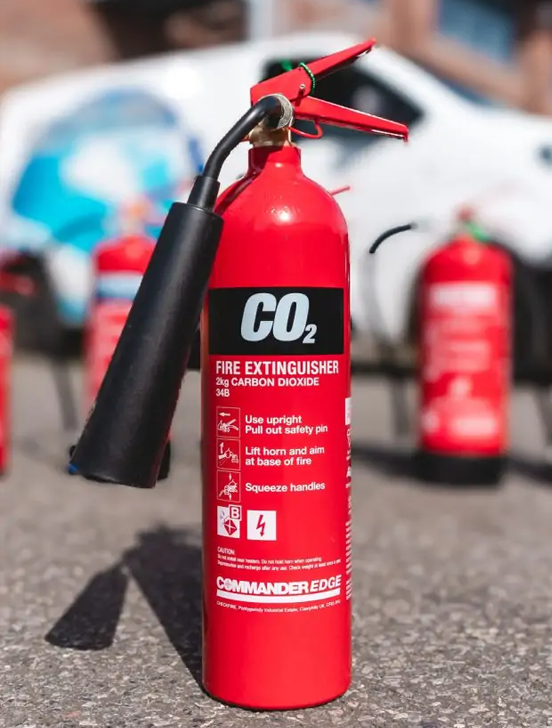
The assessment may review ignition sources, combustible materials, escape routes, fire doors, fire detection and alarm systems, emergency lighting, signage, firefighting equipment, housekeeping, management arrangements and the needs of vulnerable people where applicable.

For fire risk assessment bookings, call 02081785892

Findings should be recorded with recommended actions and priorities. The report supports the responsible person’s fire safety management, but it does not guarantee that the building is risk-free or fully compliant forever.

FIRE SAFETY RESPONSIBILITIES

Do You Need a Fire Risk Assessment and When?

Whether a fire risk assessment is required depends on the type of premises, who controls the building and how it is used. The responsible person should make sure a suitable fire risk assessment is carried out, recorded and reviewed where required.

A fire risk assessment helps the responsible person understand fire hazards, people at risk, existing precautions and recommended actions. It supports better fire safety management, but it does not guarantee that the building is risk-free, fully compliant forever or free from future fire safety issues.

Do You Need a Fire Risk Assessment and When 02
Do You Need a Fire Risk Assessment and When 01
Product Image 10
FIRE RISK ASSESSMENT BENEFITS

Possible Benefits of a Fire Risk Assessment

A fire risk assessment can support better fire safety management by identifying hazards, people at risk, existing precautions and recommended actions. Benefits depend on property type, access, building condition, management arrangements and whether recommended actions are completed.

82
Fire Hazard Identification

Helps identify ignition sources, combustible materials, housekeeping issues and other fire hazards that may need control.

84
Fire Precaution Review

Reviews fire detection, alarms, firefighting equipment and related precautions where applicable to the premises.

83
Escape Route Review

Reviews escape routes, signage, emergency lighting, exit doors and evacuation arrangements where applicable.

85
People at Risk Review

Considers people who may need additional support, such as visitors, residents, lone workers, elderly people or disabled occupants where relevant.

STEP-BY-STEP

How Our Fire Risk Assessment Process Works

A fire risk assessment normally follows a structured process. The exact scope depends on property type, layout, use, occupancy, access, fire safety systems, documentation and agreed assessment requirements.

Identify Fire Hazards

Identify Fire Hazards

The assessment reviews possible ignition sources, combustible materials, oxygen sources, housekeeping, electrical equipment, heating, cooking and other hazards where relevant.

01
Identify People at Risk

Identify People at Risk

The assessment considers who may be at risk, including staff, residents, visitors, contractors, lone workers, disabled people, elderly people or sleeping occupants where applicable.

02 1
Evaluate and Prioritise Risk

Evaluate and Prioritise Risk

Risks are reviewed based on likelihood, potential consequences and existing fire precautions. Recommended actions may be prioritised according to risk level and the assessor’s findings.

03
Record Significant Findings

Record Significant Findings

Significant findings, existing precautions, recommended actions and priorities are recorded in the report where required. The responsible person should review the findings and decide how actions will be managed.

04 2
Recommend Fire Safety Actions

Recommend Fire Safety Actions

The report may recommend actions relating to detection, alarms, escape routes, fire doors, emergency lighting, signage, extinguishers, housekeeping, procedures, maintenance or management arrangements.

05
Review Update Routinely

Review & Update Routinely

The fire risk assessment should be reviewed regularly and when significant changes occur, such as layout changes, refurbishment, new hazards, occupancy changes or fire incidents.

02 1 1
01
Identify Fire Hazards

Identify Fire Hazards

The assessment reviews possible ignition sources, combustible materials, oxygen sources, housekeeping, electrical equipment, heating, cooking and other hazards where relevant.

Identify People at Risk

Identify People at Risk

The assessment considers who may be at risk, including staff, residents, visitors, contractors, lone workers, disabled people, elderly people or sleeping occupants where applicable.

02
03
Evaluate and Prioritise Risk

Evaluate and Prioritise Risk

Risks are reviewed based on likelihood, potential consequences and existing fire precautions. Recommended actions may be prioritised according to risk level and the assessor’s findings.

Record Significant Findings

Record Significant Findings

Significant findings, existing precautions, recommended actions and priorities are recorded in the report where required. The responsible person should review the findings and decide how actions will be managed.

04 1
05
Recommend Fire Safety Actions

Recommend Fire Safety Actions

The report may recommend actions relating to detection, alarms, escape routes, fire doors, emergency lighting, signage, extinguishers, housekeeping, procedures, maintenance or management arrangements.

Review Update Routinely

Review & Update Routinely

The fire risk assessment should be reviewed regularly and when significant changes occur, such as layout changes, refurbishment, new hazards, occupancy changes or fire incidents.

02 1 1
ASSESSMENT SCOPE

What Should a Fire Risk Assessment Check Cover?

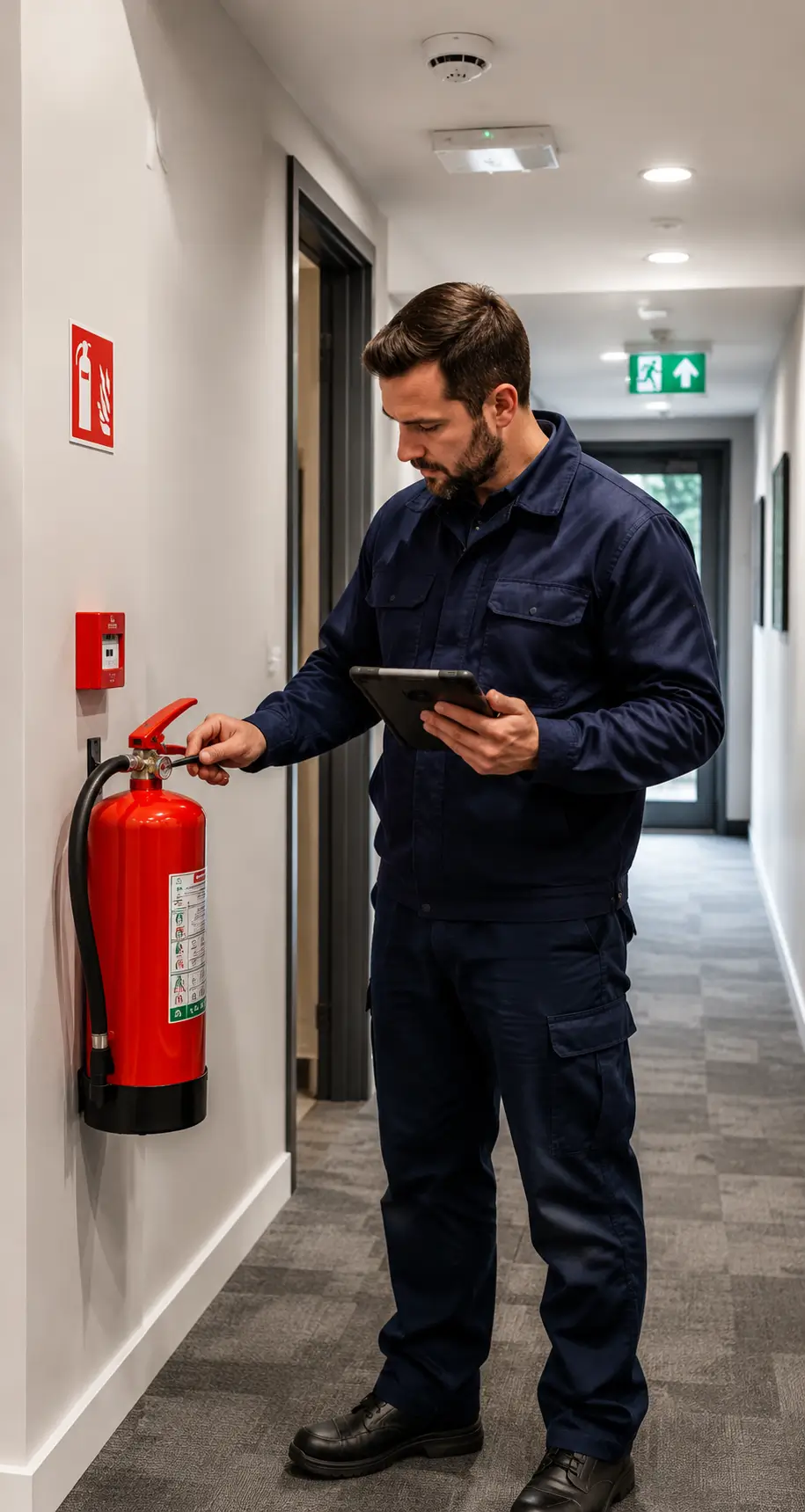
The assessment scope depends on the premises, but a fire risk assessment may review physical fire precautions, management arrangements, evacuation procedures and available documentation. Some items may be limited by access, property type, building complexity or agreed assessor scope.

What Should a Fire Risk Assessment Check Cover 02
What Should a Fire Risk Assessment Check Cover
Product Image 10
Who Can Legally Carry Out a Fire Risk Assessment
Product Image 10
COMPETENCE REQUIREMENTS

Who Can Legally Carry Out a Fire Risk Assessment?

The responsible person may carry out a fire risk assessment themselves if they have the competence, time and understanding needed for the premises. If they do not, they should appoint a competent person to assist. More complex buildings, sleeping accommodation, high-risk premises or multi-occupied residential buildings may require a more experienced fire risk assessor.

At present, the responsible person can undertake their own fire risk assessment or appoint a fire risk assessor to assist. The government has also consulted on introducing mandatory certification for fire risk assessors, so accreditation wording should be kept accurate and current.

A professional fire risk assessment can help identify significant findings and recommended actions. It does not guarantee that the building is fully compliant, risk-free or accepted by every enforcing authority or insurer.

Structured Record Keeping

Findings should be recorded clearly, including the premises, assessment date, assessor details, significant findings and recommended actions where applicable.

BOOK NOW
Linked Hazard Review

Findings should connect hazards, people at risk and existing fire precautions so the responsible person can understand what action may be needed.

BOOK NOW
Recommended Action List

Recommended actions can be listed with priorities, notes and suggested timescales where appropriate. The responsible person remains responsible for reviewing and completing actions.

BOOK NOW
Supporting Evidence

Maintenance logs, test records, photos and previous reports may support the assessment where available. Records should be stored so they can be reviewed when needed.

BOOK NOW
h1 sub title FIRE SAFETY RECORDS

How to Record Fire Risk Assessment Findings

Fire risk assessment findings should be recorded clearly, including significant hazards, people at risk, existing fire precautions, recommended actions, action priorities and review dates. Records should be easy for the responsible person, landlord or managing agent to understand and act on.

How to Record Fire Risk Assessment Findings

HSSE Solutions can support fire risk assessment bookings, reporting and recommended action guidance according to the agreed scope.

When Should You Review Your Fire Risk Assessment 01
h1 sub title REVIEW AND UPDATE

When Should You Review Your Fire Risk Assessment?

A fire risk assessment should be reviewed regularly and when significant changes occur. The report records findings at the time of assessment, but it should be updated when the premises, occupancy, building use or fire risks change.

A review helps check whether existing fire precautions, management arrangements and recommended actions remain suitable for the current use of the premises.

Significant Changes: review after layout changes, refurbishment, change of use, new tenants, new hazards or changes to fire safety systems.
Incident Response: review after a fire, near miss, enforcement concern, repeated false alarms or significant fire safety failure.
Scheduled Reviews: a planned review schedule can help check whether fire precautions and management arrangements remain suitable.
Maintenance and Drills: maintenance findings, fire drills, alarm issues or emergency lighting defects may indicate that the assessment should be reviewed.
Frequently Asked Questions 8
h1 sub title Fire Risk Assessment (FRA)

Frequently Asked Questions

HSSE Solutions displays guide pricing on this page. The final cost depends on property type, number of floors, layout, occupancy risk, communal areas, access, documentation, location and report scope. Complex buildings or buildings outside the listed pricing scope may require a tailored quotation.

Timescale depends on building size, layout, occupancy, access, documentation and risk level. Smaller premises or communal areas may take a shorter visit, while larger or more complex buildings may take longer and may require additional reporting time.

Enforcement action can vary depending on the breach, premises type and level of risk. Fire authorities may issue notices, require improvements or take further action where duties are not met. The fire risk assessment should be treated as part of ongoing fire safety management, not just a document.

Some insurers may request evidence of a fire risk assessment, fire precautions, maintenance records or action completion, especially for commercial or higher-risk premises. Insurance requirements vary, so customers should check their policy or speak to their insurer.

A remote or desktop review may be possible for limited advice in some situations, but it may not be suitable for a full fire risk assessment where on-site conditions, escape routes, fire doors, alarms, emergency lighting, occupancy and management arrangements need to be verified. The correct method should be confirmed before booking.

Fire safety duties can apply to the common parts of multi-occupied residential buildings. The responsible person is usually the landlord, freeholder or managing agent for shared or common areas.

No. A fire risk assessment is a structured review of hazards, people at risk, fire precautions and recommended actions. A fire safety certificate is a different document or service and should only be described where it genuinely applies.

icon 1

Important Service Information

Please note: Fire risk assessment services are quoted based on property type, number of floors, layout, communal areas, occupancy risk, building use, access, documentation, location and agreed scope.

A fire risk assessment records findings at the time of assessment. It does not guarantee that the property is risk-free, fully compliant forever, free from enforcement risk or automatically accepted by insurers, landlords, tenants, managing agents or authorities.

Remedial works, fire alarm testing, emergency lighting testing, fire door works, fire extinguisher servicing, evacuation plans, staff training, re-attendance, access limitations, parking or congestion charges should be confirmed separately where required.

Our Accreditations

Accreditations & Memberships

HSSE Solutions only displays memberships, registrations or accreditations that are active, relevant and verifiable for the services shown. Where a service involves funding, energy efficiency or environmental claims, we aim to present information clearly and responsibly in line with UK advertising and consumer protection guidance.

©2024-2026 HSSE Solutions | Registered in England & Wales | VAT Number: 491324492  | Company Number: 15749518

Get a Free Quote → 📞 02081785892
TrustMark Endorsed