
h4 shape 1
h4 shape 2
RESIDENTIAL EPC CERTIFICATE SERVICES

Residential EPC Certificate Services.

A residential EPC certificate records the energy performance rating of a house, flat or domestic rental property from A to G. HSSE Solutions can support residential EPC bookings for landlords, homeowners, sellers and letting agents, with the final rating depending on property type, construction, insulation, heating, lighting, evidence available, assessor findings and the lodged EPC result.

Banner 19
h1 sub title Pricing List

Residential EPC Certificate Pricing

Studio or 1-Bed Flat

£ 99
99
excl. VAT
  • Domestic EPC assessment where property scope matches this package
  • Assessment arranged through a suitable accredited domestic energy assessor
  • EPC lodged where required after assessment
  • Scope confirmed before booking

2–3 Bedroom Property

£ 109
99
excl. VAT
  • Domestic EPC assessment where property scope matches this package
  • Assessment arranged through a suitable accredited domestic energy assessor
  • EPC lodged where required after assessment
  • Scope confirmed before booking

4–5 Bedroom Property

£ 129
99
excl. VAT
  • Domestic EPC assessment where property scope matches this package
  • Assessment arranged through a suitable accredited domestic energy assessor
  • EPC lodged where required after assessment
  • Scope confirmed before booking

Larger or Complex Properties

£ 139
99
excl. VAT
  • Domestic EPC assessment where property scope matches this package
  • Assessment arranged through a suitable accredited domestic energy assessor
  • EPC lodged where required after assessment
  • Scope confirmed before booking

Final price depends on property type, size, number of bedrooms, access, location, assessor availability, urgency, evidence provided, parking and whether re-attendance is required.

What Is an Energy Performance Certificate
h1 sub title ABOUT EPC CERTIFICATES

What Is a Residential EPC Certificate?

A residential Energy Performance Certificate, also known as an EPC, rates the energy performance of a domestic property from A to G. The EPC includes information about energy use, typical energy costs and recommendations that may improve the property’s rating.

The EPC is based on standard assessment methodology and assessor observations. It should not be treated as a guarantee of actual energy bills, comfort, carbon reduction, property value or future compliance.
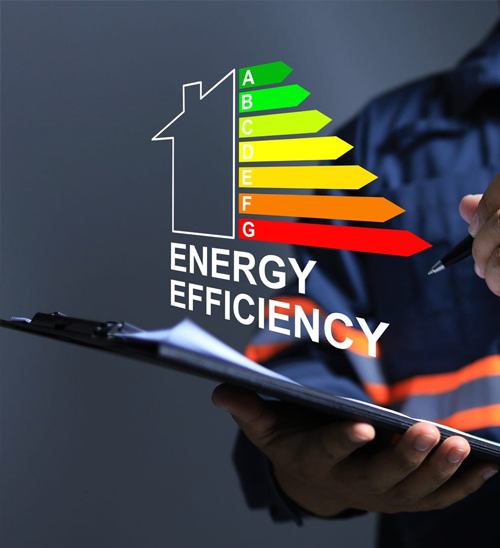

A residential EPC is produced after a domestic energy assessment. The assessor records relevant property details such as construction type, insulation, heating system, hot water, glazing, lighting and any suitable evidence for improvements already installed. The EPC provides a standardised energy performance rating and recommendations. It does not test gas safety, electrical safety, structural condition, appliance safety or carbon monoxide risk.

The certificate is presented in a standardised format so users can compare energy performance between properties. It can help owners, buyers, tenants and landlords understand the current EPC rating, potential rating and recommended improvements. Actual savings, comfort changes or rating improvements depend on the property, evidence, installed measures, energy tariffs and how the home is used.

For residential EPC certificate bookings, call 02081785892
EPC RATING SCALE

How the EPC Rating Scale Works

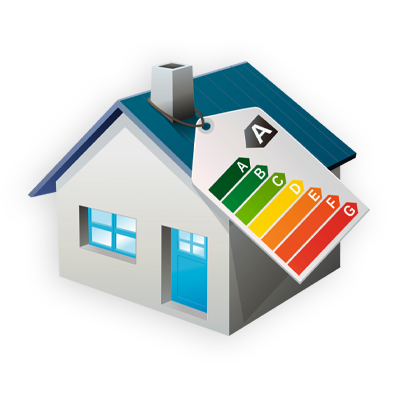
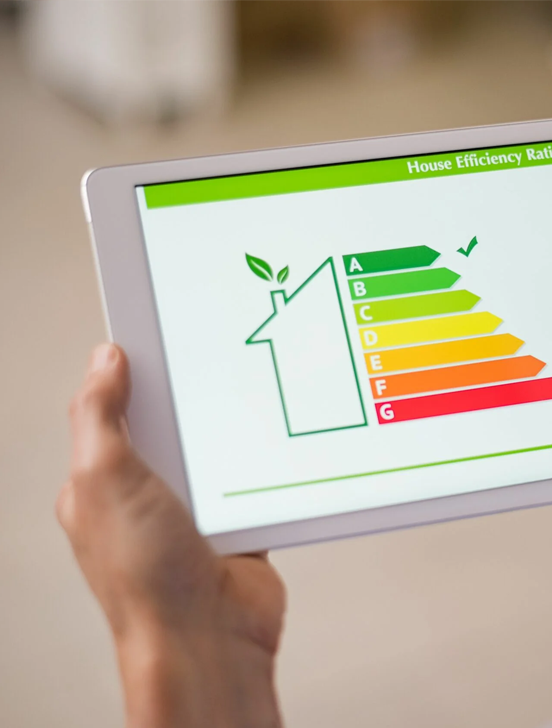
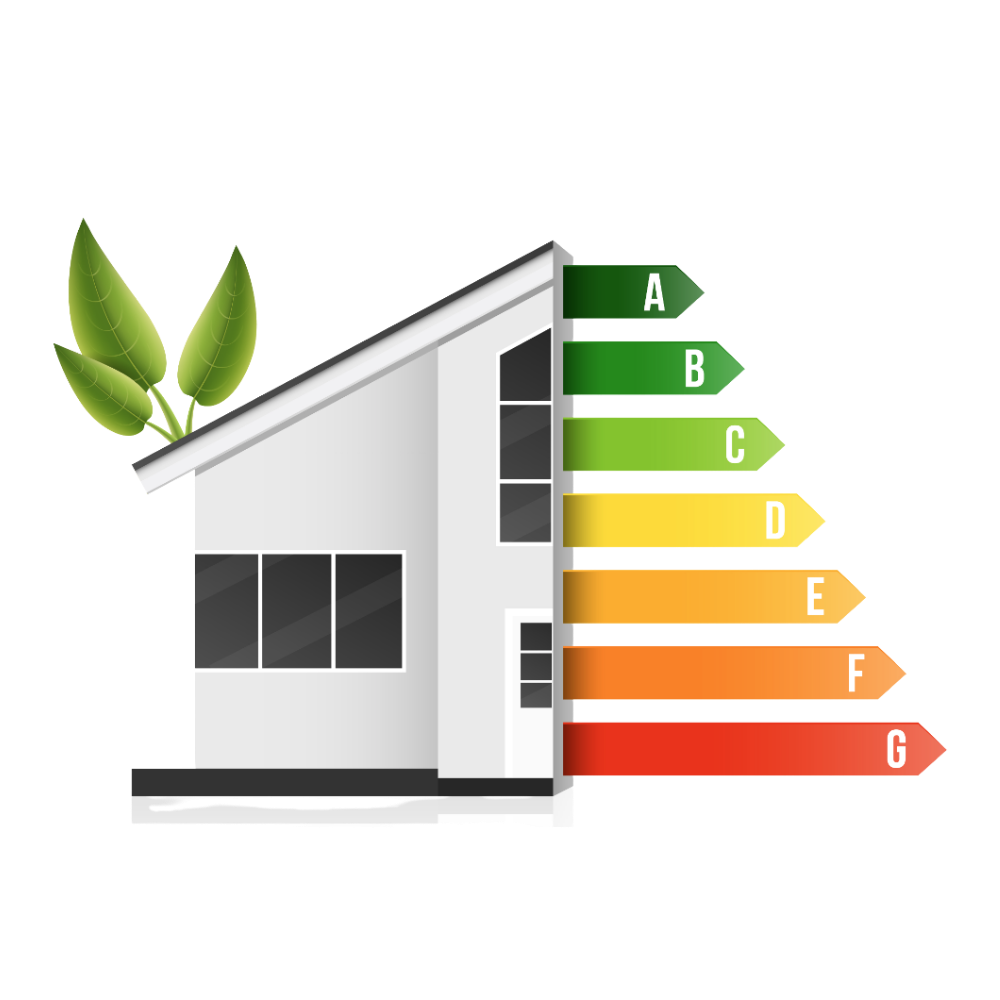
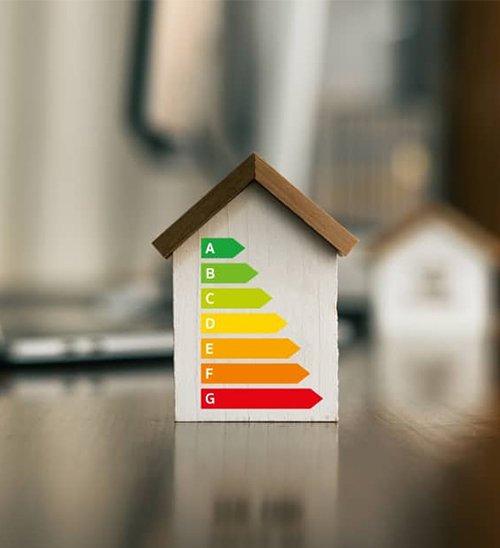
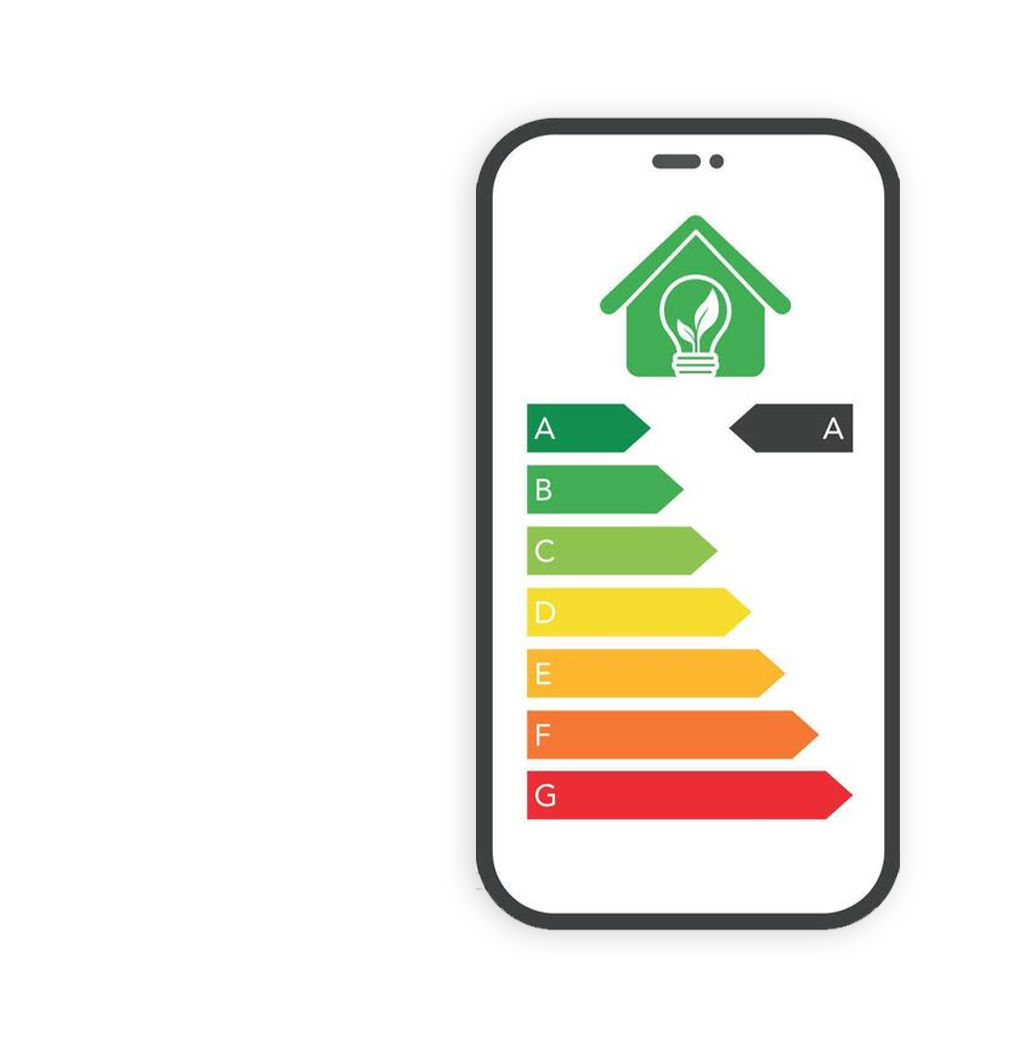
EPC ratings run from A to G, with A being the most energy efficient and G being the least energy efficient. The rating is based on the approved EPC assessment methodology and the property information recorded by the assessor.

A residential EPC normally shows the current rating, potential rating and recommended improvements. These recommendations may help the property owner understand possible upgrade options, but they do not guarantee lower bills, carbon reduction or a higher future rating unless the right measures are suitable, installed correctly and recognised within the EPC methodology.

Overall, EPC ratings provide a clear and standardised way to understand a property’s energy performance, making it easier for homeowners and landlords to compare efficiency and plan cost-effective improvements for better energy savings and reduced environmental impact.

How the EPC Rating Scale Works 02
How the EPC Rating Scale Works 01
Product Image 17
EPC ASSESSMENT PROCESS

How an EPC Assessment Works

A residential EPC assessment normally follows a structured process. The exact assessment route depends on the property type, access, evidence available, assessor requirements and the approved domestic EPC methodology.

13
PROPERTY DATA COLLECTION

The assessor records property details such as property type, age, size, layout and construction. Appointment length depends on property size, access, complexity and evidence available.

ICONS
FABRIC & INSULATION CHECK

The assessor records visible or evidenced information about walls, roof, floors, glazing, doors and insulation. Where suitable evidence is not available, standard assumptions may be used.

16
HEATING, HOT WATER AND LIGHTING REVIEW

The assessor records the main heating system, hot water system, heating controls, secondary heating, low-energy lighting and renewable technologies where present and relevant.

14
EPC CALCULATION AND LODGEMENT

Assessment data is entered into approved EPC software or methodology by the assessor. The EPC is lodged where required, and the final rating and recommendations are provided after completion.

STEP-BY-STEP PROCESS

When You Legally Need an EPC

A residential EPC is commonly required when a domestic property is built, sold or rented, unless an exemption applies. The exact requirement depends on property type, transaction, existing EPC status and current rules.

Initial Eligibility Review

Newly Built Homes

A residential EPC is normally required when a new domestic property is built and completed.

01
Property Assessment

Property Conversions

A new or updated EPC may be required where a property is converted or changed in a way that affects the assessment requirement.

02 1
Application Approval

Marketing for Sale

A valid EPC is normally needed when a domestic property is marketed for sale, unless an exemption applies.

03
Technical Review 1

Letting a Property

A valid EPC is normally needed when a domestic property is marketed for rent, unless an exemption applies.

04 2
Installation Where Approved 1

After Major Improvements

A new EPC may be useful after insulation, heating, glazing, solar PV or other recognised improvements, especially where an updated rating is needed for sale, letting, funding, finance or landlord records.

05
Handover Documentation 1

When the Existing EPC Has Expired

An EPC is normally valid for 10 years. A new EPC may be needed if the existing certificate has expired and the property is being sold or rented.

02 1 1
01
Initial Eligibility Review

Newly Built Homes

A residential EPC is normally required when a new domestic property is built and completed.

Property Assessment

Property Conversions

A new or updated EPC may be required where a property is converted or changed in a way that affects the assessment requirement.

02
03
Application Approval

Marketing for Sale

A valid EPC is normally needed when a domestic property is marketed for sale, unless an exemption applies.

Technical Review 1

Letting a Property

A valid EPC is normally needed when a domestic property is marketed for rent, unless an exemption applies.

04 1
05
Installation Where Approved 1

After Major Improvements

A new EPC may be useful after insulation, heating, glazing, solar PV or other recognised improvements, especially where an updated rating is needed for sale, letting, funding, finance or landlord records.

Handover Documentation 1

When the Existing EPC Has Expired

An EPC is normally valid for 10 years. A new EPC may be needed if the existing certificate has expired and the property is being sold or rented.

02 1 1
EPC REQUIREMENTS

EPC Rules for Landlords, Sellers and Tenants

Landlords must guarantee a valid EPC exists before marketing a rental and provide a free copy to prospective tenants. In many jurisdictions, they must also meet a minimum rating before granting a new tenancy, or risk fireplace with

EPC Rules for Landlords Sellers and Tenants 02
EPC Rules for Landlords Sellers and Tenants 01
Product Image 17
Important Service Information

Important EPC Rating Limitation

The EPC rating is calculated using the approved assessment methodology and evidence available at the time of assessment. HSSE Solutions cannot guarantee a specific EPC rating, future rating improvement, actual energy bill reduction or MEES compliance before assessment and lodgement.

Using Your EPC Recommendations to Plan Upgrades and Cut Bills 02
Using Your EPC Recommendations to Plan Upgrades and Cut Bills 01
Product Image 17
EPC IMPROVEMENT GUIDANCE

Using EPC Recommendations to Plan Possible Improvements

EPC recommendations can help homeowners, landlords or buyers understand possible improvement options. Actual bill savings, rating changes, comfort improvements, carbon impact and payback depend on property condition, suitability, installation quality, energy tariffs and how the home is used.

Building Fabric Review

The assessor records relevant details about walls, roof, floors, glazing and insulation where visible or supported by acceptable evidence.

BOOK NOW
Heating and Hot Water Details

The assessor records the main heating system, hot water system, controls and related features needed for the EPC calculation.

BOOK NOW
Lighting and Ventilation Details

Low-energy lighting and relevant ventilation details may be recorded where required by the EPC methodology.

BOOK NOW
Windows and Glazing Details

The assessor records glazing type, age or evidence where available. Rating impact depends on the approved EPC methodology and the full property assessment.

BOOK NOW
h1 sub title ASSESSMENT PROCESS

How We Conduct Residential EPC Assessments

A residential EPC assessment records the property information needed to calculate and lodge an EPC rating. HSSE Solutions can support EPC bookings through suitable accredited domestic energy assessors, with the final rating depending on the property, evidence available, assessor findings and the approved methodology.

How We Conduct Energy Performance Assessments

“From booking to EPC lodgement, HSSE Solutions can support the assessment process according to the agreed scope.”

Finding Checking and Updating Your EPC 01
h1 sub title EPC Management

Finding, Checking and Updating Your EPC

How does a homeowner actually locate and verify an Energy Performance Certificate when one is needed for a sale, rental, or renovation decision? In most cases, they begin by searching the official national EPC register using the property address or unique report number.

Check Existing EPC: confirm the address, certificate date, expiry date and current rating on the official EPC register.
Review Property Changes: a new EPC may be useful after insulation, glazing, heating, lighting, solar PV or other recognised improvements.
Book an Updated Assessment: arrange a new EPC through a suitable accredited domestic energy assessor where a new rating is required.
h1 sub title EPC TYPES

Residential EPC vs Commercial EPC

Residential EPC

Residential EPC

A residential EPC applies to domestic properties such as houses, flats and residential rental properties. It is normally carried out by a domestic energy assessor using the relevant domestic EPC methodology.

Commercial EPC

Commercial EPC

A commercial EPC applies to non-domestic properties such as shops, offices, warehouses and business premises. It is normally carried out by an accredited non-domestic energy assessor using the relevant non-domestic EPC methodology.

This page is for residential EPC certificates. For offices, shops, warehouses or other business premises, use the Commercial EPC Certificate service.

What Can Affect Your EPC Rating 02
What Can Affect Your EPC Rating 01
Product Image 17
EPC RATING FACTORS

What Can Affect Your EPC Rating?

If evidence is not available for certain improvements, the assessor may need to use standard assumptions. This can affect the final EPC rating.

Frequently Asked Questions Picture 5
h1 sub title Energy Performance Certificate

Frequently Asked Questions

Some lenders may consider EPC ratings when offering certain mortgage or remortgage products, including green mortgage products. Availability, rates and lending criteria depend on the lender, property, applicant profile and current mortgage market. Customers should check directly with their lender or broker.

If you believe an EPC contains an error, first review the certificate details, address, property information and evidence used. You may contact the assessor or accreditation scheme for the correct complaints or review process. The rating can only be changed where the approved process supports a correction or new assessment.

An EPC assesses energy performance using approved methodology. It is not a structural survey, condition survey, damp survey, valuation, gas safety check, electrical safety check or retrofit assessment. Separate inspections may be needed for those purposes.

Some energy efficiency schemes may use EPC rating, property type, income, tenure, heating system, council tax band or other eligibility checks. An EPC does not guarantee funding approval. Scheme rules, survey findings and eligibility criteria must be checked separately.

Residential EPCs apply to domestic properties such as houses and flats and are usually carried out by domestic energy assessors. Commercial EPCs apply to non-domestic premises such as shops, offices and warehouses and usually require a non-domestic energy assessor. The correct EPC type depends on property use and transaction type.

A residential EPC is normally valid for 10 years unless a newer EPC is produced and lodged for the same property. A new EPC may be needed if the current certificate has expired or an updated rating is required.

No. The final EPC rating depends on the property, evidence available, approved methodology and assessor findings. HSSE Solutions cannot guarantee a specific EPC band before assessment and lodgement.

No. EPC recommendations may indicate possible improvements, but actual bills depend on property condition, installed measures, energy tariffs, occupancy, heating use, ventilation and occupant behaviour.

icon 1

Important Service Information

Please note: Residential EPC services are quoted based on property type, size, number of bedrooms, location, access, assessor availability, urgency, evidence provided, parking and agreed scope.

A residential EPC records the energy performance rating calculated through the approved assessment methodology at the time of assessment. It does not guarantee actual energy bills, future running ty value, sale price, rental value, carbon reduction or future compliance.

Further assessments, commercial EPCs, retrofit advice, improvement works, floor plans, evidence review, re-attendance, urgent appointments, parking, congestion charges or additional reporting requirements should be confirmed separately where required.

Our Accreditations

Accreditations & Memberships

HSSE Solutions only displays memberships, registrations or accreditations that are active, relevant and verifiable for the services shown. Where a service involves funding, energy efficiency or environmental claims, we aim to present information clearly and responsibly in line with UK advertising and consumer protection guidance.

©2024-2026 HSSE Solutions | Registered in England & Wales | VAT Number: 491324492  | Company Number: 15749518

Get a Free Quote → 📞 02081785892
TrustMark Endorsed