

 ABOUT PAT TESTING
What Is PAT Testing (Portable Appliance Testing)?
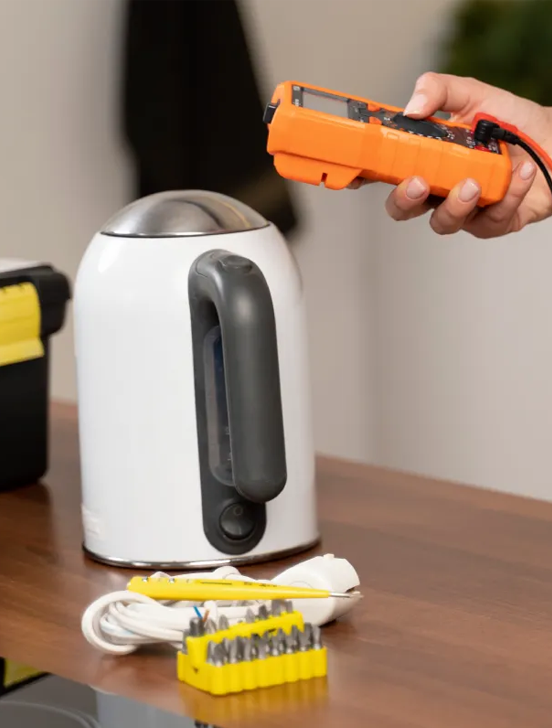
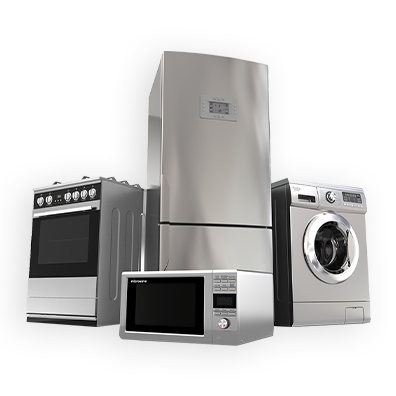
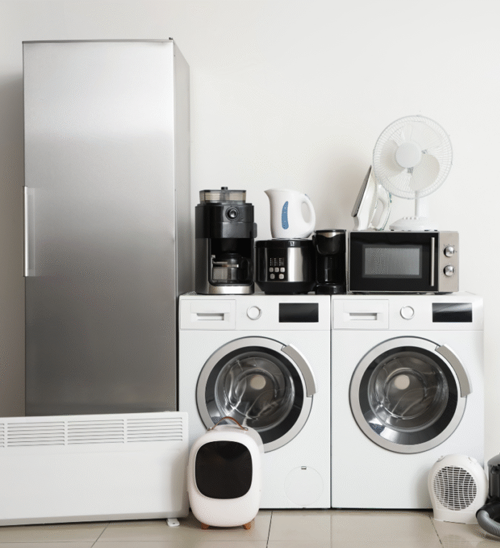
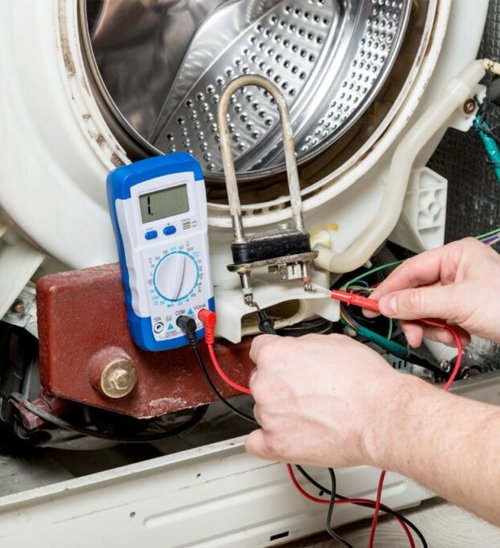
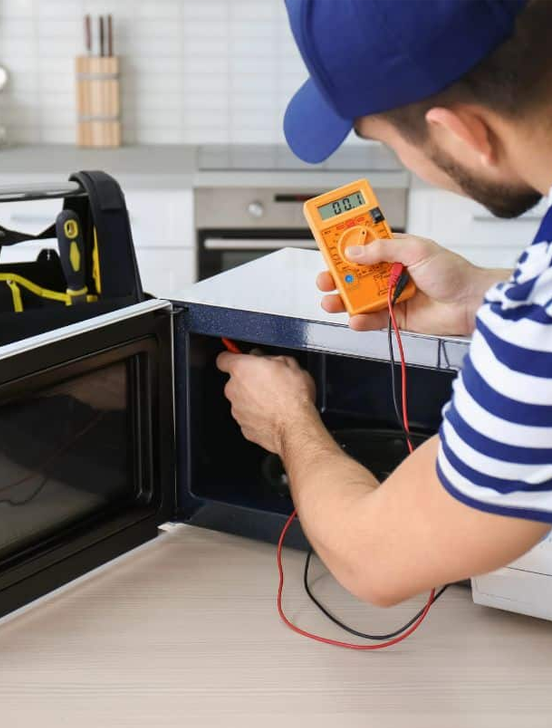
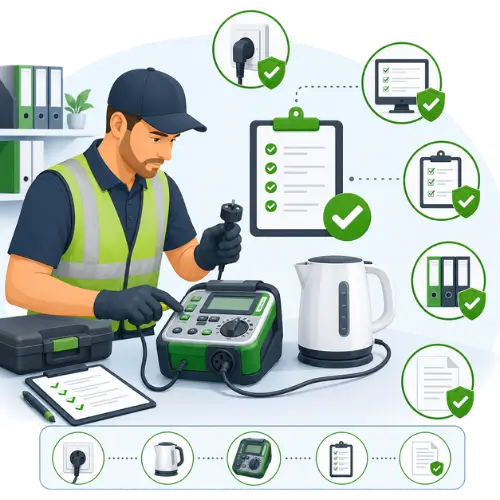
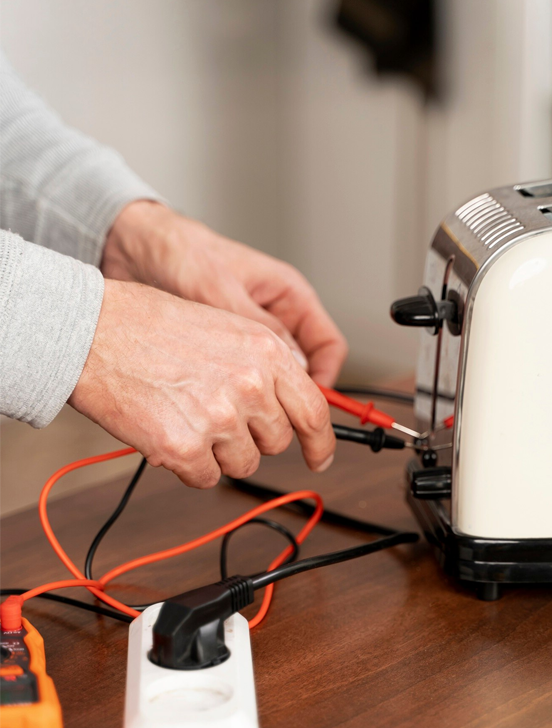
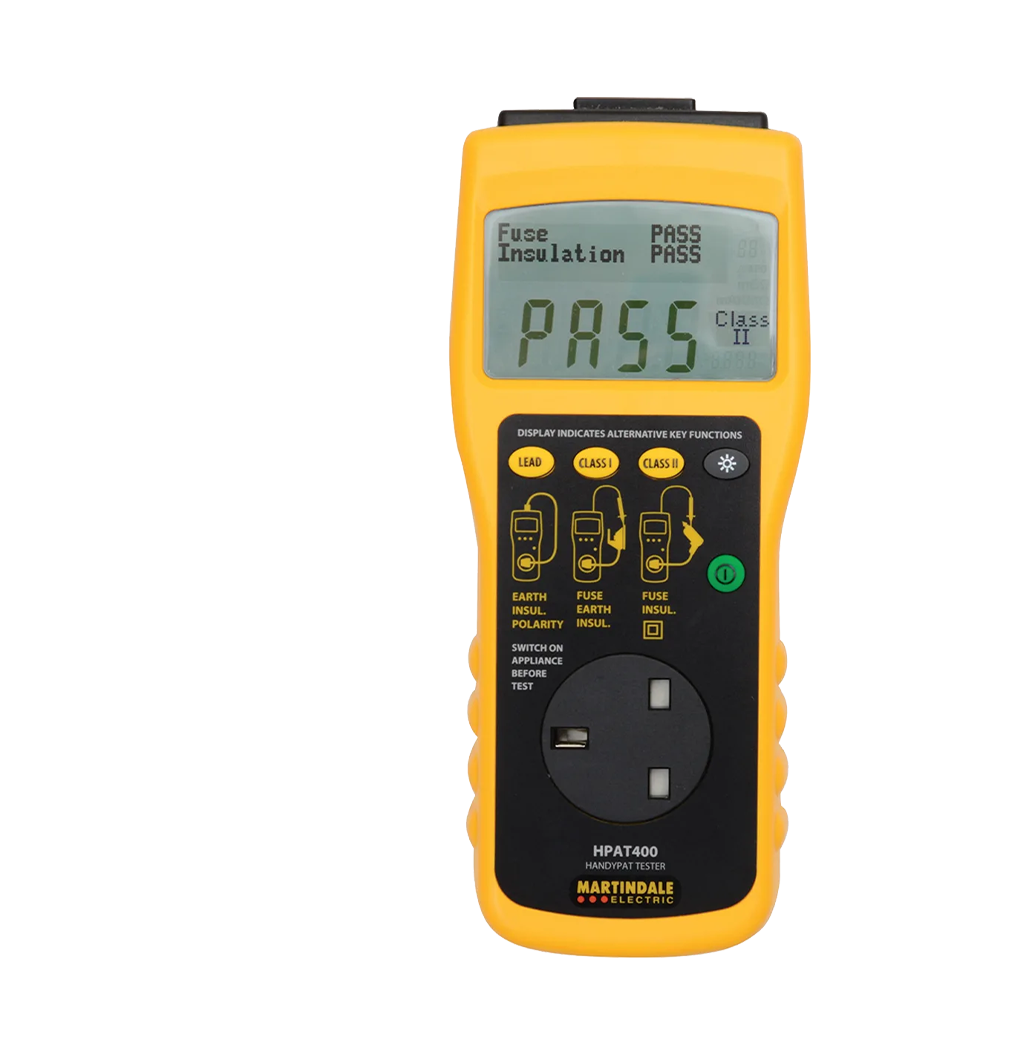
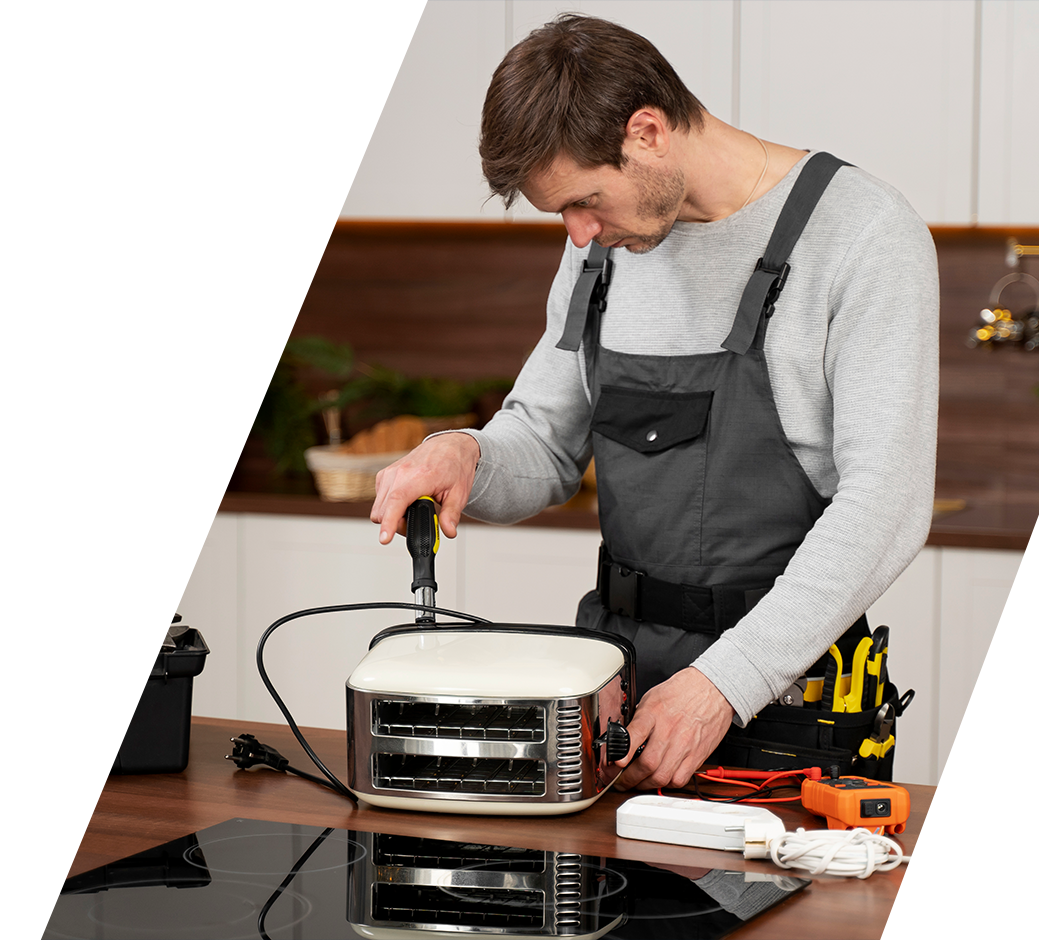
PAT testing, or portable appliance testing, is the process used to check whether plug-in electrical equipment appears safe for continued use at the time of inspection. It can apply to items such as kettles, monitors, extension leads, chargers, power tools, kitchen equipment, office equipment and appliances supplied in rental properties.
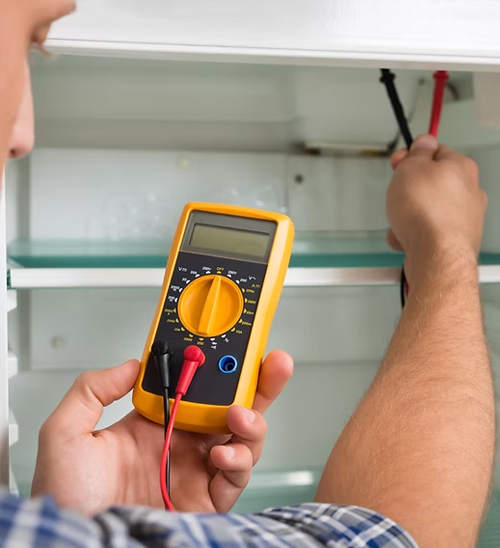
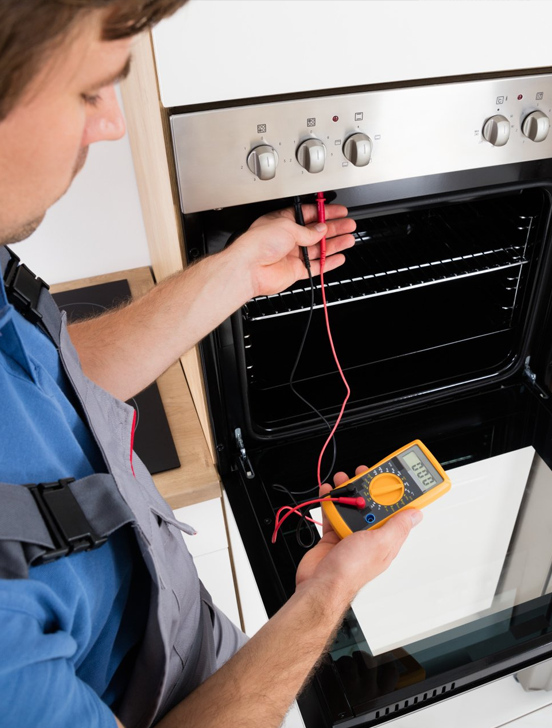
A typical PAT check may include a visual inspection for damaged plugs, loose wiring, cracked casings, scorch marks, strain on cables or other visible defects. Visual inspection is important because many electrical safety defects can be found without formal electrical testing. HSE specifically says most electrical safety defects can be found by visual examination, although some defects can only be found by testing.