h4 shape 1
h4 shape 2
Ensuring Energy Efficiency & Compliance

Air Tightness Testing.

Air tightness testing helps reduce energy costs by identifying leaks and improving property comfort. It ensures compliance with Part L of the Building Regulations and enhances energy performance. This service can also support improved marketability, help reduce carbon emissions, and may positively influence a property's appeal to buyers and tenants.

image 4

ATT

Untitled design
h1 sub title Target Audience

Who Is Air Tightness Testing For?

Air tightness testing is vital for landlords, homeowners, property agents, and businesses. It helps identify air leaks that cause energy loss and high utility costs.

For landlords, it boosts property value and tenant comfort, while homeowners may benefit from improved thermal comfort and reduced heating costs, though outcomes depend on the extent of air leakage identified and the remedial work carried out. Property agents use it to enhance energy efficiency for potential buyers, and businesses ensure compliance with building regulations and sustainability certifications, improving operational efficiency and employee well-being.

Air tightness testing measures uncontrolled air leakage through gaps in a building's fabric. By identifying where leaks occur, the test provides evidence to prioritise remedial work, which can help reduce heating costs, improve comfort, and support compliance with Part L of the Building Regulations. A detailed report is provided on completion, with findings applicable to both new build compliance and existing property retrofit planning.

For any inquiries call the 020 8178 5892
Service Breakdown

What's Included in Our Service?

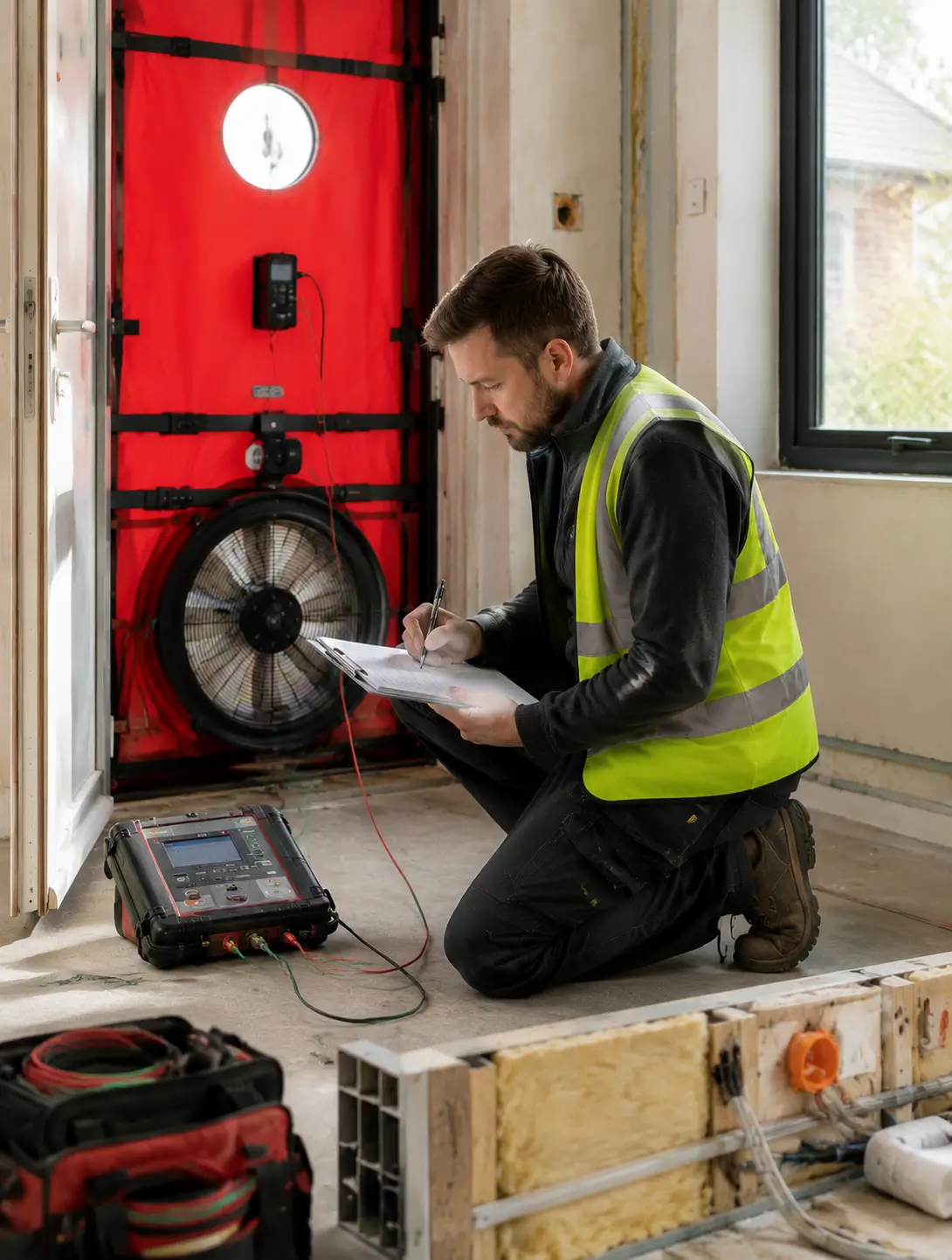
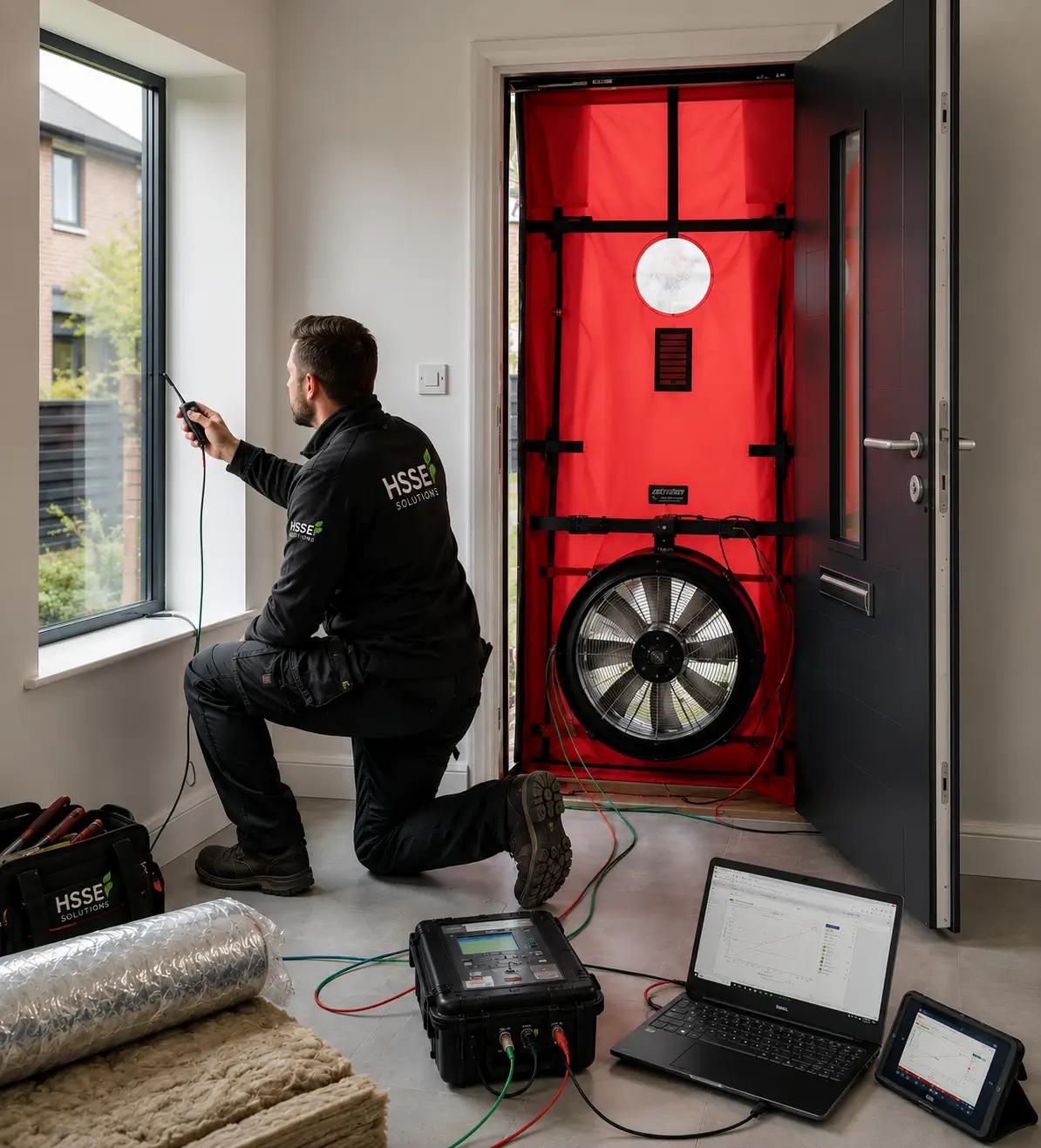
Our air tightness testing service is designed to help your property meet the relevant energy efficiency and compliance standards, including Part L of the Building Regulations. We use a comprehensive approach, starting with the blower door test, which helps identify air leakage by depressurizing the building. After the test, we analyze the sources and locations of leaks, providing targeted recommendations to improve thermal performance and reduce energy consumption. Our detailed report offers actionable insights to enhance comfort and reduce costs while ensuring compliance with Building Regulations, particularly Part L.

Key Benefits:

Our air tightness testing not only improves energy efficiency but also enhances comfort and ensures compliance with building regulations.

Untitled design 1
air tightness 01.jpg
air tightness

Benefits of Air Tightness Testing for UK Homes

Air tightness testing helps improve energy efficiency, comfort, and sustainability while reducing costs and environmental impact.

1
IMPROVED ENERGY EFFICIENCY AND LOWER COSTS

Air tightness testing identifies leaks that contribute to energy loss. Addressing these leaks can help reduce heating and cooling costs, though actual savings depend on the extent of the issues found and the remedial action taken.

2
ENHANCED COMFORT YEAR-ROUND

By identifying and sealing air leaks, air tightness testing can help improve temperature consistency throughout the year, contributing to a more comfortable living or working environment.

3
INCREASED PROPERTY VALUE

A well-sealed property with a strong air tightness result may be more attractive to buyers or tenants and can support a higher EPC rating, which may help with future sale or rental compliance requirements.
4
REDUCED ENVIRONMENTAL IMPACT

Improving air tightness reduces energy waste and can help lower your property's carbon emissions, supporting the UK's energy efficiency and net-zero targets.

Step-by-Step

Our Air Tightness Testing Process

Understanding the legal framework surrounding air tightness testing sets the stage for a practical examination of how these tests are conducted. Our process is designed to help your property meet the relevant energy-efficiency and compliance requirements under current UK Building Regulations.

List
Site Assessment and Preparation

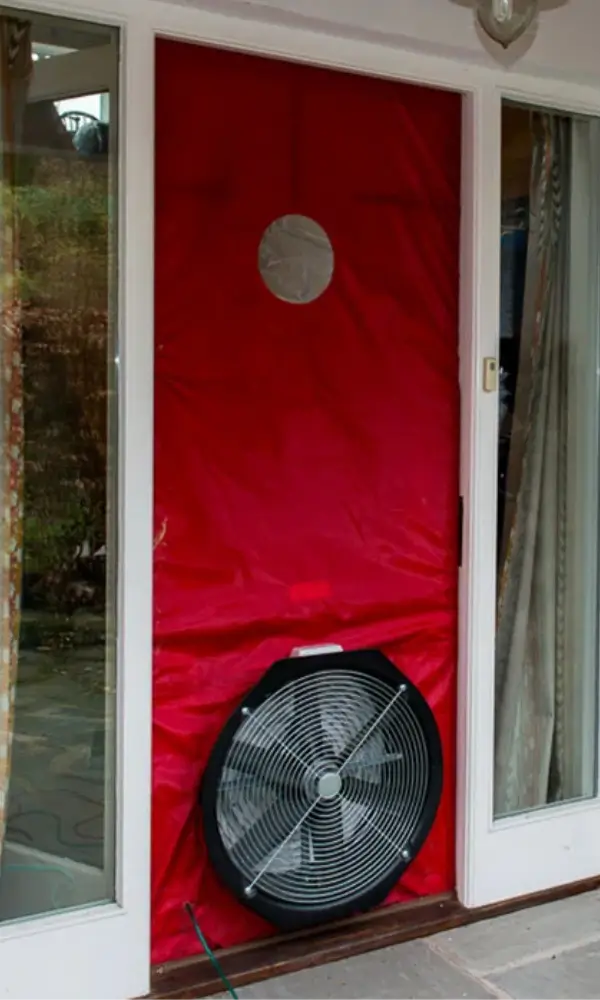
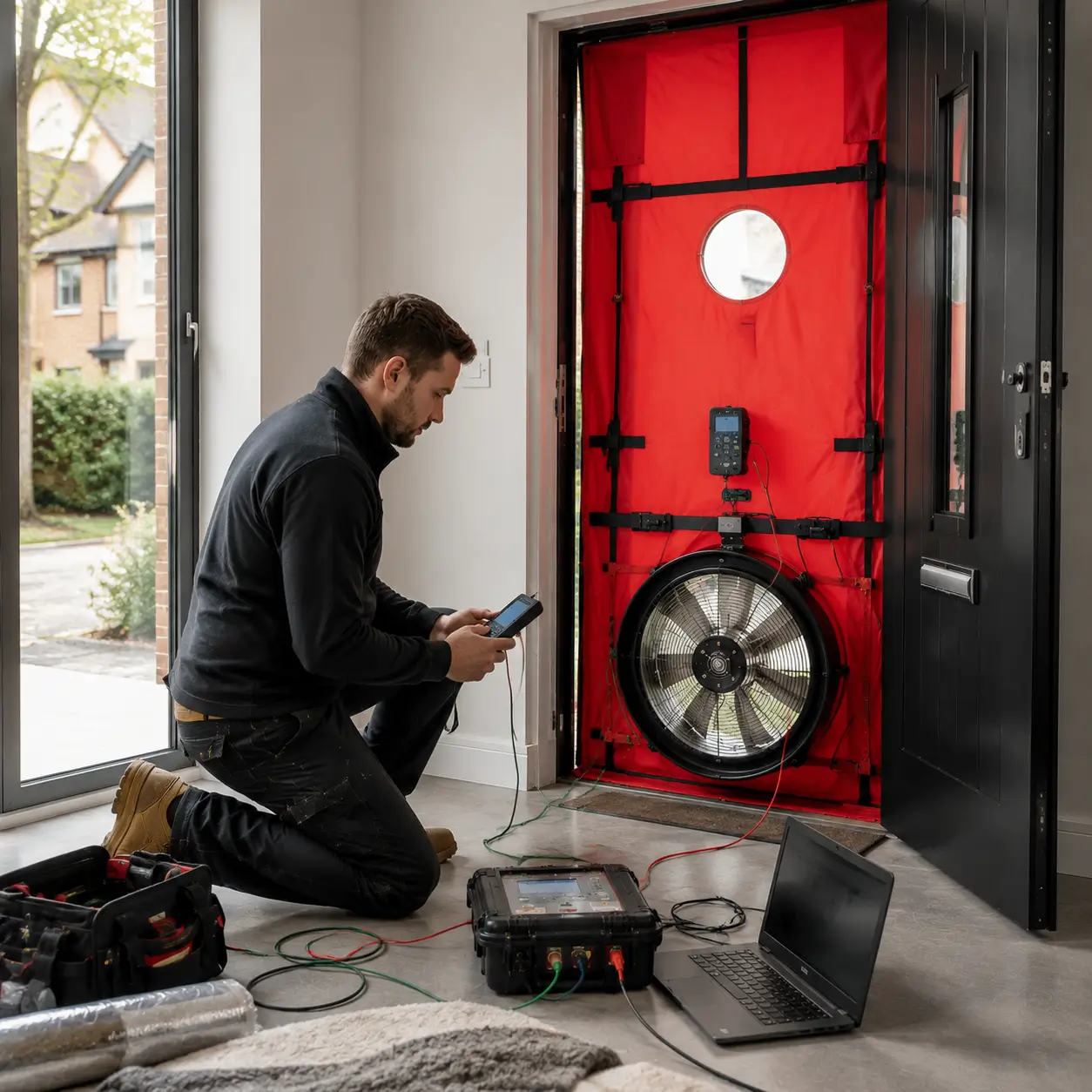
We begin with a comprehensive site assessment to identify any factors that could affect the testing process. Our team ensures all windows, doors, and vents are sealed, leaving one door open for the testing equipment. This ensures accurate results.

List
Fan and Equipment Setup

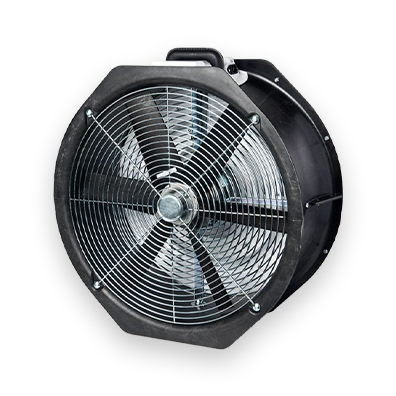
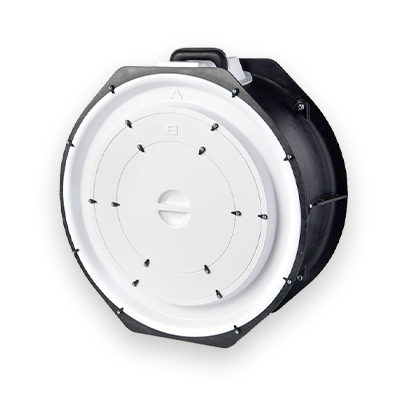
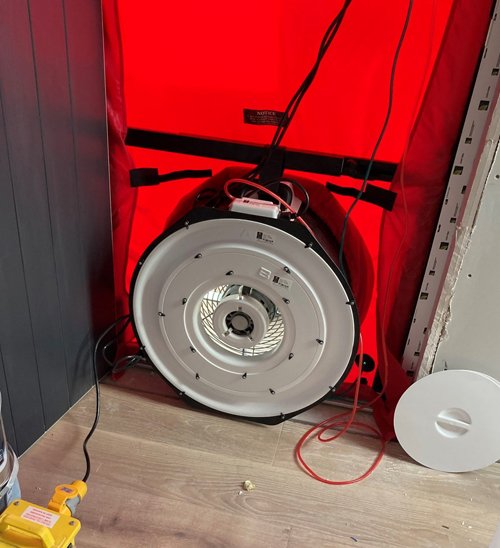
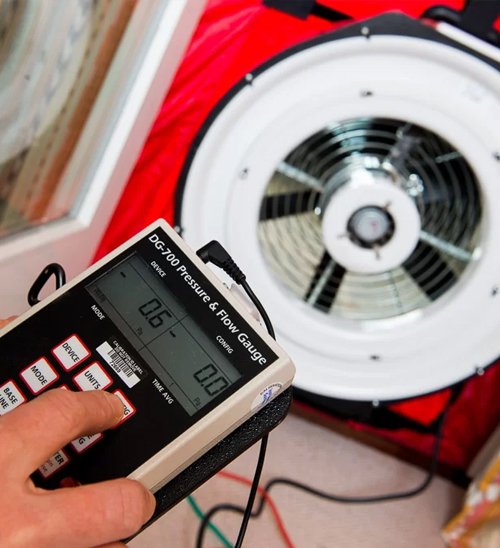
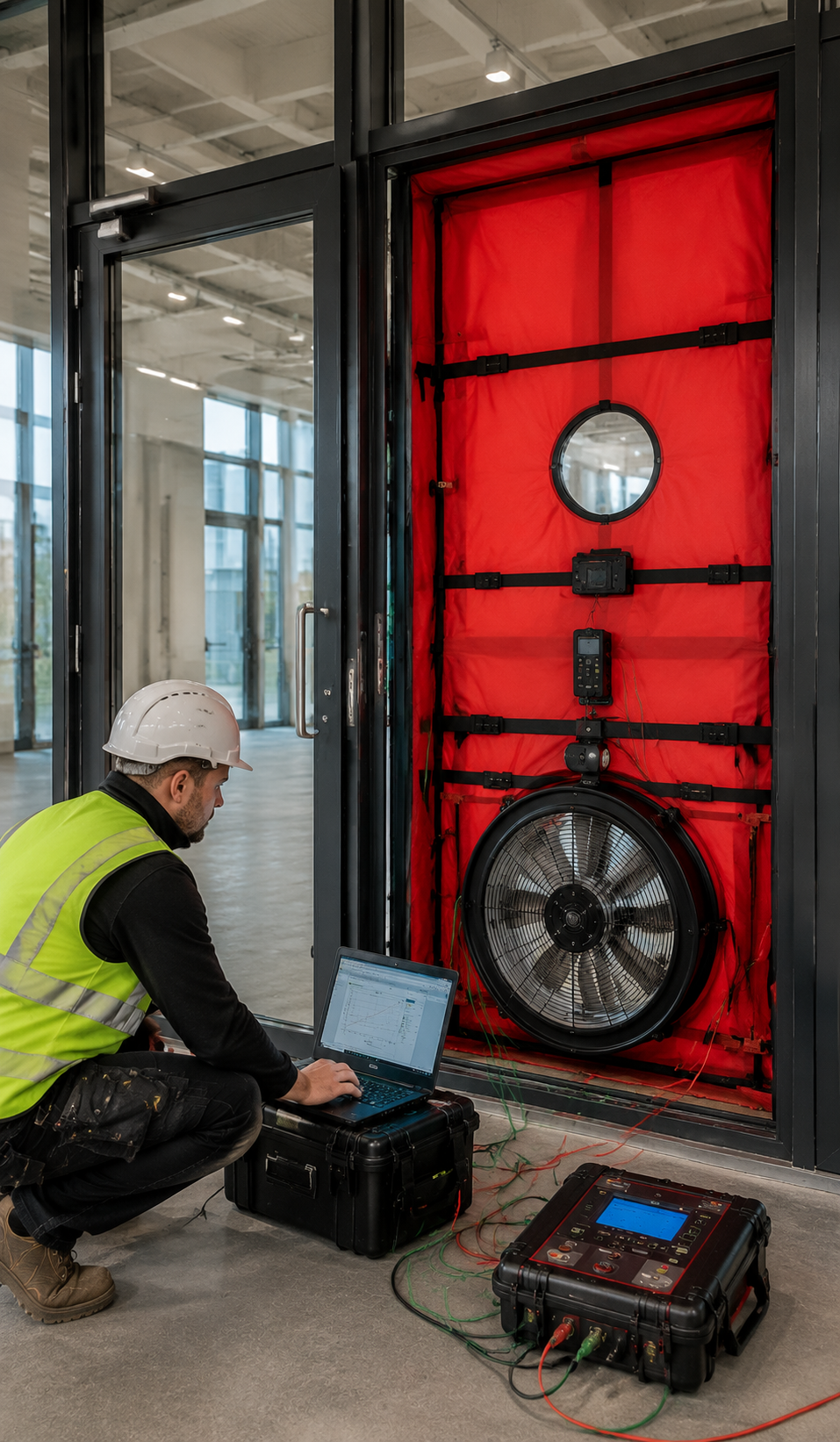
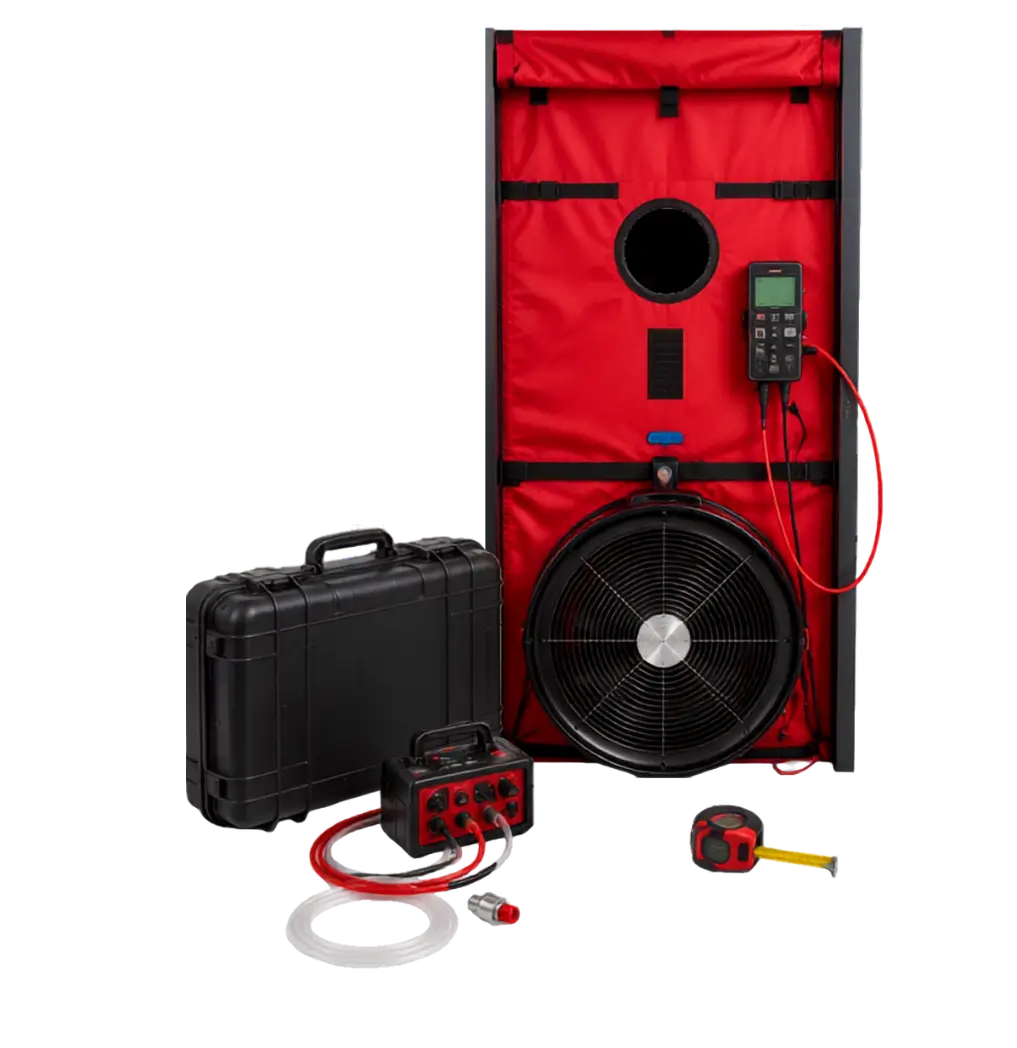
A calibrated fan is installed in the prepared doorway, connected to pressure gauges to measure the airflow when the building is pressurized or depressurized. Proper setup is crucial for an accurate and efficient test.

List
Conducting the Test

The building is pressurized or depressurized, and we monitor the pressure differences and airflow to measure the air permeability. This step helps identify how much air is leaking from the building.

List
Analyzing The Results

After the test, our experts analyze the data to assess the building's air-tightness level and identify leak points. We then provide targeted recommendations to seal gaps, improve energy efficiency, and enhance comfort.

This analysis identifies where air leakage occurs and provides a basis for prioritising remedial work to improve the building’s air permeability and energy performance.

Testing Challenges

Common Issues and Failures in Air Tightness Testing

Leaky doors, windows, and gaps in insulation are common issues that can significantly impact air tightness tests. Even minor gaps lead to air leakage, reducing energy efficiency. Improper insulation, especially in hard-to-reach areas like attics, also compromises the building's thermal integrity, leading to inefficiencies.


Inadequate sealing around vents and ducts is another frequent problem, as these penetrations allow air to escape. Construction flaws, such as thermal bridging or cracks in the structure, can further hinder air tightness. Addressing these issues early in construction helps ensure better performance and long-term energy efficiency.

Image 02
Image 01
air tightness 02
Image 2 1
Image 1 1
air tightness
Energy Benefits

Why Air Tightness Testing is Essential for Energy Efficiency

Air tightness testing improves energy efficiency by reducing heat loss and air leakage, helping maintain a consistent internal temperature. This can help lower heating and cooling demands, which may reduce energy bills and lower the building's carbon emissions over time, though results depend on the extent of improvements made.. It also enhances comfort by minimizing drafts and cold spots, especially in extreme weather conditions.

In addition, air tightness helps reduce noise from external sources, creating a quieter living or working environment. It supports compliance with energy regulations and can contribute to reduced carbon emissions. An improved air tightness result may also support a higher EPC rating, which can positively influence a property's appeal to buyers and tenants.

Cost Savings

How Air Tightness Testing Helps Landlords and Homeowners Save Money

For landlords and homeowners, air tightness testing can provide financial benefits by identifying areas of energy loss and supporting compliance with rental property regulations, including minimum EPC standards. Meeting these standards helps avoid legal penalties and positions properties as premium options in a competitive market. 

Air-tightness testing boosts a property’s market value by improving energy efficiency, making it more appealing to eco-conscious buyers and renters. Lower heating costs are a strong selling point, attracting budget-conscious tenants and reducing vacancies. Properties with improved energy efficiency may be more appealing to tenants, which can support occupancy levels, though the relationship between energy efficiency and tenant turnover depends on many factors.

Image 04
Untitled 1
air tightness 02
h1 sub title Efficiency & Compliance

Why Air Tightness Testing Matters for Commercial Properties

Air-tightness testing is a crucial aspect of commercial building management. In today's competitive business world, operational efficiency is key, and a building's physical integrity directly impacts this.

Key Benefits of Air Tightness Testing:

Identifies and seals air leaks to cut heating and cooling costs.
Ensures adherence to building energy and safety standards.
Creates a more consistent indoor temperature and air quality.
Helps reduce carbon footprint, supporting sustainability goals.

By improving air tightness, businesses can reduce energy waste and lower their building’s carbon emissions. The financial savings achieved will depend on the extent of leakage identified and the remedial measures implemented.

Untitled design 4
h1 sub title Air Tightness testing

Frequently Asked Questions

Air tightness testing should be conducted at key stages of construction and upon completion to guarantee compliance with building regulations. Regular testing is recommended for existing buildings to maintain energy efficiency standards.

Air tightness testing generally causes minimal disruption to business operations, as it can be scheduled during off-hours and is relatively quick, usually completed within a few hours, depending on the size of the property.

The ideal air-tightness score for a building typically varies with building regulations and specific energy-efficiency goals. Still, Generally, lower air permeability scores are considered more desirable for better energy performance. For new dwellings, Part L of the Building Regulations sets a maximum air permeability of 8 m3/h/m2 at 50 Pa, while higher-performance standards such as Passivhaus require significantly lower levels. The target for your specific project will depend on the building type and applicable regulations.

Yes, seasonal considerations apply to air-tightness testing. Ideal conditions are often during mild weather to avoid skewed results from extreme temperatures or high winds, which can affect the accuracy of the testing process.

Typically, air tightness test results are available within a few days of the assessment, ensuring clients can receive feedback promptly and implement necessary measures to enhance building energy efficiency and regulatory compliance.

Our Accreditations

Accreditations & Memberships

HSSE Solutions only displays memberships, registrations or accreditations that are active, relevant and verifiable for the services shown. Where a service involves funding, energy efficiency or environmental claims, we aim to present information clearly and responsibly in line with UK advertising and consumer protection guidance.