h4 shape 1
h4 shape 2
Water Safety Audit

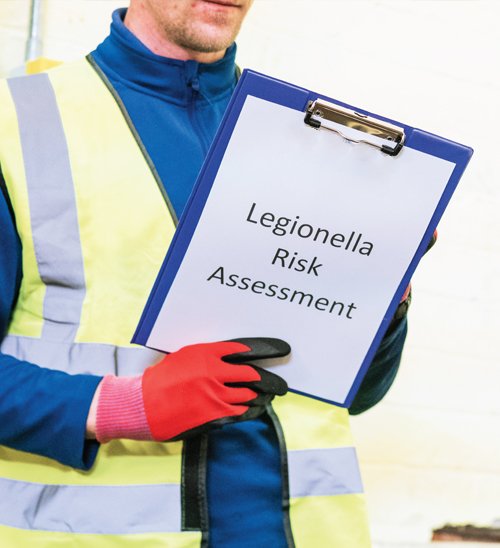
Legionella Risk Assessment.

Air tightness testing helps reduce energy costs by identifying leaks and improving property comfort. It ensures compliance with Part L of the Building Regulations and enhances energy performance. This service can also boost marketability, support sustainability, and increase property value.


PSI

LRA

h1 sub title Legionella Risk Importance

Why You Need a Legionella Risk Assessment

At HSSE Solutions, we understand that water systems in residential and commercial properties can create conditions where Legionella bacteria may grow, especially in stored or stagnant water. This risk is higher in systems such as tanks, pipework, showers, and hot and cold water outlets.

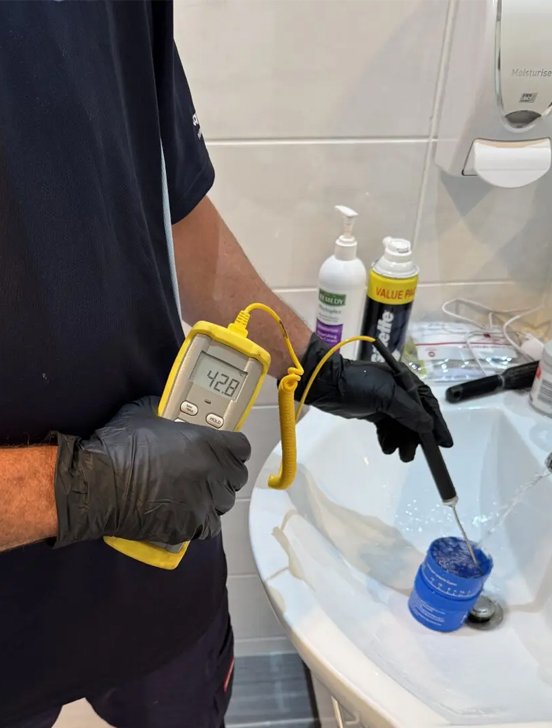
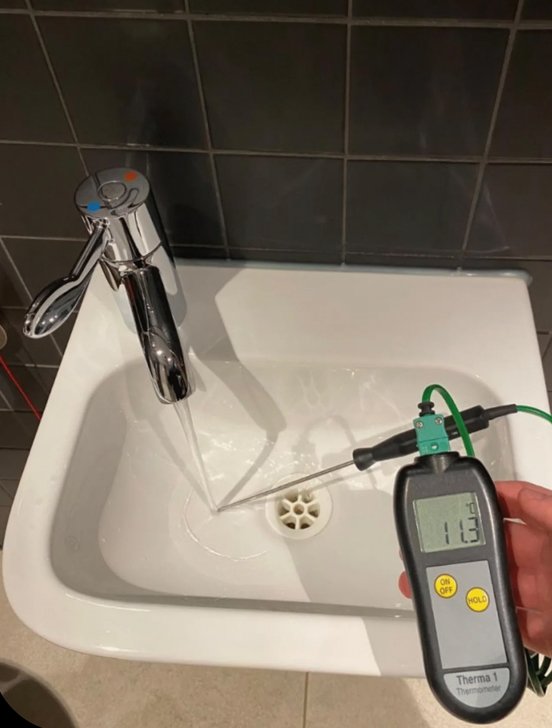
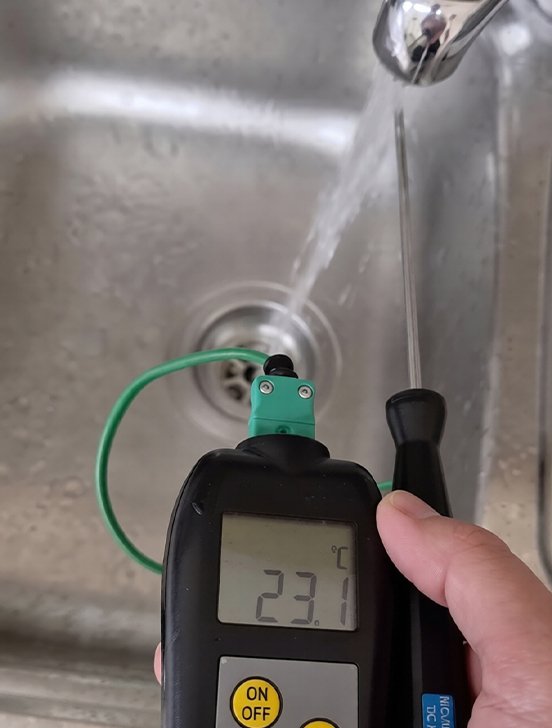
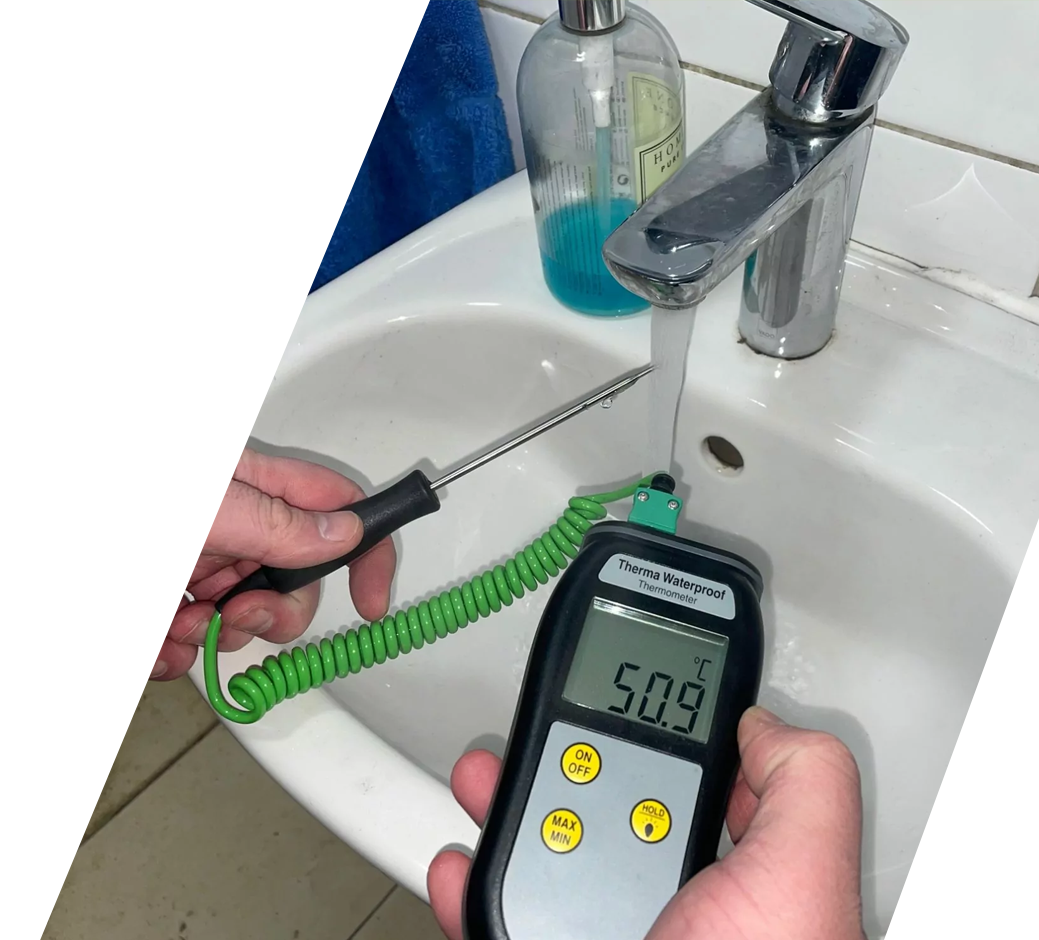
A Legionella Risk Assessment helps identify potential risks within your water system and ensures appropriate control measures are in place. It evaluates water temperature, storage conditions, and system design to reduce the risk of bacterial growth.

Our assessment provides a clear report with practical recommendations to help landlords, property managers, and businesses stay compliant, protect occupants, and maintain safe water systems.

Legionella Risk Assessment

£ 299
99
excl. VAT
  • Legionella Risk Assessment London from £300
  • Price varies by property size and survey type
  • Access and sampling may affect final cost
Why Landlords Must Prioritize Legionella Risk Assessments 01
h1 sub title Landlord Legal Protection

Why Landlords Must Prioritize Legionella Risk Assessments

Because stagnant or poorly maintained water systems can quickly become hazardous, landlords should treat legionella risk assessment as a core part of property management rather than a box-ticking exercise.

Legionnaires’ disease can cause severe illness, and when it traces back to a rental property, the consequences fall on the owner: harmed tenants, reputational damage, legal exposure, and costly remediation.

Taking it seriously protects liberty on both sides of the lease. Tenants get the basic freedom to use showers and taps without hidden risk. Landlords keep the freedom to operate without surprise enforcement action, emergency shutdowns, or insurance disputes. A sensible assessment also supports smoother operations by revealing weaknesses early, before they turn into urgent callouts or void periods.

For any inquiries call the 020 8178 5892
Legionella Risk Gaps

The Most Overlooked Legionella Risk Assessment Issues

Even when a water system appears compliant on paper, Legionella risk assessments often miss the small, repeatable conditions that allow bacteria to persist between inspections. The most common gaps aren’t dramatic failures; they are quiet patterns that limit control while preserving the illusion of order.

Freedom-minded operators want systems that run reliably without constant crisis management. Finding these overlooked issues restores control, reduces surprise shutdowns, and keeps responsibility where it belongs: with measurable performance, not paperwork.

The Most Overlooked Legionella Risk Assessment Issues 02 2
The Most Overlooked Legionella Risk Assessment Issues 01 2
Png 2

Benefits of Legionella Risk Assessment

Legionella risk assessments help ensure the safety and health of building occupants by identifying and managing potential risks associated with water systems. These assessments are crucial for maintaining a safe environment while complying with health regulations.

IMPROVED HEALTH SAFETY
IMPROVED HEALTH & SAFETY

A Legionella risk assessment identifies and mitigates potential risks, ensuring that water systems are safe and compliant with regulations, reducing the chances of outbreaks.

IMPROVED HEALTH SAFETY 2
COMPLIANCE WITH REGULATIONS

Conducting a Legionella risk assessment helps you stay compliant with health and safety regulations, avoiding fines and penalties from non-compliance.

39
REDUCED LIABILITY RISKS

Regular assessments help reduce liability by preventing outbreaks of Legionnaires' disease, protecting both property owners and tenants from legal claims.

40
IMPROVED WATER SYSTEM

Demonstrating proactive health and safety measures can enhance the reputation of property owners and managers, fostering trust and attracting tenants or buyers.

Step-by-Step

Our Legionella Risk Assessment Process

Understanding the potential risks of Legionella bacteria in your water system is essential for health and safety. Our thorough process ensures your property remains safe and compliant with all necessary regulations.

List
Site Inspection & System Review

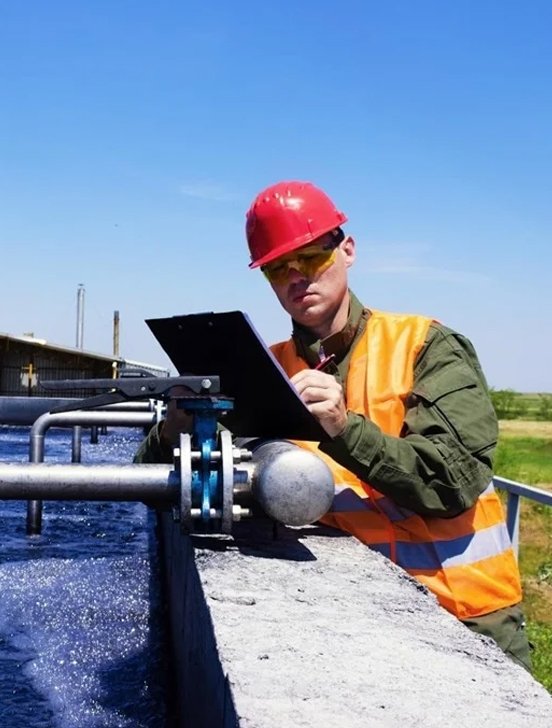
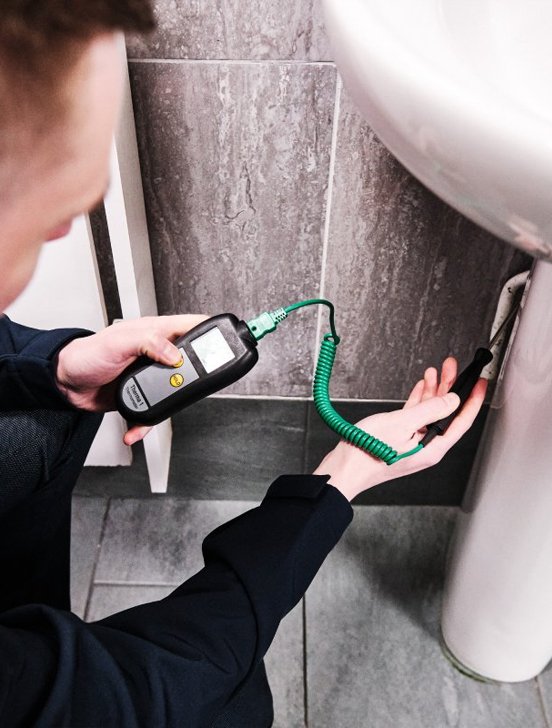
We begin by thoroughly inspecting the water systems in the property. This includes reviewing the plumbing, water tanks, and other related systems to identify potential risk areas for Legionella growth.

List
Risk Identification and Evaluation

Our experts assess the system for conditions that may favor Legionella development, such as water temperature, stagnation, and vulnerable areas where bacteria could thrive. This step ensures we can pinpoint high-risk zones.

List
Testing and Monitoring

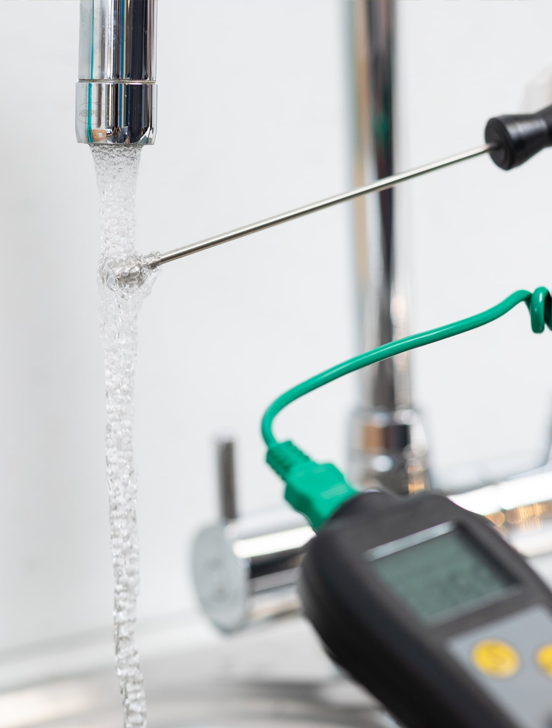
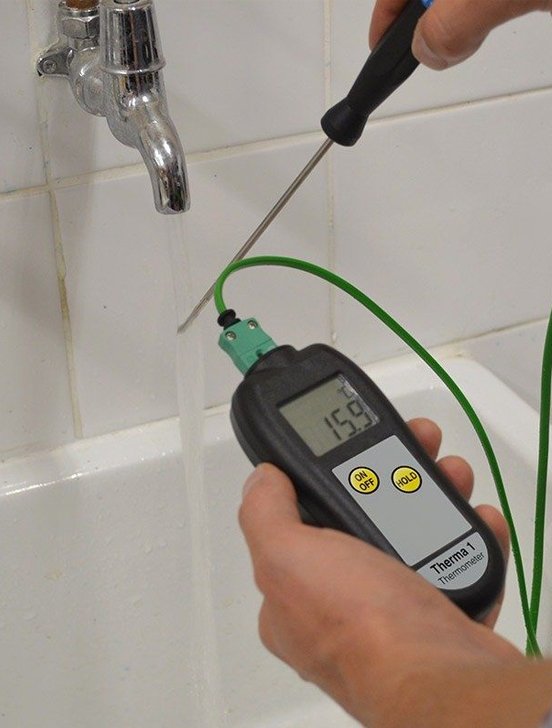
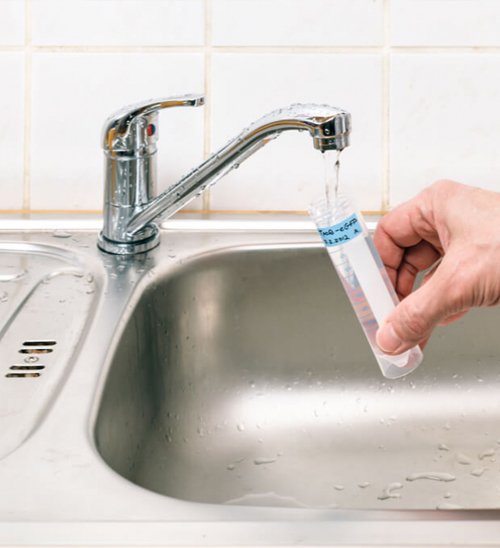
We carry out Legionella testing by taking water samples from different points within the system. Our team uses approved methods to test for the presence of the bacteria, ensuring a clear and accurate result.

List
Risk Management & Recommendations

Once the results are in, we provide a detailed report that includes risk management strategies. This will include recommendations for system adjustments, cleaning procedures, and maintenance practices to mitigate Legionella risks and comply with regulations.

This process ensures your water systems are safe, reducing the risk of Legionnaires’ disease while maintaining compliance with regulations.

Legionella Assessment Prep

Preparing for a Legionella Risk Assessment

How does a site move from hoping it will “pass” to knowing the water system can withstand scrutiny? It starts by taking control of the basics before an assessor arrives: mapping the water system, confirming where hot, cold, and mixed lines run, and identifying all outlets, tanks, heaters, and any little-used pipework.

Clear records reduce guesswork and prevent unnecessary disruption. Confidence comes from evidence. A site gathers recent temperature checks, flushing logs for infrequently used outlets, maintenance reports, and any remedial actions already completed.

It guarantees access to plant rooms, risers, and voids and labels key assets so findings are tied to real locations rather than vague descriptions. Staff are briefed on safe access, isolation points, and typical operating conditions, so no one feels cornered or coerced on the day.

The aim is simple: a system that runs safely, transparently, and on its own terms.

Preparing for a Legionella Risk Assessment 02
Preparing for a Legionella Risk Assessment 01
Png 2
Essential Legionella Risk Assessment Advice for Landlords 02
Essential Legionella Risk Assessment Advice for Landlords 01
Png 2
Landlord Legionella Tips

Essential Legionella Risk Assessment Advice for Landlords

Although landlords are not expected to become water hygiene specialists, they are expected to manage Legionella risk in any domestic water system they control. The goal is simple: keep residents safe while keeping property management flexible, proportionate, and free of needless disruption.

  • Keep water moving and temperatures sensible, avoid long periods of stagnation, flush infrequently used outlets, and maintain hot water hot and cold water cold where practicable.
  • Control scale, rust, and stored-water risks, descale showerheads, clean taps, and check tanks, lids, and insulation to ensure conditions do not favour bacterial growth.
  • Document actions and act on findings, record checks, maintenance, and any remedial work, then guarantee contractors are competent, and materials are suitable for potable systems.

  • Where higher-risk features exist, such as large storage, vulnerable occupants, or complex pipework, landlords should commission a suitable assessment and promptly schedule follow-up actions.

    Legionella Assessment Simplified

    Understanding Legionella Risk Assessment Without the Confusion

    While the term “Legionella risk assessment” may sound technical, it simply refers to a practical check of a property’s water system to identify where bacteria could grow and spread and to confirm the straightforward controls in place to prevent it.

    It focuses on everyday realities: stored water, low-use outlets, lukewarm temperatures, scale, and poor circulation. The assessor maps the system, noting tanks, heaters, pipe runs, showers, and seldom-used taps. They check whether the hot water heats up enough, the cold water stays cold, and the water is not left standing.

    They also look for simple, freedom-friendly fixes: flushing infrequently used outlets, setting sensible temperature targets, insulating pipes, cleaning showerheads, and keeping lids and screens secure. Results are recorded in plain actions, not jargon: what was found, what to change, who will do it, and when it will be reviewed.

    It is control without complication, and management without unnecessary intrusion.

    Understanding Legionella Risk Assessment Without the Confusion 02
    Understanding Legionella Risk Assessment Without the Confusion 01
    Png 2
    h1 sub title Legionella Risk Importance for Landlords

    What Makes a Legionella Risk Assessment Important for Landlords

    Why does a Legionella risk assessment matter to landlords? It protects tenants’ health while preserving a landlord’s freedom to manage property without nasty surprises. Legionella can grow in tanks, showers, and little-used outlets; if conditions line up, illness and liability follow. A clear assessment identifies where risk hides, what controls already work, and which simple fixes keep water safe.

    Landlords value independence, and a documented assessment supports this by showing that reasonable steps were taken to reduce disruptive emergencies. It also guides practical routines, temperature checks, flushing, and maintenance to ensure compliance does not become a burden.

    Spot stagnation, scale, and poor temperatures before they become a crisis.
    Evidence of due diligence helps prevent claims and enforcement action.
    Fewer outbreaks, fewer voids, fewer costly callouts, and greater tenant trust.

    A Legionella risk assessment helps landlords ensure tenant safety, comply with regulations, and avoid legal issues, while also protecting their property and reputation.

    Frequently Asked Questions Picture
    h1 sub title Legionella Risk Assessment

    Frequently Asked Questions

    A certificate typically remains valid until significant system changes occur or the stated review date arrives, often within 1–2 years. Many choose reassessment sooner to preserve control, limit risk, and protect independent decision-making rights. By keeping your home warmer for longer, your heating system doesn’t need to run as often, helping you cut both energy bills and carbon emissions.

    Yes, a reassessment is usually needed after installing a new boiler or water tank. Significant system changes can alter risk controls. Best practice is to review promptly, update records, and keep decision-making independent, proportionate, and lawful. Before starting, we conduct a full safety check, and after installation, we inspect the work and issue a certification confirming that your property meets insulation standards.

    Yes, they’re usually required where the host is a landlord or duty‑holder under health and safety law, especially with paid guests. Private owner‑occupied stays may differ, but managing water risks remains sensible. All products we install meet UK Building Regulations and energy efficiency standards, providing excellent thermal performance and durability.

    Tenants can request to see the report; while no automatic right always exists, landlords should share relevant findings for transparency and safety. Where requested, providing a copy or summary supports informed choice and accountability. We offer a free home survey to check your loft and recommend the best solution to improve your home’s warmth and efficiency.

    Penalties can include enforcement notices, prosecution, and significant fines, plus potential imprisonment if negligence harms others. Regulators may also restrict business activity. Freedom-minded operators protect choice by managing risks and documenting reasonable control measures.

    testimonial

    What Our Clients Say About Us

    t4 small 1
    t4 small 2
    t4 small 3
    t4 quote
    t4 big 1
    Great service from HSSE Solutions! They made the air tightness testing process quick and easy and guided me through every step. The team was professional and helpful throughout. Highly recommended!
    Sarah Thompson
    Birmingham
    t4 quote
    t4 big 2
    I was really impressed by how professional and efficient HSSE Solutions was. They managed the air tightness testing from start to finish and made sure everything was done properly. The whole process was smooth and well organised.
    David Patel
    Manchester
    t4 quote
    t4 big 3
    HSSE Solutions did an excellent job carrying out the air tightness testing for my property. The team explained everything clearly and managed the whole process smoothly. Very professional service!
    Michael Roberts
    Leeds
    our accreditation

    Approved by

    HSSE Solutions is recognized and accredited by reputable industry awarding bodies across the UK.

    Get a Free Quote → 📞 02081785892
    TrustMark Endorsed