h4 shape 1
h4 shape 2
SYSTEM DEPLOYMENT STANDARDS

Fire Alarm Installation (FAI).

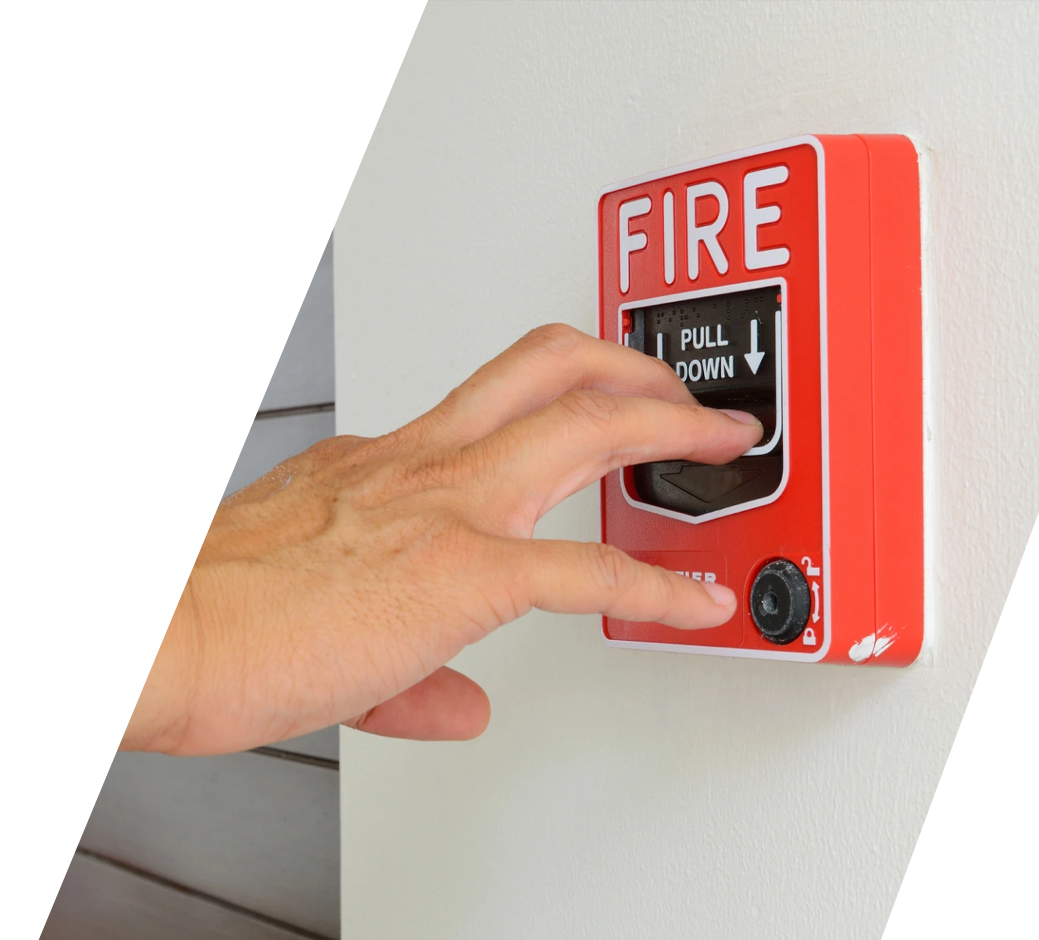
Fire alarm installation is a code-driven process that ensures early detection and rapid occupant notification.

Banner 14

FAI

h1 sub title CERTIFIED SAFETY SOLUTIONS

Fire Alarm Installation by HSSE Solutions

If you are seeking professional Fire Alarm Installation, you aren't just looking for information—you are looking for a partner that installs the right system correctly, explains technical requirements clearly, and prioritizes the protection of everyone on-site.

HSSE Solutions installs bespoke fire alarm systems for a wide range of properties, including:

  • Residential: Houses, flats, and rental properties.

  • Specialist Housing: HMOs and multi-occupancy buildings.

  • Commercial: Offices, retail shops, and industrial units.

  • Our goal is to provide a safety setup perfectly calibrated to your building’s layout, its occupants, and the specific level of risk involved.

    Fire Alarm Installation

    Accredited by IFSM
    £ 219
    99
    excl. VAT
    • IFSM Approved Contractor
    • Accordance with BS5389
    • Professional Installers
    • 10 Years Experience
    01
    h1 sub title INTEGRATED DETECTION SYSTEMS

    What’s Included in a Fire Alarm Installation?

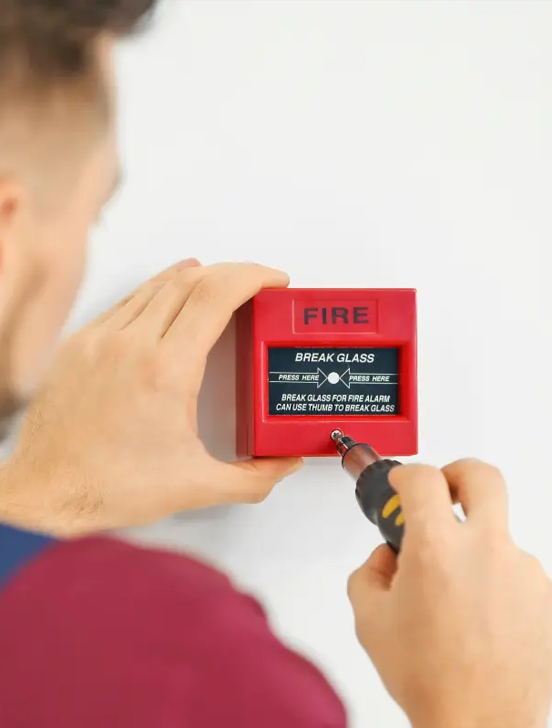
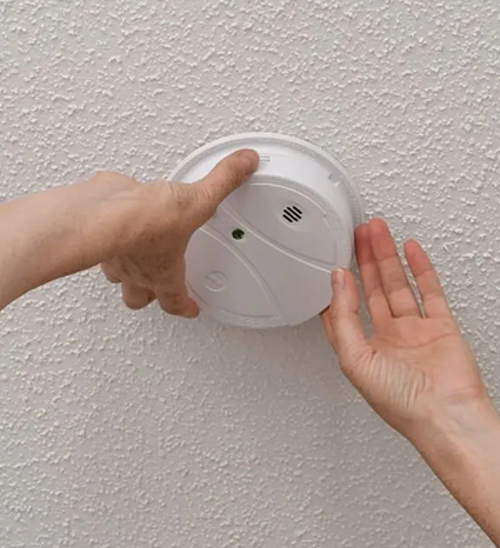
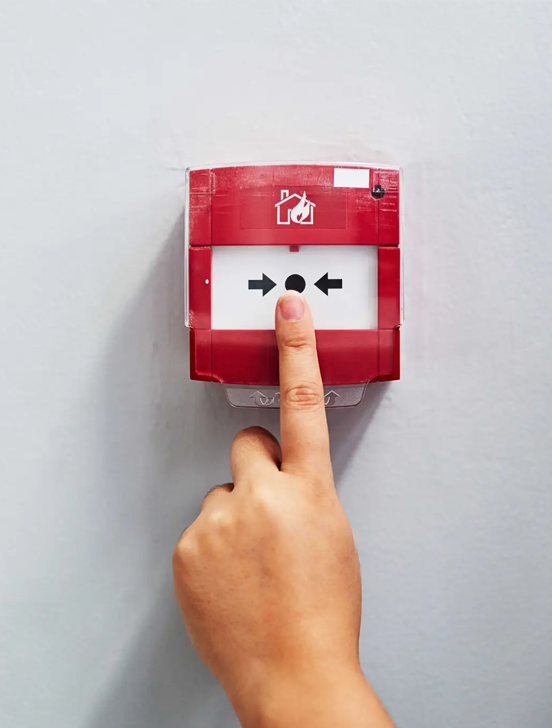
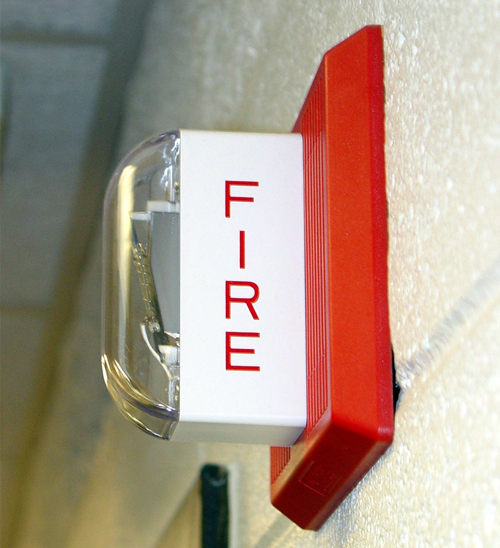
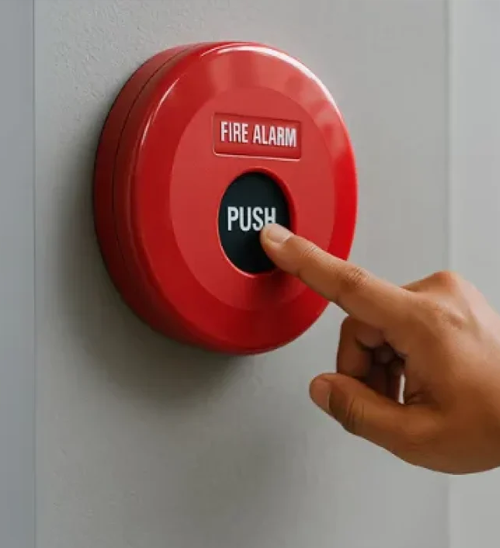
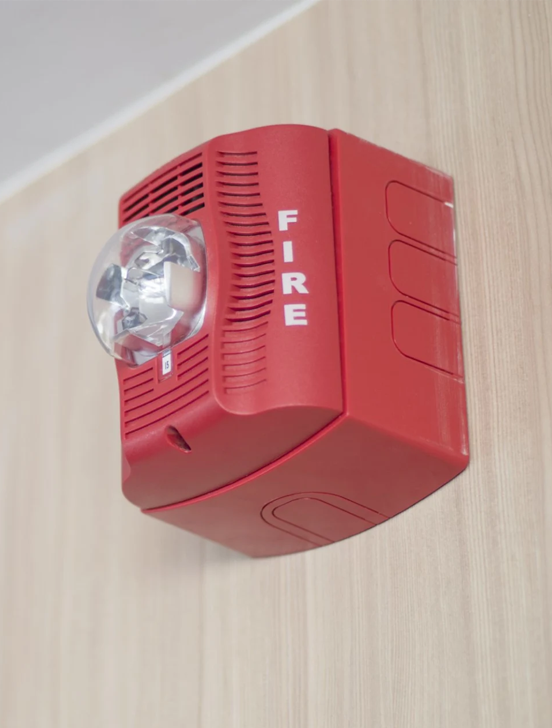
    A standard fire alarm installation typically includes a site assessment, a code-compliant system design, and the physical installation of core devices such as control panels, initiating devices (smoke and heat detectors, manual pull stations), notification appliances (horns, strobes, speakers), and required power supplies with battery backup.

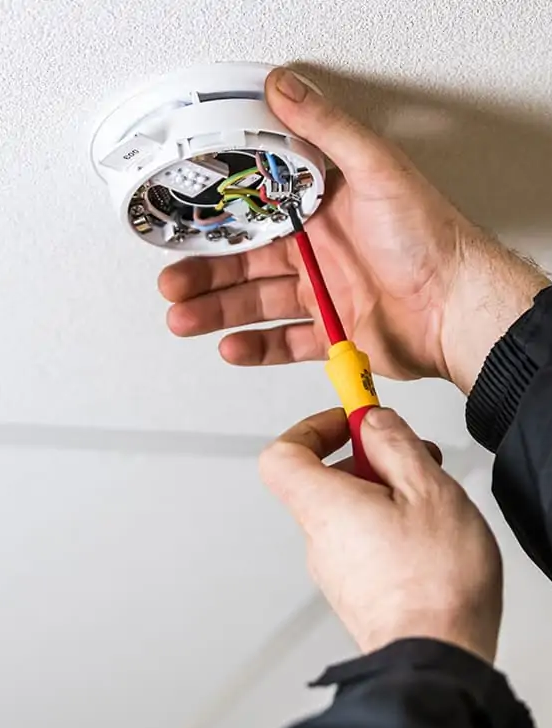
    Technicians also install the wiring or signalling pathways that connect devices, including circuits for detection, notification, and supervisory functions, plus interface modules for elevators, door releases, HVAC shutdown, or sprinkler monitoring when applicable. After hardware is mounted and labelled, the system is programmed so that zones, device addresses, alarm priorities, and output sequences operate as intended.

    For any inquiries call the 020 8178 5892

    Testing and commissioning follow: each detector and pull station is activated, notification appliances are measured for coverage, trouble conditions are verified, and battery and power-transfer functions are confirmed. Documentation is provided, typically including as-built drawings, device lists, programming records, and user instructions. A brief owner orientation may be included to explain indicators, silencing, resetting, and routine visual checks.

    REGULATORY COMPLIANCE CHECK

    What Codes and Permits Affect Installation?

    Navigating fire alarm regulations early ensures your system is compliant and your property is ready for occupancy. The requirements for a professional installation are governed by strict safety standards and local building codes.

    Understanding these codes gives you a full understanding of your property’s life-safety condition. It ensures all technical plans are approved quickly, keeping your building safe, compliant, and ready for everyday use.

    What Codes and Permits Affect Installation 02
    What Codes and Permits Affect Installation 01
    Product Image 13
    AVAILABLE SAFETY SOLUTIONS AND BENEFITS

    Benefits of Fire Alarm Installation

    A professional Fire Alarm Installation provides a targeted diagnostic framework to ensure your property meets life-safety benchmarks, protecting both occupants and assets through:

    102
    RAPID DETECTION RESPONSE

    Advanced sensors detect smoke or heat at the earliest stages, triggering immediate alerts to provide occupants with the maximum possible time for a safe and orderly evacuation.

    103
    REGULATORY ALIGNMENT

    We ensure your system fully complies with NFPA 72 and local building codes, eliminating the risk of legal non-compliance, heavy fines, or forced business closures.

    104
    SYSTEM RELIABILITY

    Professional installation includes robust battery backups and fault-tolerant wiring, ensuring your safety network remains fully operational even during power outages or technical interference.

    105
    INSURANCE ASSURANCE

    A certified installation serves as vital evidence for insurers, satisfying strict policy requirements and ensuring that your coverage remains valid and claims are processed without delay.

    CERTIFICATION DOCUMENTATION STANDARDS

    What a Fire Alarm Certificate Should Include

    A professional fire alarm certificate acts as a technical roadmap for your property’s safety. Ensuring these six elements are present guarantees your documentation is authentic, traceable, and ready for regulatory scrutiny.

    List
    System Design Category

    The certificate must clearly state the category (e.g., L1, L2, P1, P2). This defines whether the system is designed for life safety or property protection, ensuring it meets the specific occupancy risks.

    List
    Device Schedule & Zones

    A detailed breakdown of all smoke detectors, heat sensors, and manual call points. We verify that each device is mapped to a specific zone for rapid identification during an emergency.

    List
    Audibility & Visuals

    Documentation of decibel levels and strobe coverage. This ensures notification signals are loud and visible enough to alert everyone in the building, including in high-noise or low-visibility areas.

    List
    Power Supply Integrity

    Verification of primary and secondary power sources. This includes battery standby calculations to ensure the system remains fully operational for the required duration during a power failure.

    List
    Interface & Control Logic

    Records of how the alarm interacts with other building systems. We document links to fire doors, elevators, and ventilation shutdowns to ensure coordinated fire containment.

    List
    Commissioning Sign-Off

    The final technical validation by a competent engineer. This official sign-off confirms the entire installation has been tested against current safety standards and is fully fit for purpose.

    LIFE SAFETY AUDIT

    How to Choose a Fire Alarm System?

    Selecting the right architecture determines how clearly emergencies are identified and how efficiently your system can be maintained. While both types meet code, the final choice depends on your building's complexity and long-term reporting needs.

    How to Choose a Fire Alarm System 02
    How to Choose a Fire Alarm System 01
    Product Image 13
    Where to Place Devices in Fire Alarm Installation 02
    Where to Place Devices in Fire Alarm Installation 01
    Product Image 13
    STRATEGIC BUDGETING & SELECTION

    Where to Place Devices in Fire Alarm Installation

    Once the fire alarm system type is selected, device placement determines whether detection and notification perform as intended. Correct positioning ensures your safety infrastructure is effective under real-world building conditions.

    Common placement rules include:

    Circuit Wiring & Labeling

    We pull high-grade cables through verified routes, labeling every sensor and strobe circuit to create a transparent evidence trail for future maintenance.

    BOOK NOW
    Device Mounting & Spacing

    Detectors and pull stations are mounted at precise heights. We verify that spacing and visibility match approved plans for flawless performance under real conditions.

    BOOK NOW
    Addressable Point Setup

    We assign a unique ID to every device, allowing the control panel to identify the exact location of any fire or fault, removing guesswork during an emergency.

    BOOK NOW
    System Logic & Sign-Off

    The panel is programmed with specific zones and relay logic. Final as-built drawings are then updated to provide you with total operational peace of mind.

    BOOK NOW
    h1 sub title STEP-BY-STEP PROCESS

    On-Site Fire Alarm Installation Steps

    Transforming a design into a functioning safety system requires a coordinated technical journey. Following this sequence ensures your installation is accurate, durable, and ready for a successful final inspection.

    FAQ 2

    HSSE Solutions ensures your fire alarm installation is compliant, reliable, and ready for any life-safety audit.

    h1 sub title DISTINCT SAFETY PROTOCOLS

    Fire Alarm Maintenance After Installation

    A newly commissioned fire alarm system only stays dependable through a planned maintenance program. Regular testing ensures the system remains code-compliant and ready to protect life and property.

    A reliable system is maintained through:

    Weekly checks and quarterly functional tests ensure all notification devices activate during an emergency.
    Yearly testing of sensors and backup power sources identifies hidden faults before they cause failures.
    Detailed logs of every test and result provide the auditable trail required for insurance and inspections.
    Documented repair procedures and fire watch protocols keep your property protected during system downtime.
    Frequently Asked Questions Picture 3
    h1 sub title Fire Alarm Installation (FAI)

    Frequently Asked Questions

    A fire alarm system typically lasts 10–15 years before replacement, though components may fail sooner. Regular testing and maintenance can extend service life. Codes, technology upgrades, or persistent faults often justify earlier full system replacement.

    Installation commonly costs about $1–$4 per square foot for basic coverage, rising to $4–$10+ for complex, code-driven, or voice-evacuation systems. Final pricing varies by building type, wiring access, and device count.

    Yes, it can, if work is carefully phased. Contractors typically schedule noisy or disruptive tasks off-hours, isolate areas, and maintain interim protection. Occupant safety, code compliance, clear egress, and coordination with building management remain essential.

    Insurance premiums may change after installing a new fire alarm system, often decreasing if risk is reduced. The insurer reviews system type, monitoring, code compliance, and claims history, sometimes requiring documentation or inspections first.

    Warranties typically include manufacturer coverage for panels and devices (often 1–3 years) and contractor warranties for installation labour (commonly 1 year). Extended plans may cover parts, firmware, and service, subject to maintenance compliance.

    testimonial

    What Our Clients Say About Us

    t4 small 1
    t4 small 2
    t4 small 3
    t4 quote
    t4 big 1
    HSSE Solutions made the whole process so easy! They guided me through every step and helped me qualify for the ECO4 grant. My home now feels warmer and my energy bills are much lower. Highly recommend their service!
    Sarah Thompson
    Birmingham
    t4 quote
    t4 big 2
    I was really impressed by how professional and efficient HSSE Solutions was. They handled everything from checking my eligibility to installation. Thanks to them, I got free insulation and a new boiler under the GBIS scheme!
    David Patel
    Manchester
    t4 quote
    t4 big 3
    HSSE Solutions did an excellent job helping me qualify for the ECO4 funding. The team explained everything clearly and managed the entire process smoothly. My home is much warmer now, and I’m already seeing lower energy bills. Brilliant service!
    Michael Roberts
    Leeds
    our accreditation

    Approved by

    HSSE Solutions is recognized and accredited by reputable industry awarding bodies across the UK.

    Get a Free Quote → 📞 02081785892
    TrustMark Endorsed