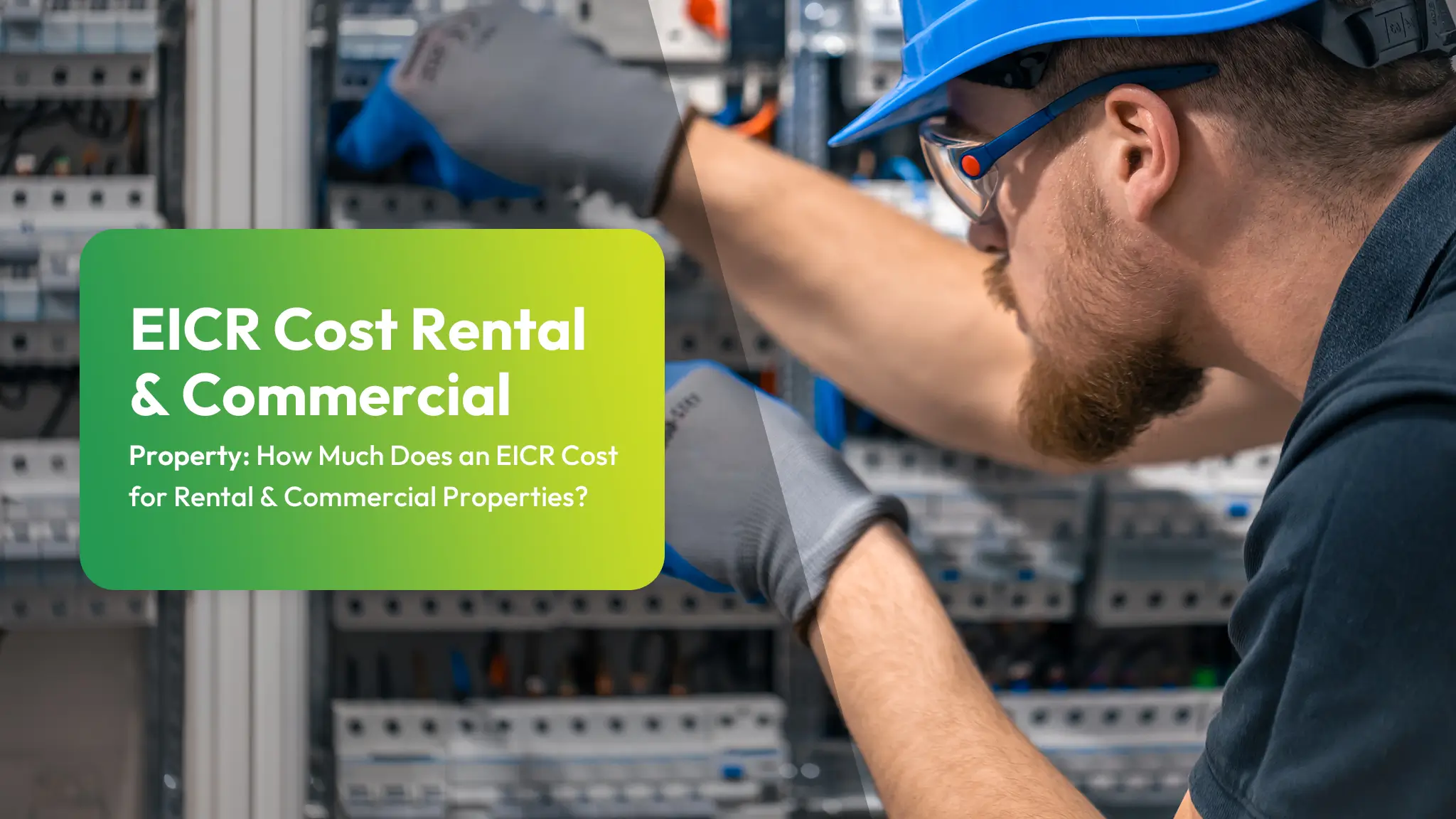
EICR Cost Rental and Commercial Property: In the UK, an EICR for a typical rental property (1–3 bedrooms) usually costs about £120–£250, with larger or more complex homes costing more. For commercial premises, small units often range from £200–£400, medium sites from £350–£800, and large or complex installations can exceed £2,000. Prices vary with property size, number of circuits, access, condition of the electrics, and region. Further details explain how to estimate a fair quote and control costs.
Key Takeaways
- Rental EICRs typically cost £120–£250 for 1–3 bed properties, with larger or more complex homes charged higher.
- Small commercial EICRs usually range from £200–£400; medium units £350–£800; large or complex sites often exceed £700.
- Main price drivers include property size, number of circuits and boards, installation condition, accessibility, region, and required working hours.
- The quoted EICR fee normally covers inspection, testing, and the report only; remedial repairs are extra and should be itemised separately.
- You can reduce EICR costs by ensuring access to boards, basic tidying, standardising installations, grouping properties, and comparing clear, itemised quotes.
Table of Contents
Average EICR Cost for Rental Properties
When budgeting for an Electrical Installation Condition Report (EICR) on a rental property in the UK, landlords can generally expect to pay between £120 and £250 for a typical one to three bedroom flat or house, with costs rising for larger or more complex properties. This price usually covers inspection, testing, and a written report outlining whether the installation is satisfactory or requires remedial work.
Location, access, and property layout influence the final figure. High-demand urban areas and properties with multiple consumer units, extensions, or historic wiring tend to sit at the upper end of the range. Some electricians charge per circuit or per consumer unit, while others offer fixed pricing per property type. Landlords seeking predictable costs often favour fixed-fee quotes, confirming whether VAT, certification, and retesting after remedial work are included, so they can plan safely, stay compliant, and maintain maximum control over their letting plans.

Average EICR Cost for Commercial Properties
Costs for Electrical Installation Condition Reports on commercial premises in the UK are typically higher and more variable than for standard rental homes, reflecting the greater complexity and scale of business installations. For small commercial units, such as high-street shops or compact offices, typical EICR prices often fall between £200 and £400. Medium-sized offices, workshops, or multi-room premises frequently see costs ranging from around £350 to £800.
Larger sites, such as multi-storey offices, sizeable retail spaces, or light industrial units, commonly face EICR charges starting at £700 and rising into the low thousands where electrical systems are extensive. Very large premises, or those operating with substantial three-phase power, specialist equipment, or multiple distribution boards, may see EICR invoices that comfortably exceed £2,000. Across the board, commercial owners tend to view the EICR cost as a strategic expense that preserves operational freedom and reduces disruption from unexpected electrical failures.
What Affects the Price of an EICR?
Several practical factors combine to determine the final price of an EICR, beyond just whether a property is domestic or commercial. The condition of the existing installation is essential: older or previously altered systems usually demand more investigative work, testing, and documentation. The number of circuits and distribution boards also influences cost, because each circuit must be individually inspected and recorded.
Accessibility matters. If consumer units, trunking, or socket outlets are hidden behind fixtures, stock, or fitted furniture, the inspection takes longer and may be priced higher. Working hours can affect the fee too; inspections outside normal business hours, arranged to avoid disrupting trading or tenants, often carry a premium.
Location plays a role, with regional labour rates, parking, and travel time quietly shaping the final figure. Finally, the level of reporting required by insurers, landlords, or corporate compliance policies can increase the inspector’s time on site and in producing documentation. Learn What Is an EICR and Why Does It Matter for Property Compliance?
EICR Costs by Property Size and Type
Although every installation is unique, EICR pricing tends to follow clear patterns based on property size and use. Smaller studio flats or compact offices usually sit at the lower end of the price range, reflecting fewer rooms to inspect and less time on site. Standard two- or three-bedroom rentals and mid-sized retail units form the mid-range, where most landlords and small business owners sit.
Larger HMOs, open-plan offices, warehouses, and hospitality venues typically command higher fees. Here, the inspection covers more space, more accessory points, and more variations in how the building is used day to day. Property type also matters:
- Residential single lets
- HMOs and multi-unit blocks
- High-turnover commercial (shops, salons, cafés)
- Complex commercial (industrial units, workshops, leisure sites)
Those seeking maximum flexibility in how they use their property often see EICR costs rise in line with that freedom, but also gain clearer risk visibility.
How Number of Circuits Affects Pricing
Beyond overall property size, the number of circuits on the distribution board is one of the main drivers of EICR cost. Each circuit must be tested, documented, and assessed for safety, so more circuits mean more time on site and more detail in the report. For landlords and commercial operators who value flexibility, understanding this helps control spend without compromising compliance. A compact unit with 6–10 circuits will usually sit at the lower end of pricing, while a busy commercial board with 20–30+ circuits can push costs considerably higher because every additional circuit adds tests, measurements, and paperwork.
Some contractors charge a base fee covering a set number of circuits, then apply a per‑circuit rate beyond that threshold. Others scale their lump‑sum quote mainly around circuit count. Knowing how many circuits are present allows owners to compare quotes fairly and plan inspections around their budget and risk appetite.
Impact of Electrical Installation Condition
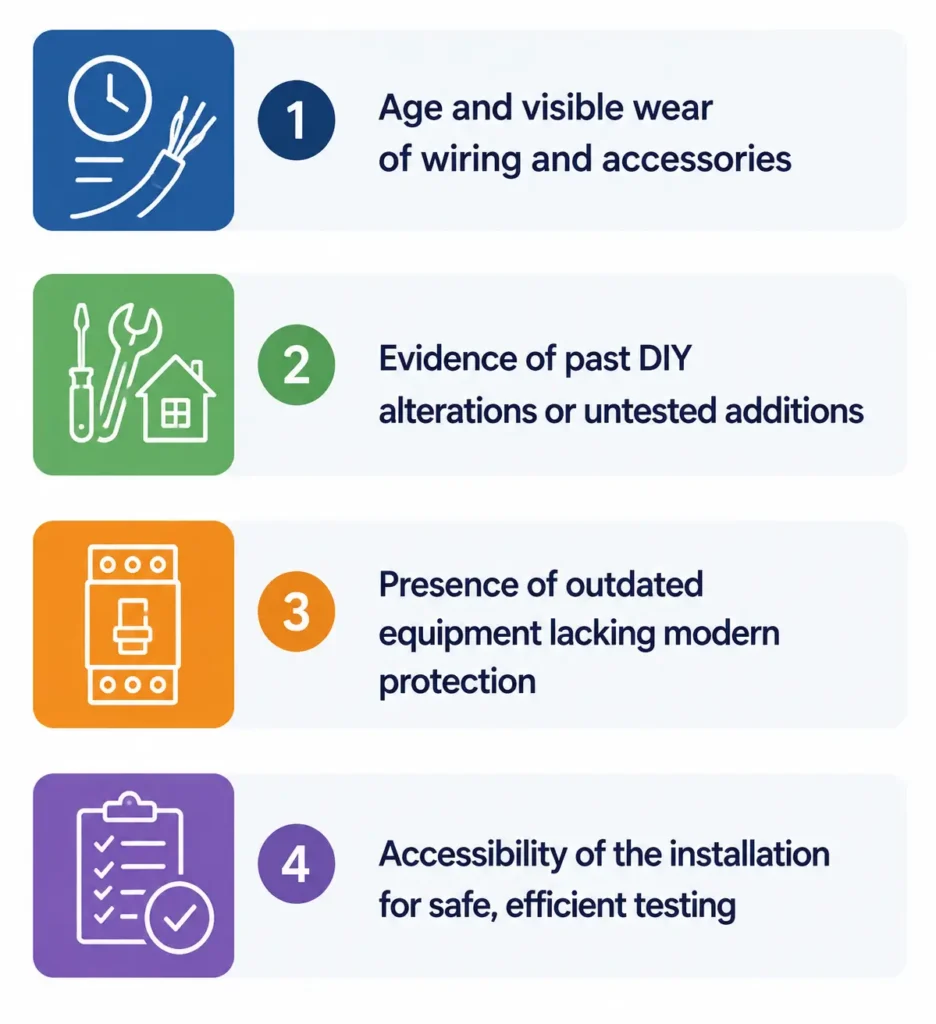
When an electrical installation is in poor or unknown condition, the cost of an EICR typically rises because testing becomes more complex and remedial work may be required urgently. Inspectors must spend more time tracing faults, documenting risks, and confirming whether circuits are safe to keep in use. For landlords and commercial operators who value flexibility, the condition of the system often determines how quickly they can let, trade, or adapt a space. A well‑maintained installation usually means fewer surprises, shorter inspections, and lower overall cost. By contrast, older or neglected systems often trigger further investigation and mandatory repairs before a “satisfactory” report can be issued.
Key cost drivers linked to condition include:
EICR Cost Differences for Flats and Houses
Property type has a direct influence on EICR pricing, with flats and houses typically falling into different cost brackets due to layout and circuit complexity. Flats often attract slightly lower EICR fees because they are usually smaller, with fewer circuits and more straightforward distribution boards. Access is typically simpler, letting inspectors complete testing faster, which can reduce labour time and overall cost.
Houses, by contrast, tend to involve more extensive wiring, additional consumer units, outbuildings, and external lighting. This added scope can extend inspection time, increasing the price. Larger properties or multi-storey homes with older wiring usually sit at the upper end of the cost range. For landlords seeking flexibility and minimal restriction, understanding these differences helps them budget accurately, compare quotes effectively, and avoid surprise expenses. By matching expectations to property type, they can plan inspections in a way that supports long‑term control over both compliance and costs.
EICR Costs for Offices and Business Premises
Office and commercial EICR costs are driven less by the label on the building and more by its electrical load, layout, and usage patterns. A compact start-up office with a handful of circuits can pay closer to the lower end of the commercial range, while a multi‑storey, open‑plan workspace with server rooms, air‑conditioning, and extensive lighting can see the price rise quickly. Electricians typically look at the number of distribution boards, circuits, and how easily they can access them during business hours. Premises that trade long hours or run critical equipment may ask for testing outside normal times, which can add to the bill but preserve operational freedom.
Key influences usually include:
- Size and floor count of the office
- Number and complexity of circuits and boards
- Presence of IT rooms, machinery, or specialist equipment
- Access constraints and timing (evenings, weekends, staged testing)
Does an EICR Price Include Remedial Work?
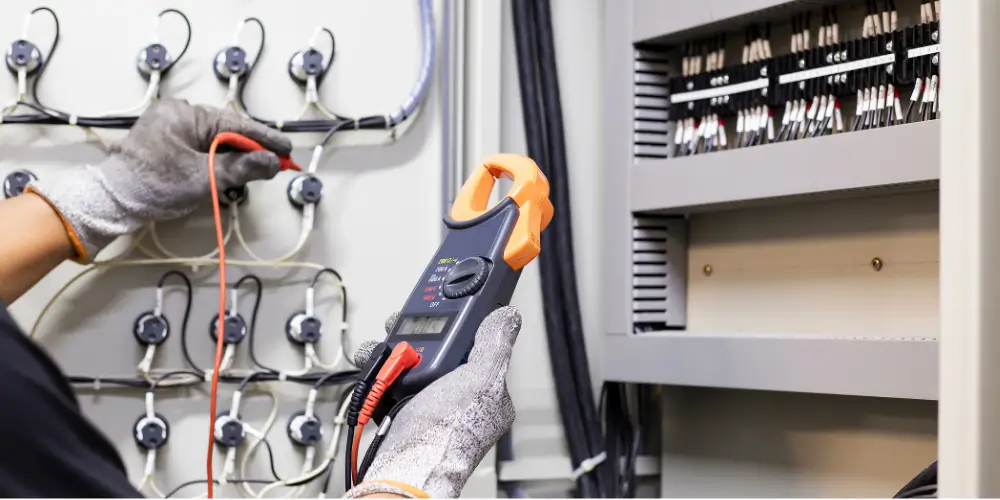
Costs for inspections in offices and other commercial spaces can vary widely, which often leads to a related question: does the quoted fee actually cover fixing any faults found? In most cases, the answer is no. An EICR price typically pays only for the inspection, testing, and written report. It buys knowledge and legal peace of mind, not automatic repairs. Where remedial work is included, it is usually limited, tightly defined, and clearly itemised in advance. Many electricians separate the EICR from follow‑up works to keep pricing transparent and allow owners or managers to choose how, when, and by whom defects are corrected.
This separation can actually increase freedom: once the report is in hand, the client can compare quotes, prioritise urgent items, and decide whether to phase upgrades over time. The key is to check the written quote carefully and confirm, in writing, what is and is not included.
How to Reduce Unnecessary EICR Costs
Planning ahead is the most effective way to prevent EICR bills from escalating unnecessarily. Landlords and commercial owners who treat the EICR as part of a wider electrical strategy keep more control over costs and choice. Rather than waiting for failures, they schedule inspections alongside other maintenance, minimising disruption and avoiding premium call-out rates.
Basic housekeeping also cuts down on avoidable observations. Replacing broken accessories, stopping obvious overloading, and keeping distribution boards accessible often reduces inspection time and follow‑up work. Targeted comparison of quotes is essential. Property owners maintain flexibility by requesting itemised pricing that separates inspection, reporting, and remedial work, then using that information to negotiate or choose independent contractors for repairs.
To keep the process lean, many owners:
- Standardise installations across their portfolio
- Keep accurate circuit schedules and previous reports
- Group multiple properties into one visit
- Challenge unclear codes or recommendations politely
Frequently Asked Questions
How Often Should Rental and Commercial Properties Renew Their EICR in the UK?
Rental properties generally renew EICRs at least every five years or at tenancy change; commercial properties usually follow a five‑year cycle or shorter, depending on risk, insurance demands, and any significant alterations to electrical installations. Check out How Often Should Electrical Installations Be Tested in Rental and Commercial Properties?
Who Is Legally Responsible for Arranging the EICR: Landlord, Tenant, or Managing Agent?
The legal duty sits with the landlord. A managing agent may arrange the EICR only if authorised in writing. Tenants generally hold no statutory responsibility, unless a commercial lease explicitly transfers that obligation to them.
What Qualifications Must an Electrician Have to Carry Out a Valid EICR?
They must be a “qualified and competent” person: typically City & Guilds 2391 or equivalent inspection/testing, Level 3 electrical qualifications, current BS 7671 (18th Edition) knowledge, plus demonstrable experience and appropriate professional insurance. Here is the guide about Competent Person for Electrical Testing and Inspection: Who Is Competent to Carry Out Electrical Testing and Inspection?
Can I Use the Same EICR Report for Insurance or Mortgage Purposes?
Yes, often the same EICR can satisfy insurers or lenders, but acceptance isn’t guaranteed. Each insurer or mortgage provider sets its own rules, including report age, electrician credentials, and any required remedial work confirmation.
What Happens if I Don’T Get an EICR for My Rental or Commercial Property?
It risks enforcement action, legal penalties, insurance issues, difficulty with lenders, and potential liability if electrical faults cause harm. Local authorities can demand remedial work, restrict renting or trading, and fines may outweigh any perceived savings from skipping inspection.
Conclusion
To conclude, EICR costs for rental and commercial properties in the UK vary mainly by property size, type and number of circuits. Landlords and business owners should budget more for larger or more complex installations, and remember that remedial work is usually priced separately. By comparing quotes, clarifying what’s included, and maintaining installations between inspections, they can stay compliant, manage risk effectively and avoid unnecessary EICR expenses over the long term.