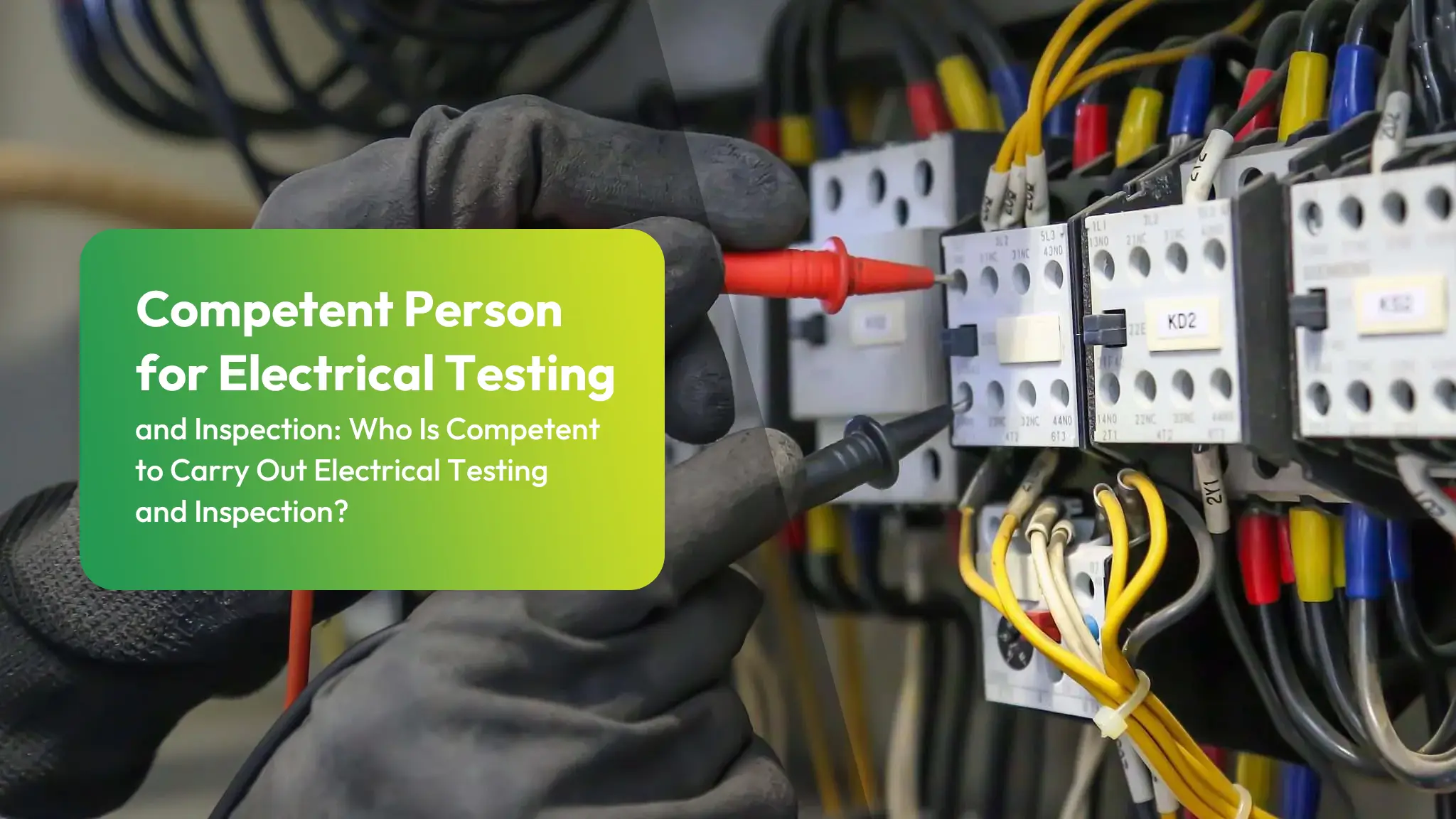
In the UK, a competent person for electrical testing and inspection is someone with Level 3 electrical qualifications, dedicated inspection and testing training, and current knowledge of BS 7671. They must have supervised practical experience, suitable insurance, and usually certification from bodies like NICEIC or NAPIT. Not all electricians meet this inspection standard. Using an unqualified tester poses safety, legal, and financial risks, and there is more to consider when choosing the right professional.
Key Takeaways
- A competent person is an electrician with suitable technical knowledge, practical skills, and experience to apply BS 7671 safely to inspection and testing work.
- Typically they hold Level 3 electrical installation and dedicated inspection and testing qualifications, plus current BS 7671 (Wiring Regulations) certification.
- They must have recent, supervised practical experience in inspection and testing, progressing to independent work, with evidence of continuing professional development.
- Membership or certification with bodies such as NICEIC, NAPIT, or ELECSA, plus public liability insurance, helps demonstrate recognized competence and accountability.
- Not all electricians are competent inspectors; formal inspection requires deeper fault-finding, assessment skills, and the ability to produce compliant EICR documentation.
Table of Contents
What Does a Competent Person Mean for Electrical Testing and Inspection?
In the context of electrical testing and inspection in the UK, a “competent person” is someone who possesses sufficient technical knowledge, practical skills, and relevant experience to carry out electrical work safely and correctly, and to recognise when something is beyond their capability. Competence is not a label granted by bureaucracy alone; it is demonstrated through consistent, safe decision‑making in real situations.
For testing and inspection, a competent person understands how installations are designed to function, how faults develop, and how to verify that protective measures truly work. They can interpret test results, identify unacceptable risks, and judge when an installation no longer offers reasonable safety.
Crucially, competence includes an honest awareness of limits. A competent person knows when specialist input is needed and does not feel compelled to guess. This protects the individual’s freedom to work confidently while safeguarding others from hidden electrical hazards.
What Qualifications Should a Competent Electrical Tester Have?
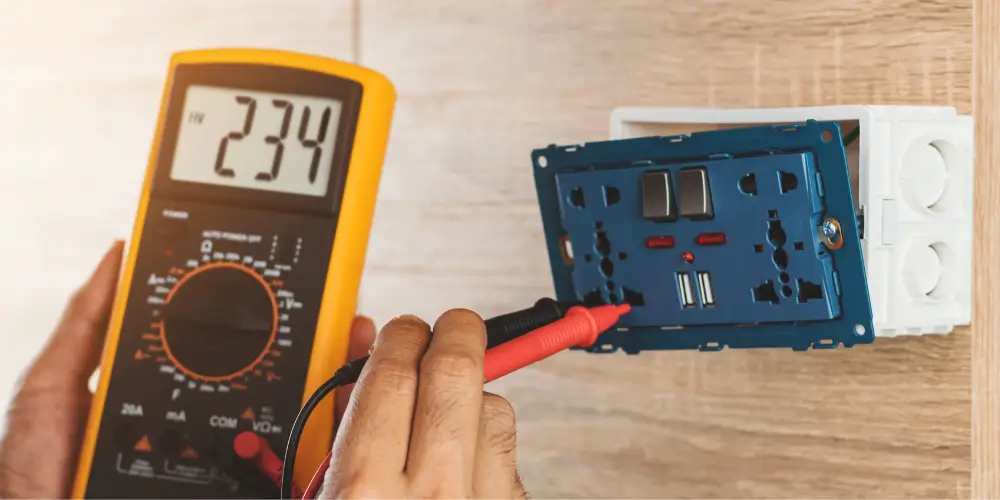
Qualifications for electrical testing in the UK serve as evidence that a person’s competence is grounded in recognised training and assessment, not just informal experience. For anyone who values the freedom to use and manage electrical installations with confidence, these qualifications act as a practical safeguard, proving that the tester can apply regulations, interpret test results, and recognise risk before it threatens people or property.
A genuinely competent electrical tester will typically hold a blend of technical and regulatory qualifications, often including:
- A Level 3 electrical installation qualification (or equivalent) covering theory and practical skills.
- A dedicated inspection and testing qualification (e.g. Level 3 Award in Inspection and Testing).
- Up‑to‑date BS 7671 (IET Wiring Regulations) training and certification.
- Evidence of continued professional development and recent practical testing experience.
These elements together demonstrate structured learning, verified knowledge, and current capability, not reliance on outdated habits.
Is Any Electrician Qualified to Carry Out Electrical Inspections?
Although many people assume that any qualified electrician can perform formal electrical inspections, the reality under UK regulations is more specific. Not every practising electrician is automatically competent to carry out periodic inspection and testing or issue reports that stand up to legal or contractual scrutiny.
Inspections demand a deeper grasp of fault-finding, assessment of installation condition, and interpretation of BS 7671 and related legislation. An electrician focused mainly on installation work may have excellent practical skills but lack the inspection mindset: stepping back, questioning existing work, and documenting risks that could restrict a client’s choices later.
UK guidance distinguishes between general electrical work and the specialist role of inspecting and certifying. For property owners who want the freedom to let, sell, adapt, or expand their premises without future disputes, using someone recognised as competent for inspection not just “an electrician” protects both safety and autonomy.
What Training and Experience Are Required for Electrical Testing?
Choosing someone recognised as competent naturally raises the question of what that competence looks like in practice. For electrical testing, competence is built on structured training, real‑world exposure, and a mindset that respects both safety and autonomy. Formal education alone is not enough; it must be fused with hands‑on experience and current technical understanding.
Core expectations typically include:
- Completion of recognised electrical installation training that covers inspection, testing methods, and fault diagnosis.
- Specific qualifications in inspection and testing (for example, courses aligned to BS 7671 and associated guidance).
- Practical experience working under supervision, gradually progressing to independent testing on varied types of installations.
- Ongoing continuing professional development to keep pace with evolving standards, technologies, and test instruments.
This combination allows a competent person to test installations confidently, interpret results accurately, and make informed decisions that protect people while supporting their freedom to use electrical systems creatively and safely.
Who Is Legally Allowed to Carry Out Electrical Testing?
Legal responsibility for electrical testing in the UK sits at the intersection of competence and statutory duty, rather than with any single job title. Law does not demand membership of a particular scheme, but it does require that anyone who undertakes electrical testing be able to do so safely, correctly, and without putting people or property at risk. In practice, this means the “right” person is whoever can demonstrate sufficient technical knowledge, practical skill, and understanding of the specific system being tested. Employers must guarantee that staff tasked with testing are competent; self‑employed individuals carry that duty personally. Insurers, clients, and enforcing authorities may ask for proof of qualifications, experience, and test records to judge this.
Householders and business owners remain free to choose who tests their installations, yet they also bear responsibility for guaranteeing that the person they appoint can genuinely meet the legal threshold of competence. Check out why compliance matters for property.
What Standards Must a Competent Person Follow During Inspection?
Competence in electrical inspection is judged against clear, established standards rather than personal preference or habit. In the UK, a competent person aligns inspection methods with nationally recognised benchmarks that safeguard both safety and the freedom to use electrical systems confidently. Core reference documents include BS 7671 (IET Wiring Regulations), relevant parts of the Electricity at Work Regulations 1989, and manufacturer instructions.
To act competently, the inspector must demonstrate disciplined adherence to:
- BS 7671 inspection and testing procedures, including correct test sequences and recording methods.
- Electricity at Work Regulations principles, such as ensuring systems are safe for continued use and testing.
- Current IET Guidance Notes and on-site guidance, applying best practice rather than outdated habits.
- Documented inspection schedules, using calibrated instruments and producing clear, traceable reports.
Why Using an Unqualified Person for Electrical Testing Is Risky
An unqualified person carrying out electrical testing introduces avoidable danger to people, property, and business continuity. Without a solid grasp of UK wiring regulations, fault currents, and protective devices, they may leave hidden defects in place or even create new ones. Circuits might appear to work, yet fail under stress, leading to electric shock, fire, or equipment damage. This directly threatens personal autonomy, as individuals may unknowingly occupy unsafe spaces.
Unqualified testers also undermine legal and financial protection. Insurers, landlords, and enforcing authorities often expect testing to be completed by someone demonstrably competent. If testing is carried out by an unqualified person, insurance claims can be challenged and enforcement action may follow after an incident. Businesses risk downtime, penalties, and reputational harm. In practice, using unqualified labour to “save money” can restrict freedom of choice later, when occupants face costly remedial work, disputes, or the loss of a viable workspace.
How to Choose a Reliable Electrical Testing Professional
Selecting a reliable electrical testing professional starts with verifying formal qualifications and clear evidence of up‑to‑date competence. A property owner who values independence will insist on an electrician who is both certified and demonstrably accountable, rather than tied to vague promises or cheap shortcuts.
Key filters often include:
- Certification and registration with bodies such as NICEIC, NAPIT, or ELECSA, confirming competence to UK standards.
- Insurance and documented procedures, including public liability and clear reporting formats for EICR and remedial work.
- Transparent pricing and written scope, avoiding open‑ended costs or ambiguous descriptions of tests and outcomes.
- Proven track record, shown through reviews, references, and sample reports that reveal thoroughness, not box‑ticking.
Frequently Asked Questions
How Often Should Electrical Installations Be Inspected in Domestic and Commercial Properties?
Domestic electrical installations are generally inspected every 10 years, or at change of occupancy; commercial installations typically every 5 years. High‑risk environments, insurance conditions, and business needs may justify more frequent inspections to safeguard people and property.
What Records or Certificates Should I Receive After an Electrical Inspection?
They should receive an Electrical Installation Condition Report, schedule of inspections, schedule of test results, and, where work was done, an Electrical Installation Certificate or Minor Works Certificate, plus any Part P or building control notification documents.
How Much Does a Typical Electrical Condition Report (EICR) Cost in the UK?
A typical EICR in the UK costs about £120–£250 for a standard home, depending on region, size, and circuit complexity. Individuals are free to compare independent electricians, request itemised quotes, and negotiate access times.
Can Tenants Request Electrical Testing if Landlords Have Not Arranged It?
Yes, tenants can request electrical testing when landlords fail to arrange it. They may write formally to the landlord, contact the local council’s private rented sector team, and, if needed, commission their own inspection and use the report as leverage.
How Do I Verify if an Electrical Tester Is Registered With a Competent Person Scheme?
They can verify by searching the tester’s name or company on scheme websites like NICEIC, NAPIT, ELECSA or STROMA, checking registration numbers, expiry dates, work scopes, and cross‑checking with the official UK government competent person register.
Conclusion
In conclusion, a competent person for electrical testing and inspection in the UK is clearly defined by formal qualifications, up-to-date training, and relevant experience. They must work in line with BS 7671 and legal requirements, guaranteeing installations remain safe and compliant. Choosing a properly qualified and accredited professional greatly reduces safety risks, protects property and occupants, and helps make sure legal obligations are met, making professional competence an essential, not optional, requirement.