In the UK, EICR, fixed wire testing and electrical safety report describe linked parts of the same safety process. Fixed wire testing is the hands-on inspection and testing of a building’s permanent wiring. An EICR is the formal document produced after this testing. “Electrical safety report” is a broader term often used for the EICR itself. Together they confirm if an installation is safe, compliant and insurable, and how issues should be prioritised, as explained further below.
Key Takeaways
- An EICR (Electrical Installation Condition Report) is the formal written report produced after inspecting and testing a building’s fixed electrical installation.
- Fixed wire testing is the practical inspection and testing process of permanent wiring, circuits and protective devices, not the document itself.
- An electrical safety report is a broader term for documented findings on electrical risks, which may include or be based on an EICR.
- EICR and fixed wire testing are often used interchangeably, but technically describe the report versus the testing activity.
- For landlords and businesses, complying with EICR requirements demonstrates legal electrical safety management and supports insurance and occupancy permissions.
Table of Contents
What Do These Electrical Safety Terms Mean?
Electrical safety terminology in the UK encompasses a set of specific terms that describe the condition, compliance, and risks associated with electrical installations. “Electrical safety report” is a broad label covering documented assessments of an installation’s condition. “Fixed wiring” or “fixed installation” refers to cables, accessories, distribution boards, and other equipment permanently connected to the building, excluding portable appliances.
“Condition report” usually indicates a structured record of observed defects and non‑compliances. Terms such as “satisfactory” and “unsatisfactory” summarise overall risk, guiding decisions about whether a system can be used freely or needs urgent work. Phrases like “deviation from standards,” “non‑compliance,” and “potential danger” signal how far an installation strays from current safety expectations and where corrective action protects personal autonomy.
What Is an EICR?
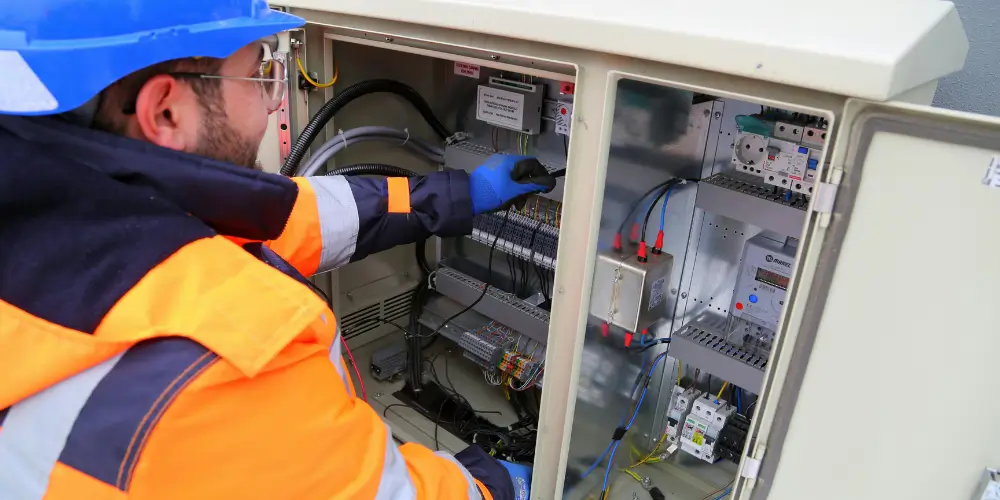
Within this terminology, an EICR Electrical Installation Condition Report is a specific, formal type of electrical safety report used in the UK to assess the state of fixed wiring. It records whether an installation is safe for continued use, helping owners exercise control over their space without unnecessary restriction or guesswork.
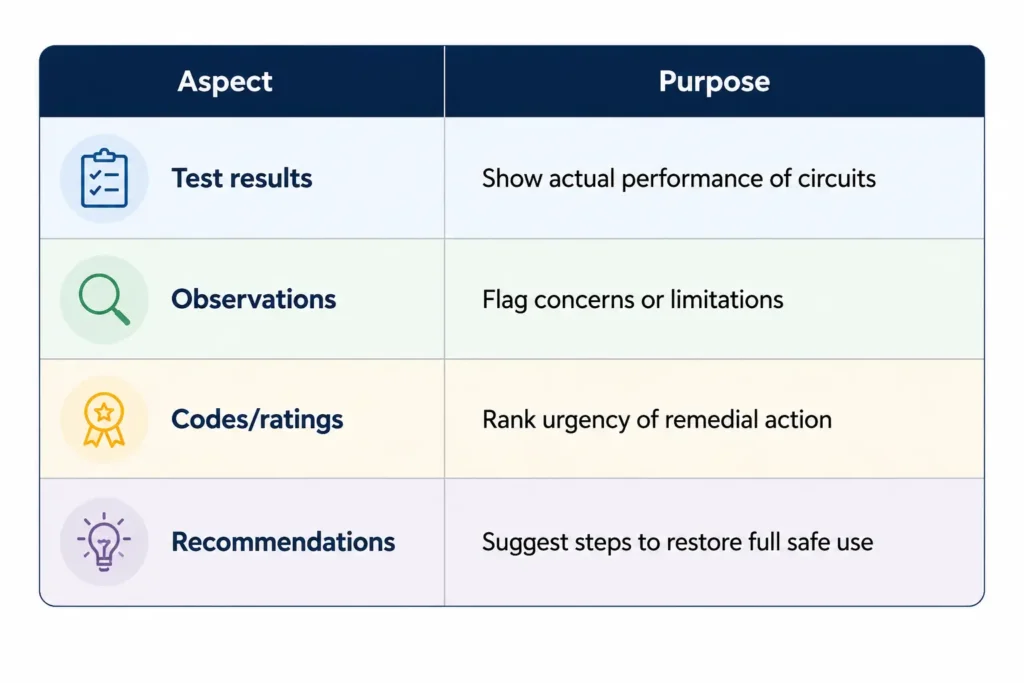
An EICR involves a structured visual and test-based assessment of circuits, protective devices, and earthing and bonding arrangements. The findings are summarised as observations with codes indicating risk levels and whether remedial work is legally or practically necessary. Rather than being a mere bureaucratic hurdle, the EICR functions as evidence that electrical risks have been actively checked and managed, supporting informed choices about repairs, upgrades, or changes to how a property is used.
What Is Fixed Wire Testing?
Fixed wire testing refers to the systematic inspection and testing of a building’s permanent electrical installation, rather than portable appliances or plug-in equipment. It focuses on the fixed wiring that quietly powers everyday activity: distribution boards, circuits, switches, sockets, and hard‑wired equipment.
This process verifies that the installation is safe to use and capable of handling demand without hidden danger. Engineers test continuity, insulation resistance, polarity, fault‑loop impedance, and protective devices, looking for defects that could lead to shock, fire, or power loss. For people who value autonomy in how they use their space, fixed wire testing acts as a safeguard, ensuring that electrical freedom does not come with unseen risks or constraints imposed by unreliable infrastructure.
What Is an Electrical Safety Report?
An electrical safety report is the formal document that records the findings of an inspection and testing of a property’s fixed electrical installation. It captures the true condition of circuits and equipment at a specific moment in time, giving owners the information needed to make independent, informed choices about risk, expenditure, and future use of the space.
A typical report will highlight defects, non‑compliances with current standards, and any observations that might restrict how freely the installation can be used without additional safeguards. It normally grades issues by urgency, so people can prioritise work rather than being forced into blanket upgrades.
Are EICR and Fixed Wire Testing the Same?
At first glance, “EICR” and “fixed wire testing” may sound like two different services, but in most commercial and residential contexts they describe the same core activity: the periodic inspection and testing of a building’s fixed electrical installation.
“EICR” (Electrical Installation Condition Report) is technically the formal document produced at the end of that process, confirming whether the installation is satisfactory or requires remedial work. “Fixed wire testing” describes the practical process used to gather the evidence for that report. In everyday use, especially among contractors and managing agents, both phrases are used interchangeably. For someone who simply wants the legal freedom to rent, operate, or occupy a property safely, asking for either will typically result in the same inspection and report.
Why These Terms Are Often Confused
Because both phrases describe the same inspection activity from different angles, “EICR” and “fixed wire testing” are easily mistaken for separate services. One is rooted in formal regulation, the other in day‑to‑day trade language, yet both point to evaluating the fixed electrical installation.
Confusion deepens because different industries, insurers, and local authorities favour different labels while still demanding fundamentally identical checks. Marketing materials often blend the terms, offering “EICR / fixed wire testing” as if they were options, not synonyms, which blurs understanding for anyone trying to make independent, informed choices. For those who value autonomy, this ambiguity can feel restrictive: it obstructs clear comparison of quotes, scopes, and responsibilities, making it harder to decide confidently what is actually being purchased.
What an EICR Report Records
While the terminology can feel abstract, the content of an EICR is very concrete: it creates a structured record of the condition and safety of a building’s fixed electrical installation at a specific point in time. It lists distribution boards, circuits, and protective devices, showing how power flows and where it is controlled. It records test results for continuity, insulation resistance, RCD performance, and earthing, proving whether disconnection times and fault protection meet recognised standards. Learn What Is an EICR and Why Does It Matter for Property Compliance?
The report also logs visible defects, damage, overloading, and departures from regulations, each coded by risk level (C1, C2, C3, FI). Finally, it states whether the installation is “satisfactory” or “unsatisfactory” and recommends corrective actions, giving owners clear information to make independent, informed decisions.
Electrical Safety Report for Landlords
For landlords, an Electrical Installation Condition Report (EICR) is not just best practice but a legal and contractual safeguard. It evidences that the electrical installation has been assessed by a competent person and judged safe for continued use or clearly marked for remedial work. This allows landlords to grant tenants autonomy in how they use the space, without exposing themselves to hidden electrical risks.
An Electrical Safety Report for landlords typically confirms compliance with current wiring regulations, highlights any immediate dangers, and sets deadlines for corrective action. It supports insurance validity, strengthens tenancy agreements, and reduces the chance of disputes after incidents. By commissioning regular EICRs, landlords protect people, preserve property, and maintain the freedom to let with confidence.
Fixed Wire Testing for Commercial Premises
Beyond the residential context, electrical safety reporting extends to fixed wire testing in commercial premises, where the scale and complexity of installations increase both risk and responsibility. Here, fixed wire testing focuses on the hard‑wired infrastructure: distribution boards, circuits, cabling, and protective devices supplying workspaces, machinery, lighting, and critical systems.
For business owners who value operational freedom, this testing offers a practical safeguard against disruptive failures, fire, and enforced shutdowns. A competent electrician inspects, tests, and documents the condition of the fixed installation, identifying overloaded circuits, damaged insulation, and inadequate earthing or bonding. The resulting report enables informed decisions: prioritising essential repairs, planning upgrades, and managing risk proactively so that people, assets, and day‑to‑day autonomy remain protected.
EICR for Rental Property Compliance
An Electrical Installation Condition Report (EICR) has become a central tool in demonstrating rental property compliance with modern safety regulations. It records the actual condition of a dwelling’s wiring and protective devices, allowing owners to prove that electrical risks are identified and controlled without surrendering more personal autonomy than necessary. An up‑to‑date EICR supports lawful letting, informed decision‑making, and transparent relationships with tenants.
Key aspects of EICR compliance in rental property include:
- Evidence that fixed wiring, consumer units, and accessories meet current safety standards
- A clear schedule for remedial work, prioritised by level of risk
- Documented proof for insurers, lenders, and local authorities that hazards are being managed
- A practical framework that balances regulatory duties with the owner’s freedom to manage property proactively
Who Can Carry Out the Inspection?
While the EICR provides structured evidence of electrical safety in a rental property, its reliability depends entirely on who conducts the inspection. Only a competent, suitably qualified electrician or electrical contractor should carry it out. In practice, this means someone holding up‑to‑date industry qualifications, recognised certification, and current knowledge of the Wiring Regulations.
They must also have practical experience in testing occupied and rented premises, not just new installations. Many landlords favour registered electricians listed with recognised competent person schemes, as this offers traceability, accountability, and a clear route if standards slip. For maximum autonomy, owners can verify competence by asking for proof of qualifications, insurance, calibration records for test instruments, and recent EICR examples before agreeing to any inspection. Check out Who Is Competent to Carry Out Electrical Testing and Inspection?
What Satisfactory and Unsatisfactory Mean
Clarity over “satisfactory” and “unsatisfactory” is central to understanding an Electrical Installation Condition Report (EICR). These outcome terms are not vague judgements; they are technical conclusions rooted in how many, and what type of, observations are recorded. A “satisfactory” EICR means no items require immediate or urgent remedial work to meet current safety standards, allowing the owner to use the installation without imposed restrictions.
An “unsatisfactory” result signals that at least one serious issue has been identified. Typically, this arises where the inspector records:
- A C1 code (danger present)
- A C2 code (potentially dangerous)
- An FI code (further investigation required urgently)
- Extensive C3 items suggesting the installation is drifting away from modern safety expectations
Which Service Should You Book?
Choosing the right electrical safety service depends on the property’s purpose, condition, and legal obligations. An EICR suits landlords, employers, and anyone needing clear evidence that fixed wiring meets current regulations. It is the go‑to option when compliance, insurance, or tenancy are involved.
Fixed Wire Testing is fundamentally the inspection and testing element of an EICR, often used by businesses with larger installations or ongoing maintenance programmes. It focuses on circuits and distribution, ideal for workplaces seeking minimal disruption and predictable schedules. An Electrical Safety Report may be broader and more flexible in format, often used for domestic owners who want assurance without immediately committing to major works. The choice ultimately rests on the level of proof and formality the situation demands.
Common Mistakes When Booking Electrical Testing
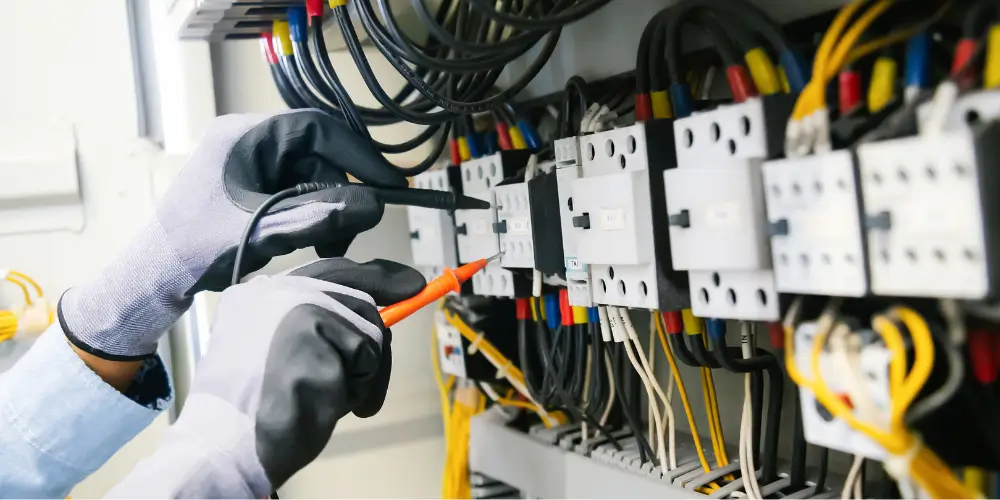
Even with the best intentions, many property owners and managers undermine electrical safety by making avoidable mistakes at the booking stage. Seeking flexibility and minimal disruption, they sometimes trade genuine compliance for convenience. Common errors often stem from assumptions rather than clear, written confirmation of what will actually be inspected and reported.
Typical booking pitfalls include:
- Choosing a contractor based solely on price, without checking qualifications, insurance, or familiarity with current regulations.
- Booking “a quick check” instead of specifying an EICR, fixed wire test, or full electrical safety report.
- Failing to clarify access requirements, leading to rushed, incomplete testing and hidden risk.
- Ignoring test frequency and re‑inspection dates, allowing certificates to lapse and freedom of operation to rest on outdated evidence.
How HSSE Solutions Can Help
HSSE Solutions provides a structured, compliant approach to electrical testing that removes guesswork from the booking process. Their team clarifies whether a site needs an EICR, fixed wire testing, or a broader electrical safety report, so duty holders avoid unnecessary work while still meeting legal obligations.
By mapping testing requirements to business operations, HSSE Solutions helps owners plan inspections around trading hours, minimise shutdowns and maintain operational freedom. Clear pricing and defined scopes prevent scope‑creep and unexpected add‑ons. They also provide straightforward, jargon‑free explanations of findings, with prioritised recommendations instead of generic caveats. This lets clients make informed choices: what to fix now, what to schedule later, and how to keep evidence ready for insurers, landlords, and enforcement bodies.
Frequently Asked Questions
How Often Should Electrical Testing Be Carried Out in Different Property Types?
Electrical testing typically occurs every 5 years for rented homes, 10 years for owner-occupied homes, and 3–5 years for commercial or industrial properties, though high‑risk environments, HMOs, and public venues may demand more frequent inspections.
What Documents Should I Provide to the Electrician Before an EICR?
They should hand over previous inspection reports, installation certificates, circuit schedules, building plans, details of recent work, known faults, access arrangements, and consent from the owner or managing agent, enabling a faster, less constrained, more accurate inspection process.
Can I Stay in the Property While Electrical Testing Is Being Done?
They usually can stay in the property during testing, moving freely between rooms as circuits are checked. Power may be switched off in sections, limiting appliance use, but they retain choice to remain present or step out.
How Long Does a Typical EICR or Fixed Wire Test Appointment Take?
A typical inspection takes 2–4 hours for an average home, longer for large or complex buildings. Duration depends on circuit numbers, access to all areas, and whether remedial issues are found that require extra investigation.
Are There Additional Charges for Remedial Work After an Unsatisfactory Report?
Yes, remedial work is usually charged separately. The report identifies faults; any repairs, retesting, materials, and call‑backs are extra. Savvy clients demand itemised quotes, clear labour rates, and full freedom to approve, refuse, or source alternative contractors.
Conclusion
In conclusion, EICRs, fixed wire testing and electrical safety reports are closely related but not identical terms within UK electrical compliance. Understanding the distinctions helps duty holders choose the right service, interpret “satisfactory” and “unsatisfactory” outcomes correctly, and avoid costly booking mistakes. By using a competent provider such as HSSE Solutions, landlords, businesses and property managers can meet legal obligations, maintain safe installations and guarantee clear, actionable documentation for ongoing electrical safety.