When you face an unsatisfactory EICR before retrofit work in the UK, electrical safety must be addressed first. All C1, C2 and FI issues should be reviewed, prioritised and made safe through remedial work, including repairs, improved earthing and upgraded circuit protection. Only once the installation is reinspected and confirmed safe should invasive retrofit measures proceed. Updated certificates and records must be kept so future retrofit planning is accurate and reliable, as the next sections explain in more depth.
Key Takeaways
- Pause invasive retrofit works and treat the unsatisfactory EICR as a safety-critical issue that must be resolved before progressing.
- Obtain a detailed review of all C1, C2 and FI observations to understand risks, locations, and how they interact with planned retrofit measures.
- Instruct a qualified electrician to complete remedial work prioritising C1/C2/FI items, upgrading protection, wiring, earthing and bonding as required.
- Arrange a follow‑up inspection and updated EICR or certification confirming the installation is now satisfactory and safe for retrofit activities.
- Update project scope, sequencing and cost plan to reflect remedial works, ensuring documentation is stored within asset and compliance records.
Table of Contents
Why an Unsatisfactory EICR Affects Retrofit Planning
When an Electrical Installation Condition Report (EICR) is marked unsatisfactory, it immediately constrains what retrofit work can proceed, how it is sequenced, and what it will cost. Retrofit designs often assume that the existing electrical system is fundamentally safe and capable of supporting new loads, controls, and technologies.
In practice, this affects planning in three main ways: safety, technical compatibility, and budget certainty. Safety comes first; no responsible project plan can schedule invasive retrofit work that relies on, or could worsen, known electrical defects. Technical compatibility is also at stake, because adding heat pumps, EV chargers, or new circuits onto a compromised system risks nuisance tripping, equipment failure, or non‑compliance.
Review the Electrical Issues Identified
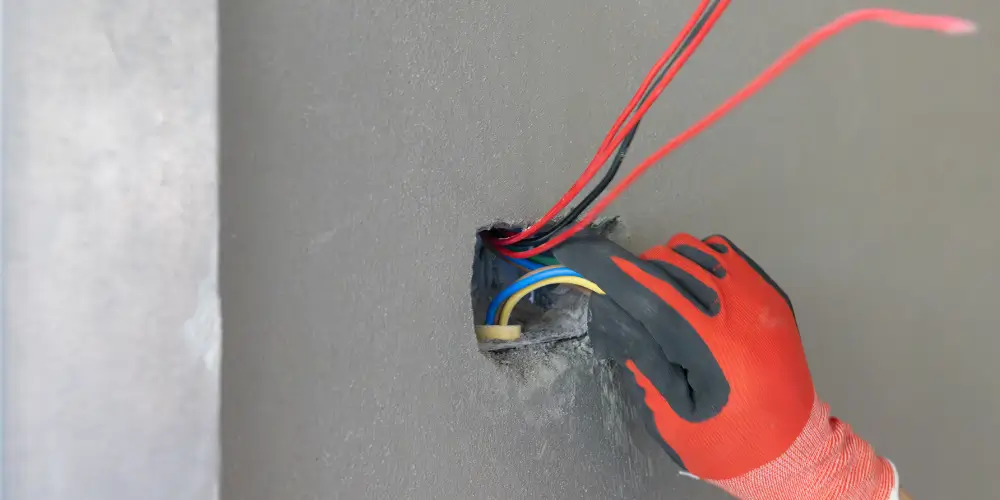
A structured review of the EICR findings allows each electrical issue to be understood regarding risk, urgency, and impact on the retrofit plan. Rather than treating the report as a checklist, the client and project team should look at how individual defects interact with proposed retrofit measures, such as added insulation, new heating systems, or renewables.
A clear, methodical review typically considers:
- Location of each defect – where circuits, accessories, or equipment are within the building and whether retrofit work will limit future access to them.
- Interaction with planned measures – whether identified faults could compromise, or be hidden by, new fabric or system upgrades.
- Safety implications during works – how existing issues might affect temporary supplies, tools, or site operatives while retrofit activities proceed.
- Sequencing implications – which issues must be tackled before, alongside, or after specific retrofit tasks so that remedial work is not obstructed or duplicated.
Complete Necessary Electrical Remedial Work
Addressing the remedial work identified in an unsatisfactory EICR should start with the highest-risk items and follow a clear, structured plan. Priority is normally given to C1 and C2 observations, and FI items that might conceal serious faults. A competent, registered electrician should scope, price, and schedule the work so disruption to occupants and planned retrofit measures is minimized.
Typical remedial work may include:
- Restoring fundamental safety Replacing damaged accessories, exposed live parts, or overheated fittings; correcting polarity and broken earth connections.
- Upgrading circuit protection Installing appropriate MCBs, RCDs, and surge protection where required, guaranteeing the consumer unit can safely support additional loads.
- Repairing or replacing wiring Renewing deteriorated cables, unsafe junction boxes, or ad-hoc extensions that do not meet BS 7671.
- Improving earthing and bonding Bringing main protective bonding to gas, water, and structural steel up to current standards to guarantee fault currents are safely controlled.
Confirm Electrical Safety Before Retrofit Starts
Confirming electrical safety before retrofit work begins prevents new measures from being installed onto an unsafe or non-compliant system. After remedial work has been completed, the responsible person should verify that a qualified electrician checks the installation again, usually through appropriate testing and certification aligned with BS 7671. This step confirms that all previously identified C1, C2, and FI issues have been resolved and that no new defects have been introduced.
The electrician should clearly verify that the installation is now satisfactory for continued use and suitable for the planned retrofit measures, such as added insulation, new heating systems, or low-carbon technologies. Any limitations or remaining advisory observations must be understood and considered in the retrofit design. Only when the electrical installation is verified as safe, with adequate capacity and protection for additional loads, should the retrofit contractor proceed with their work schedule and on-site activities. Check out Electrical Testing Before Retrofit: How Long Does Electrical Testing Take Before Retrofit or Compliance Work?
Update Electrical Records After Remedial Work
Maintaining accurate electrical records after remedial work guarantees traceability, compliance, and informed decision-making for future retrofit activity. Once defects identified in an unsatisfactory EICR have been corrected, documentation must be updated to reflect the new condition of the installation and any design changes introduced.
Clear records help landlords, duty-holders, and retrofit designers understand exactly what work has been done, which circuits were affected, and which components are now installed.
- Record the remedial actions – Note each defect from the EICR, the corrective measure, parts used, and dates of work.
- Update circuit schedules – Revise consumer unit charts, circuit descriptions, ratings, and protective devices so they match the altered installation.
- Store certificates and reports – File the original EICR, invoices, minor works or installation certificates, and any updated diagrams together.
- Align records with asset management – Ascertain housing or facilities asset databases reflect new equipment, locations, and reference numbers.
Reinspect the Installation After Repairs
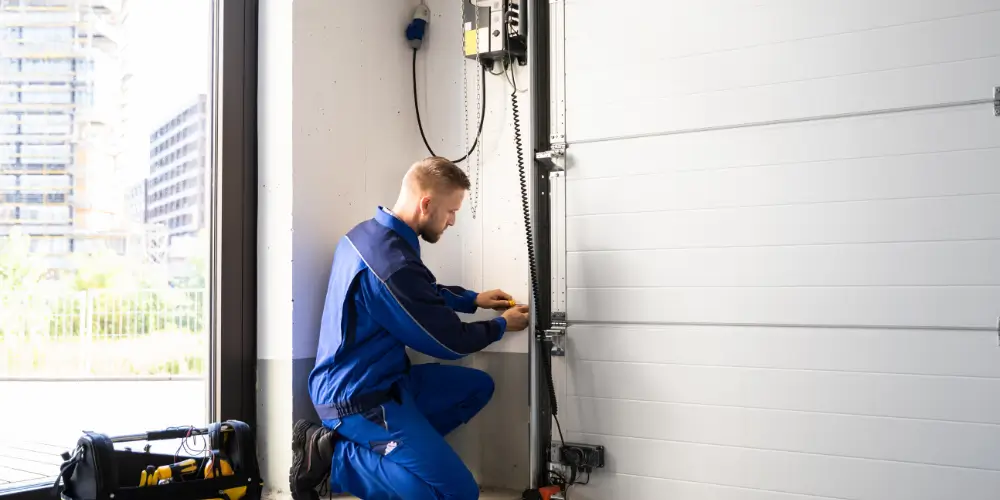
Once remedial work is complete, the installation must be reinspected to verify that defects have been properly corrected and that no new non‑compliances have been introduced. This stage should be carried out by a competent, qualified electrician, ideally the one who performed or supervised the repairs, to guarantee continuity and accountability.
The EICR reinspection should not be a quick visual check. It normally involves repeating key tests from the original EICR, such as continuity, insulation resistance, polarity, and RCD performance, focusing on circuits and components that were modified. Test results should be compared with both regulatory limits and the previous report.
Any remaining issues must be clearly identified and categorised, confirming whether the installation now meets BS 7671. Where standards are satisfied, the inspector should issue either a new EICR or appropriate certification. Only after this confirmation should retrofit work proceed, reducing risk and guaranteeing long‑term safety.
Frequently Asked Questions
Can Retrofit Funding Be Delayed or Withdrawn Due to an Unsatisfactory EICR?
Yes. Funding can be delayed or withdrawn if an EICR is unsatisfactory, because it signals safety or compliance issues. Typically, remedial electrical works and a satisfactory follow‑up EICR are required before retrofit funding can proceed.
Who Is Legally Responsible for Arranging and Paying for EICR Remedial Work?
The legal responsibility usually rests with the property owner or landlord, who must arrange and fund remedial work. In social housing or grant-funded schemes, contracts may shift costs, but compliance duties still sit with the landlord or freeholder.
Does an Unsatisfactory EICR Affect Landlord Insurance or Building Warranty Cover?
Yes, it can. Insurers or warranty providers may still pay out, but they might reduce, refuse, or recover claims if known electrical defects weren’t disclosed, remedial work was ignored, or policy conditions about safety certificates weren’t met.
How Often Should EICRS Be Repeated on Properties Undergoing Staged Retrofit Projects?
They should typically be repeated at each major retrofit stage affecting fixed wiring, and at least every five years, or sooner if specified by the previous report, insurer, building control, or installer’s commissioning recommendations.
Can Tenants Remain in the Property While Electrical Remedial Work Is Carried Out?
Yes, tenants can usually remain, provided circuits are isolated safely, escape routes stay clear, and power loss is managed. However, for major works, vulnerable occupants or extensive shutdowns, temporary relocation or phased scheduling may be safer and more practical.
Conclusion
An unsatisfactory EICR before retrofit work in the UK should be seen as a crucial safeguard, not an obstacle. By carefully reviewing the report, prioritising remedial work, and ensuring all defects are properly rectified and reinspected, property owners protect occupants and investments. Once the installation meets current standards and documentation is updated, retrofit measures can proceed confidently, delivering better energy performance on a secure, compliant electrical foundation.