
Electrical testing before retrofit in the UK is a structured safety and compliance check of the existing installation. It typically takes around 2–3 hours for a small flat and up to a full day or more for larger or more complex properties. Duration depends on access, wiring condition, circuit complexity, and available documentation. Tests include continuity, insulation resistance, polarity, earth fault loop impedance, and functional checks. Further detail explains what is done, who does it, and how to prepare.
Key Takeaways
- Electrical testing assesses the true condition, safety, and capacity of existing wiring before retrofit or compliance work, beyond just paperwork compliance.
- Typical EICR testing for a standard UK home usually takes 2–4 hours; larger or more complex properties can take a full day or more.
- Duration depends on circuit quantity, accessibility of boards and outlets, occupancy constraints, and quality of any existing documentation or previous test records.
- Failed or borderline test results may extend timescales, as extra investigation, intrusive checks, or remedial works must be scoped and sometimes completed before retrofit continues.
- Using a qualified, registered electrician (e.g., NICEIC/NAPIT) and preparing access, labelling, and unplugging equipment reduces testing time and disruption.
Table of Contents
What Is Electrical Testing Before Retrofit?
Electrical testing before retrofit is the systematic evaluation of an existing electrical system’s condition, performance, and safety prior to installing new equipment or upgrades. It examines how reliably power flows, how circuits behave under load, and whether components still operate within their intended limits. The process focuses on discovering the real state of the installation, not simply confirming that it was once compliant on paper.
In the UK retrofit context, this testing typically includes visual inspection, circuit continuity checks, insulation resistance measurements, polarity and earth fault loop tests, and verification of protective devices’ basic function. Instrument readings are compared with recognised technical benchmarks so that results are objective, not opinion-based. By mapping out how the present system actually performs, electrical testing before retrofit gives owners and occupiers clear knowledge of existing capability and constraints, enabling them to pursue new technology, efficiency measures, or layout changes without stepping into the dark. Here you can know the basics of retrofit assessment, its benefits and much more.
Which Electrical Tests Are Carried Out?
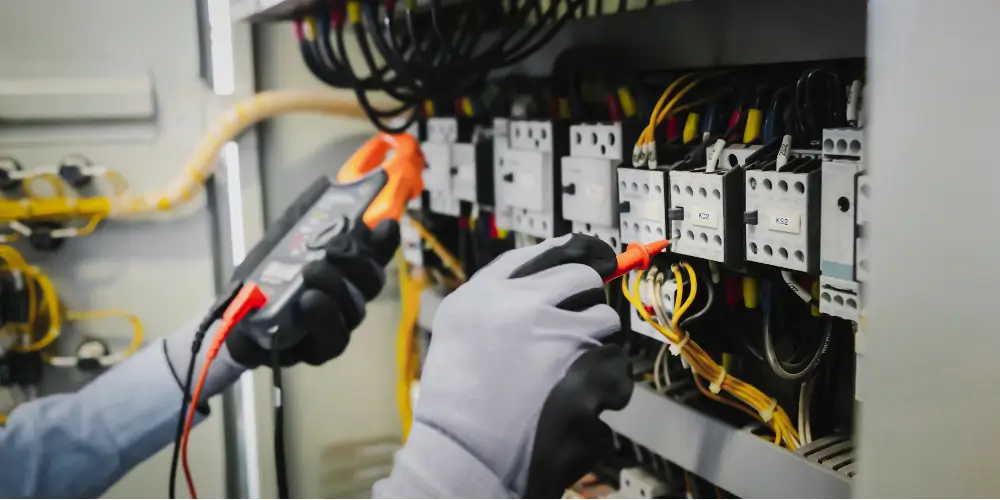
At the heart of pre-retrofit assessment is a defined suite of electrical tests that together reveal the true condition of an installation. An electrician typically begins with continuity checks on protective conductors and bonding, confirming that fault currents have a low-resistance path to earth. Insulation resistance tests follow, using a test instrument to verify that cables are not breaking down and leaking current.
Polarity tests then confirm that live, neutral and earth conductors are correctly connected at sockets, switches and fittings, supporting safe operation of new equipment. Earth fault loop impedance measurements are taken to guarantee protective devices will disconnect fast enough under fault conditions. RCD and RCBO tests check that residual current devices trip within required times, guarding against electric shock.
Finally, functional testing verifies that circuits, controls and safety devices operate as intended, creating a sound platform for any retrofit without hidden electrical risks.
How to Prepare a Property for Electrical Testing
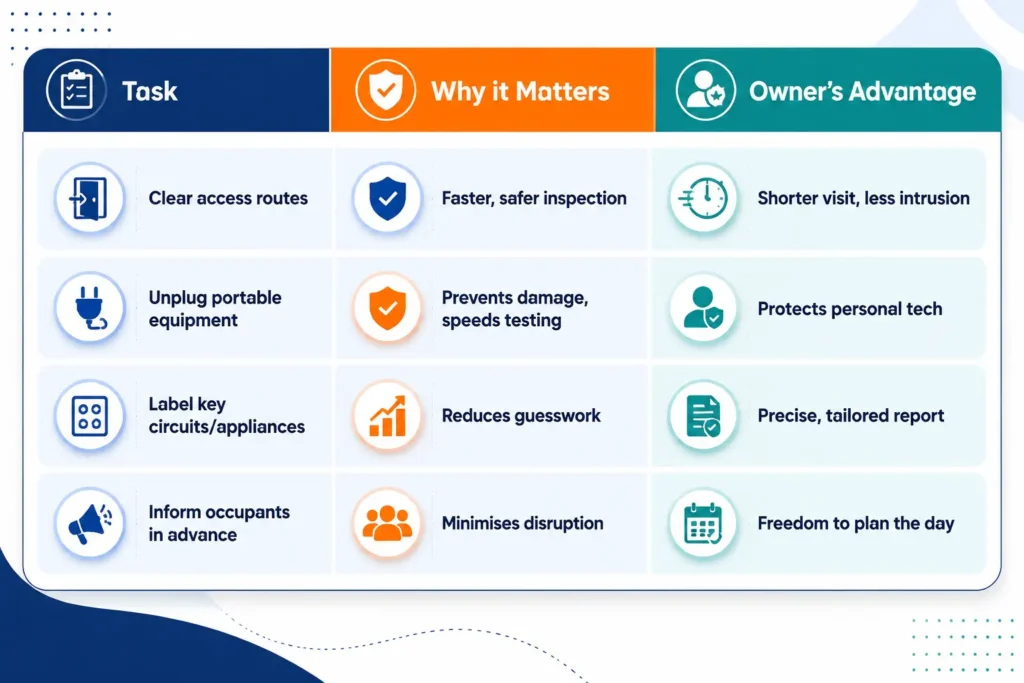
A small amount of preparation before electrical testing can greatly reduce disruption and guarantee accurate results. The property owner remains in control by clearing access to consumer units, sockets, and fixed appliances so engineers can move freely without shifting personal belongings. Sensitive items, valuables, and confidential paperwork should be removed from test areas to maintain privacy and peace of mind.
Power may be switched off for short periods, so occupants can plan ahead: charging devices, scheduling work, or arranging alternative spaces if they wish. Clear communication with the tester about vulnerable occupants, pets, and critical equipment (servers, medical devices, alarms) keeps everyone safe and avoids unwanted surprises.
Factors That Affect Testing Time
While the test sequence itself is largely standard, the time required to complete it can vary considerably depending on several practical factors. The condition of the existing installation is often the dominant influence: older or poorly maintained systems typically require slower progress, repeated measurements, and more detailed recording. Access also shapes the schedule; locked rooms, fixed furnishings, or concealed junction boxes can all delay work and restrict the tester’s freedom of movement.
Other elements that frequently affect duration include:
- Circuit complexity and alterations – Numerous add‑ons, undocumented spurs, or DIY changes demand extra tracing to confirm what is actually connected.
- Occupancy and usage patterns – In homes or workplaces that must stay operational, testers may need to work around occupants’ routines, limiting when circuits can be isolated.
- Preparation and documentation – Up‑to‑date circuit schedules, labelled boards, and clear site information allow testing to flow efficiently, minimising disruption before retrofit decisions are made.
How Property Size Influences the Inspection
Property size exerts a direct and often underestimated impact on the scope and duration of electrical testing before a retrofit. A compact flat with a single consumer unit and limited circuits can often be surveyed in a focused visit, giving the owner faster clarity and freedom to move ahead with upgrades. In contrast, larger homes or multi-storey properties typically contain more circuits, sub-boards, and concealed cable routes, all of which extend testing time.
As floor area and room count increase, so does the number of sockets, lighting points, and fixed appliances that must be inspected and documented. Larger properties may also include outbuildings, garages, or garden supplies, each requiring separate verification. Inspectors must trace circuits methodically to confirm that protective devices match actual loads and cable runs. For owners, understanding this link between size and testing time helps them plan access, minimise disruption, and maintain control over project timelines.
Common Issues During Testing
Although every installation is unique, certain patterns emerge repeatedly during electrical testing before a retrofit. Inspectors often uncover conditions that quietly limit how freely a system can be adapted or expanded. These common issues rarely appear dramatic at first glance, but they directly affect how quickly work can proceed and how much flexibility the occupier ultimately enjoys.
Typical problems include:
- Aging or undersized wiring – Brittle insulation, aluminium conductors, or cables not rated for current demands can block new loads, EV chargers, or heat‑pump installations.
- Overloaded or outdated consumer units – Full boards, missing RCD protection, or improvised additions restrict circuit reconfiguration and delay any upgrade that relies on modern protection devices.
- Hidden DIY alterations – Uncertified spurs, junction boxes buried in walls, and mixed cable types often force extra investigation, extending testing time and sometimes requiring partial rewiring before retrofit work can move forward safely.
Understanding the Electrical Test Report
To make sense of the work ahead, the electrical test report becomes the key reference document that explains what was found and what must change. It translates technical measurements into clear, actionable information, giving owners real choice over how and when to improve their installation.
At its core, the report lists each circuit, its protective devices, and any departures from current wiring standards. Codes such as C1, C2, C3, and FI describe risk levels, helping people prioritise without surrendering control of their space or budget.
| Section | What It Shows | Why It Matters |
| Circuit schedules | Location, rating, breaker type | Reveals capacity for new loads |
| Test results | Continuity, insulation, RCD readings | Confirms if wiring still performs |
| Observations | Defects and non‑compliances | Guides targeted, freedom‑minded fixes |
Understanding these elements lets individuals negotiate scope, timing, and cost on their own terms.
How Failed Results Can Affect Retrofit Projects
Many retrofit plans are reshaped the moment an electrical test throws up failed results. Instead of moving straight to new lighting, heat pumps, or smart controls, the project must first confront the non‑compliant circuits, damaged accessories, or inadequate earthing that testing has exposed. This can feel like a constraint, yet it also clears the way for future freedom: a safer, more resilient installation, ready for low‑carbon technology without hidden risk.
Failed results can influence a project in three main ways:
- Scope shifts: Budgets and designs are adjusted so essential remedial works come before desirable upgrades.
- Timescales stretch: Programmes are resequenced, with high‑risk defects tackled early to keep later works smooth and disruption brief.
- Specifications tighten: Designers and installers often choose more robust components or alternative routes to avoid repeating historic weaknesses.
Handled decisively, a failed test becomes a pivot point, not a dead end.
Who Should Carry Out the Testing?
Rarely is the question of who performs electrical testing before a retrofit merely administrative; it directly determines the quality and credibility of the results. In the UK, such testing should be carried out by a qualified, competent electrician or electrical engineer who is independent enough to report honestly, yet practical enough to understand real‑world constraints on a retrofit project.
Those commissioning the work typically look for professionals who:
- Hold appropriate UK qualifications (e.g., Level 3 NVQ, City & Guilds) and are familiar with BS 7671 and current Building Regulations.
- Are registered with recognised schemes (such as NICEIC, NAPIT, or ELECSA) and can issue valid Electrical Installation Condition Reports (EICRs).
- Demonstrate experience in similar retrofit environments occupied homes, commercial spaces, or industrial sites—so that testing can be thorough without unnecessary disruption.
This approach gives building owners and occupiers confidence that they retain genuine choice without sacrificing safety or compliance.
Frequently Asked Questions
How Much Does Pre-Retrofit Electrical Testing Typically Cost for Domestic Properties?
Pre-retrofit electrical testing for UK domestic properties typically costs about £150–£350. Prices vary with property size, circuit complexity, regional labour rates, and any remedial guidance requested, giving homeowners clear knowledge to freely choose upgrades without hidden surprises.
Can Occupants Remain in the Property During Electrical Testing and Inspection?
Yes, occupants can usually stay, retaining freedom of movement, though brief power shutdowns occur. They should cooperate with access to rooms, sockets, and consumer units, keep pets controlled, and expect minor noise, disruption, and safety instructions from the electrician.
Does Electrical Testing Before Retrofit Affect My Existing Insurance Coverage or Premiums?
Electrical testing usually doesn’t automatically alter existing insurance or premiums, but results can. Insurers may demand remedial work or updated certificates; once risks are reduced, some policies offer better terms. Individuals should notify insurers before major electrical changes.
How Often Should Electrical Testing Be Repeated After Retrofit Works Are Completed?
They should normally repeat testing every five years, or sooner if the space changes use, heavy loads are added, or issues arise. Many choose more frequent checks, like every one to three years, for extra assurance.
Are There Specific Electrical Testing Requirements for Listed or Conservation-Area Properties?
Yes. Listed and conservation-area properties follow standard BS 7671 testing but often face stricter oversight, heritage-sensitive methods, and careful documentation. Local conservation officers and building control may impose additional conditions before, during, and after retrofit work.
Conclusion
To conclude, electrical testing before retrofit work is essential for ensuring safety, compliance, and project efficiency. By identifying faults early, it helps avoid costly delays and rework once installation begins. Testing time will vary with property size, condition, and system complexity, but using a qualified professional is critical. Engaging HSSE Solutions early in the planning process, and preparing the property in advance, streamlines inspection, supports a smooth retrofit, and helps deliver a fully compliant electrical installation.