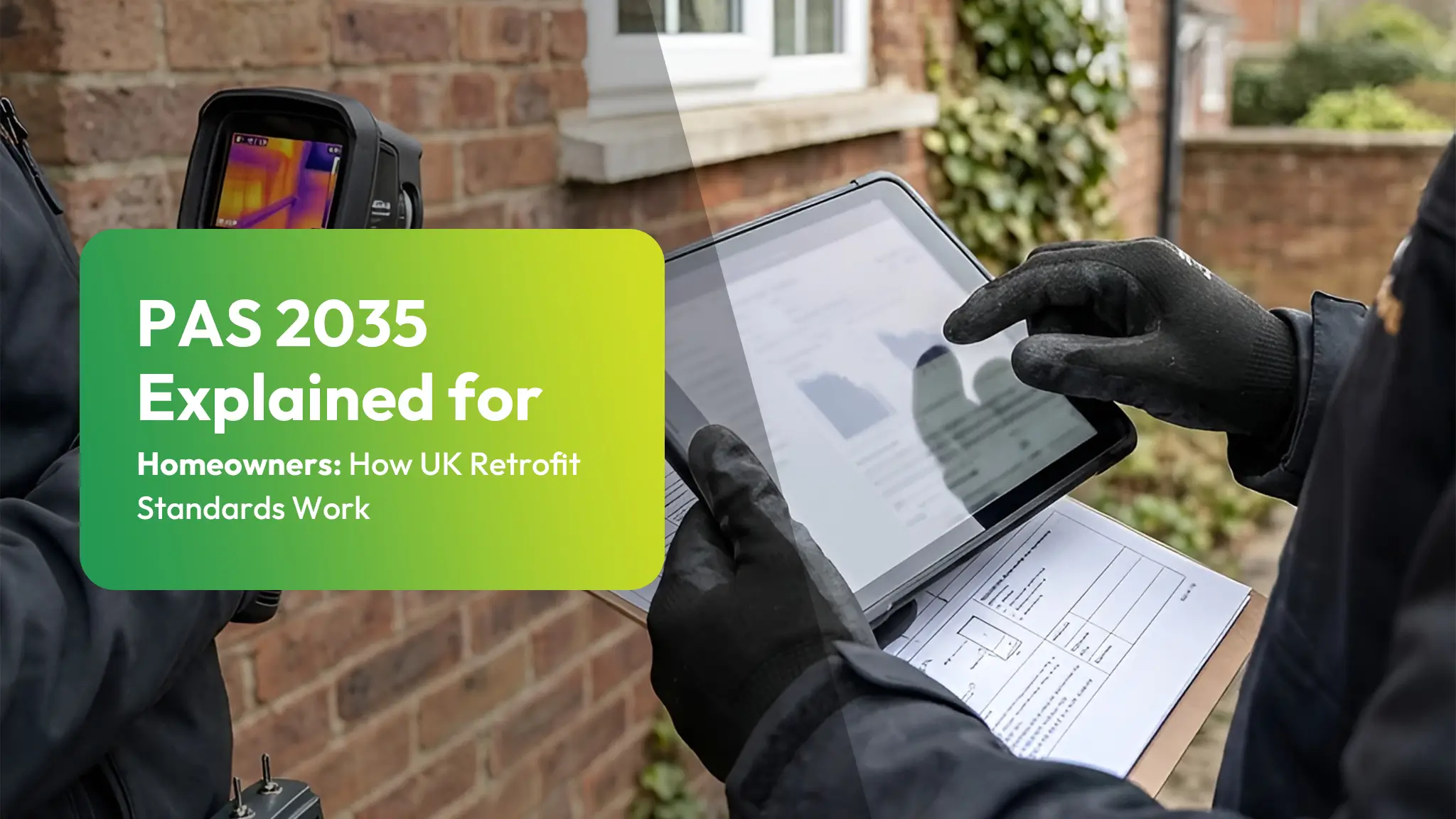
This is the detailed guide of PAS 2035 explained for homeowners. PAS 2035 is the UK standard that governs how energy-efficiency upgrades are planned and carried out in existing homes, mainly where public funding is involved. It replaces ad‑hoc fixes with a whole‑house approach, linking insulation, ventilation, heating, and windows in one coordinated plan. Qualified specialists must assess, design, install, and document the work, protecting homeowners from damp, mould, and poor performance. The full process explains roles, stages, and what to expect at every step.
Key Takeaways
- PAS 2035 is the UK’s official standard for energy-efficiency retrofits, mainly applying to publicly funded work and operating within the TrustMark quality framework.
- It requires a whole-house, evidence-based approach so insulation, ventilation, heating, and windows work together without causing issues like damp or mould.
- A qualified Retrofit Assessor surveys the home and occupancy to create a coordinated, phased improvement plan tailored to the property and its residents.
- A Retrofit Coordinator manages the process, overseeing assessors, designers, and installers, and ensuring measures are designed, installed, and documented to the standard.
- Homeowners receive clear documentation, updated EPCs, and guidance on using and maintaining new systems, with possible follow-up checks to confirm performance and comfort.
Table of Contents
What Is PAS 2035 and Why Was It Introduced?
PAS 2035 is a UK retrofit standard that sets out how energy efficiency improvements to existing homes must be assessed, designed, installed, and checked. It applies to most publicly funded domestic retrofit work and sits within the wider TrustMark framework, signalling that work should be carried out in a consistent, accountable way.
At its core, PAS 2035 defines what “good” looks like when upgrading homes: a whole-house, evidence-based approach that considers the building, its occupants, and long‑term performance.
It was introduced to counter rushed, piecemeal upgrades that had led to damp, mould, wasted money, and broken trust in energy‑saving schemes. By creating a shared technical rulebook, it aims to protect homeowners from poor advice and corner‑cutting, while still leaving them free to choose measures, installers, and timings that fit their own priorities, budget, and appetite for change.
How PAS 2035 Changes the Retrofit Process
Instead of simply tightening up rules in the background, the standard reshapes what actually happens when a home is upgraded. PAS 2035 moves retrofit away from quick‑fix measures and towards a coordinated, whole‑house journey that protects both comfort and choice. It structures the work so that insulation, ventilation, and heating changes support each other instead of clashing.
Under PAS 2035, the process typically unfolds as:
- Whole‑dwelling assessment – The home is surveyed in detail, including fabric, services, moisture risks, and how the space is actually lived in.
- Coherent improvement plan – Measures are combined into a long‑term pathway, so owners can phase work over time while keeping future options open.
- Supervised installation and verification – Qualified roles oversee design, installation, and post‑work checks, reducing the risk of damp, poor air quality, or wasted investment, and giving homeowners greater control over outcomes.
What Homeowners Need to Know Before Retrofit
Before any walls are opened or insulation is ordered, a homeowner benefits from understanding how PAS 2035 will shape decisions, responsibilities, and risks throughout the project. The standard does not remove choice; it defines a framework so owners can choose with clearer information and fewer unpleasant surprises. They should know who is doing what: the roles of retrofit coordinator, designer, and installer, and how these parties must justify their proposals. They should understand that PAS 2035 is “whole‑house” and long‑term, so quick fixes that undermine future options may be challenged.
Homeowners remain free to accept or reject measures, but they should expect recommendations to be evidence‑based and recorded. They should also be aware that warranties, funding, and mortgage conditions may depend on PAS 2035 compliance. Finally, they need to recognise that their own behaviour, ventilation habits, maintenance, and future alterations, can support or undermine the performance of any retrofit. Do You Need a Retrofit Assessment Before Insulation? What You Must Know.
Starting With a Retrofit Assessment
With roles, responsibilities, and homeowner choices set out, the process moves to the first formal step: the retrofit assessment. Under PAS 2035, this is a structured survey of the property, carried out by a qualified Retrofit Assessor, to understand how the home really performs before any intervention is decided.
The assessment respects the homeowner’s right to shape their space, while grounding every future choice in evidence rather than guesswork. Typically, it combines observation, measurement, and discussion:
- Dwelling survey – construction type, age, extensions, ventilation routes, visible defects, signs of damp or mould.
- Energy assessment – current insulation levels, heating system, glazing, air leakage indicators, and energy-use patterns.
- Occupancy interview – how rooms are actually used, comfort preferences, working-from-home needs, and any non‑negotiable lifestyle habits.
Developing a Whole House Retrofit Plan
Turning a detailed assessment into a clear route map, the whole house retrofit plan sets out how the home will be improved over time as a single, coordinated strategy. It translates survey findings into specific measures, timings, and indicative costs, while leaving space for the homeowner to choose the pace and sequence that fits their life, finances, and risk appetite.
The plan typically includes a baseline of current performance, target outcomes (for example, energy demand or comfort levels), and a phased package of measures that work together rather than against each other. It highlights dependencies; such as improving ventilation before tightening the building fabric, so freedom to decide does not mean stumbling into technical traps. It also considers disruption, maintenance cycles, and future upgrades, allowing individuals to mesh retrofit actions with other life plans, preserving their ability to adapt, pause, or accelerate as circumstances change.
The Role of a Retrofit Coordinator
Acting as the project’s central guide, the Retrofit Coordinator is responsible for overseeing every stage of the PAS 2035 process and ensuring that all work is technically sound, safe, and aligned with the agreed whole house plan. From the homeowner’s perspective, this role protects their freedom to choose measures confidently, knowing someone is tracking quality, risk, and long‑term performance.
A Retrofit Coordinator manages information, checks compliance with PAS 2035, and keeps the project on course when multiple specialists are involved. They aim to prevent costly mistakes, lock‑in issues, or unintended side effects that could restrict how the home is used in future.
Homeowners can think of the Coordinator’s role as:
- Translating technical standards into clear, practical decisions.
- Anticipating risks so the home remains comfortable, flexible, and durable.
- Recording evidence of work, giving homeowners proof and peace of mind.
Who Designs and Delivers PAS 2035 Retrofit Work?
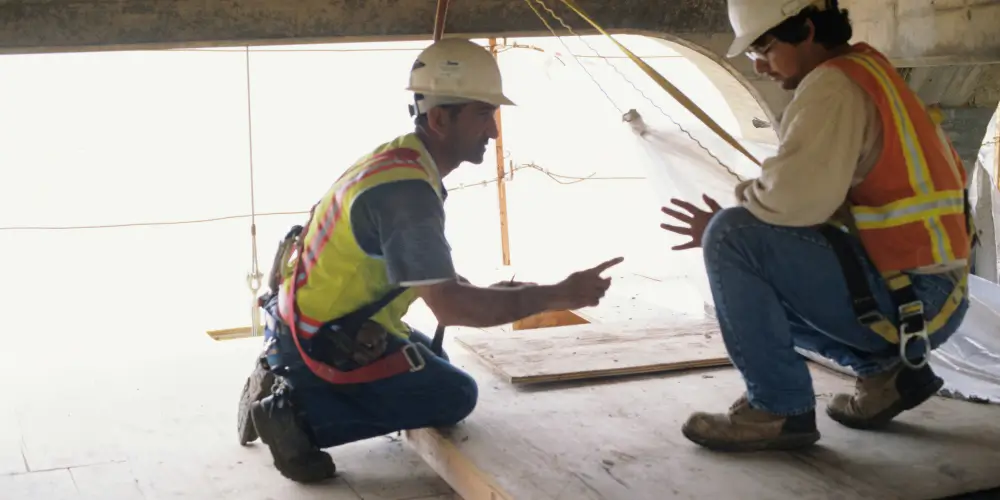
Behind every PAS 2035 project sits a small team of qualified specialists, each responsible for a distinct stage of design and delivery. Homeowners keep control by understanding who does what and choosing people who respect their preferences, budget, and appetite for change. Retrofit Assessors survey the home, collecting data on condition, energy use, and moisture risks. Retrofit Designers then turn this into a coherent plan: insulation strategy, ventilation approach, heating upgrades, and sequencing of works so the home evolves, not endures disruption.
Installers deliver the physical work on site. Under PAS 2035 they must be competent, typically TrustMark-registered, and capable of following the agreed design rather than improvising shortcuts. Finally, Retrofit Evaluators may be brought in after completion to check how the home performs in reality. Together, these roles create a transparent framework that homeowners can navigate while still making independent, informed choices.
Managing Quality and Risks During Retrofit
With defined roles in place, PAS 2035 then sets out how those people must manage quality and risk from first survey to final sign‑off. Instead of relying on guesswork, each stage is tested against evidence: moisture, ventilation, structural safety, energy use and comfort. This gives householders a clear line of sight from early promises to delivered performance.
To keep projects on track and protect future flexibility, PAS 2035 expects the project team to:
- Identify risks early – damp, cold bridges, poor ventilation, fire safety, and unintended consequences are logged and prioritised.
- Plan controls – design choices, product selection, and installation methods are chosen to reduce those risks while preserving the home’s character and adaptability.
- Verify outcomes – inspections, photos, air‑tightness or ventilation checks, and clear records confirm that the work actually matches the agreed design, so occupants are free to enjoy a safer, more efficient home.
PAS 2035 Requirements for Home Improvements
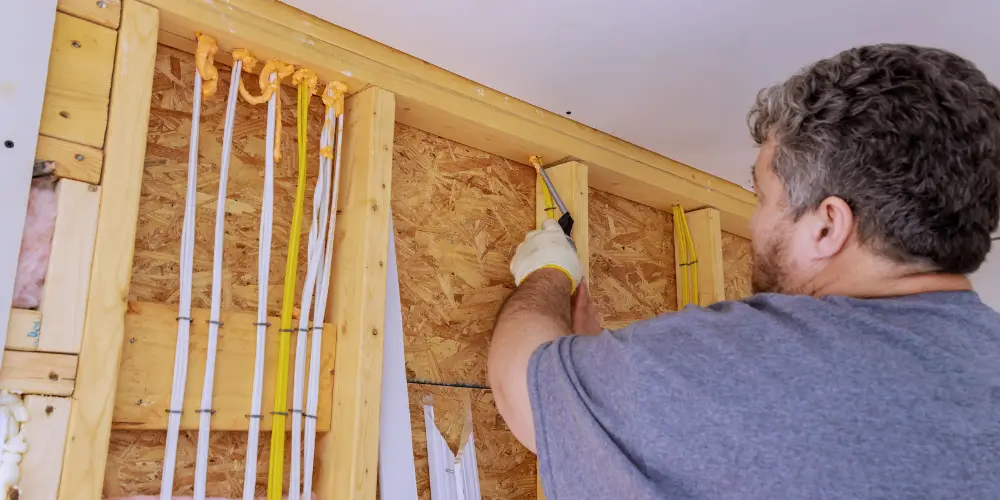
PAS 2035 sets out clear, practical rules that any qualifying home energy improvement must follow, whether it involves insulation, ventilation, heating upgrades, or window replacements. It requires that every measure is based on evidence from the whole-house assessment, not on sales pressure or guesswork. Materials and products must meet recognised standards, be installed to manufacturer instructions, and be compatible with the building’s age, construction, and moisture behaviour.
The standard demands that professional thermal upgrades are balanced with ventilation, so occupants can enjoy lower bills without losing fresh air or control over their indoor environment. Fire safety, structural integrity, and protection from damp or overheating are treated as non‑negotiable. PAS 2035 also insists on clear documentation: what was installed, why it was chosen, and how it should be used and maintained. This transparency helps homeowners keep their options open for future upgrades and avoid being locked into poor decisions.
What Happens After Retrofit Work Is Completed?
Once the retrofit work is finished, the process does not simply end at the last day on site. Under PAS 2035, there is a defined wrap‑up phase designed to prove that the home performs as promised and that the homeowner can live freely and confidently with the new measures.
Typically, three things follow completion:
- Handover and documentation – The coordinator provides manuals, product warranties, ventilation instructions, and an updated Energy Performance Certificate, so the homeowner understands how to run the home without guesswork.
- Post-installation checks – Inspections, photographs, and possibly air‑tightness or ventilation tests confirm that work meets the design, regulations, and PAS 2035 requirements, avoiding hidden compromises.
- Monitoring and feedback – There may be follow‑up visits, phone calls, or digital monitoring to check comfort, bills, and any issues. This closing loop helps guarantee long-term performance and protects the homeowner’s freedom to enjoy a warm, efficient home.
Frequently Asked Questions
Does PAS 2035 Apply to Listed Buildings or Conservation Areas?
Yes, it applies in principle to listed buildings and conservation areas, but with exemptions and stricter heritage controls. Owners must balance retrofit ambitions with consent requirements, specialist advice, and fabric-first methods that respect historic character and legal protections.
How Does PAS 2035 Interact With Building Regulations and Planning Permission?
It sits alongside, not above, existing law. Building Regulations and planning permission still rule; PAS 2035 adds a risk‑managed retrofit process. Homeowners must satisfy all three, coordinating designs so compliance doesn’t crush comfort, character, or future flexibility.
Are There Grants or Funding Schemes That Require PAS 2035 Compliance?
Yes. Many UK public funding streams demand PAS 2035, including ECO4, Great British Insulation Scheme and most local‑authority retrofit grants; some mortgage‑linked “green” loans also require it to access cash while protecting consumer choice and quality.
Can I Use My Own Builder if They’re Not PAS 2030 Certified?
They technically can, but risk losing access to many grants and guarantees. Funding schemes usually demand PAS 2030 contractors under PAS 2035 oversight. Using a non‑certified builder shifts responsibility, risk, and future compliance costs entirely onto the homeowner.
How Does PAS 2035 Affect Home Insurance or Mortgage Applications?
It can influence insurer and lender risk views: certified, documented retrofits may reveal better terms, while uncertified or poorly evidenced works risk higher premiums, extra surveys, or reduced lending, depending on each provider’s evolving policy and appetite for flexibility.
Conclusion
PAS 2035 explained for homeowners gives a clear, structured route to making energy improvements that are safer, more effective and longer lasting. By focusing on whole-house planning, proper assessment and qualified professionals, it reduces the risks of damp, poor ventilation and wasted investment. Homeowners who understand the process, ask for PAS 2035 compliance and engage with post-installation monitoring are better placed to enjoy warmer, healthier homes with lower energy bills and improved long-term property value.