UK homeowners comparing external wall insulation vs internal wall insulation should weigh visual impact, disruption and thermal performance. EWI wraps the property, cutting heat loss, boosting EPC ratings and updating tired façades. IWI upgrades walls from inside, ideal where the exterior cannot be altered. Both can use high‑performance or natural materials and must be paired with good moisture management. The best choice depends on wall type, space and planning factors explored below.
Key Takeaways
- External wall insulation (EWI) usually delivers better overall thermal performance and fewer cold bridges, especially for solid-wall or poorly insulated UK homes.
- Internal wall insulation (IWI) preserves the exterior appearance, making it preferable for period properties, conservation areas, or visually sensitive façades.
- EWI work is mainly done outside and is less disruptive to daily life, whereas IWI requires room-by-room access and temporarily reduces usable living space.
- Both EWI and IWI can significantly improve EPC ratings, cut heating bills, and help meet minimum energy standards for rented properties.
- Material choice and moisture management are critical for both systems; insulation must not simply cover up damp but form part of a wider moisture strategy.
Table of Contents
How Wall Insulation Impacts Your EPC Rating
Improving wall insulation has a direct and often significant influence on a property’s Energy Performance Certificate (EPC) rating. Walls typically account for a large share of heat loss in UK homes, so reducing this loss improves the building’s overall energy efficiency score.
By improving thermal performance, wall insulation reduces the energy needed for heating, lowering carbon emissions and running costs. EPC assessment software recognises these upgrades, which can raise your EPC band, making your home more attractive to buyers or tenants and helping meet legal standards for rental properties. In the UK, combining wall insulation with other energy-efficiency measures, such as loft insulation, double glazing, or modern heating systems, maximises EPC gains and long-term energy savings.
What Is External Wall Insulation (EWI)?
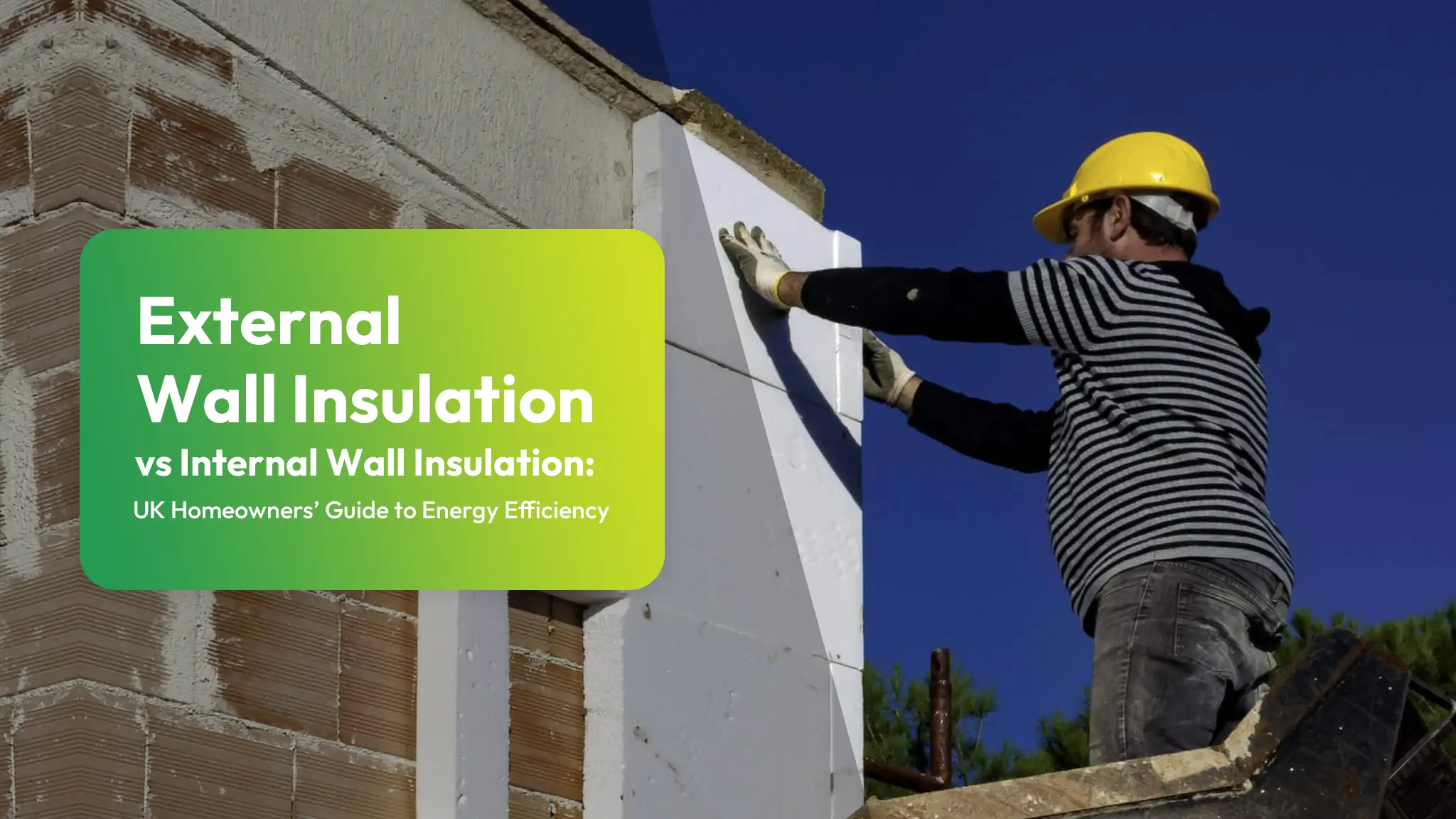
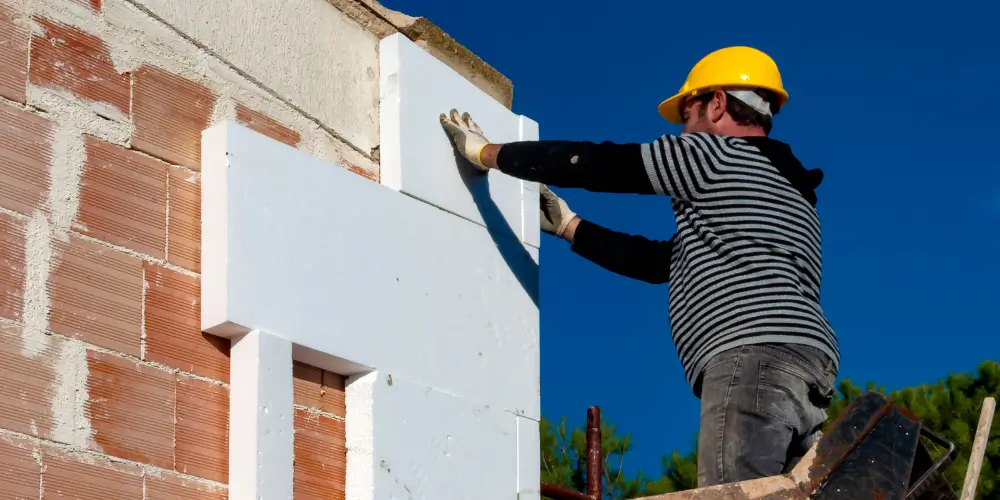
External wall insulation (EWI) adds insulating boards to the outside of a building, which are covered with a protective finish such as render. It is ideal for solid-wall or poorly insulated homes, especially older properties. The system reduces heat loss, limits cold spots, protects the building from weather, and can improve the home’s appearance.
What Is Internal Wall Insulation (IWI)?
Internal wall insulation (IWI) adds insulating layers to the inside of external walls, using rigid boards or studwork filled with insulation and finished with plasterboard. It is installed room by room, making it suitable for flats or homes where external changes are restricted.
IWI reduces heat loss, keeps rooms warmer, and lowers heating demand. Proper installation around sockets, skirting boards, windows, and wall junctions is essential to prevent cold spots and manage moisture.
Key Differences Between External and Internal Wall Insulation
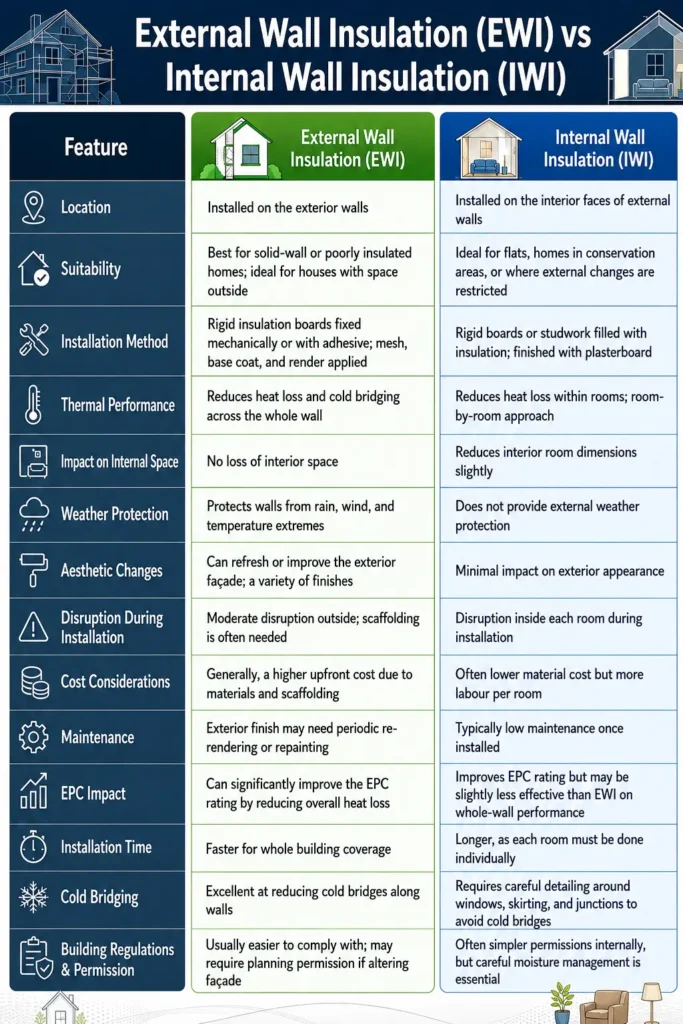
A clear comparison “external wall insulation vs internal wall insulation” highlights differences in appearance, installation disruption, technical performance, and suitability for different property types. The table below summarises the key contrasts.
Which Is Better: External Wall Insulation or Internal Wall Insulation?
Deciding “external wall insulation vs internal wall insulation” is better depends less on the products themselves and more on the building, budget, and priorities involved. Each approach has clear strengths and limitations. External wall insulation generally suits homeowners seeking maximum heat retention, minimal internal disruption, and a refreshed façade.
It is often preferable for solid-wall homes with tired exteriors and enough garden or street space to accommodate thicker walls. Internal wall insulation is often favoured when the external appearance must be preserved, such as in listed buildings or conservation areas, or when budgets are tighter. It can be targeted to individual rooms, but slightly reduces the floor area. In practice, many UK properties benefit from a tailored mix rather than a single “best” option.
What Materials Are Best for External and Internal Wall Insulation?
Material choice sits at the heart of effective wall insulation, shaping not only thermal performance but also moisture control, fire safety, and environmental impact. For external wall insulation, rigid boards are typically fixed to the outside of solid walls, while internal systems rely on boards or studwork with insulation infill.
- Expanded Polystyrene (EPS) – Common for external systems; cost‑effective, lightweight, and offers good thermal performance.
- Mineral Wool (Rockwool) – Used both externally and internally; non‑combustible with strong acoustic performance.
- Phenolic or PIR Boards – High insulation value at reduced thickness, useful where space or façade depth is limited.
- Natural Insulations (Wood Fibre, Cork, Sheep’s Wool) – Favoured in eco‑retrofits; provide breathable, low‑impact options for internal or carefully designed external systems.
Can Wall Insulation Prevent Damp and Condensation?
With the choice of insulation materials established, attention turns to how these systems interact with moisture in the building fabric. Insulation can greatly reduce surface condensation by keeping internal wall surfaces warmer, so moist indoor air is less likely to reach the dew point on cold walls. This is particularly true for external wall insulation, which wraps the structure and limits cold spots and thermal bridging.
However, insulation does not “cure” damp caused by penetrating leaks, rising damp, or plumbing faults. In some cases, poorly designed or installed systems can trap moisture, worsening problems. Vapour control layers, breathable materials, and adequate ventilation remain essential. When correctly specified for the wall type and local conditions, insulation helps manage the risk of condensation but must be part of a wider moisture strategy.

Planning Permission and Building Regulations for Wall Insulation in the UK
Before any wall insulation work proceeds, legal and regulatory requirements must be understood and accounted for. In the UK, planning permission and Building Regulations affect external and internal wall insulation differently, and homeowners must confirm both before instructing installers.
Key points typically considered include:
- Planning permission – Often required for external wall insulation that alters a property’s appearance, affects boundaries, or is in conservation areas or listed buildings.
- Building Regulations – Apply to thermal performance, fire safety, moisture control, ventilation, and structural stability.
- Local authority consultation – Written confirmation from the planning department and Building Control (or an approved inspector) is advisable.
- Certifications and warranties – Reputable installers use certified systems (e.g., BBA) and provide the documentation needed for future sales or remortgaging.
Frequently Asked Questions
Can I Get Grants or Funding for External or Internal Wall Insulation in the UK?
Yes, you may access UK grants or funding, depending on income, property type, and scheme availability. Check ECO4, the Great British Insulation Scheme, local council programs, and energy supplier offers, and confirm the installer’s accreditation before applying.
How Disruptive Is Installing Wall Insulation, and How Long Does It Typically Take?
Wall insulation installation is moderately disruptive, involving noise, dust, and temporary room or access restrictions. Internal systems often take several days per room; external insulation typically spans one to three weeks, depending on property size, complexity, and weather.
Will Wall Insulation Change the Appearance or Value of a Period or Listed Property?
Wall insulation can subtly alter the appearance of a period or listed property externally; internal solutions preserve façades. Value may rise through improved efficiency, but planning restrictions, heritage consent, and quality of detailing strongly influence both aesthetic impact and market perception.
How Do I Choose a Reliable Installer for Wall Insulation and Avoid Poor Workmanship?
You should shortlist TrustMark-registered installers, check BBA or similar certifications, request references and recent projects, compare detailed written quotes, confirm guarantees and insurance, and avoid pressure sales, vague specifications, or unsubstantiated, considerably cheaper offers.
What Maintenance, Repairs, or Inspections Are Needed After Wall Insulation Is Installed?
Visually inspect walls yearly for cracks, staining, dampness, or blown plaster; clear gutters and vents; reseal joints if gaps appear; repaint or re-render as coatings age; and seek professional assessment after leaks, impact damage, or major movement.
Conclusion
Ultimately, “external wall insulation vs internal wall insulation” depends on the property’s construction, budget, and priorities around space, appearance, and disruption. Both options can greatly improve a home’s EPC rating, comfort, and running costs when correctly designed and installed. By weighing the pros and cons, selecting suitable materials, and following UK planning and building regulations, homeowners can find a tailored insulation solution that tackles heat loss, reduces the risk of condensation, and future-proofs their property.