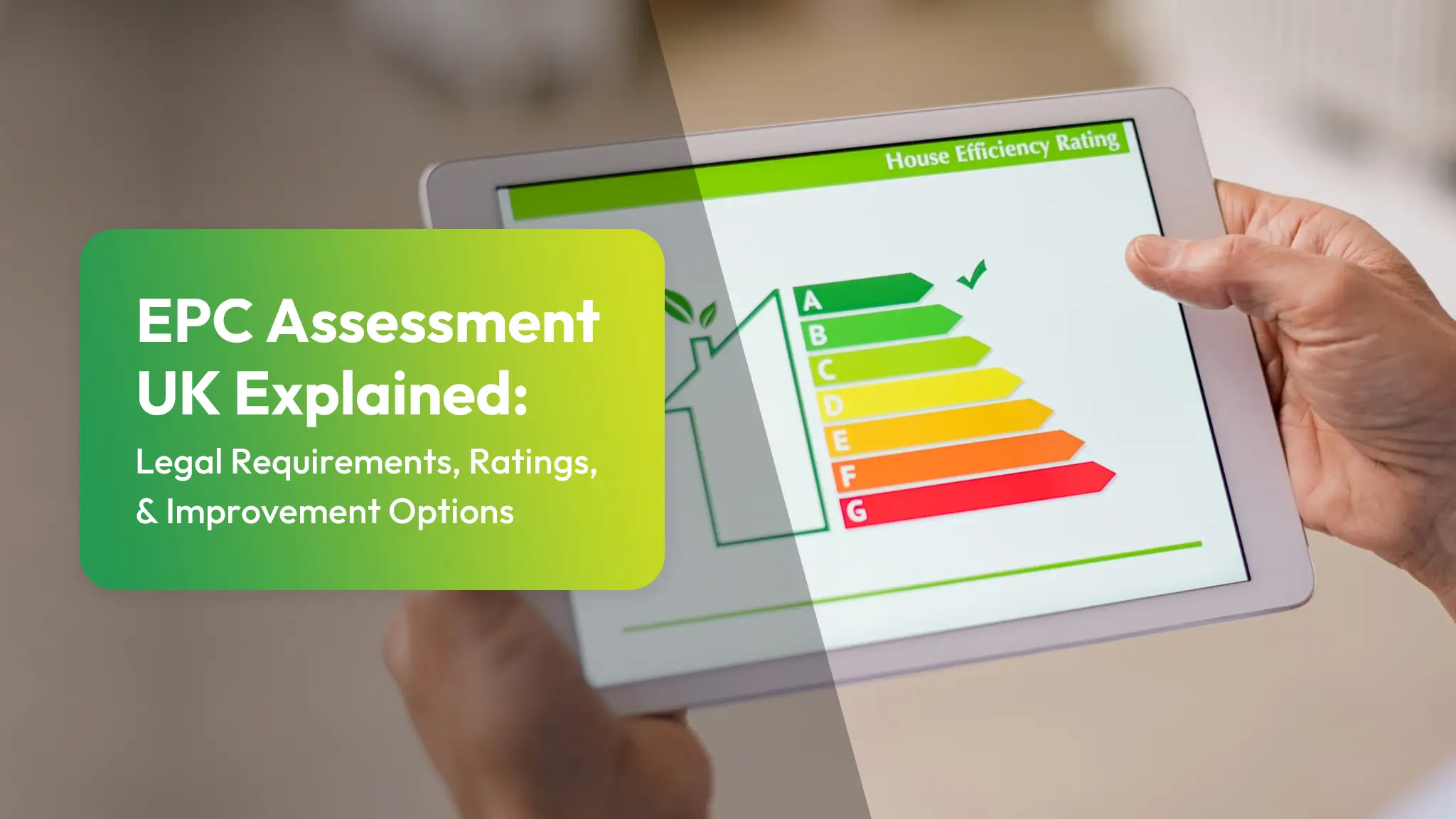
The Energy Performance Certificate (EPC) is an essential tool in the UK for evaluating the energy efficiency of properties through an epc assessment uk. It provides a standardized rating system from A to G, reflecting a building’s environmental impact. Legal obligations surround its issuance, especially for landlords. Understanding these requirements and ratings is important. In addition, there are various strategies for enhancing EPC ratings that can lead to significant benefits for property owners. What steps can be taken to improve these ratings effectively?
Key Takeaways
- An Energy Performance Certificate (EPC) rates properties from A (most efficient) to G (least efficient), providing essential energy efficiency information for buyers and tenants.
- EPCs are legally required for properties marketed for sale or rent, and failure to provide one can lead to penalties.
- Properties must meet minimum energy efficiency standards (E) under the Minimum Energy Efficiency Standards (MEES) to be legally rented out.
- Improving EPC ratings can be achieved through better insulation, efficient heating systems, and renewable energy sources like solar panels.
- EPC assessments promote energy efficiency awareness, support long-term cost savings, and increase property attractiveness in the market.
Table of Contents
EPC Assessment UK Explained: What It Is and Why It Matters
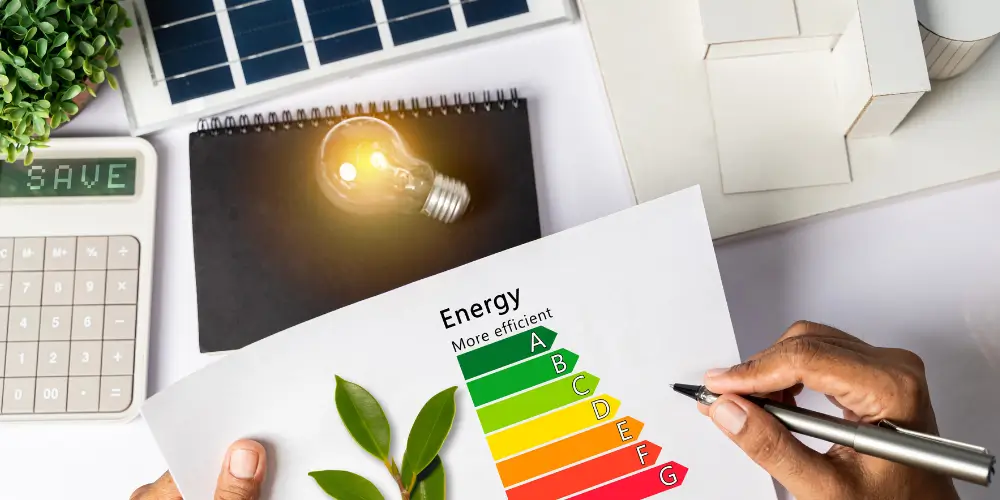
Although many property owners may not be familiar with the term, the Energy Performance Certificate (EPC) assessment plays an important role in the UK real estate market. The EPC is a document that provides prospective buyers and tenants with information regarding a property’s energy efficiency. It rates properties on a scale from A to G, with A being the most efficient and G the least. This assessment not only reflects the environmental impact of a property but also indicates possible energy costs for occupants.
Understanding EPCs is essential for homeowners and investors, as properties with higher ratings are often more attractive in a competitive market, leading to increased value and desirability. Furthermore, the UK government mandates EPC assessments for properties being sold or rented, making compliance an important legal obligation. Fundamentally, the EPC assessment serves as a key tool in promoting energy efficiency and sustainability within the housing sector.
How an EPC Assessment Works and What It Measures
An EPC assessment evaluates a property’s energy performance through a systematic process used in an epc assessment uk. The assessment begins with an inspection conducted by a certified energy assessor, who collects data on elements such as insulation, heating systems, and windows. This information is then analyzed to generate a rating on a scale from A (most efficient) to G (least efficient).
The following table summarizes key factors measured during an EPC assessment:
| Factor | Description | Impact on Rating |
| Insulation | Quality and extent of thermal insulation | Higher insulation improves efficiency |
| Heating System | Type and efficiency of the heating system | Modern systems increase performance |
| Windows | Glazing type and frame quality | Double glazing aids in energy retention |
| Ventilation | Effectiveness of air circulation | Proper ventilation reduces energy loss |
Understanding these factors helps property owners identify improvement opportunities.
Legal Requirements for EPC Assessments in the UK
EPC assessments are not just a recommendation but a legal requirement for properties in the UK, particularly when they are sold or rented. The Energy Performance Certificate (EPC) must be provided to prospective buyers or tenants, guaranteeing they are informed about the property’s energy efficiency.
According to the Energy Performance of Buildings (England and Wales) Regulations, an EPC is obligatory when a property is marketed for sale or rent. Moreover, landlords must guarantee that their properties meet minimum energy efficiency standards, as outlined in the Minimum Energy Efficiency Standards (MEES) regulations.
Failing to provide an EPC can lead to penalties, including fines. In addition, properties with an EPC rating below ‘E’ cannot be legally rented out, emphasizing the importance of compliance. These regulations aim to improve energy efficiency across the housing sector, reducing carbon footprints and promoting sustainability in the property market.
What EPC Ratings Mean for Homeowners and Landlords
Understanding EPC ratings is essential for homeowners and landlords, as these ratings directly impact property value and rental possible.
An Energy Performance Certificate (EPC) provides a standardized assessment of a property’s energy efficiency, rated from A (most efficient) to G (least efficient). Higher ratings indicate lower energy costs and better environmental performance, making properties more attractive to possible buyers and tenants.
Homeowners may benefit from improving their EPC ratings, as higher ratings can lead to increased property values and a competitive edge in the market.
For landlords, an EPC rating of E or above is mandatory to legally rent a property, emphasizing the importance of compliance. Furthermore, properties with better EPC ratings often experience lower vacancy rates, as energy-efficient homes appeal to environmentally conscious tenants.
How EPC Results Affect Property Sales and Rentals
While many factors influence property sales and rentals, EPC results play a significant role in determining market interest and pricing. A higher EPC rating generally indicates better energy efficiency, making properties more appealing to possible buyers and tenants. This increased desirability can lead to faster sales and higher rental values, as energy-efficient homes often promise lower utility bills and reduced environmental impact.
Conversely, properties with low EPC ratings may struggle to attract interest, possibly resulting in prolonged market exposure and reduced offers. Landlords and sellers may also face legal obligations to improve energy efficiency before renting or selling, further complicating the process.
In a competitive market, prospective buyers and renters are increasingly prioritizing sustainability. Therefore, an EPC rating not only reflects compliance with regulations but also serves as a key marketing tool, influencing both demand and pricing strategies in real estate transactions.
Common Reasons Properties Receive Low EPC Ratings
Low EPC ratings can stem from a variety of factors that impact a property’s energy efficiency. Understanding these reasons is essential for property owners aiming to increase their ratings.
- Poor Insulation: Inadequate insulation in walls, roofs, and floors can lead to significant heat loss, making it difficult to maintain a comfortable indoor temperature without excessive energy use.
- Inefficient Heating Systems: Outdated or poorly maintained heating systems consume more energy, contributing to lower EPC ratings. These systems may also lack modern efficiency technologies, exacerbating the issue.
- Single-Glazed Windows: Properties with single-glazed windows typically experience higher energy loss compared to those with double or triple glazing. This can result in increased heating demands and, consequently, lower energy efficiency ratings.
Identifying these common issues enables property owners to take informed steps towards improving their EPC ratings, ultimately benefiting both the environment and their investment.
Practical Ways to Improve Your EPC Rating
Improving an EPC rating requires strategic upgrades and adjustments that increase a property’s energy efficiency. Homeowners can begin by conducting a thorough energy audit to identify areas needing improvement.
Upgrading insulation in walls, roofs, and floors can greatly reduce heat loss. Additionally, installing energy-efficient windows can help maintain indoor temperatures, further contributing to an improved rating.
Updating heating systems to more efficient models, such as condensing boilers or heat pumps, can also increase energy performance. Incorporating renewable energy sources, like solar panels, not only lowers energy costs but can positively impact EPC scores.
Moreover, switching to energy-efficient lighting and appliances reduces overall energy consumption. Ensuring proper ventilation can prevent moisture build-up and increase indoor air quality.
EPC Assessment UK vs Other Energy Efficiency Checks
Understanding the differences between an EPC assessment and other energy efficiency checks is essential for homeowners looking to increase their property’s energy performance.
An EPC (Energy Performance Certificate) provides a thorough overview of a building’s energy efficiency, while other checks may focus on specific aspects.
- EPC Assessment: Offers a holistic view of energy performance, including ratings and recommendations for improvement.
- Energy Audits: These are more detailed evaluations that examine specific energy use within a property, identifying inefficiencies and possible savings.
- Building Regulations Compliance Checks: These guarantee that the property meets legal energy efficiency standards but do not provide a performance rating like an EPC.

When a New EPC Assessment Is Required by Law
In the UK, a new EPC assessment is legally required when a property is sold, rented, or undergoes significant renovations. This regulation guarantees that prospective buyers or tenants are informed about the energy efficiency of the property they are considering.
The assessment must be completed by an accredited energy assessor, who evaluates the property’s energy performance based on various factors, including insulation, heating systems, and overall energy usage. Additionally, any major alterations that affect the energy efficiency of a building, such as installing new windows or upgrading heating systems, may necessitate a new EPC assessment.
It is essential for property owners to comply with these legal requirements to avoid possible penalties and to increase the marketability of their properties. By maintaining an up-to-date EPC, owners can provide transparency and demonstrate their commitment to energy efficiency.
How EPC Assessments Support Energy Savings and Compliance
EPC assessments play an essential role in promoting energy savings and guaranteeing compliance with regulations. By evaluating the energy efficiency of buildings, these assessments provide valuable insights that can lead to significant improvements.
Understanding the benefits of EPC assessments is essential for property owners and tenants alike.
- Identifying Efficiency Improvements: Assessments highlight areas where energy use can be reduced, such as insulation upgrades or efficient heating systems.
- Regulatory Compliance: EPCs guarantee that properties meet minimum energy performance standards, helping owners avoid penalties and legal issues.
- Enhancing Marketability: Properties with higher EPC ratings are often more attractive to possible buyers or tenants, reflecting lower utility costs and environmental responsibility.
Conclusion
In summary, understanding the Energy Performance Certificate (EPC) is essential for homeowners and landlords in the UK, as it not only reflects a property’s energy efficiency but also aligns with legal requirements set through an epc assessment uk. By recognizing the implications of EPC ratings and exploring improvement options, property owners can increase their property’s value while promoting sustainability. Ultimately, staying compliant with EPC regulations supports energy savings and contributes to a more environmentally responsible methood to property management.