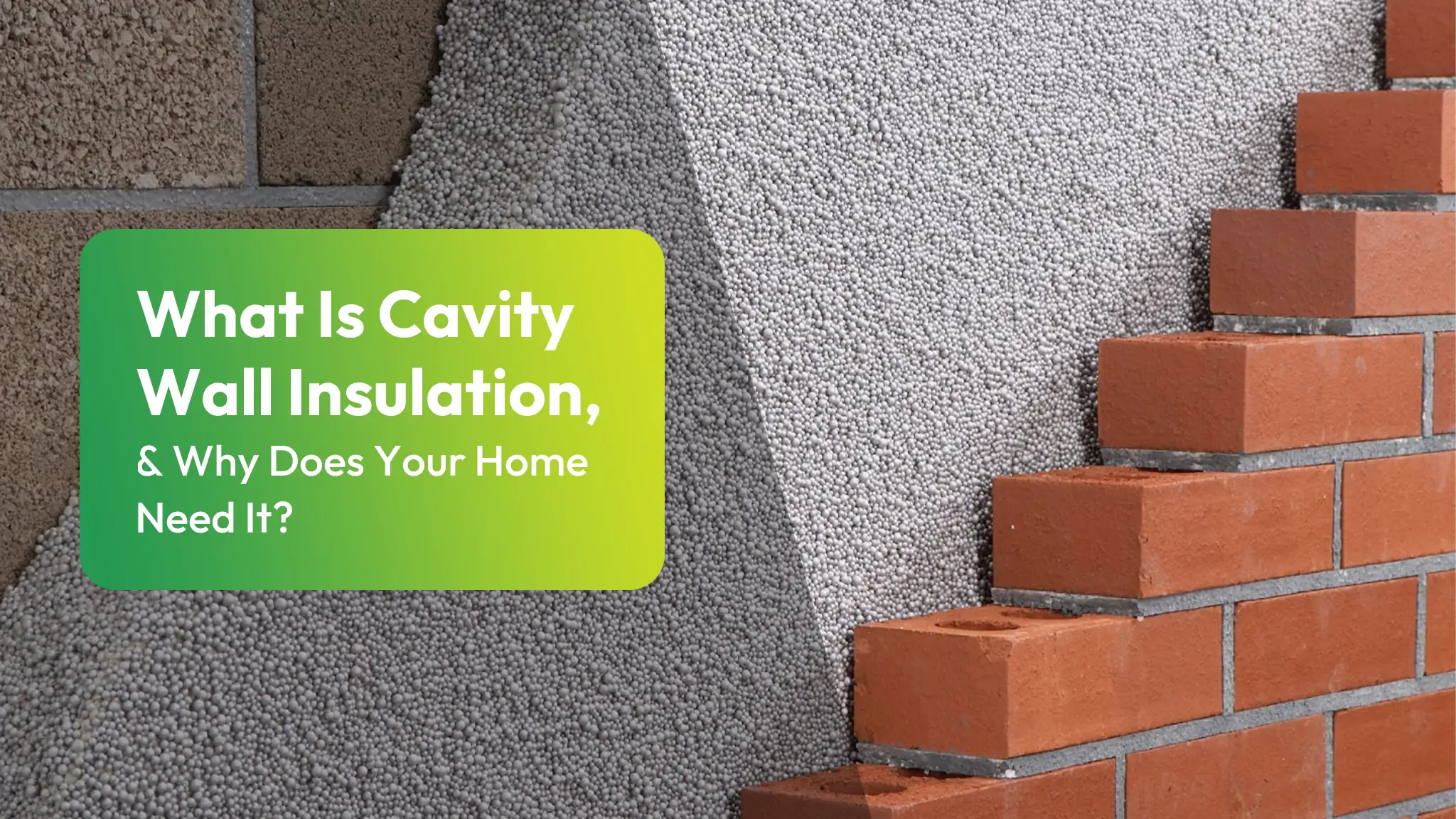
Cavity wall insulation represents an essential advancement in home energy efficiency, leading many homeowners to ask, “What Is a Cavity Wall Insulation?” It involves filling the gap between two walls to reduce heat loss and increase comfort. This method is particularly relevant for homeowners in regions with colder climates. Understanding its functionality and benefits can lead to significant energy savings. However, many may wonder if their property is suitable for this type of insulation. The answer may surprise them.
Key Takeaways
- Cavity wall insulation fills the gap between two wall layers, enhancing thermal performance and reducing energy consumption.
- Minimises drafts, retains warmth in winter, and contributes to a comfortable living environment.
- Adequate insulation helps manage moisture levels, reducing the risk of condensation and promoting a healthier home.
- Installing cavity wall insulation can significantly lower heating costs and improve property value, especially in older homes.
- It’s a sustainable choice that supports energy conservation goals and reduces your carbon footprint.
Table of Contents
What Is Cavity Wall Insulation? A Simple Explanation for Homeowners
What Is a Cavity Wall Insulation? Cavity wall insulation is an essential component of modern energy-efficient homes. This type of insulation involves filling the gap, or cavity, between two layers of brick or block walls. The primary purpose of cavity wall insulation is to improve thermal performance, thereby reducing energy consumption and heating costs.
Homeowners benefit from a more comfortable living environment, as the insulation minimises drafts and retains warmth during colder months.
In addition to energy savings, What Is a Cavity Wall Insulation? Cavity wall insulation contributes to a reduced carbon footprint, aligning with a growing desire for sustainable living. This practical solution not only reduces energy bills and promotes financial freedom but also provides independence from fluctuating energy prices.
With the increasing awareness of environmental responsibilities, cavity wall insulation stands out as a pivotal outlay for homeowners seeking to embrace both comfort and sustainability in their living spaces.
How Cavity Wall Insulation Works to Keep Heat Inside Your Home
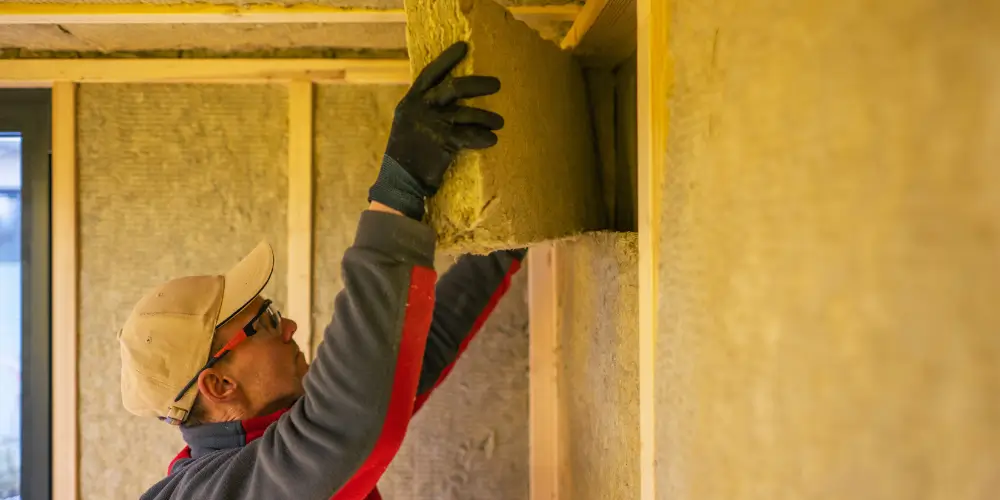
Insulation within the cavity wall plays an essential role in maintaining a home’s warmth by effectively reducing heat loss.
This insulation acts as a barrier, helping to keep the interior comfortable regardless of external weather conditions.
The effectiveness of cavity wall insulation can be attributed to several key factors:
- Thermal Resistance: This is known as the R-value; the higher the R-value, the better the insulation’s effectiveness. The materials used in insulation resist the transfer of heat, ensuring warmth stays inside during colder months.
- Air Barrier: It minimises air leakage, preventing drafts and unwanted heat loss.
- Moisture Control: Proper insulation also helps manage moisture levels, reducing the risk of condensation and ensuring a healthier living environment.
Why Cavity Wall Insulation Is Important for UK Properties
As energy efficiency becomes increasingly important for homeowners, understanding the significance of cavity wall insulation in UK properties is essential. This insulation plays a critical role in reducing energy consumption by minimising heat loss, resulting in lower energy bills and a smaller carbon footprint.
Given the UK’s unpredictable weather, cavity wall insulation magnifies comfort by maintaining a stable indoor temperature, making homes more inviting year-round.
Additionally, many older UK properties were built with cavity walls that can be easily insulated, providing homeowners with an opportunity to improve their living conditions and property value.
With the increasing focus on sustainability, having cavity wall insulation not only benefits individual households but also contributes to the broader goal of energy conservation.
Homeowners seeking a balance between comfort and environmental responsibility will find that cavity wall insulation represents a practical and effective solution for modern living.
The Installation Process of Cavity Wall Insulation Explained
A thorough understanding of the installation process for cavity wall insulation is essential for homeowners considering this energy efficiency upgrade.
The installation typically involves three key steps that ensure peak performance while maintaining the home’s integrity.
- Assessment: A professional assesses the property to determine if cavity wall insulation is suitable. This includes inspecting the walls and checking for any existing damp issues.
- Drilling: Small holes are drilled into the exterior walls to provide access for the insulation material. This process is done with precision to minimise disruption.
- Injection: Insulation material, typically foam or beads, is injected through the drilled holes into the cavity. After filling, the holes are sealed to restore the wall’s appearance.
This streamlined installation process allows homeowners to enjoy improved thermal efficiency without unnecessary complications.
How Cavity Wall Insulation Helps Lower Energy Bills
By effectively reducing heat loss, cavity wall insulation helps homeowners lower their energy bills. This insulation creates a barrier that minimises the escape of warm air during colder months and restricts the entry of heat during warmer months.
As a result, homes maintain a more consistent temperature, reducing reliance on heating and air conditioning systems. Homeowners can enjoy the freedom of a comfortable living environment without the constant worry of skyrocketing energy costs.
In addition, lower energy consumption reduces a carbon footprint, aligning with the values of those who prioritise sustainability.
Investing in cavity wall insulation not only enhances comfort but also delivers tangible savings over time. By empowering homeowners to control their energy use, this insulation option becomes an essential element in promoting both economic efficiency and environmental responsibility.
Materials Used in Cavity Wall Insulation and Their Performance
Cavity wall insulation relies on various materials, each with distinct properties that influence their performance. Homeowners seeking effective insulation have several options, allowing them to tailor their choice to their specific needs.
- Mineral Wool: Mineral wool insulation is known for its excellent thermal and acoustic properties, mineral wool is fire-resistant and environmentally friendly, providing substantial energy savings.
- Polystyrene Beads: Lightweight and moisture-resistant, polystyrene beads offer good thermal insulation and can easily fill cavities, ensuring minimal gaps.
- Polyurethane Foam: This material boasts high insulation performance with a low density, making it ideal for tight spaces. Its ability to expand fills all voids, providing an airtight seal.
Choosing the right material can increase comfort and reduce energy costs. This empowers homeowners to create living spaces that are both cosy and efficient.
Is Cavity Wall Insulation Suitable for Every Type of Property?
How suitable is cavity wall insulation for different types of properties?
Cavity wall insulation is primarily designed for homes with cavity walls, which consist of two layers of masonry with a gap in between, often leading homeowners to ask, What Is a Cavity Wall Insulation? This insulation increases energy efficiency, reducing heating costs and environmental impact.
However, it is not ideal for every property. Older homes, particularly those with solid walls, may not benefit from this insulation type and could face moisture issues if improperly installed.
Properties in areas with high humidity or flooding risk should also install cavity wall insulation with caution, as it can trap moisture.
Additionally, buildings undergoing significant structural changes may require reassessment of insulation needs.
Ultimately, homeowners should consult professionals to determine the suitability of cavity wall insulation for their specific property conditions, ensuring their choice aligns with both comfort and freedom from unnecessary complications.
Cavity Wall Insulation vs Solid Wall Insulation: Key Differences
While both cavity wall insulation and solid wall insulation improve energy efficiency in buildings, they serve different architectural designs and insulation needs.
Cavity wall insulation is typically used in homes with two layers of wall, creating a gap filled with insulating material. In contrast, solid wall insulation is applied to single-layer walls, often requiring external or internal cladding.
Key differences include:
- Construction Type: Cavity walls are composed of two separate walls with a gap, while solid walls are a single, continuous wall.
- Installation Method: Cavity insulation is injected into the wall cavity, whereas solid insulation involves adding material to the outer or inner surface.
- Thermal Performance: Cavity walls generally offer better thermal performance and moisture control than solid walls, which can be more susceptible to heat loss.
Understanding these distinctions helps homeowners make informed choices about improving their home’s energy efficiency.
How Long Does Cavity Wall Insulation Last, and When Does It Need Replacing
What factors influence the longevity of cavity wall insulation? The durability of cavity wall insulation hinges on several key elements, including material type, installation quality, and environmental conditions. Typically, insulation lasts 25 to 40 years. However, certain situations may necessitate replacement sooner, such as moisture infiltration or insulation material settling.
| Factor | Impact on Longevity |
| Material Type | Determines durability |
| Installation Quality | Affects performance |
| Environmental Conditions | Influences degradation |
| Regular Maintenance | Extends insulation life |
Homeowners should remain vigilant for signs of reduced effectiveness, such as increased energy bills or drafts. When these issues arise, it may be time to assess the insulation’s condition and consider necessary replacements, ensuring the home remains efficient and comfortable.
Main Benefits of Cavity Wall Insulation for Comfort and Efficiency
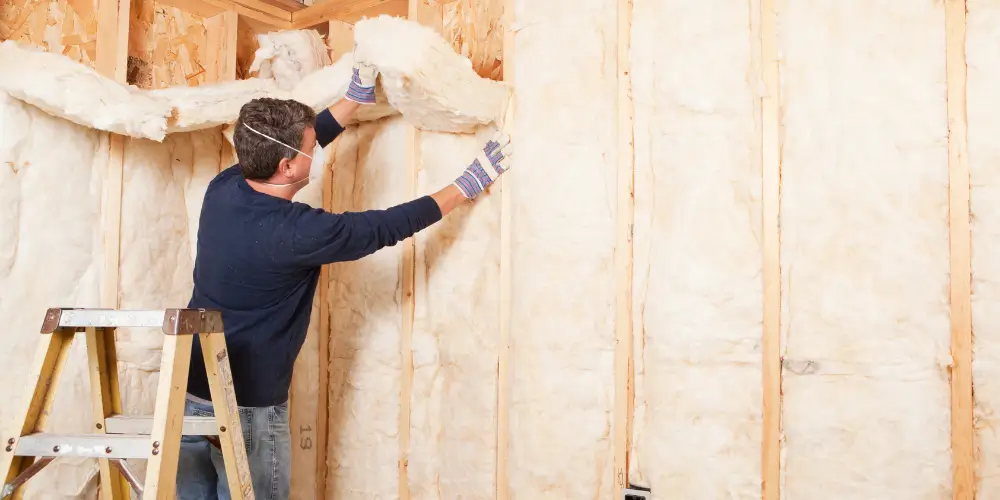
Main Benefits for Cavity wall insulation for homeowners seeking improved comfort and energy efficiency. Filling the voids between exterior walls creates a barrier that increases the overall living experience.
- Temperature Regulation: It helps maintain consistent indoor temperatures, keeping homes warmer in winter and cooler in summer, thereby enhancing comfort year-round.
- Energy Savings: Proper insulation reduces energy bills by minimising the need for heating and cooling, allowing homeowners to enjoy financial freedom while being eco-conscious.
- Noise Reduction: It acts as a sound barrier, diminishing external noise pollution and creating a more serene living environment.
These benefits contribute to a more enjoyable home atmosphere, making cavity wall insulation a worthwhile outlay for those looking to increase their living space without compromising on comfort or efficiency.
Available Government Grants for Free Cavity Wall Insulation
Financial support can significantly ease the burden of home improvements. If you’re looking to install cavity wall insulation, you’ll be pleased to know that government grants don’t cover the cost. These grants are designed to help make your home more energy-efficient and reduce your heating bills.
One of the central schemes you should look into is the Energy Company Obligation (ECO) scheme. This initiative obliges larger energy companies to help households with lower incomes or those in vulnerable situations to improve their home energy efficiency. If you qualify, you could get your cavity wall insulation installed for free. You’ll need to meet specific criteria regarding your income and your home’s existing energy efficiency.
Another option might be local council grants. Some councils offer additional funding for energy-saving improvements beyond what’s available through national schemes. It’s worth checking with your local authority to see what they’ve on offer. They might’ve specific requirements or offer the grants as part of a broader initiative to improve local housing conditions.
Additionally, funds are occasionally available from non-profit organisations or through government-backed initiatives.
Why Homeowners Across the UK Trust HSSE Solutions
Homeowners across the UK consistently choose HSSE Solutions for their cavity wall insulation needs because of the company’s reliable service and expertise in the field.
HSSE Solutions stands out for several compelling reasons:
- Expertise and Experience: HSSE Solutions isn’t just skilled; we’re passionate about making your home as energy-efficient as feasible.
- Quality Materials: We use sustainable materials for all insulation projects. This commitment guarantees that your insulation isn’t only effective but also environmentally friendly.
- Customer-Centric Services: HSSE Solutions prioritises your needs and concerns. From the initial consultation to the completion of your project, we keep you informed and involved.
- Aftercare Support: Unlike many other companies, HSSE doesn’t just install and go. We offer thorough aftercare support to guarantee your insulation continues to perform effectively and you remain satisfied with your investment.
Choosing HSSE Solutions means you’re not just getting cavity wall insulation; you’re investing in a long-term solution designed to reduce your energy bills and increase your comfort.
Frequently Asked Questions
Can I Install Cavity Wall Insulation Myself?
Installing cavity wall insulation independently is challenging and requires specific skills and tools. While some may seek the freedom to undertake this task, professional installation is often recommended to ensure efficiency, safety, and regulatory compliance.
What Are the Signs That I Need Cavity Wall Insulation?
Signs indicating the need for cavity wall insulation include noticeable drafts, higher energy bills, dampness or mould on walls, and uneven temperature distribution within the home, all suggesting inadequate thermal performance and energy efficiency.
Will Cavity Wall Insulation Affect My Home’s Resale Value?
Cavity wall insulation can increase a home’s resale value by improving energy efficiency and comfort. Possible buyers often appreciate lower energy bills and reduced environmental impact, making insulated homes more attractive in a competitive real estate market.
How Do I Choose a Reputable Installer?
To choose a reputable installer, one should research local companies, read customer reviews, verify certifications, and request quotes. Engaging with trusted recommendations can further guarantee a quality installation that aligns with personal values and freedom.
Are There Any Government Incentives for Installing Cavity Wall Insulation?
Various government incentives exist for installing cavity wall insulation, including grants and funding programs that promote energy efficiency. Homeowners should explore local initiatives to maximise financial benefits while enhancing their property’s energy performance.
Conclusion
To summarise, understanding What Is a Cavity Wall Insulation? is essential for homeowners seeking improved energy efficiency and comfort. By effectively reducing heat loss and minimising drafts, it not only lowers energy bills but also intensifies the overall living environment. As properties in the UK increasingly prioritise sustainability, investing in cavity wall insulation can significantly boost property value and contribute to a healthier home. Overall, this insulation method is a practical and beneficial solution for enhancing residential thermal performance.