
How to Insulate a Cold Wall From the Inside? Insulating a cold wall from the inside is an important task for maintaining a comfortable home and preventing damp issues. Many homeowners face challenges with moisture and temperature regulation. Understanding the proper techniques and materials is essential for effective insulation.
There are common pitfalls to avoid, and expert advice can improve the process. This guide will outline the necessary steps and considerations to guarantee a successful insulation project. When learning how to insulate a cold wall from the inside, what are the best practices to follow?
Key Takeaways
- Assess the wall for moisture and damage before insulation to prevent future damp issues.
- Use a vapour barrier on the warm side of the wall to control moisture intrusion.
- Choose suitable insulation materials like foam boards or mineral wool that allow moisture to escape.
- Seal all seams, joints, and edges meticulously to prevent air leaks and thermal bridging.
- Ensure proper ventilation to reduce indoor humidity levels and mitigate mould growth risks.
Table of Contents
How to Insulate a Cold Wall From the Inside: A Complete Homeowner’s Guide
Insulating a cold wall from the inside can substantially improve a home’s energy efficiency and comfort. Homeowners keen on maximising their living spaces often find that proper insulation can be a liberating experience, allowing them to reclaim areas that once felt unwelcoming. When exploring how to insulate a cold wall from the inside, the process involves selecting the right materials, such as foam boards or insulated plasterboard, which can effectively reduce heat loss and prevent condensation.
Moreover, understanding the wall’s structure is essential; knowing whether it’s masonry or timber-framed can influence the insulation method chosen. Proper installation techniques, including sealing gaps and ensuring an airtight fit, contribute significantly to overall effectiveness.
Struggling With Cold Walls? Here’s How to Insulate Them From the Inside
Why do some homeowners struggle with cold walls while others enjoy a comfortable living environment? The answer often lies in proper insulation. Cold walls can lead to discomfort and increased energy costs, trapping homeowners in a cycle of chilly spaces. Many people feel powerless against this issue, yet the solution is within reach.
Understanding how to insulate a cold wall from the inside can transform the atmosphere of a home, allowing residents to reclaim their comfort.
Homeowners can explore various insulation materials, such as foam boards or mineral wool, which can be applied directly to the wall surface. Additionally, the choice of installation technique plays a necessary role in effectiveness.
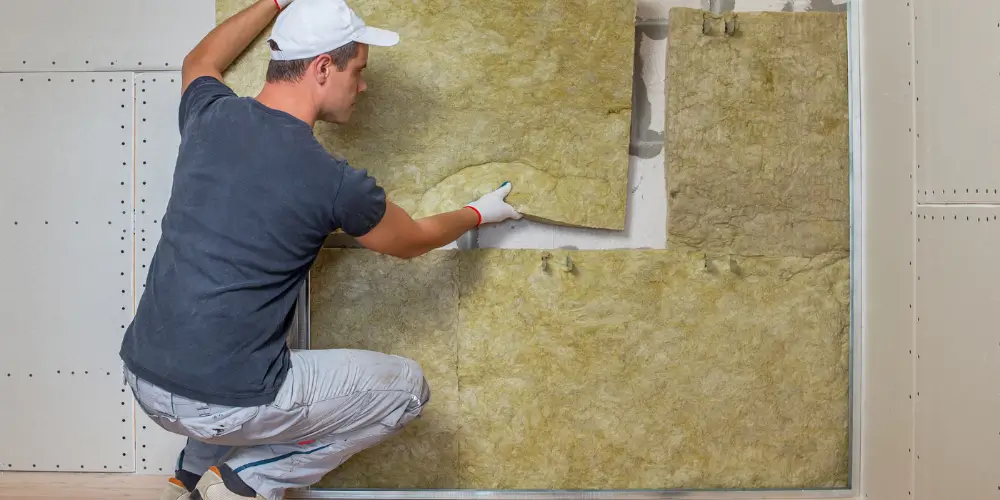
A Step-by-Step Breakdown of How to Insulate a Cold Wall From the Inside
Many homeowners can benefit from a systematic way to insulate cold walls from the inside. The process begins with evaluating the wall’s condition, ensuring it is free from moisture and damage. Understanding how to insulate a cold wall from the inside helps guide each step effectively.
Next, any existing fixtures or coverings should be removed to expose the wall surface fully. Homeowners can then apply a vapor barrier to prevent moisture intrusion, followed by selecting appropriate insulation material, such as foam boards or mineral wool.
Once the insulation is in place, it is essential to secure it adequately to the wall. Afterwards, homeowners can cover the insulation with drywall or another suitable material, ensuring a seamless finish.
Finally, proper sealing around edges and joints will help maintain energy efficiency and avoid air leaks. By following these steps, homeowners can effectively create a warmer environment, increase comfort, and protect their living space from dampness, enabling a more liberated and enjoyable lifestyle indoors.
Before You Begin: Key Factors to Consider When Insulating a Cold Wall Internally
Before starting on the task of insulating a cold wall internally, several key factors must be carefully assessed to secure the best results. Understanding how to insulate a cold wall from the inside begins with knowing the specific wall structure, including its material and any existing moisture issues. This knowledge is important for selecting the appropriate insulation type, whether it be rigid foam, batts, or reflective barriers.
Next, consider the room’s purpose and how insulation might affect its overall ambience and functionality.
Adequate ventilation is also fundamental to preventing trapped moisture, which can lead to mould growth.
Additionally, local building codes and regulations should be reviewed to confirm compliance, as some areas may have specific requirements for internal insulation.
Finally, budgeting for materials and latent professional assistance can help avoid unforeseen complications, allowing for a smoother and more successful insulation process.
Common Mistakes to Avoid When Learning How to Insulate a Cold Wall From the Inside
Insulating a cold wall from the inside can be a straightforward process, but several common mistakes can undermine the effectiveness of the project. Understanding how to insulate a cold wall from the inside helps prevent one frequent error: neglecting to assess the wall’s moisture levels before insulation, which can lead to trapped dampness. Additionally, using inappropriate materials that don’t suit the wall type can diminish thermal performance.
Failing to leave adequate ventilation gaps is another misstep, as this can create an environment conducive to mould growth. Overlooking proper sealing of joints and edges may also compromise energy efficiency.
Ultimately, rushing the installation can result in uneven insulation, leading to cold spots.
By avoiding these pitfalls, individuals can magnify their insulation efforts, ensuring a more comfortable and energy-efficient living space. Taking the time to plan and execute diligently allows one the freedom to enjoy the benefits of a well-insulated wall without unnecessary complications.
How to Insulate a Cold Wall From the Inside Without Causing Damp or Moisture Issues
While properly insulating a cold wall from the inside is essential for maintaining a comfortable indoor environment, it is necessary to address possible damp or moisture issues throughout the process.
Effective insulation should promote airflow and moisture management to prevent complications.
To insulate a cold wall without causing damp, consider the following:
- Choose breathable materials: Select insulation that allows moisture to escape, preventing trapped humidity.
- Install a vapour barrier: Place a vapour barrier on the warm side of the wall to protect against condensation.
- Ensure proper ventilation: Maintain airflow in the room to reduce moisture buildup.
- Monitor humidity levels: Use a hygrometer to keep indoor humidity within a comfortable range.
- Seal gaps and cracks: Thoroughly inspect the wall for leaks that could allow moisture infiltration.
Expert Tips on How to Insulate a Cold Wall From the Inside Safely and Successfully
A successful insulation project for a cold wall requires careful planning and execution to guarantee safety and effectiveness. Understanding how to insulate a cold wall from the inside begins with assessing the wall’s condition, confirming it is dry and free of mould. Using a moisture meter can provide insight into any hidden dampness.
Selecting the right insulation material is essential; options like rigid foam boards offer high thermal resistance while minimising moisture retention.
When installing, maintaining a gap between the insulation and the wall allows for ventilation, reducing condensation risks. Additionally, sealing any gaps with high-quality caulk prevents cold air infiltration.
It is advisable to wear protective gear, including gloves and masks, to guarantee safety during the installation process.
Finally, consider incorporating a vapour barrier to protect against moisture buildup.
Professional vs DIY: Choosing the Best Method to Insulate Cold Walls Internally
Choosing the best way to insulate cold walls internally often hinges on individual circumstances, such as budget, skill level, and the specific conditions of the wall itself.
Homeowners may opt for a DIY project to save costs, but this requires a thorough understanding of insulation techniques and materials. Conversely, hiring a professional can guarantee a higher quality installation, albeit at a greater expense.
Factors to take into account include:
- Budget: Determine how much can be realistically spent.
- Skill Level: Assess personal comfort with tools and techniques.
- Wall Condition: Evaluate if the wall requires repairs before insulation.
- Time Commitment: Reflect on the time available for a DIY project.
- Long-term Goals: Think about future renovations or home improvements.
Ultimately, the decision should align with the homeowner’s priorities and the specific demands of their living space.
How to Insulate a Cold Wall From the Inside Using Modern Insulation Materials
Effective insulation of a cold wall from the inside can greatly amplify a home’s energy efficiency and comfort. Modern insulation materials offer innovative solutions that guarantee superior performance and ease of installation.
When learning how to insulate a cold wall from the inside, rigid foam boards, such as polyisocyanurate or extruded polystyrene, provide excellent thermal resistance while being lightweight and easy to handle. Spray foam insulation expands to fill gaps, creating an airtight seal that minimises heat loss.
Another option is mineral wool, which not only insulates but also offers soundproofing and fire resistance.
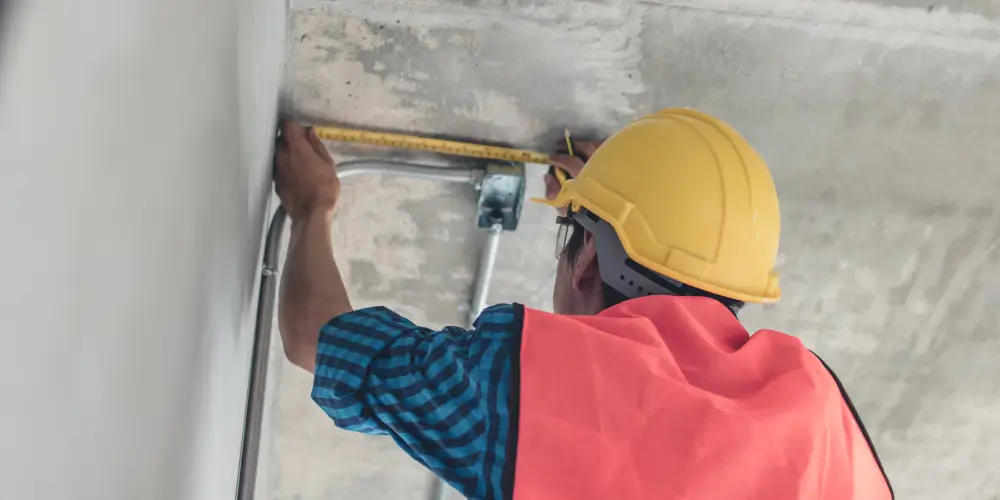
To begin, homeowners should measure the wall area and select the appropriate insulation type based on climate and wall structure. Proper installation involves securing the chosen material directly against the wall and sealing seams carefully to prevent air leaks.
This method allows for a comfortable living environment while preserving the freedom to enjoy a home that remains warm and inviting, regardless of external conditions.
How to Insulate a Cold Wall From the Inside to Improve Energy Efficiency and Comfort
Insulating a cold wall from the inside not only upgrades energy efficiency but also greatly improves overall comfort within a home.
Homeowners seeking to create a cosy environment can benefit remarkably from this process.
The key factors to take into account include:
- Material Selection: Choose high-quality insulation materials that suit the wall type.
- Installation Technique: Guarantee proper installation to avoid thermal bridging and maximise effectiveness.
- Moisture Control: Integrate a vapour barrier to prevent dampness and mould growth.
- Aesthetic Finishing: Select wall coverings that complement the home’s interior while providing additional insulation.
- Long-term Savings: Invest in insulation for reduced energy bills and improved heating efficiency.
Frequently Asked Questions
What Types of Insulation Materials Are Most Effective for Cold Walls?
Effective insulation materials for cold walls include rigid foam boards, mineral wool, and spray foam. These options provide thermal resistance, moisture control, and energy efficiency, allowing inhabitants to enjoy a comfortable living environment while reducing energy costs.
How Can I Determine if My Wall Is Damp Before Insulating?
To determine wall dampness, one should inspect for visible moisture, peeling paint, or mould. Additionally, a moisture meter can provide accurate readings, while conducting a simple smell test may reveal musty odours indicative of underlying damp issues.
Will Insulating a Cold Wall Affect My Heating Bills?
Insulating a cold wall can greatly reduce heating bills by minimising heat loss, leading to a more comfortable environment. This efficiency allows homeowners more freedom to manage energy consumption and enjoy lower utility costs.
Can I Insulate a Cold Wall in a Bathroom or Kitchen?
Yes, insulating a cold wall in a bathroom or kitchen is possible. Careful selection of materials is essential to prevent moisture buildup, ensuring both comfort and energy efficiency while maintaining a free-spirited living environment.
How Long Will Insulation Last Before Needing Replacement?
Typically, insulation can last between 20 to 50 years, depending on materials and conditions. Regular inspections are essential, as factors like moisture and pests may necessitate earlier replacement. Understanding how to insulate a cold wall from the inside ensures lasting comfort and efficiency in living spaces.
Conclusion
In summary, insulating a cold wall from the inside is an essential step in enhancing energy efficiency and preventing dampness. By evaluating the wall’s condition, applying a proper vapour barrier, and selecting suitable insulation materials, homeowners can effectively mitigate moisture issues. Attention to detail in sealing joints and ensuring adequate ventilation is integral for long-term success. Whether opting for a DIY way or hiring professionals, understanding how to insulate a cold wall from the inside will lead to a more comfortable and moisture-free living environment.