h4 shape 1
h4 shape 2
"Energy Loss Analysis"

Heat Loss & Demand Calculations

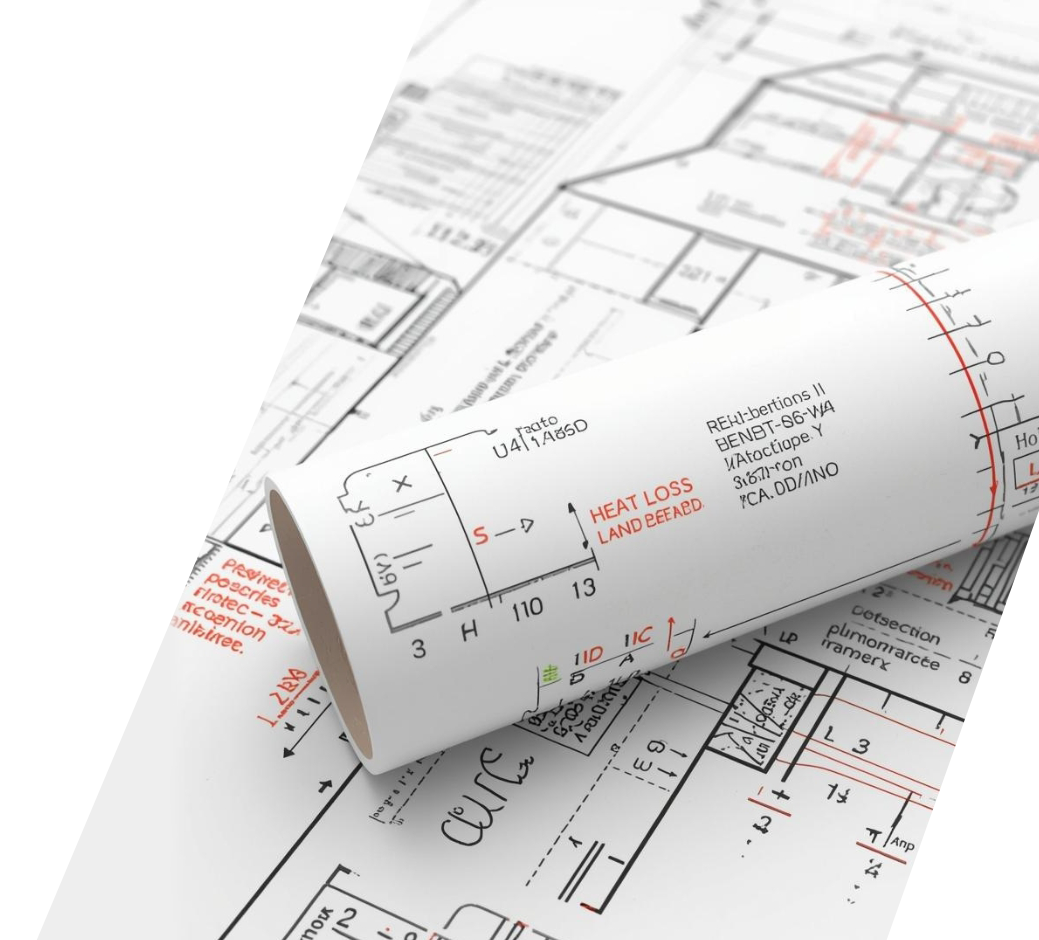
Heat loss and demand calculations are crucial for designing efficient heating systems, ensuring comfort and reducing energy costs. They assess factors like insulation, windows, and building performance, using techniques like thermal imaging and climate data to optimize heating needs for both new and retrofit projects.

PNG 01 1

HLDC

12290849 Wavy Tech 06 Single 07
h1 sub title Expert Retrofit Management

What Heat Loss and Demand Calculations Involve?

Understanding heat loss and demand calculations is essential for designing efficient HVAC systems. These calculations ensure that heating, ventilation, and air conditioning systems are properly sized to meet a building's thermal comfort needs while optimizing energy consumption. The process begins with analyzing the building's thermal properties, such as insulation, windows, orientation, and construction materials, to determine heat loss through the building envelope.


Demand calculations account for building usage patterns, including occupancy, operating hours, and heat generated by equipment and occupants, to determine peak heating requirements. Advanced software tools help simulate various scenarios, considering factors like climate conditions and historical weather data. Properly conducted calculations ensure the HVAC system is correctly sized, leading to improved comfort, reduced energy costs, and a lower environmental impact.

For any inquiries call the 020 8178 5892
Improving Efficiency and Reducing Heat Loss

Why Accurate Heat Loss Calculations Are Essential for Heating Design?

Accurate heat-loss calculations are fundamental to the design of heating systems. These calculations not only ensure the system's efficiency but also greatly influence the comfort and economic aspects of the heating solution. Without precise heat-loss data, the risk of over- or undersized heating equipment becomes substantial, leading to various inefficiencies.

Key reasons why accurate heat loss calculations are vital include:

Heat loss calculations are essential for Retrofit Coordinators to improve energy efficiency, reduce costs, and enhance sustainability in buildings.

Why Accurate Heat Loss Calculations Are Essential for Heating Design
Untitled design 12
png 3
Benefits & Advantages

Benefits of Heat Loss Calculations

Heat loss calculations are crucial for optimizing energy efficiency and ensuring that heating systems perform effectively.

33
Energy Savings

Helps identify areas where energy is wasted, leading to more efficient heating solutions.

34
Cost Reduction

Proper heat loss calculations prevent oversizing, saving money on installation and running costs.

35
Improved Comfort

Ensures consistent heat distribution, maintaining ideal comfort levels throughout the building.

36
Environmental Impact

By optimizing heating, it reduces energy consumption, contributing to a lower carbon footprint.

Step-by-Step

Steps of Heat Loss & Demand Calculations

The role of a Retrofit Coordinator involves a systematic process to ensure that retrofit projects are successfully planned, executed, and meet all necessary standards.

List
Assess Building Structure

Evaluate the insulation, windows, walls, and roofing to determine their thermal performance.

List
Identify Heat Loss Areas

Pinpoint areas where heat is escaping, such as gaps or poorly insulated sections.

List
Measure Building Envelope Performance

Analyze how the building envelope performs in terms of heat retention and loss.

List
Calculate Heating Demand

Determine the total heat loss and calculate the required heating capacity based on external temperature.

List
Select Heating Solution

Choose an appropriately sized heating system to meet the calculated heating demand.

List
Refine Calculations Using Software

Use simulation tools to validate and refine the heat loss calculations, accounting for climate and usage factors.

Following these steps ensures an efficient heating system that minimizes energy consumption and enhances comfort.

Detailed Heat Loss

Room-by-Room Heat Loss Calculations for Precise Sizing

Room-by-room heat-loss calculations offer a detailed method for determining the specific heating requirements of each space in a building. This approach considers factors such as room size, window and wall areas, insulation levels, and the room's exposure to external elements. It ensures that heating systems are tailored to meet the unique thermal needs of each area, from living rooms to bedrooms.

By using advanced software tools to model thermal behavior, this method improves system efficiency, reducing energy consumption and operational costs. It also prevents oversizing of heating equipment, which helps avoid unnecessary expenses and ensures that the system runs at peak performance.

Why Accurate Heat Loss Calculations Are Essential for Heating Design 1
Untitled design 13
png 3
Why Accurate Heat Loss Calculations Are Essential for Heating Design 2
Untitled design 14
png 3
Comprehensive Heat Assessment

Whole Property Heat Demand Assessments

While room-by-room calculations offer detailed insights into the heating needs of individual spaces, evaluating the heat demand for an entire property provides a broader perspective essential to the integrated planning of heating systems. This thorough evaluation is vital for optimising the efficiency and effectiveness of a heating solution tailored to the whole building.

Whole property heat demand assessments involve several key considerations:

  • Building Envelope: Analysing the insulation quality of walls, roofs, and floors to determine overall thermal performance.
  • Air Leakage: Evaluating how airtight the building is, which greatly affects heating needs.
  • Occupancy Patterns: Understanding the usage pattern of the property, as residential and commercial buildings have distinctly different heating demands.
  • Thermal Bridging: Identifying areas where heat is lost through the building's structural elements.
  • External Factors: Considering external temperatures, local climate data, and the property's exposure to elements.
  • Heat Pump Calculations

    Heat Loss Calculations for Air Source and Ground Source Heat Pumps

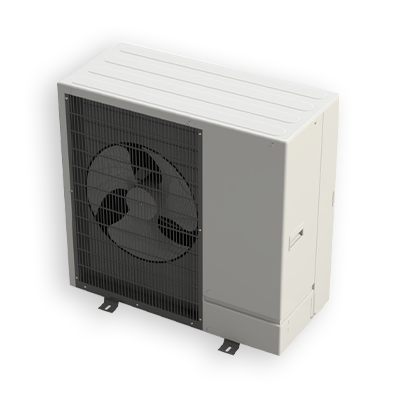
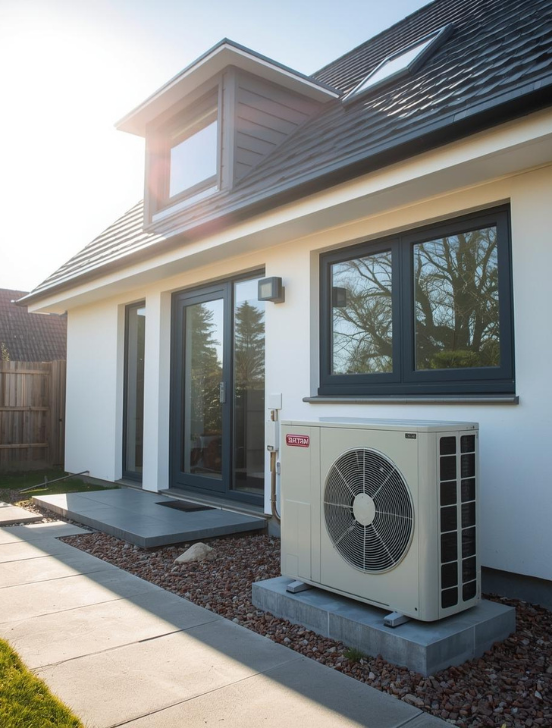
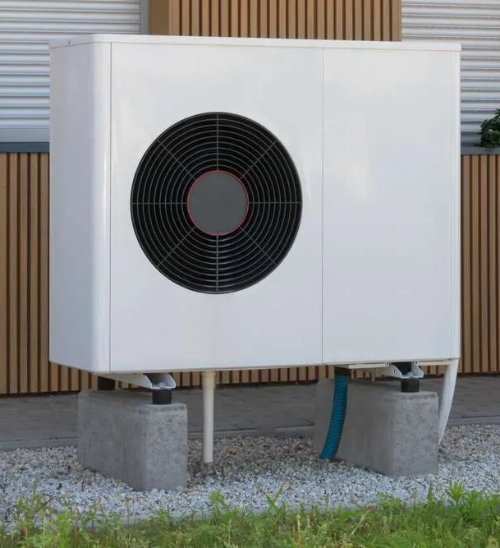
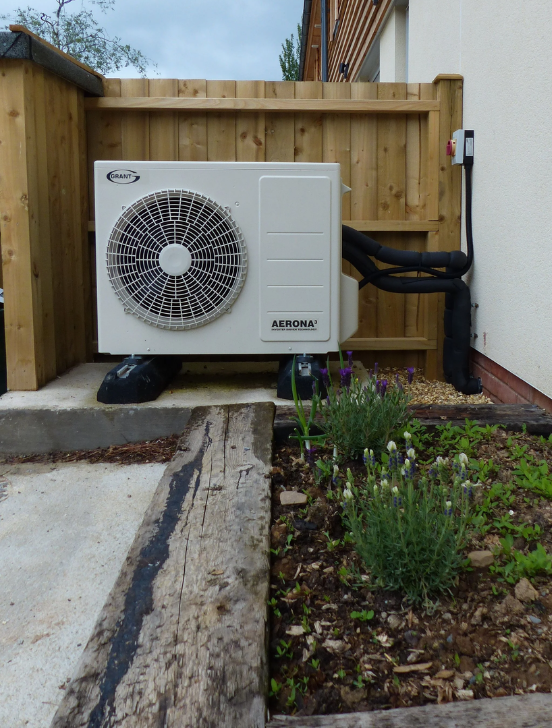
    When calculating heat loss for air source and ground source heat pumps, several factors must be considered, as each system operates differently. Air source heat pumps (ASHPs) extract heat from outdoor air, making them more affected by external temperature fluctuations, especially during colder months. In contrast, ground source heat pumps (GSHPs) draw heat from the earth, where stable ground temperatures allow for more consistent performance throughout the year.

    For ASHPs, the main variable in heat-loss calculations is the outdoor air temperature, with insulation quality in ducts and the building itself also being critical. For GSHPs, factors such as the depth and quality of the ground loop, soil thermal conductivity, and groundwater presence significantly impact efficiency. Both systems require a thorough evaluation of the building's thermal envelope—insulation, window types, and materials to ensure the heat pump is properly sized to meet heating demands without overcapacity.

    Why Accurate Heat Loss Calculations Are Essential for Heating Design 3
    Untitled design 15
    png 3
    h1 sub title Expert Retrofit Support

    Supporting Retrofit Projects with Accurate Heating Load Data

    As retrofit projects aim to upgrade existing buildings with modern heating systems, obtaining precise heating load data becomes crucial. Accurate data ensures new systems are neither oversized nor undersized, optimising energy efficiency and cost. This precision is particularly critical in the context of sustainable development and energy conservation, where every kilowatt saved contributes to broader environmental goals.

    To support retrofit projects effectively, several key aspects must be considered when collecting and utilising heating load data:

    Use cameras to detect heat loss and pinpoint inefficiencies in the building's envelope.

    Analyze weather patterns and historical temperatures to predict heating needs accurately.
    Account for building usage to estimate variable heating requirements by area.
    Assess thermal properties of materials to understand their impact on heat retention.
    Consider the potential use of renewable technologies like solar panels to adjust heating needs.

    Utilising precise heating load data in retrofit projects not only enhances system efficiency but also plays a crucial role in achieving long-term sustainability and comfort in refurbished buildings.

    Png 2 1
    h1 sub title Heat Loss & Demand Calculations

    Frequently Asked Questions

    Solar gain significantly influences heat demand calculations by reducing the heating needed, as sunlight's natural warmth reduces the energy required to maintain comfortable indoor temperatures.

    Yes, building orientation greatly influences heat loss calculations. Structures facing the sun can absorb more heat, reducing heating needs, while those away from the sun may lose more heat, increasing energy requirements.

    Ventilation greatly influences heat loss as it involves the exchange of indoor and outdoor air. Effective ventilation systems can mitigate unwanted heat escape while maintaining air quality and thermal comfort within a building.

    Heat loss assessments should be updated regularly, ideally every 3 to 5 years, to ensure energy efficiency and cost-effectiveness in heating systems, particularly after significant building renovations or changes in usage patterns.

    Heat loss calculations can estimate monthly heating costs by analysing insulation quality, building size, and climate factors. However, actual costs may vary due to fluctuating energy prices and changes in usage patterns.

    testimonial

    What Our Clients Say About Us

    t4 small 1
    t4 small 2
    t4 small 3
    t4 quote
    t4 big 1
    The heat loss calculation was carried out very professionally. The report was clear, detailed, and helped us understand exactly what our property required for efficient heating. Great service and very knowledgeable team.
    Sarah Thompson
    Birmingham
    t4 quote
    t4 big 2
    Excellent experience from start to finish. The team completed the heat loss and demand calculations quickly and explained the results in a way that was easy to understand. It gave us confidence that the heating system was correctly designed.
    David Patel
    Manchester
    t4 quote
    t4 big 3
    Very reliable service. The calculations were thorough and delivered promptly, which helped us move forward with our project without delays. Highly recommended for anyone needing accurate heat loss assessments.
    Michael Roberts
    Leeds
    h1 sub title our accreditation

    Approved by

    HSSE Solutions is recognized and accredited by reputable industry awarding bodies across the UK.

    Gas safe register logo
    Green Deal Approved Installer1
    elmhurst energy approved accessor
    ISO 9001 14001 2015 IMS badge grey 1
    ecmk logo
    acs recc logo full col verti rgb