h4 shape 1
h4 shape 2
Optimising Thermal Performance & Reducing Heat Loss

PSI Value Calculations

Psi value calculations measure heat loss through thermal bridges to improve building energy efficiency. They help identify weak points, reduce energy costs, improve comfort, and ensure compliance with energy standards.

PSI

PSI

Untitled design 1 1
h1 sub title Understanding Heat Loss and Energy Efficiency

What Are Psi Value Calculations?

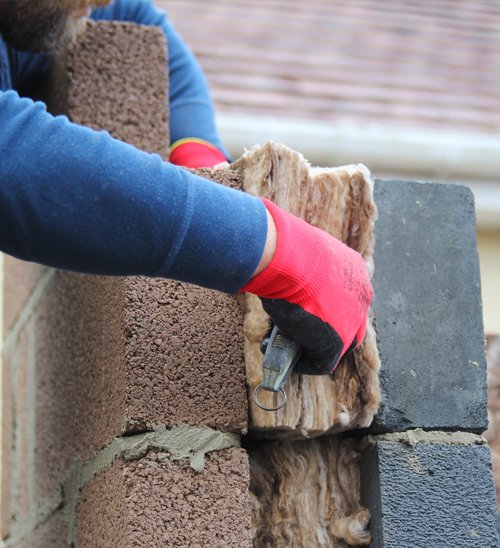
Psi value calculations are crucial for evaluating thermal bridging and heat loss in buildings, key factors in energy efficiency. Thermal bridging occurs when heat bypasses insulation through more conductive materials. Psi values quantify this heat loss, helping architects, engineers, and consultants identify weak points in a building's thermal envelope. Lower Psi values indicate better energy efficiency, as they reduce heat loss and energy costs. Advanced software tools are often used to analyze building designs and pinpoint areas needing improvement.


Psi value calculations help reduce thermal bridging, improving energy efficiency and lowering heating costs. They enhance comfort, ensure compliance with energy standards, and support sustainability by minimizing environmental impact.

For any inquiries call the 020 8178 5892
Improving Efficiency and Reducing Heat Loss

Why Psi Value Calculations Are Crucial for Energy Efficiency?

Accurate Psi value calculations improve building energy efficiency by reducing heat loss through thermal bridges. These weak spots in a building’s envelope cause increased heat flow, raising energy costs. By measuring and addressing these areas, buildings can reduce heating and cooling expenses, enhance comfort, and meet energy standards. Optimising Psi values also supports sustainability efforts and improves property value through higher energy ratings.

In summary, accurate Psi value calculations are essential for improving energy efficiency, reducing costs, and supporting sustainable building practices.

Untitled 2.jpg 1
01
Untitled 3
Energy Efficiency Boost

Benefits of Psi Value Calculations for Building Energy Efficiency

Psi value calculations enhance energy efficiency, comfort, and sustainability by reducing heat loss and improving thermal performance, while lowering costs and environmental impact.

5
Reduced Heat Loss

Psi value calculations help identify thermal bridges, reducing heat loss and enhancing building insulation.

6
Lower Energy Costs

By addressing thermal inefficiencies, Psi value calculations optimize energy use, leading to lower heating and cooling costs.

7
Improved Comfort

Minimizing heat loss through optimized Psi values helps maintain a stable internal temperature, ensuring comfort year-round.

8
Enhanced Property Value

Buildings with optimized thermal performance have higher energy ratings, boosting property value and market appeal.

Step-by-Step

How Psi Value Calculations Wor

Understanding the legal framework surrounding Psi value calculations is essential for ensuring your property meets energy efficiency standards. Our thorough process guarantees that thermal bridges are identified and mitigated, ensuring compliance with all relevant regulations.

List
Identify Thermal Bridges

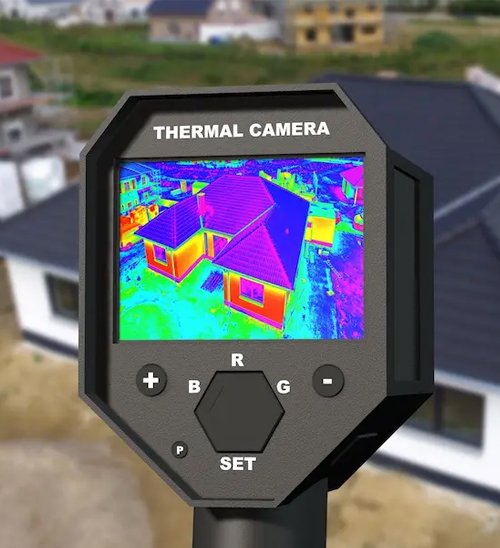
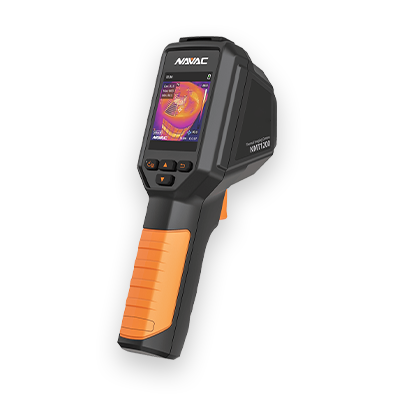
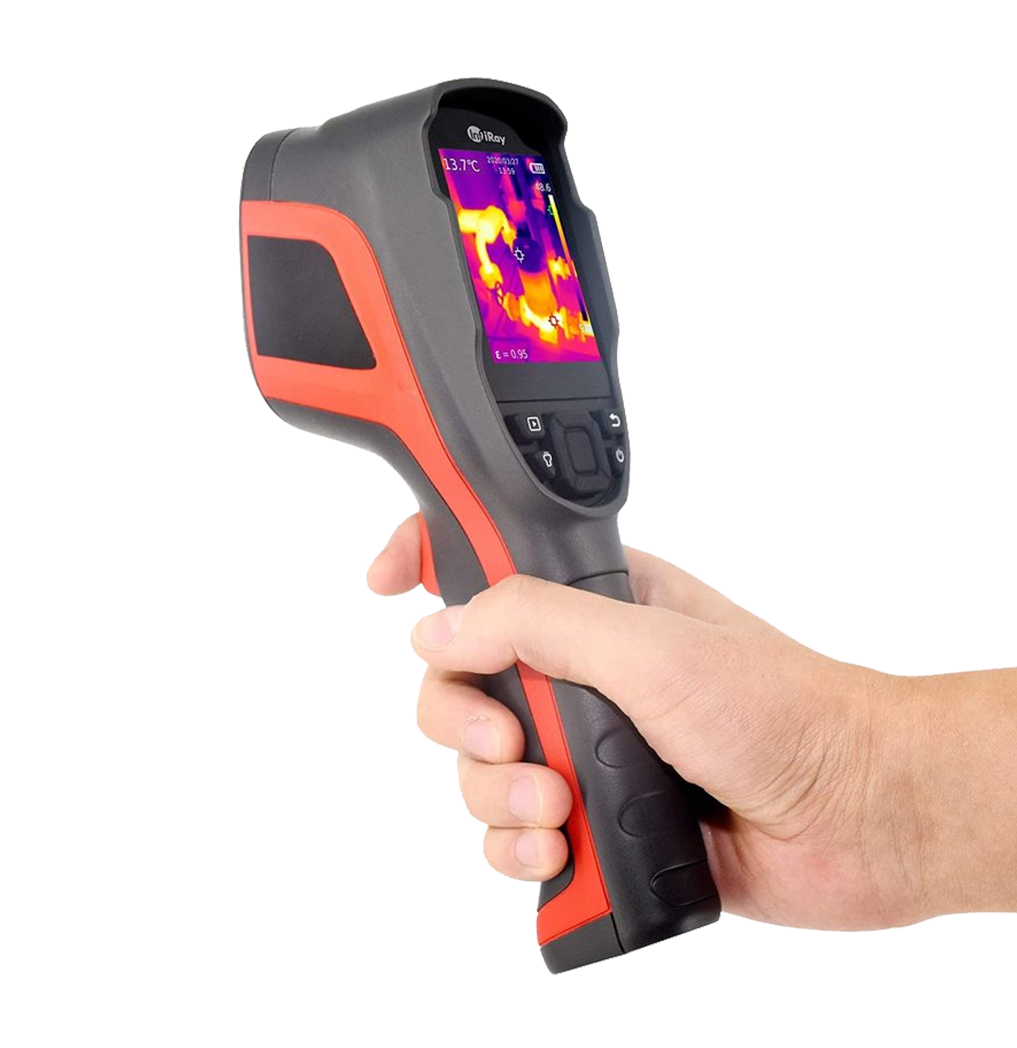
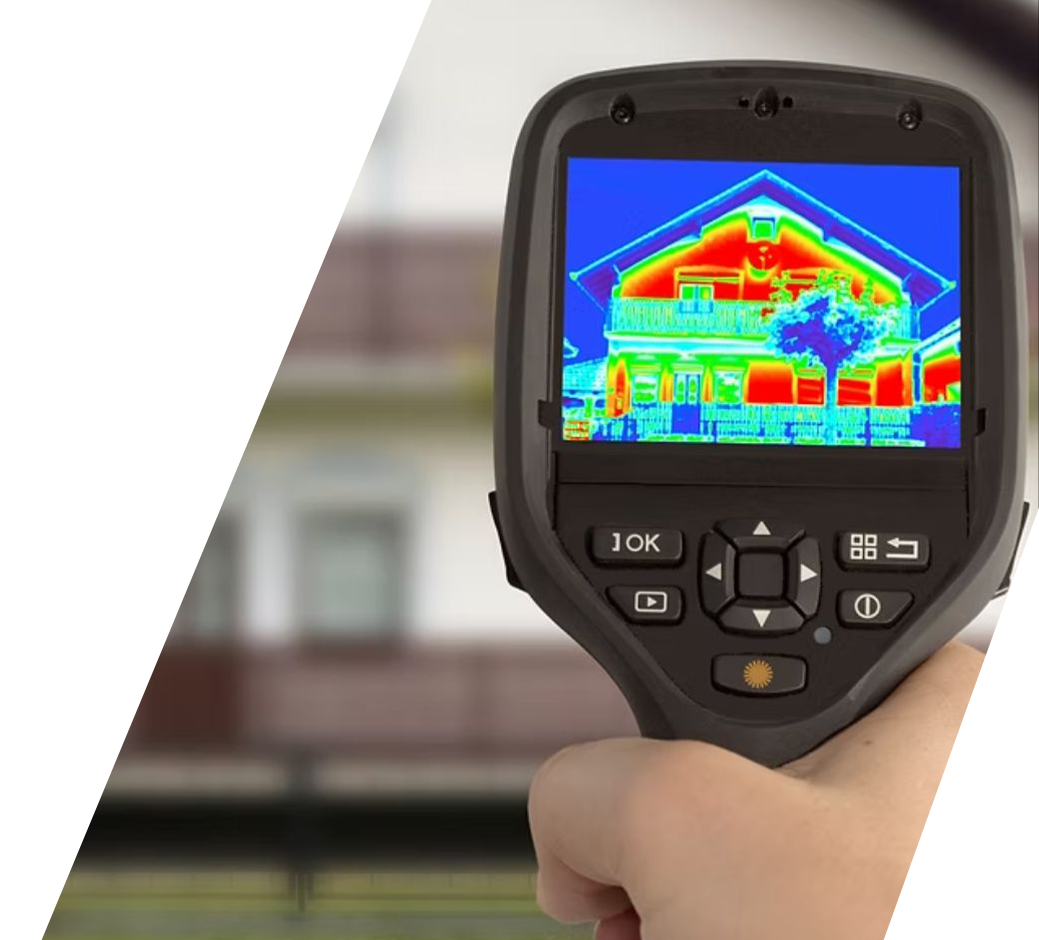
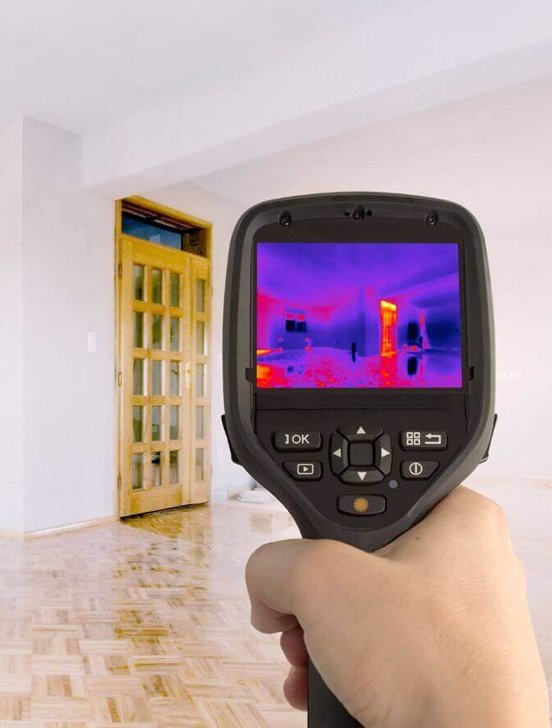
Locate areas with higher heat transfer, typically where building components meet, using thermal imaging and architectural plans.

List
Evaluate Materials and Geometry

Assess the thermal conductivity and arrangement of materials at thermal bridges to ensure accurate Psi value calculations.

List
Run Calculations with Software

Use specialized software to model heat flow and calculate Psi values, ensuring precision for simple or complex designs.

List
Analyze and Improve

Review the results to identify heat loss areas and make necessary adjustments to optimize insulation and enhance energy efficiency.

This analysis helps identify thermal bridges and areas where heat loss occurs, highlighting opportunities for energy savings.

Key Stakeholders

Who Needs Psi Value Calculations?

Several key stakeholders in the construction and real estate sectors find Psi value calculations indispensable. These calculations are critical for designing buildings that are not only compliant with current energy efficiency regulations but also cost-effective and comfortable for occupants.

  • Builders and Developers: Use Psi values to meet energy regulations, improve marketability, and avoid costly retrofitting.
  • Architects and Designers: Optimize building designs for both aesthetics and thermal efficiency.
  • Energy Assessors: Rely on Psi values to perform accurate energy evaluations and recommend improvements.
  • Property Owners and Landlords: Benefit from informed decisions on upgrades, improving property value and market appeal.
  • 04
    03
    Untitled 3
    05.jpg
    06.jpg
    PNG
    Thermal Bridge Locations

    Common Areas for Thermal Bridging in Buildings

    After examining how Psi values are calculated, it is beneficial to focus on specific structural elements where thermal bridging is most likely to occur. These areas, integral to building design, are often overlooked during the initial planning and design stages, yet they play an essential role in a building's overall thermal efficiency.

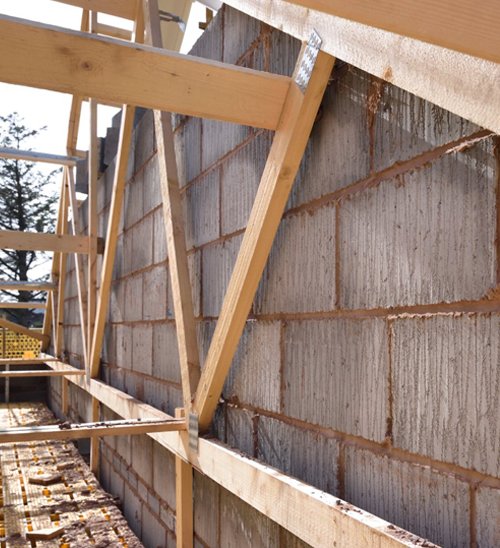
    Thermal bridging occurs when heat is transferred through more conductive materials in the building envelope, leading to increased heat loss and energy consumption. Some of the most common areas where thermal bridging is found include:

    • Wall-to-Floor Junctions: Key areas where heat loss occurs if not properly insulated.
    • Window and Door Frames: Frames, especially metal ones, can act as thermal bridges, allowing heat escape.
    • Roof-to-Wall Connections: Junctions where insulation continuity is not maintained, leading to heat loss.
    Regulation Compliance

    The Role of Psi Values in Achieving Building Regulations Compliance

    Psi values are essential for meeting UK Building Regulations (Part L), which focus on energy efficiency and minimizing environmental impact. These calculations measure heat loss through thermal bridges, helping builders and designers optimize a building’s thermal performance and ensure compliance with current standards.

    Improving Psi values not only supports compliance with regulations but also helps reduce energy consumption and positions buildings to meet future sustainability goals. Accurate Psi value calculations are key to selecting effective insulation and materials, contributing to the UK’s goal of net-zero buildings and lower greenhouse gas emissions.

    08.jpg
    07.jpg
    Untitled 3
    h1 sub title Low-Energy Standards

    Why Accurate Psi Value Calculations Are Essential for Low-Energy Buildings?

    Why are accurate Psi value calculations essential in the domain of low-energy buildings? In the pursuit of achieving high-efficiency building standards, such as those stipulated by the Passivhaus Institute, precision in calculating thermal bridges, expressed as Psi values; is paramount.

    These calculations play a pivotal role in optimizing the building's thermal envelope, which is fundamental in minimizing energy consumption and enhancing overall energy performance.

    Accurate Psi value calculations guarantee:

    Minimized Thermal Bridges
    Improved Energy Performance
    Compliance with Low-Energy Standards
    Enhanced Comfort
    Better Indoor Air Quality

    By optimizing Psi values, businesses not only save money on energy costs but also contribute to sustainability, reducing environmental impact and enhancing their public image.

    PNG 01
    h1 sub title PSI Value Calculations

    Frequently Asked Questions

    Climate conditions greatly influence thermal performance needs in buildings. Extreme temperatures require robust insulation measures, necessitating adjusted psi values to enhance energy efficiency and minimize heat transfer, thereby optimizing building sustainability and comfort.

    The costs involved in psi value assessment include professional fees for energy consultants, expenses for thermal imaging and diagnostic tools, software for simulation, and potential modifications to design based on findings.

    Yes, renovations can enhance the thermal efficiency of older buildings by updating insulation, sealing leaks, and replacing outdated windows and doors, thereby improving their overall energy performance and potentially reducing heating and cooling costs.

    Psi value assessments should be updated every three to five years to reflect any structural changes or upgrades and to guarantee ongoing compliance with evolving building regulations and energy efficiency standards.

    To perform psi value calculations, training typically includes thermodynamics, building science, and the use of specific software tools. Continual professional development and certification in relevant energy assessment methodologies are also recommended.

    testimonial

    What Our Clients Say About Us

    t4 small 1
    t4 small 2
    t4 small 3
    t4 quote
    t4 big 1
    HSSE Solutions made the Psi calculation process really simple. Their team guided me through every step and explained everything clearly. The service was professional and efficient. Highly recommended!
    Sarah Thompson
    Birmingham
    t4 quote
    t4 big 2
    HSSE Solutions provided a very professional service when carrying out the Psi calculations. Everything was explained clearly and the process was handled efficiently from start to finish.
    David Patel
    Manchester
    t4 quote
    t4 big 3
    Excellent service from HSSE Solutions. The Psi calculations were carried out professionally, and the team made the whole process simple and straightforward.
    Michael Roberts
    Leeds
    h1 sub title our accreditation

    Approved by

    HSSE Solutions is recognized and accredited by reputable industry awarding bodies across the UK.

    Gas safe register logo
    Green Deal Approved Installer1
    elmhurst energy approved accessor
    ISO 9001 14001 2015 IMS badge grey 1
    ecmk logo
    acs recc logo full col verti rgb