
Comprehensive Mould Prevention Solutions: Essential Tips to Safeguard Your Home and Health
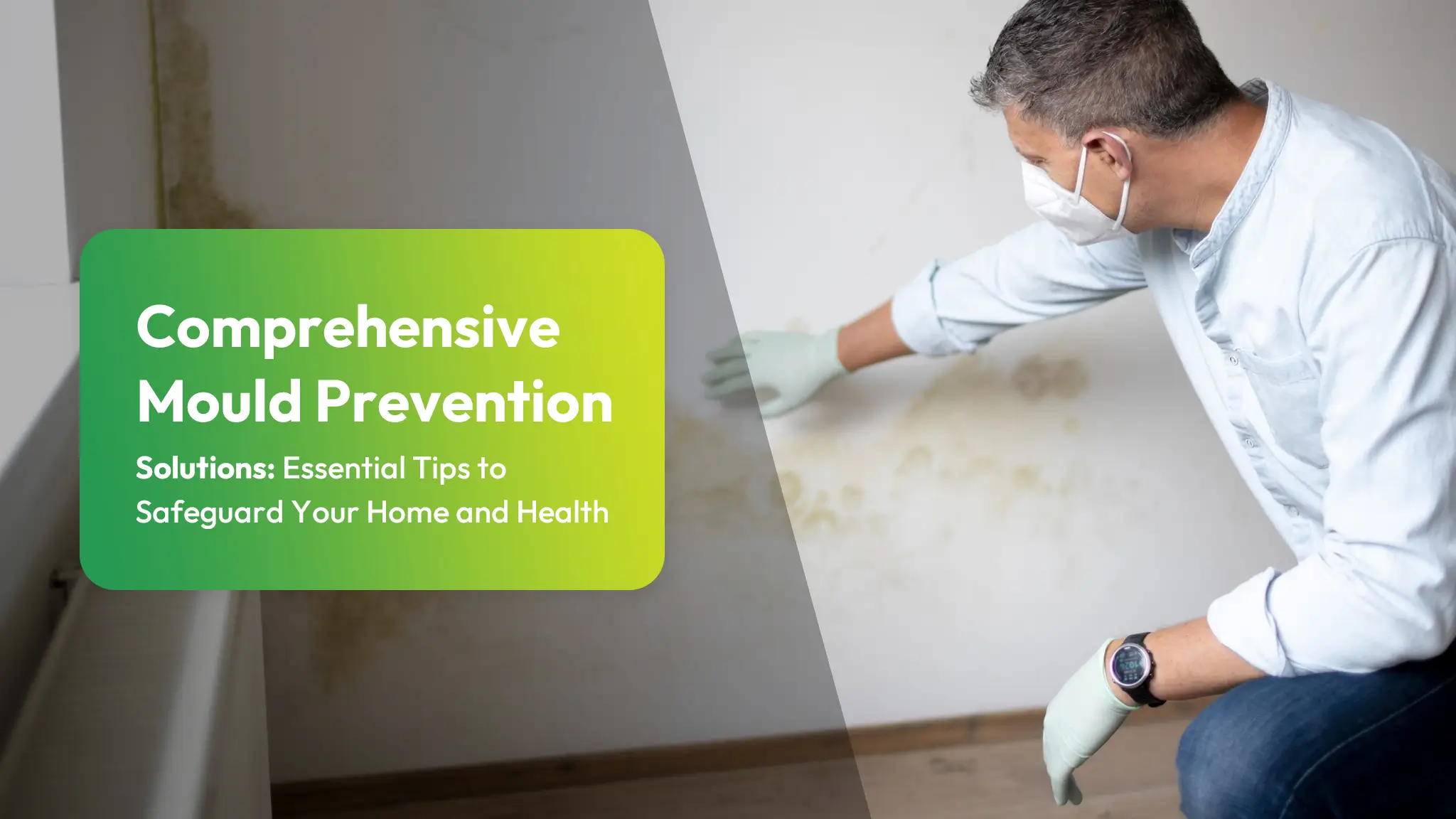
Mould can silently threaten both health and property integrity. Identifying early signs and implementing effective prevention strategies is essential. Homeowners often overlook moisture control, which can lead to serious consequences. Proper ventilation, insulation, and routine maintenance form the foundation of a powerful mould prevention plan. Exploring the best solutions tailored to specific environments can significantly impact overall well-being. Understanding these strategies is essential for long-term protection against mould infestations. What steps can be taken to create a healthier living space?
Key Takeaways
- Maintain indoor humidity levels below 60% using dehumidifiers to prevent mould growth and safeguard health.
- Regularly inspect and repair leaks in plumbing, roofs, and windows to minimise moisture intrusion.
- Ensure proper ventilation in moisture-prone areas by installing exhaust fans and opening windows to promote airflow.
- Use mould-resistant materials during renovations, and regularly clean with natural agents like vinegar to inhibit mould spores.
- Conduct routine inspections of gutters, HVAC systems, and indoor humidity to maintain a mould-free environment.
Table of Contents
How to Identify Early Signs of Mould and Prevent Its Growth
How can one effectively recognise the early signs of mould and mitigate its proliferation? Awareness is key to maintaining a healthy living environment.
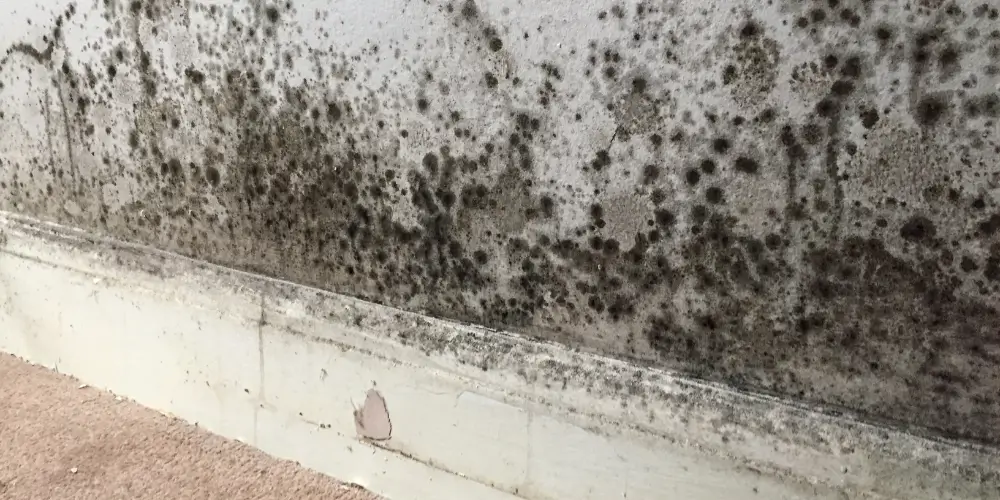
Early signs include visible spots on walls, ceilings, or floors, often appearing as patches of black, green, or white. A musty odour frequently accompanies these visual cues, indicating moisture accumulation. Additionally, an increase in allergy symptoms among residents may signal the presence of mould, which thrives in damp conditions.
To prevent mould growth, one should regularly inspect areas prone to humidity, such as bathrooms, kitchens, and basements. Keeping indoor humidity levels below 60% is essential; using dehumidifiers can help achieve this.
Ensuring proper ventilation and promptly addressing any leaks or water damage will further deter mould’s advance. By taking these proactive measures, individuals can protect their spaces and enjoy the freedom of a healthy, mould-free home.
The Best Mould Prevention Solutions for Damp Basements
Although damp basements are often a breeding ground for mould, implementing effective prevention solutions can greatly reduce the risk.
First, ensuring proper drainage around the foundation is essential; this includes maintaining gutters and downspouts to direct water away from the home. Next, using a dehumidifier can help control moisture levels, creating an environment less conducive to mould growth.
Additionally, sealing cracks and openings in walls and floors prevents moisture intrusion. Regular inspection and maintenance of plumbing systems will also help mitigate leaks that can contribute to damp conditions.
Ventilation is essential; installing vents or fans can improve airflow and reduce humidity. Finally, opting for mould-resistant paints and materials when renovating can further protect the space.

How Proper Insulation Plays a Key Role in Mould Prevention
Proper insulation serves as a key barrier against mould growth by regulating temperature and moisture levels within a home. Effective insulation creates a stable environment, deterring the conditions that promote mould proliferation.
Homeowners can enjoy the freedom of a safe, healthy living space when insulation is properly installed.
- Maintains consistent indoor temperatures, reducing condensation.
- Minimises energy costs, allowing for more economical living.
- Prevents cold spots that can lead to moisture accumulation.
- Increase air quality by reducing humidity levels.
- Protects structural integrity and extends the lifespan of the home.
Investing in proper insulation not only safeguards health but also increases comfort.
Step-by-Step Guide to Implementing Mould Prevention in Your Home
Implementing mould prevention strategies in a home requires a systematic method to effectively combat moisture and encourage a healthy living environment. Homeowners can take essential steps to mitigate mould growth by following a structured plan.
| Step | Action |
| 1. Assessment | Inspect areas prone to moisture, like basements and bathrooms. |
| 2. Ventilation | Guarantee proper airflow by using exhaust fans and opening windows. |
| 3. Moisture Control | Use dehumidifiers and fix leaks promptly to maintain humidity levels. |
Choosing the Right Mould Prevention Solutions for Your Climate
When selecting mould prevention, homeowners must consider the unique climate characteristics of their region, as these factors greatly influence moisture levels and latent mould growth latent.
Different climates may require a tailored method to effectively combat mould.
Homeowners should evaluate the following factors:
- Humidity Levels: High humidity often necessitates dehumidifiers or moisture-absorbing materials.
- Seasonal Changes: Areas with significant temperature fluctuations may require more robust insulation and ventilation strategies.
- Rainfall Patterns: Regions with heavy precipitation should focus on waterproofing and drainage solutions.
- Temperature Extremes: Cold climates may need antifungal treatments, while warmer areas could benefit from regular cleaning.
- Air Circulation: Proper ventilation is essential in both humid and dry regions to maintain a balanced indoor environment.
How Mould Prevention Can Improve Indoor Air Quality
Mould prevention plays a crucial role in enhancing indoor air quality, an essential aspect of maintaining a healthy living environment. By effectively managing moisture levels and ensuring proper ventilation, homeowners can greatly reduce the presence of mould spores and other airborne contaminants. This proactive method encourages a fresher, cleaner atmosphere, ultimately contributing to overall well-being.
| Factor | Impact on Indoor Air Quality | Prevention Methods |
| Humidity Levels | High humidity promotes mould growth | Dehumidifiers, ventilation |
| Air Circulation | Poor circulation traps pollutants | Fans, open windows |
| Surface Cleanliness | Dirty surfaces harbour mould spores | Regular cleaning, sand sanitisation |
The Impact of Mould Prevention Solutions on Property Health and Value
Effective mould prevention solutions significantly influence a property’s health and overall market value. By implementing these strategies, homeowners can create a safe, appealing environment that attracts potential buyers and preserves their investment.
- Increased indoor air quality promotes comfort and well-being.
- Lower risk of structural damage protects property integrity.
- Increased energy efficiency reduces long-term utility costs.
- Positive aesthetic appeal boosts marketability.
- Compliance with health regulations mitigates legal risks.
These factors contribute to a thorough understanding of property health.
Properties that emphasise mould prevention not only provide a safer living space but also command higher prices in the real estate market.
Consequently, investing in mould prevention solutions is not merely an expense; it is an essential step toward safeguarding both health and financial interests, allowing homeowners to enjoy their spaces without concern for hidden dangers.
Effective Mould Prevention Solutions for Homes in High Humidity Areas
In high-humidity areas, the risk of mould growth escalates considerably, necessitating proactive measures to protect homes from this pervasive issue. Effective mould prevention solutions can empower homeowners to maintain their sanctuaries and enjoy peace of mind.
| Solution | Description |
| Dehumidifiers | Reduce moisture levels to create an inhospitable environment for mould. |
| Ventilation | Guarantee proper airflow in attics and basements to prevent moisture buildup. |
| Moisture Barrier | Install barriers in crawl spaces to prevent ground moisture from seeping in. |
| Regular Inspections | Conduct routine checks for leaks and dampness and address issues promptly. |
Implementing these strategies encourages an environment free of the anxiety associated with mould-related health issues. By taking charge, homeowners can enjoy their living spaces without the threat of unwanted growth.
Mould Prevention Solutions: Why Regular Maintenance Is Crucial
Regular maintenance is essential for preventing mould growth in any home, particularly in areas prone to high humidity. Homeowners who prioritise this upkeep can enjoy a healthier living environment and avoid the latent consequences of mould exposure.
Regular checks and proactive measures empower individuals to take control of their home’s safety.
Key maintenance practices include:
- Inspecting roofs and gutters for leaks and debris
- Cleaning and servicing HVAC systems to guarantee proper airflow
- Checking plumbing fixtures for drips and leaks
- Sealing windows and doors to prevent moisture infiltration
- Monitoring indoor humidity levels with dehumidifiers as needed
DIY Mould Prevention: Simple Solutions for Homeowners
Although many homeowners may feel overwhelmed by the prospect of mould prevention, simple DIY solutions can greatly reduce the risk of growth.
One effective method is to maintain proper ventilation in areas prone to moisture, such as bathrooms and kitchens. Installing exhaust fans and opening windows can facilitate airflow, minimising dampness. Additionally, homeowners can regularly inspect and repair leaks in roofs, pipes, and windows, ensuring that any source of water intrusion is addressed promptly.
Using moisture-absorbing materials, like silica gel or activated charcoal, in closets and storage spaces can also be beneficial. Regular cleaning with vinegar or baking soda can inhibit mould spores from taking root.
Finally, keeping indoor humidity below 50% with dehumidifiers or air conditioning can create an unfavourable environment for mould growth.
Frequently Asked Questions
How Often Should I Check for Mould in My Home?
Regular mould checks should be conducted at least once per season, focusing on damp areas such as bathrooms and basements. Increased vigilance is advisable after heavy rain or flooding to ensure a healthy home environment.
Can Mould Grow in Dry Climates?
Mould can indeed grow in dry climates, particularly in areas with humidity fluctuations or water leaks. Its growth is often underestimated, showcasing the importance of vigilance and proper home maintenance even in seemingly arid environments.
What Are the Health Risks Associated With Mould Exposure?
Mould exposure can lead to various health risks, including respiratory issues, allergic reactions, skin irritations, and weakened immune responses. Individuals may experience chronic fatigue, headaches, and sinus problems, considerably impacting overall well-being and quality of life.
Do I Need Professional Help for Mould Removal?
Professional help for mould removal is often advisable, especially for extensive infestations. Experts guarantee thorough eradication and address underlying moisture issues, ultimately safeguarding health and preventing future occurrences, allowing individuals to maintain a healthier living environment.
How Can I Tell if My Mould Prevention Methods Are Effective?
To determine the effectiveness of mould prevention methods, one should monitor for visible mould growth, musty odours, and humidity levels. Regular inspections and maintaining dry environments are essential indicators of successful mould management.
Conclusion
To sum up, proactive mould prevention strategies are essential for maintaining a healthy home environment. By implementing proper ventilation, using dehumidifiers, and regularly inspecting for leaks, homeowners can greatly reduce the risk of mould growth. Incorporating mould-resistant materials and establishing a consistent cleaning routine further increases indoor air quality. Ultimately, diligent maintenance not only protects personal health but also preserves property value, making all-encompassing mould prevention an outlay worth undertaking.









Charlotte