h4 shape 1
h4 shape 2
OPERATIONAL RISK MANAGEMENT

Fire Risk Assessment.

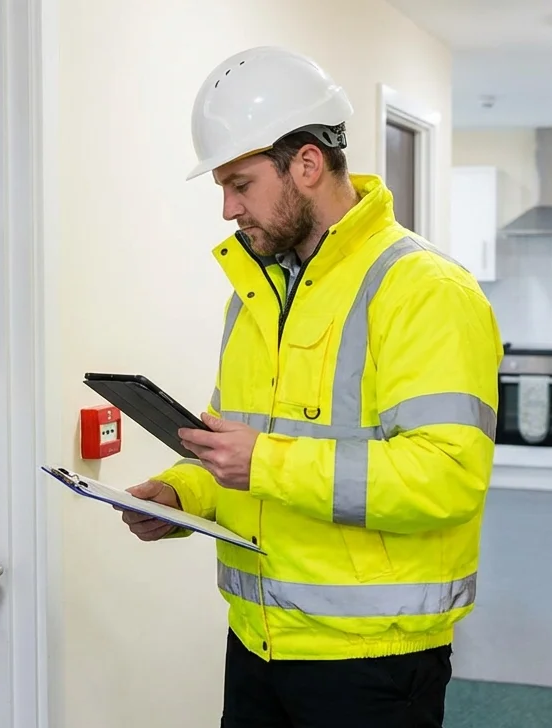
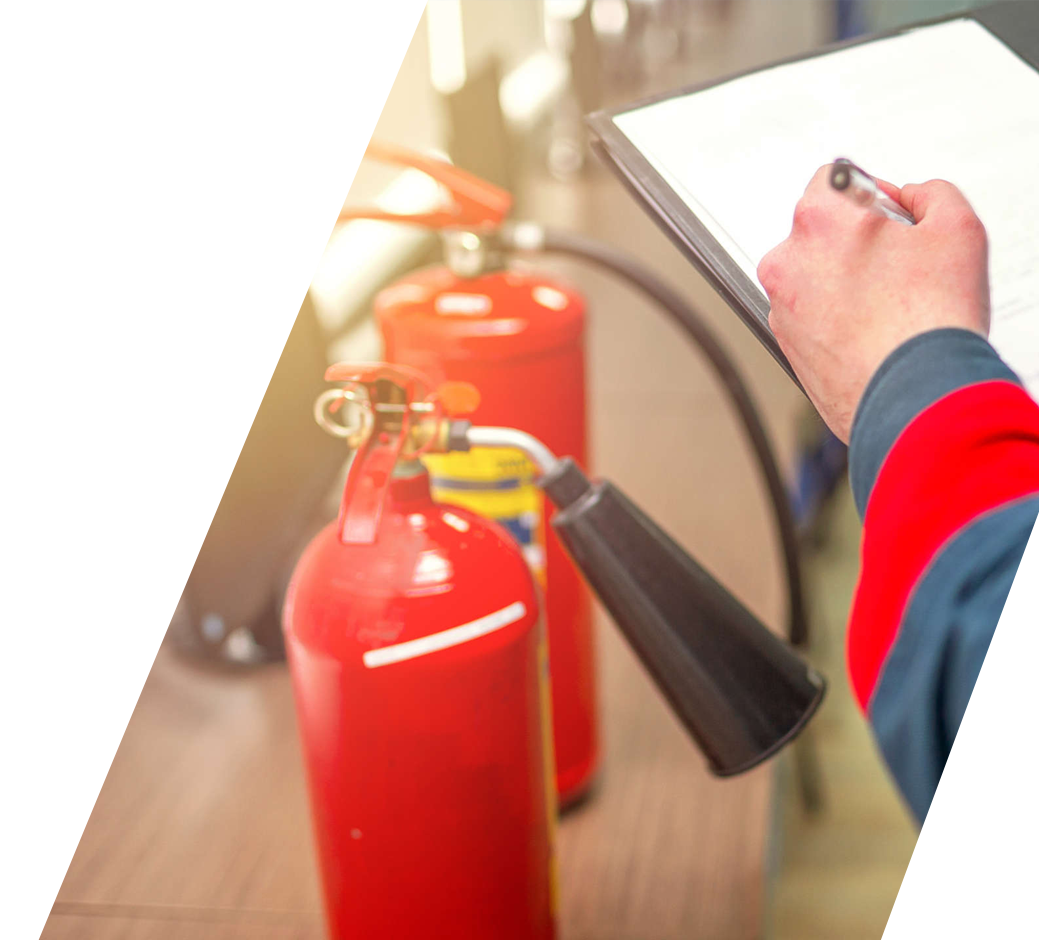
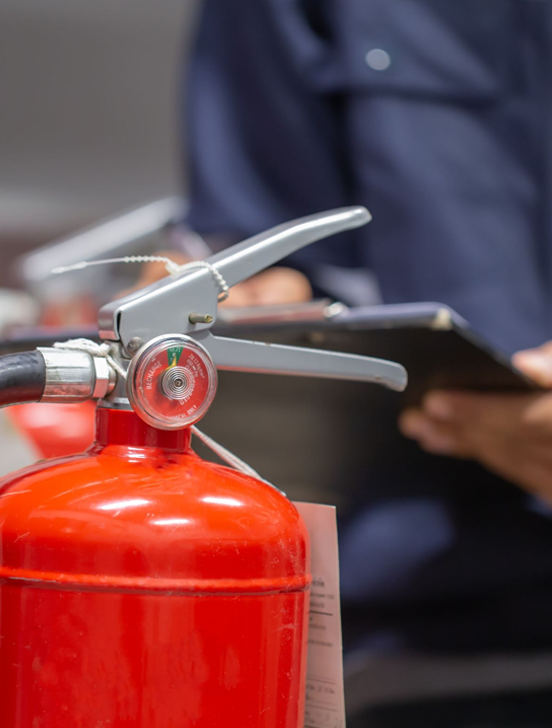
A Fire Risk Assessment (FRA) is a mandatory evaluation of your workplace to identify potential hazards and ensure the safety of all occupants. Unlike a one-time certificate, an FRA is a living document that manages the day-to-day safety of your building.

Banner 11

FRA

h1 sub title Pricing List

Residential FRA Pricing List

Communal Area

Accredited by IFSM
£ 139
99
excl. VAT
  • All inclusive (No hidden costs)

Studio

Accredited by IFSM
£ 84
99
excl. VAT
  • All inclusive (No hidden costs)

1-3 Bedrooms

Accredited by IFSM
£ 149
99
excl. VAT
  • All inclusive (No hidden costs)

3-6 Bedrooms

Accredited by IFSM
£ 199
99
excl. VAT
  • All inclusive (No hidden costs)
h1 sub title Pricing List

Commercial FRA Pricing List

Communal Area up to 3 Floors

Accredited by IFSM
£ 149
99
excl. VAT
  • All inclusive (No hidden costs)

Communal Area up to 3 – 5 Floors

Accredited by IFSM
£ 189
99
excl. VAT
  • All inclusive (No hidden costs)

Communal Area up to 5 – 10 Floors

Accredited by IFSM
£ 279
99
excl. VAT
  • All inclusive (No hidden costs)

Building up to 3 Floors

Accredited by IFSM
£ 249
99
excl. VAT
  • Expert check, full report, and clear action plan.

Building 3 – 5 Floors

Accredited by IFSM
£ 369
99
excl. VAT
  • Expert check, full report, and clear action plan.

Building 5 – 10 Floors

Accredited by IFSM
£ 489
99
excl. VAT
  • Expert check, full report, and clear action plan.

Building 10 – 15 Floors

Accredited by IFSM
£ 589
99
excl. VAT
  • Expert check, full report, and clear action plan.

Building More Than 15 Floors

Accredited by IFSM
Get Quote excl. VAT
  • Scope confirmed, tailored quote provided.

The cost of a Commercial Fire Risk Assessment in London varies based on building height, layout, and whether communal areas are included. Our fixed-price options begin at £149.99, with scope confirmed prior to attendance to ensure the right package is applied.

What Is a Fire Risk Assessment
h1 sub title MANDATORY LIFE SAFETY

What Is a Fire Risk Assessment?

A fire risk assessment is a structured evaluation of a building or workplace that identifies potential fire hazards, determines who could be harmed, and reviews the adequacy of existing fire safety measures. It provides a clear picture of how a fire could start, how it might spread, and the consequences for occupants, visitors, or staff.
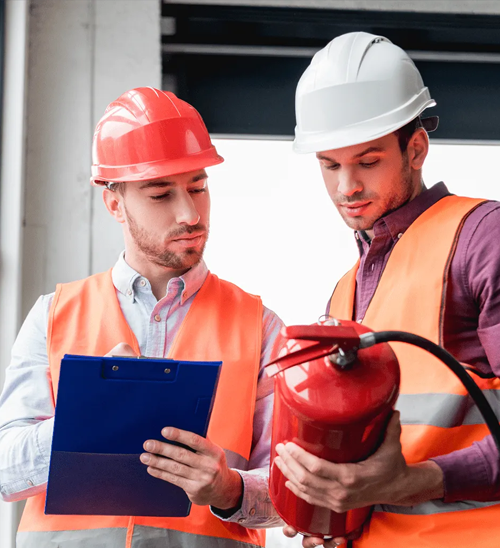
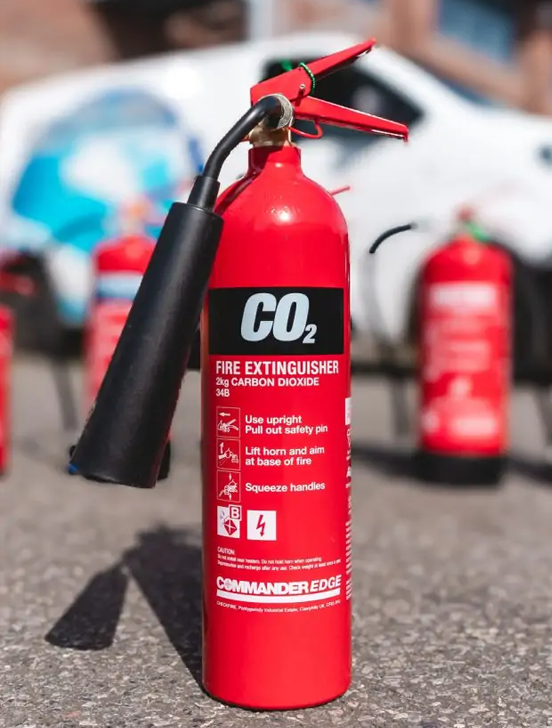
The assessment typically examines ignition sources, fuel loads, and oxygen supplies, as well as building layout, compartmentation, and escape routes. It reviews detection and warning systems, emergency lighting, fire doors, extinguishers, signage, and evacuation arrangements.

For any inquiries call the 020 8178 5892

Attention is given to higher-risk situations, such as lone working, sleeping areas, or people with limited mobility. Findings are recorded and translated into practical actions, prioritised by risk. The aim is to reduce the likelihood of fire and limit harm through prevention, protection, and preparedness, supported by maintenance and staff instruction.

REGULATORY COMPLIANCE CHECK

Do You Need a Fire Risk Assessment: and When?

Whether a Fire Risk Assessment (FRA) is mandatory depends on the premises type and occupancy. Navigating these legal duties early ensures your property remains safe, compliant, and open for business.

A Fire Risk Assessment gives you a full understanding of your property’s life-safety condition. It highlights urgent risks and mandatory improvements so you can take action quickly, keeping your building safe, compliant, and reliable for everyday use.

Do You Need a Fire Risk Assessment and When 02
Do You Need a Fire Risk Assessment and When 01
Product Image 10
AVAILABLE SAFETY SOLUTIONS AND BENEFITS

Benefits of a Fire Risk Assessment

A Fire Risk Assessment provides a targeted diagnostic framework to ensure your property meets life-safety benchmarks, protecting both occupants and assets through:

82
IGNITION & HAZARD CONTROL

We systematically identify ignition sources and flammable materials. By reviewing electrical safety and storage routines, we ensure hazards are separated from heat sources to prevent fire before it starts.

84
DETECTION & SUPPRESSION

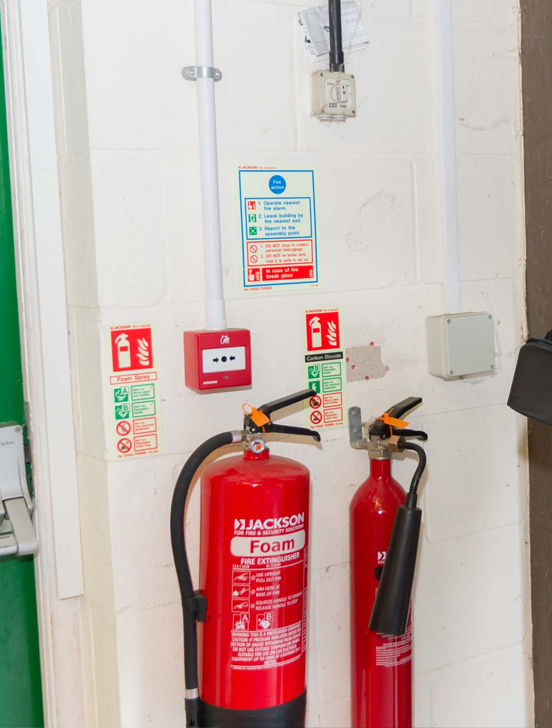
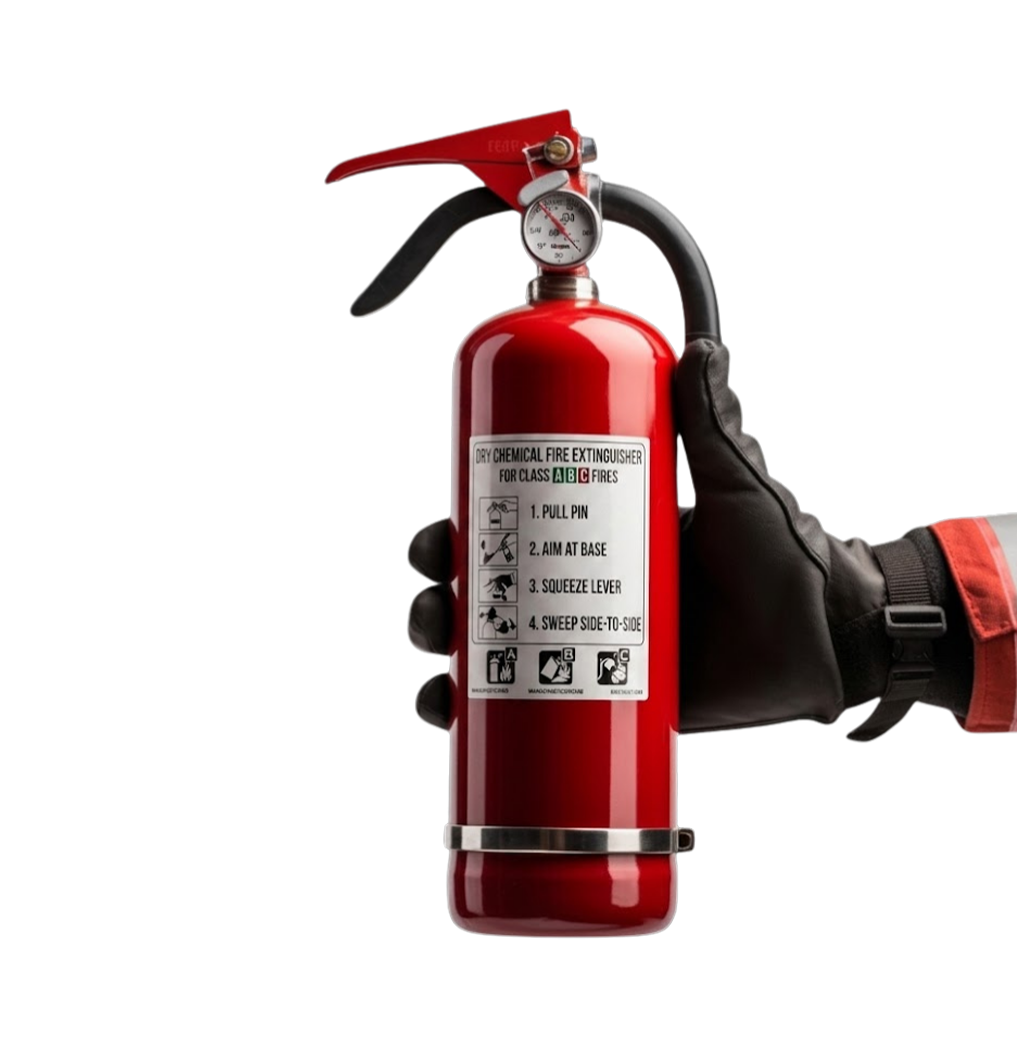
We confirm that detection systems are audible throughout the premises and that firefighting equipment is the correct type and properly serviced, providing the first line of defense against property loss.

83
EVACUATION & ESCAPE ROUTES

Expert checks verify that escape routes, door operations, and signage meet safety widths and distances. This ensures clear, unobstructed paths and visible lighting for every occupant during an emergency.

85
VULNERABLE PROTECTION

Our assessment specifically considers lone workers, visitors, and disabled occupants. We ensure emergency procedures and communication interfaces are clear, leaving no one behind in a crisis.

STEP-BY-STEP PROCESS

How Do We Do a Fire Risk Assessment?

A structured Fire Risk Assessment (FRA) ensures that potential hazards are identified and managed before they become a threat. Following these six steps maintains consistency and legal compliance across your property.

List
Identify Fire Hazards

We begin by documenting potential ignition sources, such as faulty wiring or heating equipment, alongside combustible materials and oxygen-enriching processes that could fuel a fire.

List
Identify People at Risk

Next, we evaluate who is in the building. This includes staff, visitors, and contractors, with a specific focus on anyone who might require additional assistance to evacuate safely.

List
Evaluate & Prioritize Risk

We judge the likelihood of a fire and the potential consequences. From this data, we decide which additional precautions are needed and rank them by urgency to tackle high-risk areas first.

List
Record Significant Findings

All technical data is compiled into a formal record. We assign specific actions to named roles with clear deadlines, ensuring the safety plan is both communicated and ready for implementation.

List
Implement Safety Controls

Practical measures are put into place based on the findings. This involves ensuring fire doors, alarms, and escape routes are fully functional and that all staff understand their emergency responsibilities.

List
Review & Update Routinely

A risk assessment is never static. We schedule regular reviews and update the document after any building changes, such as refurbishments, staffing shifts, or layout alterations, to keep controls effective.

LIFE SAFETY AUDIT

What Should a Fire Risk Assessment Check Cover?

Although each premise has its own layout and activities, a fire risk assessment check systematically combines a close visual inspection with operational reviews to confirm the life-safety integrity of your property.

What Should a Fire Risk Assessment Check Cover 02
What Should a Fire Risk Assessment Check Cover 01
Product Image 10
Who Can Legally Carry Out a Fire Risk Assessment
Who Can Legally Carry Out a Fire Risk Assessment 01
Product Image 10
REGULATORY COMPLIANCE CHECK

Who Can Legally Carry Out a Fire Risk Assessment?

Determining who is permitted to complete an assessment depends on the building's complexity. Navigating these requirements early ensures your documentation remains legally robust and your property remains safe for business.

A professional assessment highlights urgent risks and mandatory improvements, keeping your building safe and compliant.

Structured Record Keeping

Findings must be written in a clear format, identifying the premises, date, and assessor. Detailed notes show exactly what was examined to provide a defensible evidence trail.

BOOK NOW
Linked Hazard Analysis

Each finding should link hazards directly to the people at risk. We evaluate existing precautions like alarms and escape routes to highlight specific weaknesses that need attention.

BOOK NOW
Actionable Task Lists

Move beyond vague intentions. Actions are listed as specific tasks with named responsible persons and realistic deadlines, ensuring every safety gap is closed effectively.

BOOK NOW
Evidence & Retrieval

Support your conclusions with maintenance logs, test records, and photos. Secure, version-controlled storage ensures your data is easily retrievable for inspectors or insurers.

BOOK NOW
h1 sub title SMART SAFETY COMPLIANCE

How to Record Fire Risk Assessment Findings

Even minor documentation gaps can lead to legal non-compliance. Maintaining a clear, structured approach to your safety records ensures a predictable compliance timeline and a seamless audit process.

How to Record Fire Risk Assessment Findings

From the first call to the final sign-off, HSSE Solutions manages every stage with professionalism and care.

 
h1 sub title REGULATORY COMPLIANCE CHECK

When Should You Review Your Fire Risk Assessment?

When does a fire risk assessment record end and a review begin? The record is a defensible snapshot: evidence that your property meets safety standards at a specific point in time.

A review is a living process: it ensures your safety measures remain reliable as the space, people, or building use evolve over time.

Significant Changes: Updates triggered by building alterations, new occupancy levels, or hazardous substances.
Incident Response: Immediate reviews following a fire, near-miss, or a trend in false alarms.
Scheduled Baselines: Regular annual checks to confirm that controls still work in practice, even without major changes.
Maintenance & Drills: Feeding equipment updates and evacuation results into the report to sustain compliance.
Frequently Asked Questions 8
h1 sub title Fire Risk Assessment (FRA)

Frequently Asked Questions

A professional assessment typically costs £200–£1,000, with small premises often £200–£500 and larger, complex sites £600–£2,500+. Price varies by floor area, occupancy risk, report detail, travel, and assessor accreditation.

It usually takes a few hours for small, simple premises and up to one or two days for larger or complex sites. Duration depends on size, occupancy, documentation quality, and required reporting.

Penalties typically include enforcement notices, fines, and potential prosecution; serious breaches can result in imprisonment, business closure, or insurance invalidation. Regulators consider risk level, harm, and cooperation. Duties vary by jurisdiction and premises type.

Insurers often require evidence of a fire risk assessment to underwrite business property coverage, especially for higher-risk premises. Without it, they may decline, restrict terms, raise premiums, or dispute claims after a loss.

Yes, it can sometimes be done remotely using clear photos and accurate floor plans, but limitations apply. Complex layouts, high-risk activities, or compliance needs may require an on-site visit to verify conditions.

testimonial

What Our Clients Say About Us

t4 small 1
t4 small 2
t4 small 3
t4 quote
t4 big 1
HSSE Solutions made the whole process so easy! They guided me through every step and helped me qualify for the ECO4 grant. My home now feels warmer and my energy bills are much lower. Highly recommend their service!
Sarah Thompson
Birmingham
t4 quote
t4 big 2
I was really impressed by how professional and efficient HSSE Solutions was. They handled everything from checking my eligibility to installation. Thanks to them, I got free insulation and a new boiler under the GBIS scheme!
David Patel
Manchester
t4 quote
t4 big 3
HSSE Solutions did an excellent job helping me qualify for the ECO4 funding. The team explained everything clearly and managed the entire process smoothly. My home is much warmer now, and I’m already seeing lower energy bills. Brilliant service!
Michael Roberts
Leeds
our accreditation

Approved by

HSSE Solutions is recognized and accredited by reputable industry awarding bodies across the UK.

Get a Free Quote → 📞 02081785892
TrustMark Endorsed