

 Fault Finding Overview
What Electrical Fault Finding & its Fault Types?
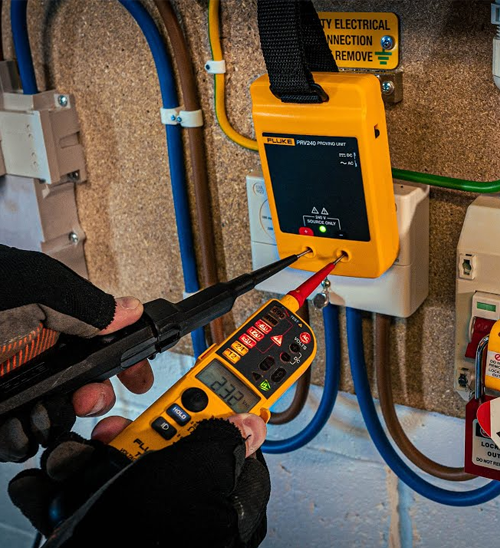
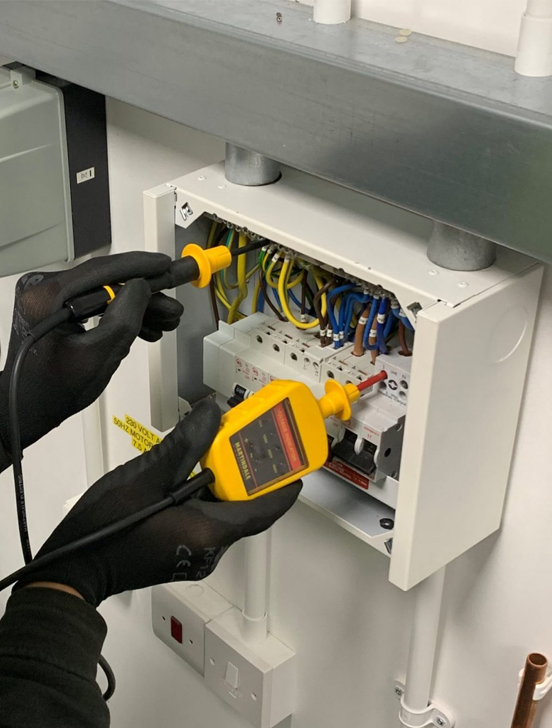
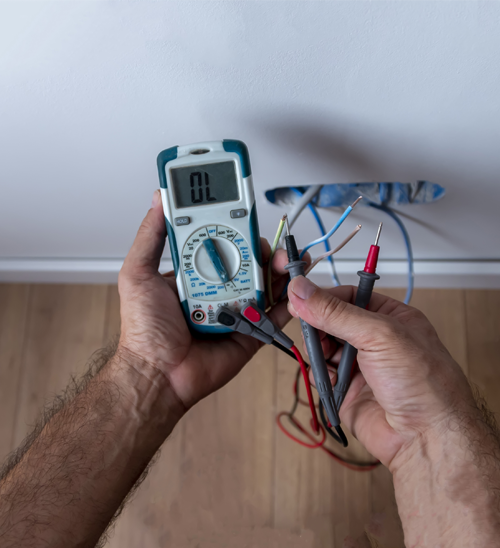
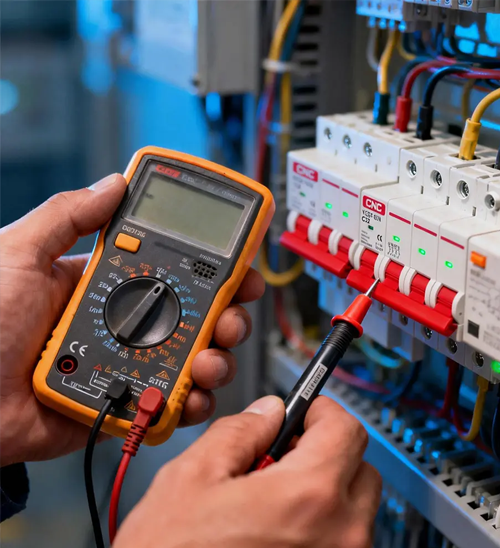
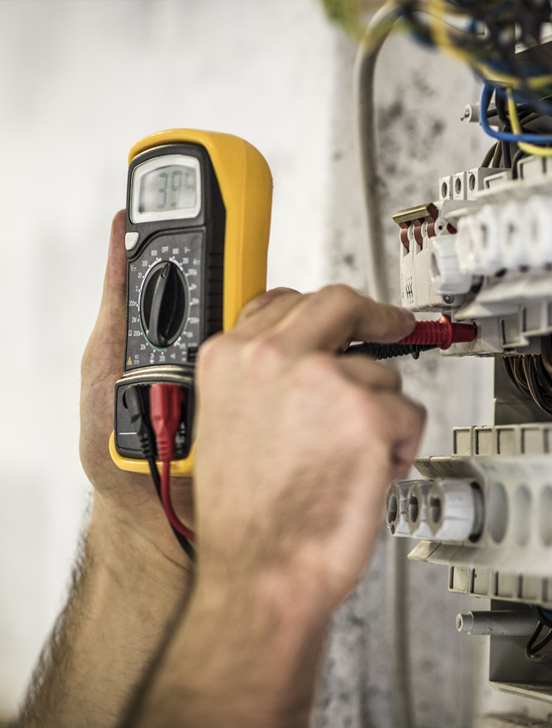
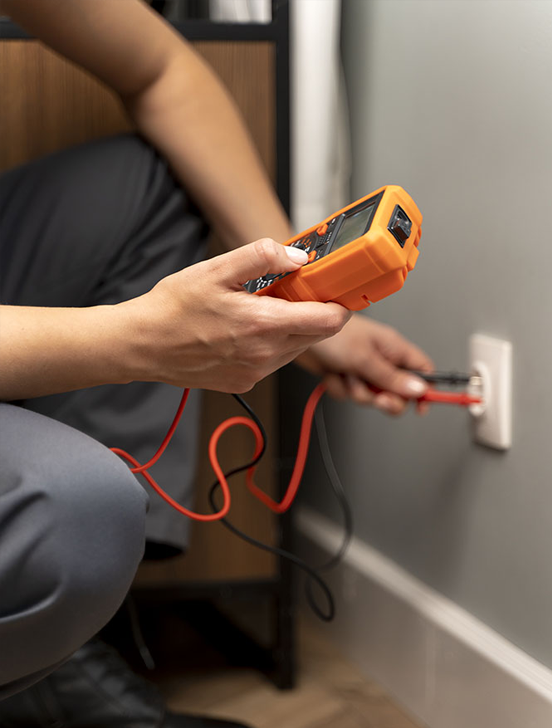
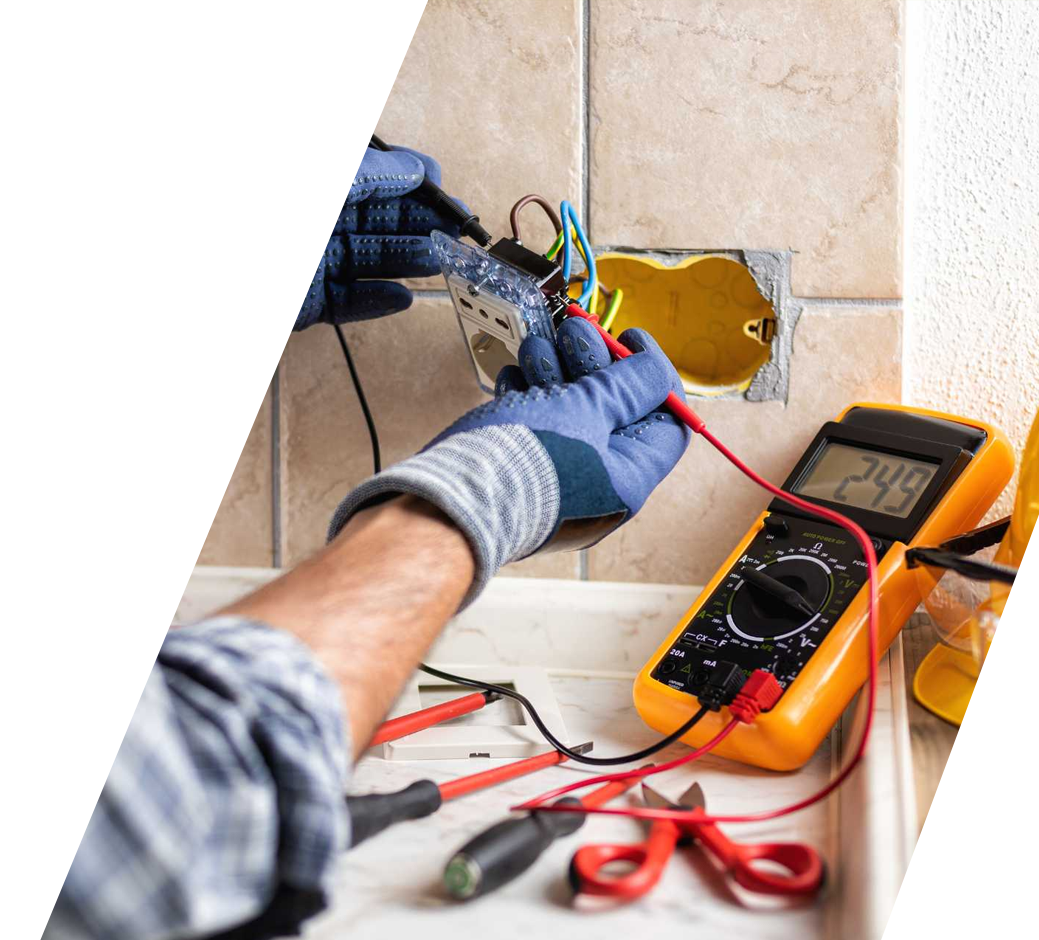
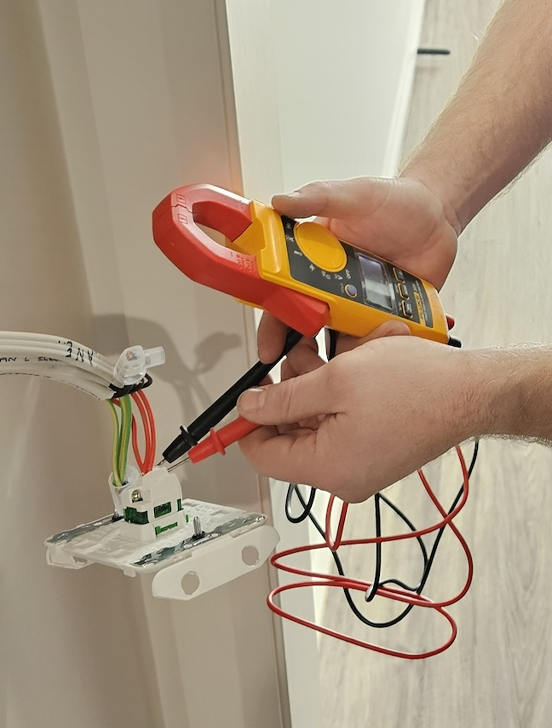
Electrical fault finding is the systematic process of identifying, isolating, and verifying the cause of an electrical problem in a circuit, installation, or appliance. It combines observation, circuit knowledge, and measured checks to confirm what has failed and why, then directs effective repairs rather than relying on guesswork.
Common symptoms include tripping protection devices, loss of power, overheating, abnormal noise, or equipment malfunction. Fault types are often grouped by their effects on current flow and protective devices. Open-circuit faults occur when a conductor, joint, fuse, or switch fails, preventing current from reaching the load.