h4 shape 1
h4 shape 2
Electrical Safety Checks

Portable Appliance Testing.

PAT Testing checks plug-in electrical equipment for safety using visual inspections and electrical tests. It helps meet safety requirements, with frequency based on risk and environment.

Banner 5

PAT

h1 sub title Expert Electrical Safety

Professional PAT Testing

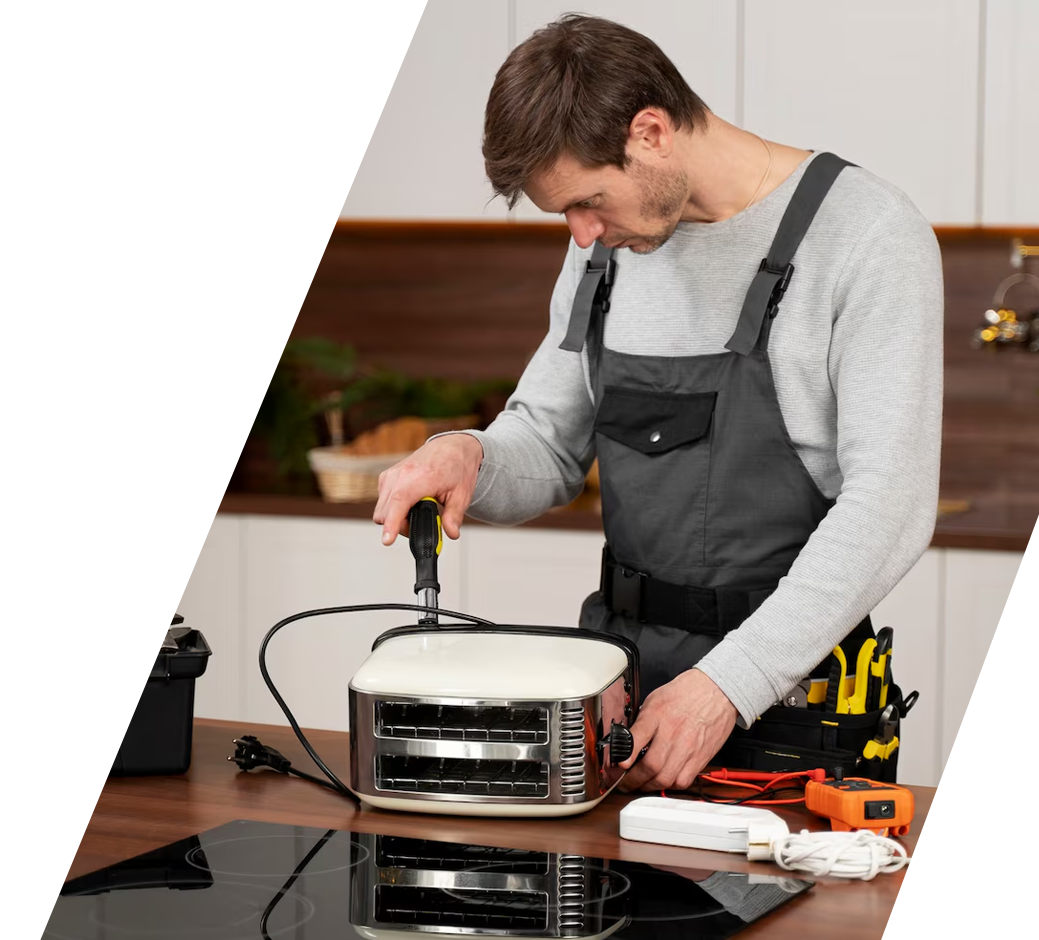
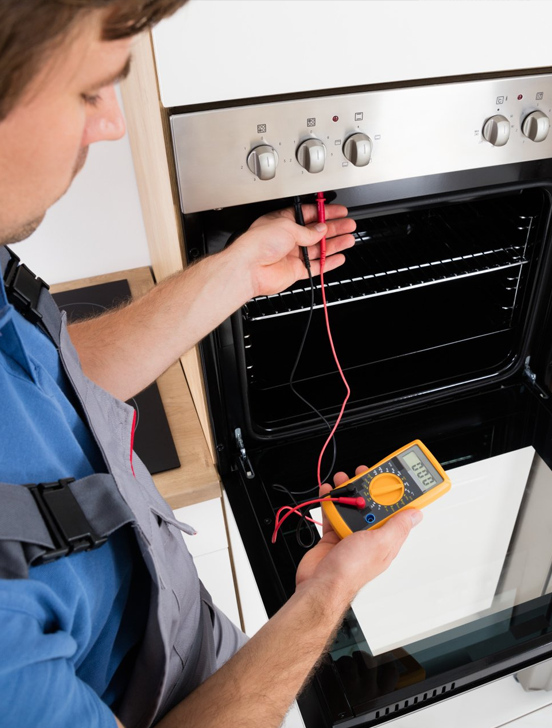
HSSE Solutions provides essential electrical safety inspections to ensure your portable appliances remain safe and compliant. Our PAT Testing process combines meticulous visual checks with advanced electrical testing to identify hidden faults, damaged cabling, and potential shock or fire hazards.

Our services are delivered by qualified engineers using calibrated, professional-grade equipment. We help businesses, landlords, and property managers across London and the M25 maintain rigorous safety standards, significantly reducing the risk of electrical failure and workplace incidents.

Whether you operate a high-traffic office, a commercial kitchen, or a residential rental property, our team ensures your equipment is fit for purpose. HSSE Solutions delivers fast, reliable results with transparent reporting and full certification provided immediately upon completion.

PAT Testing Certificate

Accredited by NICEIC
£ 49
99
excl. VAT
  • Qualified NICEIC Engineers
  • Accordance with Regulations
  • Professional Engineers
  • 10 Years Experience
What Is PAT Testing Portable Appliance Testing
h1 sub title Electrical Safety Compliance

What Is PAT Testing (Portable Appliance Testing)?

Many workplaces rely on electrical equipment every day, and PAT testing (Portable Appliance Testing) is the routine process used to check that portable electrical appliances are safe to use. It focuses on items that can be moved and plugged in, such as kettles, monitors, extension leads, chargers, and power tools.

A typical PAT check combines a quick visual inspection with simple electrical measurements. The visual stage looks for obvious risks: damaged plugs, loose wiring, cracked casings, scorched marks, or strained cables.
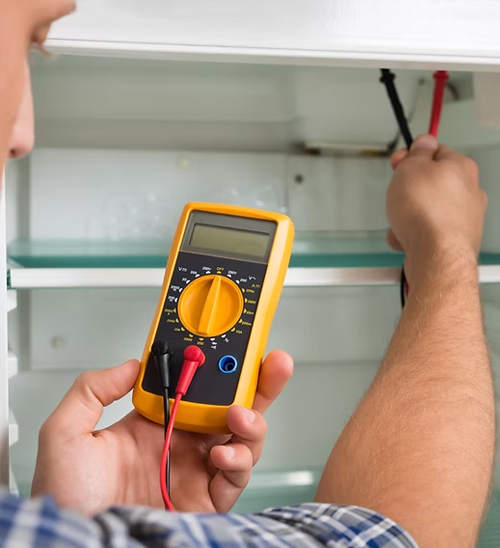
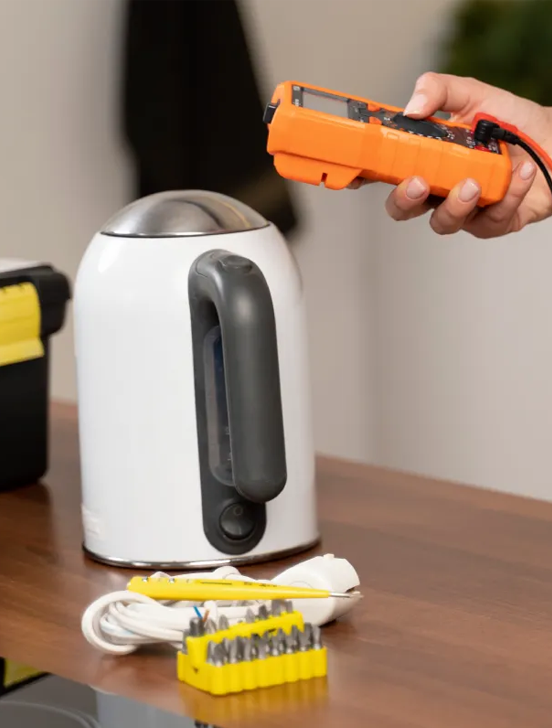
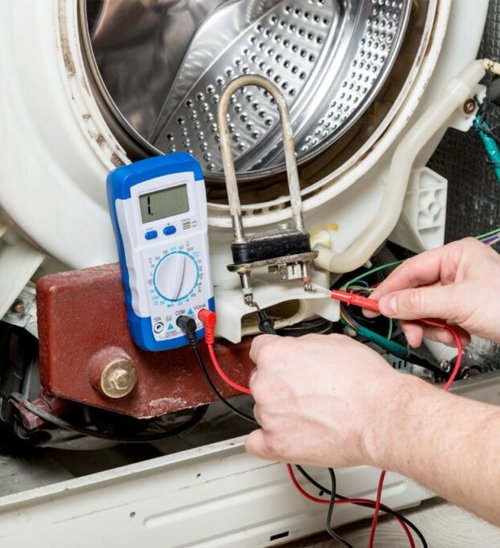
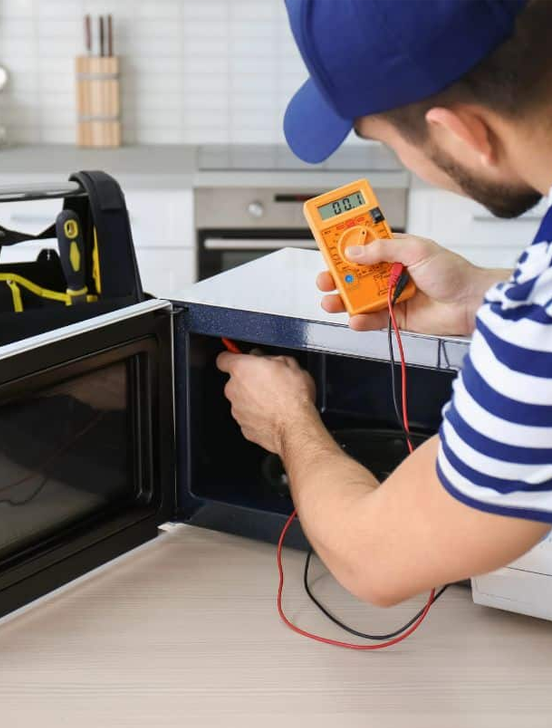
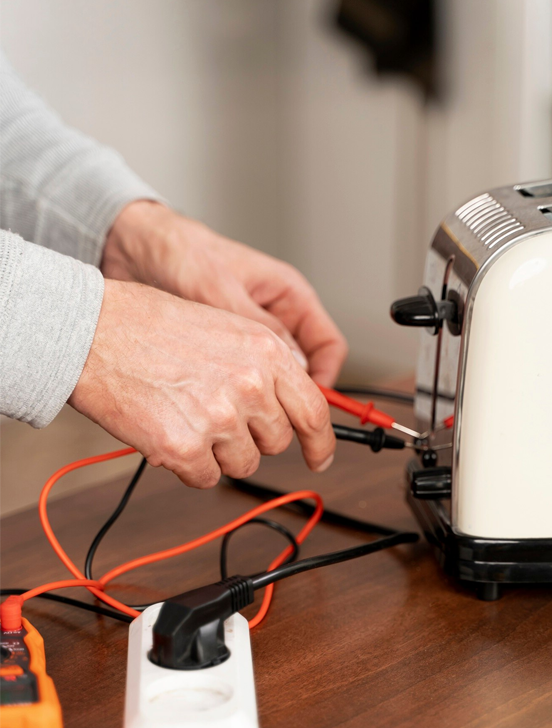
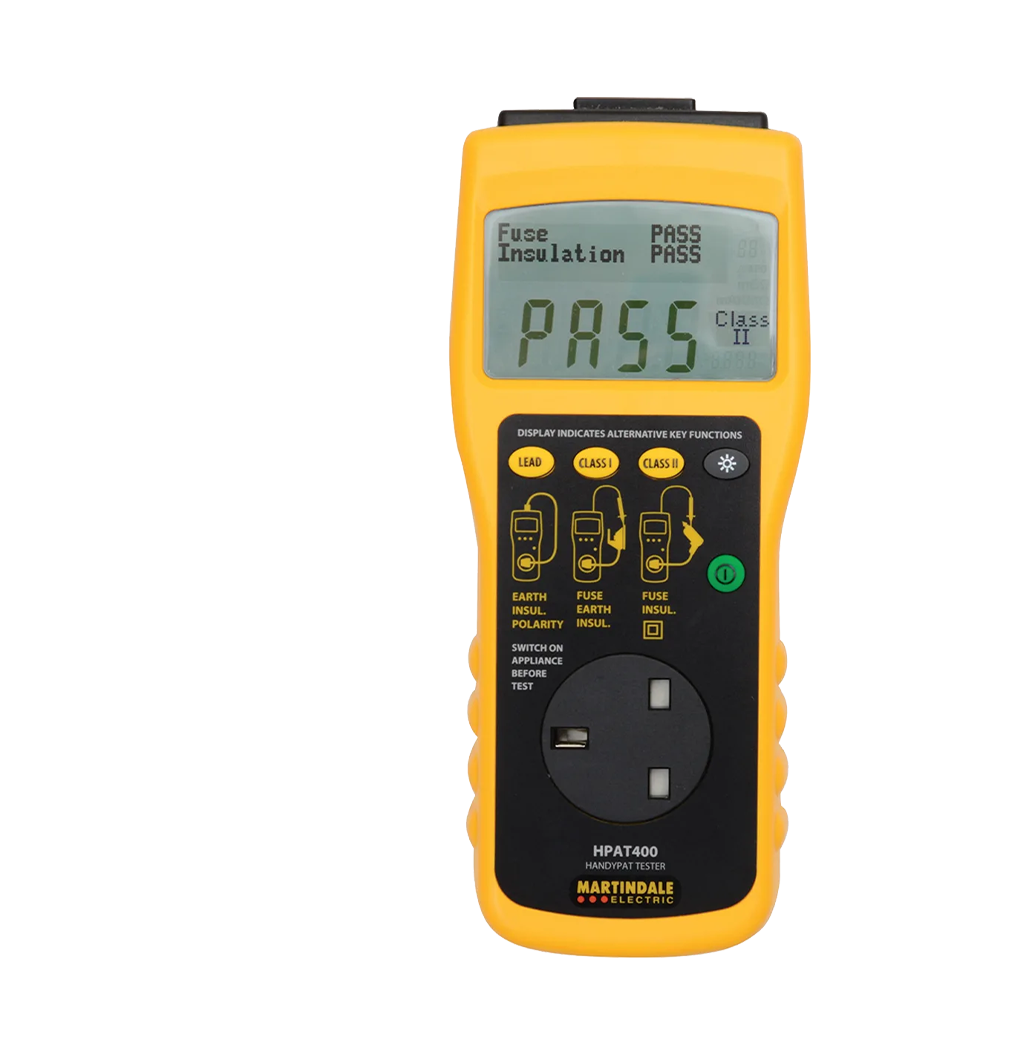
The test stage may include checks for earth continuity, insulation resistance, polarity, and functional operation, using a dedicated tester. Equipment is then labelled with a pass/fail result and recorded so issues can be fixed or removed from use.

For any inquiries call the 020 8178 5892

Done well, PAT testing supports self-directed workplaces by reducing interruptions, preventing avoidable breakdowns, and helping people use equipment confidently without constant oversight.

Compliance & Responsibility

Is PAT Testing Legally Required & Who Needs It?

In most regions, there is no single law demanding “PAT” by name; instead, duty holders must keep electrical equipment safe and prove reasonable control. That typically means inspection and testing when risk, environment, and usage warrant it, with records that stand up to challenge. Responsibility sits with the person or organisation in control of the workplace or rented premises, not with individual users. They can delegate the task, but not the legal accountability.

Common duty holders include:

A practical approach preserves freedom: assess risk, set sensible intervals, fix faults quickly, and avoid box‑ticking. Compliance is about safety outcomes, not just paperwork theatre.

Is PAT Testing Legally Required Who Needs It 02
Is PAT Testing Legally Required Who Needs It 01
Product Image 4
Available Safety Solutions and Benefits

Benefits of Portable Appliance Testing (PAT)

The Portable Appliance Testing (PAT) service provides a comprehensive safety framework for your workplace or home, including:

62
Electrical Safety

Comprehensive visual and manual inspections to identify hidden faults in cables and plugs, preventing electrical shocks and potential injuries.

63
Fire Risk Mitigation

Testing identifies overheating components and faulty wiring in appliances like kettles and heaters, significantly reducing the risk of electrical fires.

64
Regulatory Compliance

Ensure your business meets health and safety obligations. We provide detailed logs and "Pass" labels to prove your commitment to equipment maintenance.

65
Asset
Longevity

Regular testing detects minor wear and tear early, allowing for simple repairs that extend the lifespan of your valuable electronic equipment.

STEP-BY-STEP PROCESS

How Does PAT Testing Work (Visual Checks to Labels)?

Although PAT testing is often described as a single check, it works as a short, structured process that starts with a careful visual inspection and, where appropriate, moves on to simple electrical measurements. The aim is to let people use equipment with confidence, without needless hassle or overreach.

List
Asset Verification

We confirm the appliance type, plug configuration, and intended environment to ensure the equipment is fit for its specific use.

List
Visual Inspection

A detailed check of the exterior casing, cable flexibility, and strain relief to identify signs of overheating or physical tampering.

List
Plug & Fuse Audit

We open the plug to verify correct wiring polarity, secure terminal connections, and ensure the fuse rating matches the appliance load.

List
Earth Continuity Testing

For Class I appliances, we perform a resistance test to ensure the protective earth bonding is fully functional and safe.

List
Insulation Resistance Test

We apply specialized electrical measurements to confirm the internal insulation is intact and preventing current leakage.

List
Certification & Labeling

We record the technical data and attach a durable, dated pass/fail label with a unique ID for your compliance records.

Any fail is typically removed from service until repaired or replaced, keeping choice in the user’s hands while reducing avoidable risk. Labels provide quick, plain guidance at the point of use, supporting responsible independence.

Frequency & Compliance

How Often Should PAT Testing Be Done?

PAT testing should be done depends less on a fixed calendar date and more on the level of risk presented by the appliance, its environment, and how it is used.

HSSE Solutions delivers seamless electrical safety and full regulatory compliance through a strategic approach that avoids any unnecessary disruption to your business.

How Often Should PAT Testing Be Done 02
How Often Should PAT Testing Be Done 01
Product Image 4
Who Allowed to Do PAT Testing 02
Who Allowed to Do PAT Testing 01
Product Image 4
Certified Competence Standards

Who’s Allowed to Do PAT Testing?

UK law requires competence rather than a specific license. A tester must have the practical knowledge, calibrated equipment, and authority to identify and decommission hazardous items. Whether for office appliances or industrial tools, the tester's training must align with the specific risks of the environment to ensure all safety duties are met effectively.

A capable PAT Tester typically has:

Our certified experts provide the technical proficiency required to manage your electrical safety duties with total confidence.
Detailed Asset Registry

We maintain a comprehensive list of every item, including unique IDs, makes, models, and locations, ensuring no appliance is overlooked in your safety cycle.

BOOK NOW
Technical Test Logs

Every inspection captures the specific date, test methods, and instrument readings, providing a transparent "Pass/Fail" history for every piece of equipment.

BOOK NOW
Fault & Action History

Our records meticulously track visual damage, repairs, or decommissioning actions, proving that hazardous items were handled correctly and immediately.

BOOK NOW
Verified Instrument Audit

We include calibration and maintenance evidence for our testing tools, strengthening the legal weight and reliability of your entire compliance portfolio.

BOOK NOW
h1 sub title Reliable Compliance Documentation

The Strategic Impact of PAT Records

HSSE Solutions ensures your safety management is backed by robust, verifiable records that protect your business and demonstrate total accountability:

Portable Appliance Testing

From the first call to the final sign-off, HSSE Solutions manages every stage with professionalism and care.

h1 sub title Misconceptions & Pitfalls

Common PAT Testing Myths and Costly Mistakes

Most breakdowns come from myths that trade real control for box‑ticking. PAT is not a once‑a‑year ritual; it is a risk-based check that should match how equipment is used, moved, and abused. Costs rise when decisions ignore evidence, or when people treat labels as protection rather than information.

Assuming every item needs the same test interval
Believing “new” or “double insulated” means “never test”
Using untrained staff and expecting consistent pass/fail calls
Skipping formal visual inspections, where most faults are found
Failing to act on failures, then claiming compliance

We keep safety practical, ensuring your operations stay fluid and fully compliant.

Frequently Asked Questions 4
h1 sub title Portable Appliance Testing (PAT)

Frequently Asked Questions

Yes, testing can be performed on battery-powered tools and chargers. It typically checks the charger on the mains supply and inspects tools for damage. Freedom comes through safe, self-reliant operation and fewer imposed restrictions.

Yes. Electrical safety checks apply to appliances used outdoors or on construction sites. Harsher conditions raise risks, so regular inspection and testing are encouraged. Those responsible should choose sensible intervals and protect users’ right to a safe work environment.

If an appliance fails, it is typically removed from service, repaired by a competent person, and then retested before returning to use. If repair is uneconomical or unsafe, it is quarantined and disposed of, preserving users’ choice and freedom.

Rented or leased appliances may need testing where safety duties apply; responsibility typically sits with whoever controls use and maintenance, often the employer or hirer, while the owner provides safe equipment. Written agreements should clarify.

A sticker template may be used; labels need not be “official” if they clearly record inspection details. What matters is trustworthy testing and records. Duty typically lies with whoever controls the use of equipment, often the employer or site operator.

testimonial

What Our Clients Say About Us

t4 small 1
t4 small 2
t4 small 3
t4 quote
t4 big 1
HSSE Solutions made the whole process so easy! They guided me through every step and helped me qualify for the ECO4 grant. My home now feels warmer and my energy bills are much lower. Highly recommend their service!
Sarah Thompson
Birmingham
t4 quote
t4 big 2
I was really impressed by how professional and efficient HSSE Solutions was. They handled everything from checking my eligibility to installation. Thanks to them, I got free insulation and a new boiler under the GBIS scheme!
David Patel
Manchester
t4 quote
t4 big 3
HSSE Solutions did an excellent job helping me qualify for the ECO4 funding. The team explained everything clearly and managed the entire process smoothly. My home is much warmer now, and I’m already seeing lower energy bills. Brilliant service!
Michael Roberts
Leeds
our accreditation

Approved by

HSSE Solutions is recognized and accredited by reputable industry awarding bodies across the UK.

Get a Free Quote → 📞 02081785892
TrustMark Endorsed