h4 shape 1
h4 shape 2

Legionella Risk Assessment Services.

A legionella risk assessment helps identify conditions within hot and cold water systems that may increase the risk of Legionella bacteria growth and exposure. HSSE Solutions can support legionella risk assessment bookings for landlords, rental properties, workplaces, commercial premises and managed buildings, with the final report depending on water system type, access, records, system complexity, risk level and assessment findings.

PSI
h1 sub title LEGIONELLA RISK ASSESSMENT PURPOSE

Why You Need a Legionella Risk Assessment

Water systems can create conditions where Legionella bacteria may grow, particularly where water is stored, stagnant, lukewarm, poorly circulated or affected by scale, sludge, biofilm or low-use outlets.

A legionella risk assessment can help identify risk factors in the water system, review existing control measures and provide practical recommendations. It supports water safety management, but it does not guarantee that the system is free from Legionella, fully compliant or risk-free.
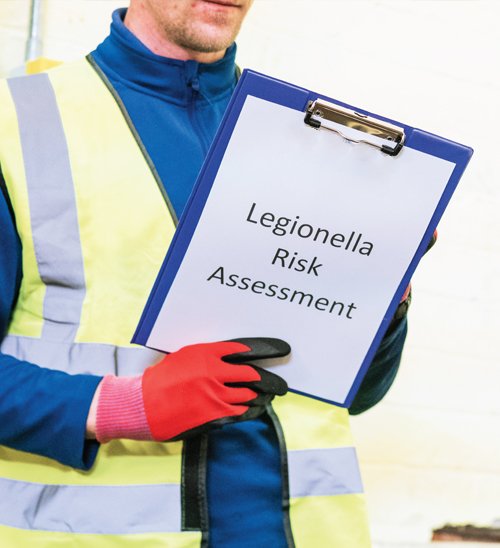
Legionella Risk Assessment

£ 299
99
excl. VAT
  • Legionella risk assessment where property scope matches this package
  • Price varies by property size, water system type and access
  • Sampling is not normally required for simple domestic hot and cold water systems
  • Additional testing, sampling or specialist review may affect final cost where required
  • Scope confirmed before booking

Final price depends on property type, number of outlets, water system complexity, tanks, cylinders, stored water, access, records, risk level, reporting requirements, location, parking, sampling requirements where applicable and whether re-attendance is required.

Why Landlords Must Prioritize Legionella Risk Assessments 01
h1 sub title LANDLORD WATER SAFETY RESPONSIBILITIES

Why Landlords Should Review Legionella Risk

Landlords should assess and manage the risk of exposure to Legionella in water systems they control. In many simple domestic properties, the assessment may be straightforward and proportionate, but it should still consider the water system, outlets, stored water, low-use areas and whether suitable control measures are in place.

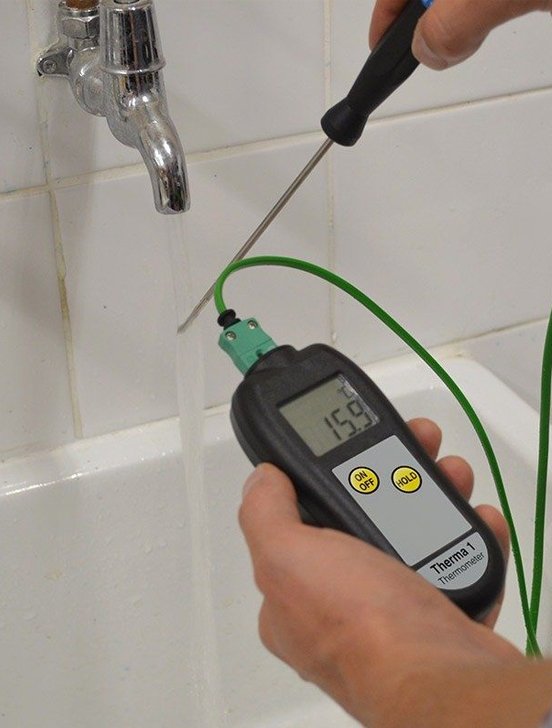
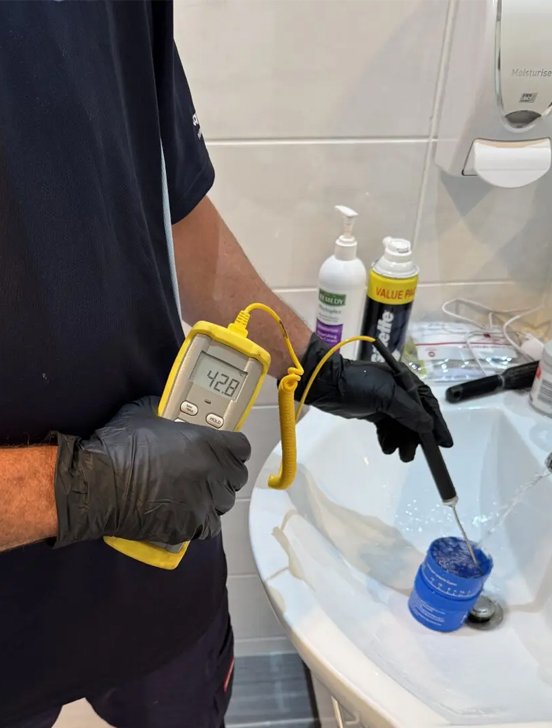
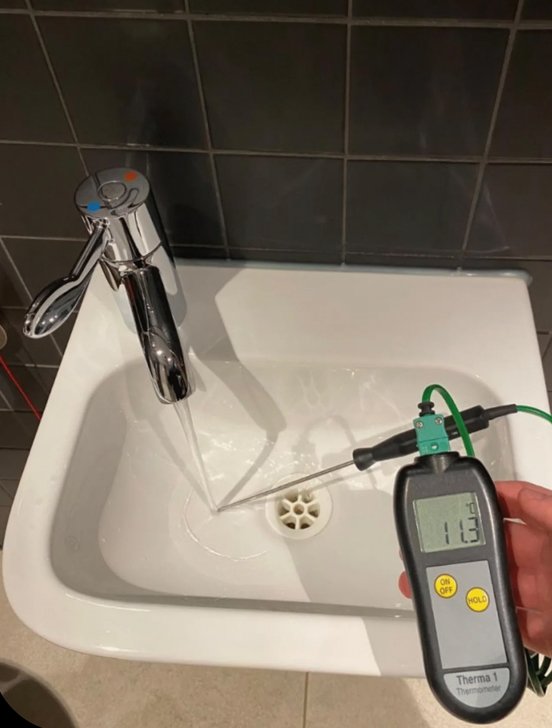
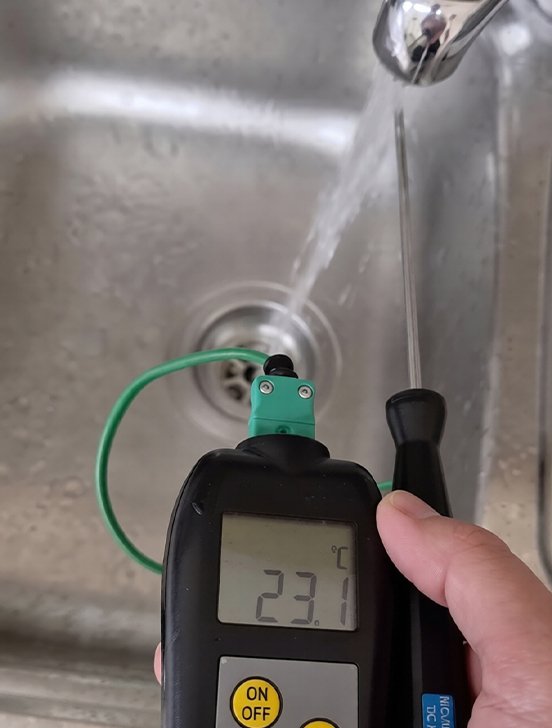
A legionella risk assessment can support landlords with practical recommendations such as temperature checks, flushing low-use outlets, cleaning shower heads, reviewing stored water and keeping simple records where appropriate.

Taking it seriously protects liberty on both sides of the lease. Tenants get the basic freedom to use showers and taps without hidden risk. Landlords keep the freedom to operate without surprise enforcement action, emergency shutdowns, or insurance disputes. A sensible assessment also supports smoother operations by revealing weaknesses early, before they turn into urgent callouts or void periods.

For legionella risk assessment bookings, call 020 8178 5892
COMMON LEGIONELLA RISK FACTORS

Common Legionella Risk Assessment Issues

Legionella risk can increase where water is stored, stagnant, poorly circulated, held at unsuitable temperatures or affected by scale, sludge, rust or biofilm. A risk assessment should consider how the water system is used, maintained and controlled.

Identifying these issues helps the dutyholder decide what monitoring, maintenance, cleaning, flushing, temperature control or further investigation may be needed.

The Most Overlooked Legionella Risk Assessment Issues 02 2
The Most Overlooked Legionella Risk Assessment Issues 01 2
Png 2

Possible Benefits of a Legionella Risk Assessment

A legionella risk assessment can support water safety management by identifying risk factors, reviewing existing controls and recommending practical actions. Benefits depend on the water system, occupancy, access, records, maintenance and whether recommended actions are completed.

IMPROVED HEALTH SAFETY
Water System Risk Review

Helps identify water system conditions that may increase Legionella risk, such as stagnation, unsuitable temperatures, stored water, scale or poor maintenance.

IMPROVED HEALTH SAFETY 2
Dutyholder Record Support

Can support landlords, employers, property managers and dutyholders with water hygiene records and recommended actions where required.

39
Practical Control Measures

Provides practical recommendations such as flushing, temperature checks, cleaning outlets, reviewing stored water or further investigation where applicable.

40
Clearer Maintenance Planning

Helps property owners and managers understand what routine monitoring, maintenance or follow-up actions may be needed.

STEP-BY-STEP PROCESS

Our Legionella Risk Assessment Process

A legionella risk assessment normally follows a structured process. The exact steps depend on property type, water system complexity, access, records, occupancy, risk factors and agreed scope.

Site and Water System Review

Site and Water System Review

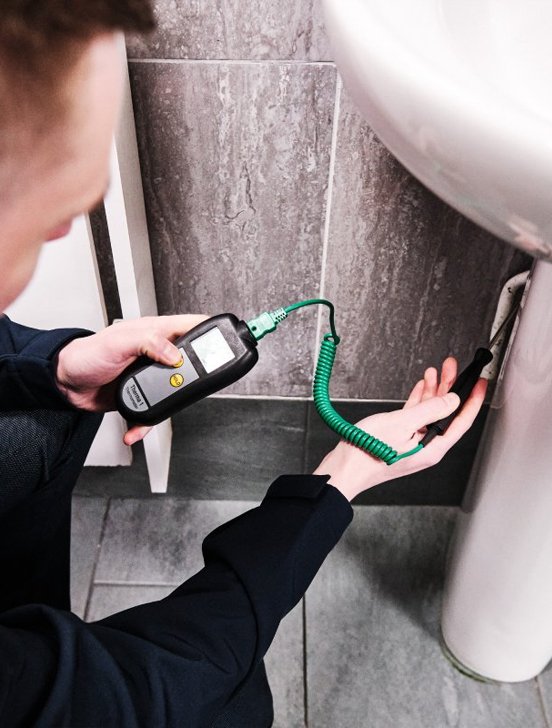
The assessment may review hot and cold water systems, outlets, tanks, cylinders, showers, pipework, low-use areas, access limitations and available records where included in scope.

01
Risk Factor Review

Risk Factor Review

The assessor may review factors such as water temperature, stagnation, stored water, dead legs, scale, sludge, biofilm, vulnerable occupants and existing control measures.

02 1
Monitoring and Sampling Considerations

Monitoring and Sampling Considerations

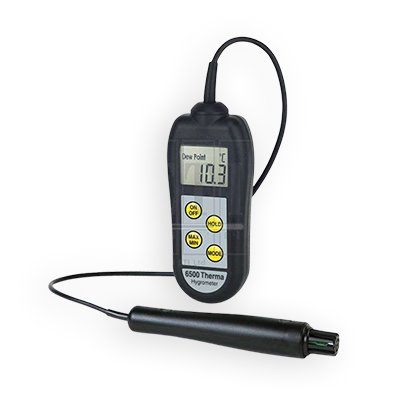
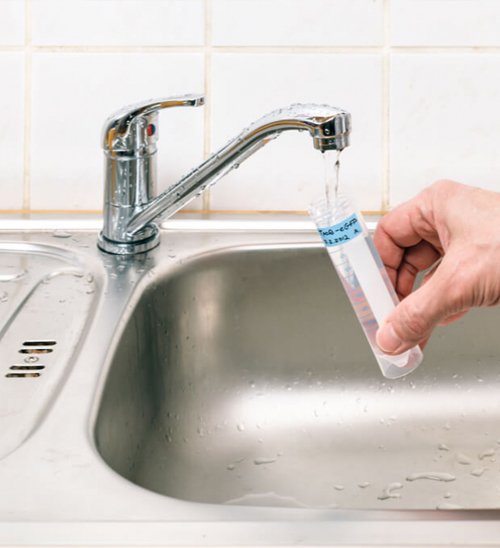
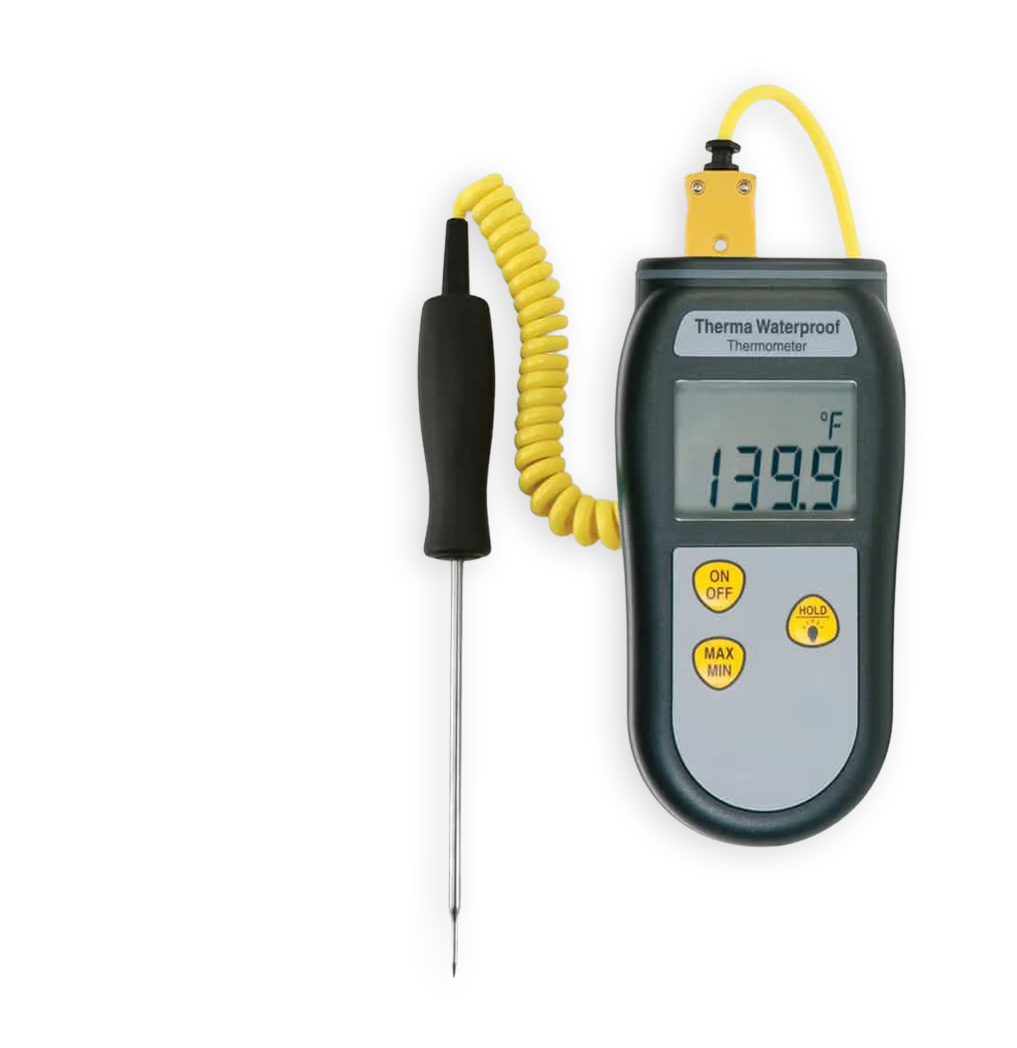
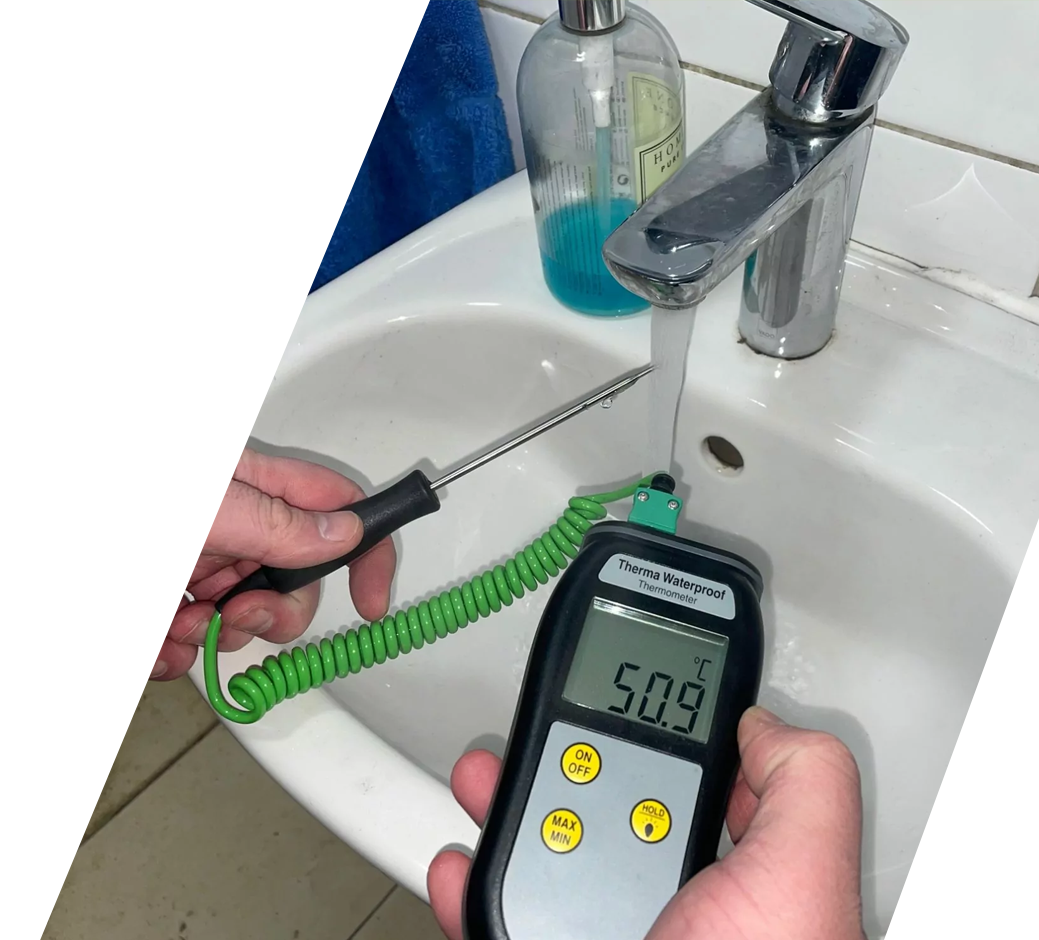
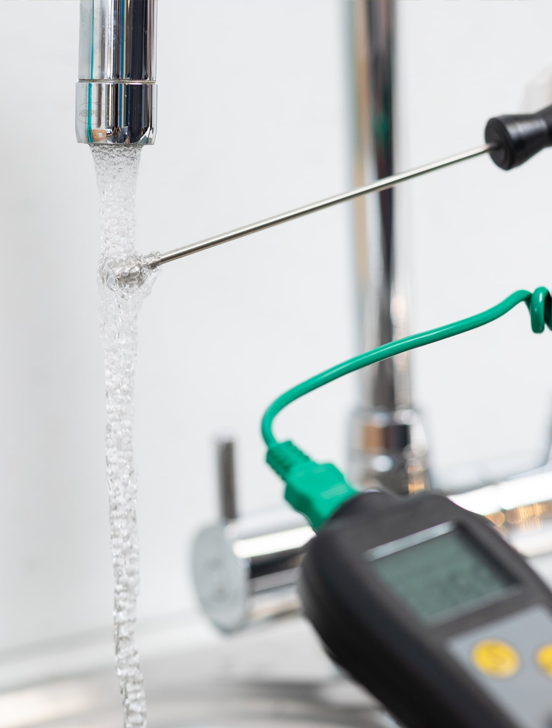
Temperature checks, record review or monitoring recommendations may be included where relevant. Legionella sampling is not normally required for simple domestic hot and cold water systems and should only be recommended where the risk assessment or system conditions indicate it is needed.

03
Report and Recommended Actions 1

Report and Recommended Actions

The report may include findings, risk factors, limitations, recommended control measures, monitoring actions, cleaning advice, flushing recommendations, temperature control advice and review guidance where applicable.

04 2
01
Site and Water System Review

Site and Water System Review

The assessment may review hot and cold water systems, outlets, tanks, cylinders, showers, pipework, low-use areas, access limitations and available records where included in scope.

Risk Factor Review

Risk Factor Review

The assessor may review factors such as water temperature, stagnation, stored water, dead legs, scale, sludge, biofilm, vulnerable occupants and existing control measures.

02
03
Monitoring and Sampling Considerations

Monitoring and Sampling Considerations

Temperature checks, record review or monitoring recommendations may be included where relevant. Legionella sampling is not normally required for simple domestic hot and cold water systems and should only be recommended where the risk assessment or system conditions indicate it is needed.

Report and Recommended Actions 1

Report and Recommended Actions

The report may include findings, risk factors, limitations, recommended control measures, monitoring actions, cleaning advice, flushing recommendations, temperature control advice and review guidance where applicable.

04 1

The report supports water hygiene management decisions, but it does not guarantee that the system is free from Legionella, fully compliant or free from future risk.

Preparing for a Legionella Risk Assessment 02
Preparing for a Legionella Risk Assessment 01
Png 2
Legionella Assessment Prep

Preparing for a Legionella Risk Assessment

Before the assessment, gather any available information about the water system, including boiler or cylinder details, tank locations, shower outlets, little-used taps, previous maintenance records, temperature checks, flushing logs and any known water hygiene issues.

Make sure the assessor can access relevant areas such as bathrooms, kitchens, plant rooms, risers, tanks, cylinders, communal areas and low-use outlets where included in scope. If access is not available, the report may include limitations or recommend a follow-up visit.

LANDLORD LEGIONELLA GUIDANCE

Essential Legionella Risk Assessment Advice for Landlords

Landlords should manage Legionella risk in a practical and proportionate way. In many domestic rental properties, the water system may be simple, but the landlord should still consider whether water can stagnate, whether hot and cold water temperatures are suitable, whether outlets are used regularly and whether shower heads or taps need cleaning.

Where the property has stored water, complex pipework, vulnerable occupants, long void periods, low-use outlets or previous water hygiene concerns, a more detailed review or follow-up action may be needed.

Essential Legionella Risk Assessment Advice for Landlords 02
Essential Legionella Risk Assessment Advice for Landlords 01
Png 2
Understanding Legionella Risk Assessment Without the Confusion 02
Understanding Legionella Risk Assessment Without the Confusion 01
Png 2
Legionella Assessment Simplified

Understanding Legionella Risk Assessment Without the Confusion

A legionella risk assessment is a practical review of a water system to identify conditions where Legionella bacteria could grow and where people could be exposed to water droplets or aerosols.

The assessment may consider stored water, low-use outlets, temperature control, pipework layout, showers, tanks, cylinders, scale, sludge, biofilm, maintenance records and existing control measures.

The outcome should be clear: what was checked, what risk factors were found, what limitations applied, what actions are recommended and when the assessment should be reviewed.

h1 sub title Legionella Risk Importance for Landlords

What Landlords Should Record After a Legionella Risk Assessment

After a legionella risk assessment, landlords should keep a copy of the findings and record any recommended actions completed. This may include flushing low-use outlets, cleaning shower heads, reviewing hot and cold water temperatures, checking stored water arrangements or arranging further specialist advice where required.

Records should be reviewed when the water system changes, the property has been vacant, occupancy changes, vulnerable occupants are present or previous controls are no longer suitable.

Record stagnation, scale, unsuitable temperatures and low-use outlets where identified.
Keep assessment findings and completed actions as part of property management records.
Review recommendations and complete follow-up actions where required.

A Legionella risk assessment helps landlords ensure tenant safety, comply with regulations, and avoid legal issues, while also protecting their property and reputation.

What Landlords Should Record After a Legionella Risk Assessment
What a Legionella Risk Assessment Report Should Include 02
What a Legionella Risk Assessment Report Should Include 01
Png 2
REPORT CONTENT

What a Legionella Risk Assessment Report Should Include

Important Service Information

Important Limitation

A legionella risk assessment only covers the water systems, areas, records and checks included in the agreed scope at the time of assessment. It does not guarantee that the system is free from Legionella, fully compliant, risk-free or protected from future changes in use, temperature, stagnation or maintenance conditions.

Frequently Asked Questions Picture
h1 sub title Legionella Risk Assessment

Frequently Asked Questions

A legionella risk assessment should be reviewed periodically and when something changes, such as changes to the water system, occupancy, use, maintenance, stored water, void periods or control measures. HSE says the law does not prescribe annual or biennial review for landlord legionella assessments.

A reassessment or review may be needed after installing a new boiler, cylinder, water tank, shower, pipework or other changes that affect the water system. The level of review depends on the change and whether existing control measures remain suitable.

Duties depend on the property use, letting arrangement and who controls the water system. Where accommodation is provided to tenants or paying guests, the person in control should assess and manage Legionella risk in a suitable and proportionate way. The exact duty should be reviewed based on the property and business arrangement.

Tenants can ask for relevant water safety information. Landlords should share appropriate findings or practical guidance where needed, especially where tenant actions such as flushing low-use outlets or reporting water issues form part of the control measures.

Enforcement depends on the property, dutyholder, risk level, incident history and whether suitable risk assessment and control measures were in place. The safer wording is that failure to assess and manage Legionella risk can expose landlords, employers or dutyholders to enforcement action if legal duties are not met.

Legionella sampling or testing is not usually required for simple domestic hot and cold water systems. HSE says testing should not be confused with temperature monitoring, which is a reliable way to confirm whether the system is under control.

HSE says health and safety law does not require landlords to obtain or produce a “legionella test certificate”. However, landlords should assess and manage Legionella risk and may keep a record of what has been done for property management purposes.

It may check hot and cold water systems, outlets, showers, tanks, cylinders, stored water, low-use outlets, temperatures, stagnation, scale, maintenance records and existing control measures, depending on the agreed scope.

No. It records the systems and checks included in the agreed scope at the time of assessment. It does not guarantee that the water system is free from Legionella, fully compliant or free from future risk.

icon 1

Important Service Information

Please note: Legionella risk assessment services are quoted based on property type, water system complexity, number of outlets, tanks, cylinders, showers, access, records, risk level, sampling requirements where applicable, reporting detail, location, parking and agreed scope.

A legionella risk assessment only covers the water systems, areas, records and checks included in the agreed scope at the time of assessment. It does not guarantee that the system is free from Legionella, fully compliant, safe indefinitely or protected from future risk.

Legionella sampling, laboratory testing, water treatment, cleaning, disinfection, remedial plumbing work, temperature monitoring, ongoing maintenance, re-attendance, access limitations, parking or congestion charges should be confirmed separately where required.

Our Accreditations

Accreditations & Memberships

HSSE Solutions only displays memberships, registrations or accreditations that are active, relevant and verifiable for the services shown. Where a service involves funding, energy efficiency or environmental claims, we aim to present information clearly and responsibly in line with UK advertising and consumer protection guidance.

©2024-2026 HSSE Solutions | Registered in England & Wales | VAT Number: 491324492  | Company Number: 15749518