
h4 shape 1
h4 shape 2
fRsi CALCULATION SERVICES

fRsi Calculation Services for UK Properties

fRsi calculations assess internal surface temperature factors at building junctions and thermal bridges. They can help review surface condensation and mould-risk potential where construction details, material data and boundary conditions are available. HSSE Solutions can support fRsi calculation enquiries for retrofit design, thermal bridge review, building fabric assessment and project evidence, with scope depending on drawings, junction details, material data and agreed reporting requirements.

PSI
What Is an fRsi Calculation
h1 sub title ABOUT fRsi CALCULATIONS

What Is an fRsi Calculation?

An fRsi calculation assesses the internal surface temperature factor at a specific junction or thermal bridge. It helps indicate whether a surface may be at risk of surface condensation or mould growth under the design conditions used in the assessment.

fRsi calculations are commonly used alongside thermal bridge modelling, Psi-value calculations, retrofit design and building fabric performance reviews. The result depends on the junction geometry, construction build-up, material properties, internal and external design conditions and calculation method.
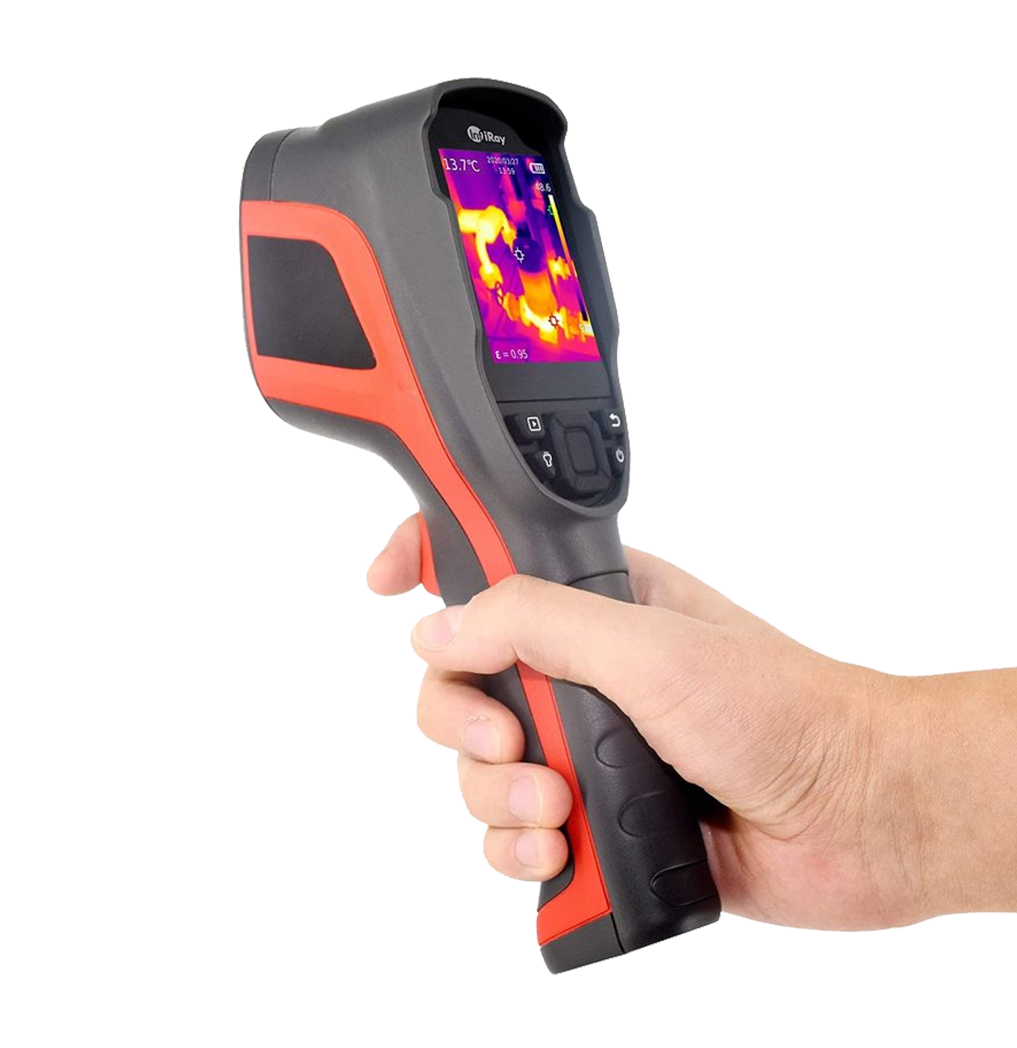
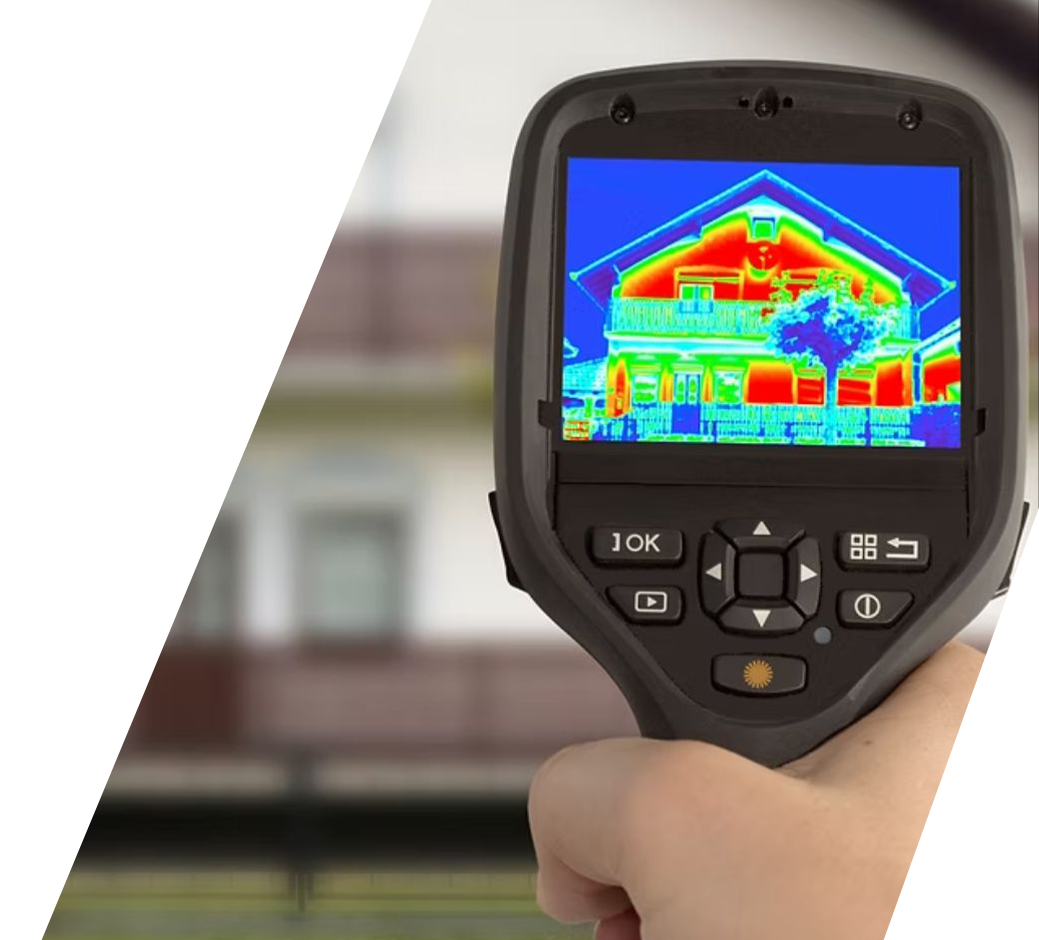
fRsi and Psi values are related to thermal bridging, but they are not the same. A Psi value measures heat loss through a linear junction, while fRsi focuses on internal surface temperature and condensation or mould-risk potential.

For fRsi calculation enquiries, call 02081785892
BUILDING FABRIC AND MOISTURE RISK REVIEW

Why fRsi Calculations Matter in Building Fabric Design

fRsi calculations help assess surface temperature risk at thermal bridges and junctions. They can support design decisions where insulation continuity, junction detailing, moisture risk and internal surface temperatures need to be reviewed.

A low fRsi result may indicate a higher risk of surface condensation or mould growth under the assessment conditions. Any improvement in energy use, comfort or emissions depends on the remedial design, installation quality, ventilation, heating system and how the building is used.

Why fRsi Calculations Matter in Building Fabric Design 02
Why fRsi Calculations Matter in Building Fabric Design
Untitled 3
POSSIBLE TECHNICAL BENEFITS

Possible Benefits of fRsi Calculations

fRsi calculations can support better understanding of thermal bridge and surface temperature risks. Benefits depend on the quality of construction details, calculation inputs, design decisions and any remedial measures later specified or installed.

5
Thermal Bridge Risk Review

Helps review junctions where thermal bridging may reduce internal surface temperature.

6
Design Decision Support

Can support decisions about insulation continuity, junction detailing and further thermal modelling where required.

7
Surface Condensation Risk Support

Helps assess whether internal surface temperature may be low enough to increase condensation or mould-risk potential under the design conditions used.

8
Project Evidence Support

May support retrofit design, Part L evidence or project documentation where applicable, but does not guarantee approval, EPC improvement or property value increase.

Step-by-Step

How Our fRsi Calculation Process Works

The fRsi calculation process depends on the junction type, available drawings, material data, construction details, boundary conditions and reporting requirements. The process can support thermal bridge review, retrofit design and moisture-risk assessment where applicable.

Review Junction Details

Review Junction Details

We review the selected junctions, drawings, construction build-ups and available project information based on the agreed calculation scope.

01
Check Geometry and Material Data

Check Geometry and Material Data

Junction geometry, material layers, insulation continuity, thermal conductivity values and relevant construction assumptions are reviewed before calculation.

02 1
Complete the fRsi Calculation

Complete the fRsi Calculation

The internal surface temperature factor is calculated using suitable modelling or calculation methods based on the agreed junction details and boundary conditions.

03
Analyse Results and Assumptions

Analyse Results and Assumptions

Results are reviewed against the project requirement or design target where applicable. If the result shows increased risk, further design review or junction improvement may be recommended.

04 2
01
Review Junction Details

Review Junction Details

We review the selected junctions, drawings, construction build-ups and available project information based on the agreed calculation scope.

Check Geometry and Material Data

Check Geometry and Material Data

Junction geometry, material layers, insulation continuity, thermal conductivity values and relevant construction assumptions are reviewed before calculation.

02
03
Complete the fRsi Calculation

Complete the fRsi Calculation

The internal surface temperature factor is calculated using suitable modelling or calculation methods based on the agreed junction details and boundary conditions.

Analyse Results and Assumptions

Analyse Results and Assumptions

Results are reviewed against the project requirement or design target where applicable. If the result shows increased risk, further design review or junction improvement may be recommended.

04 1

The calculation result can support design decisions, but it should not be treated as a guarantee of compliance, energy savings, mould prevention or final building performance.

PROJECT SUITABILITY

Who Needs fRsi Value Calculations?

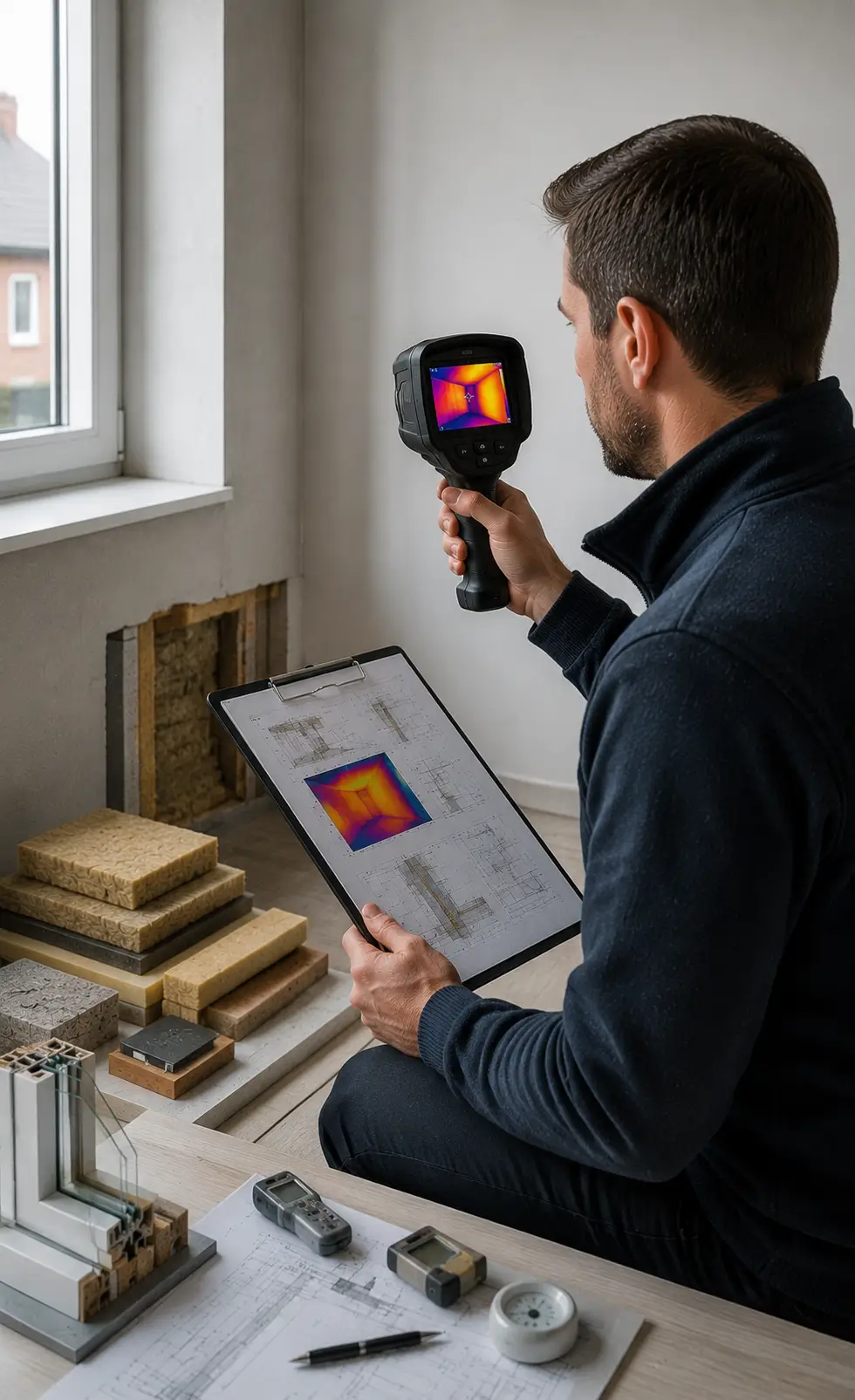
fRsi calculations may be needed where a project involves thermal bridge review, retrofit design, junction detailing, insulation upgrades, moisture-risk assessment, Part L evidence or low-energy building design. They can support designers, architects, developers, retrofit coordinators, energy assessors, contractors, landlords and property professionals.

Who Needs fRsi Value Calculations 2
Who Needs fRsi Value Calculations
Untitled 3
05.jpg
03 1
PNG
Thermal Bridge Locations

Common Areas for fRsi Value Risks in Buildings

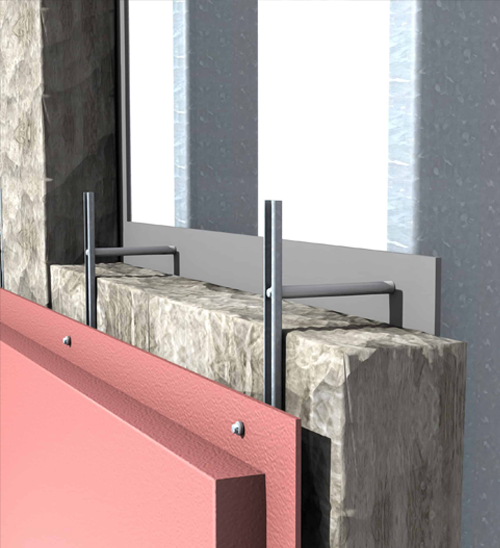
fRsi risk is commonly reviewed at junctions where building elements meet or where insulation continuity may be difficult to maintain. The exact risk depends on geometry, materials, insulation continuity, airtightness, internal humidity, ventilation and external conditions.

HSSE Solutions can support fRsi calculation enquiries for selected junctions, with findings based on available drawings, material data, modelling assumptions and agreed reporting scope.

BUILDING REGULATIONS SUPPORT

fRsi Calculations and Building Regulations Support

fRsi calculations can support project evidence where surface condensation, mould-risk potential or thermal bridge performance needs to be reviewed. Building Regulations and Approved Document L may require designers to consider energy performance and thermal bridging, but an fRsi calculation alone does not guarantee approval or full compliance.

Current Approved Document L guidance covers energy efficiency requirements under Part L of the Building Regulations. The exact evidence required depends on the project type, building type, design route and building control requirements.

fRsi results should be considered alongside Psi values, U-values, ventilation, moisture risk, air tightness, installation quality and the wider design strategy.

08.jpg
fRsi Calculations and Building Regulations Support
Untitled 3
09.jpg
h1 sub title LOW-ENERGY BUILDING DESIGN SUPPORT

fRsi Calculations for Low-Energy and Retrofit Projects

Why are accurate fRsi value calculations (BRE IP106) essential in the domain of low-energy buildings? In the pursuit of achieving high-efficiency building standards, such as those stipulated by the Passivhaus Institute, precision in calculating thermal bridges—expressed through both fRsi and Psi-values—is paramount.

These calculations play a pivotal role in optimizing the building's thermal envelope, which is fundamental in minimizing energy consumption and enhancing overall energy performance. Accurate fRsi value calculations can support:

fRsi calculations can help review junctions where surface temperature may be low.
Results may support design improvements to insulation continuity and junction detailing.
Reports may provide technical evidence for project teams where required.
Findings should be interpreted alongside moisture, ventilation and whole-building performance information.

HSSE Solutions can support fRsi calculation enquiries for low-energy or retrofit projects where relevant junction details and project information are available.

PNG 01
h1 sub title fRsi Value Calculations

Frequently Asked Questions

A Psi value measures heat loss through a linear thermal bridge. An fRsi value assesses internal surface temperature factor at a junction and helps indicate surface condensation or mould-risk potential under the design conditions used. They are related, but they measure different things.

BRE IP 1/06 is commonly referenced for assessing surface condensation and mould-risk potential using internal surface temperature factors. It can support project evidence where thermal bridge and surface temperature risk need to be reviewed. The applicable route should be confirmed for each project.

Default or standard thermal bridge values may be suitable for some assessment routes, but they may not reflect complex or non-standard junctions. Bespoke fRsi or Psi-value calculations may be needed where project requirements, junction complexity or moisture-risk concerns require more specific evidence.

No. An fRsi calculation does not itself prevent mould growth. It assesses surface temperature risk under the calculation conditions. Reducing mould-risk potential depends on suitable design, insulation continuity, ventilation, moisture control, heating, installation quality and occupant use.

fRsi analysis is usually most useful during design or retrofit planning, before junction details are finalised. Early review can help the project team consider insulation continuity, thermal bridges and moisture-risk issues before construction or installation work proceeds.

No. fRsi calculations can support project evidence where applicable, but Building Regulations approval depends on the wider design, project route, documentation, construction quality, ventilation, U-values, Psi values and building control requirements.

icon 1

Important Service Information

Please Note: fRsi calculation services are quoted based on project type, number of junctions, available drawings, construction details, material data, modelling complexity, boundary conditions, reporting requirements and agreed scope.

fRsi calculations do not guarantee Building Regulations approval, EPC improvement, energy savings, carbon reduction, funding approval, planning approval, mould prevention or final installation suitability. Outcomes depend on the wider design, moisture control, ventilation, material specification, installation quality, workmanship, assessment route and building control requirements.

Any retrofit design, Psi-value calculation, U-value calculation, condensation risk assessment, thermal bridge modelling or further technical review should be confirmed separately where required.

Our Accreditations

Accreditations & Memberships

HSSE Solutions only displays memberships, registrations or accreditations that are active, relevant and verifiable for the services shown. Where a service involves funding, energy efficiency or environmental claims, we aim to present information clearly and responsibly in line with UK advertising and consumer protection guidance.

©2024-2026 HSSE Solutions | Registered in England & Wales | VAT Number: 491324492  | Company Number: 15749518

Get a Free Quote → 📞 02081785892
TrustMark Endorsed