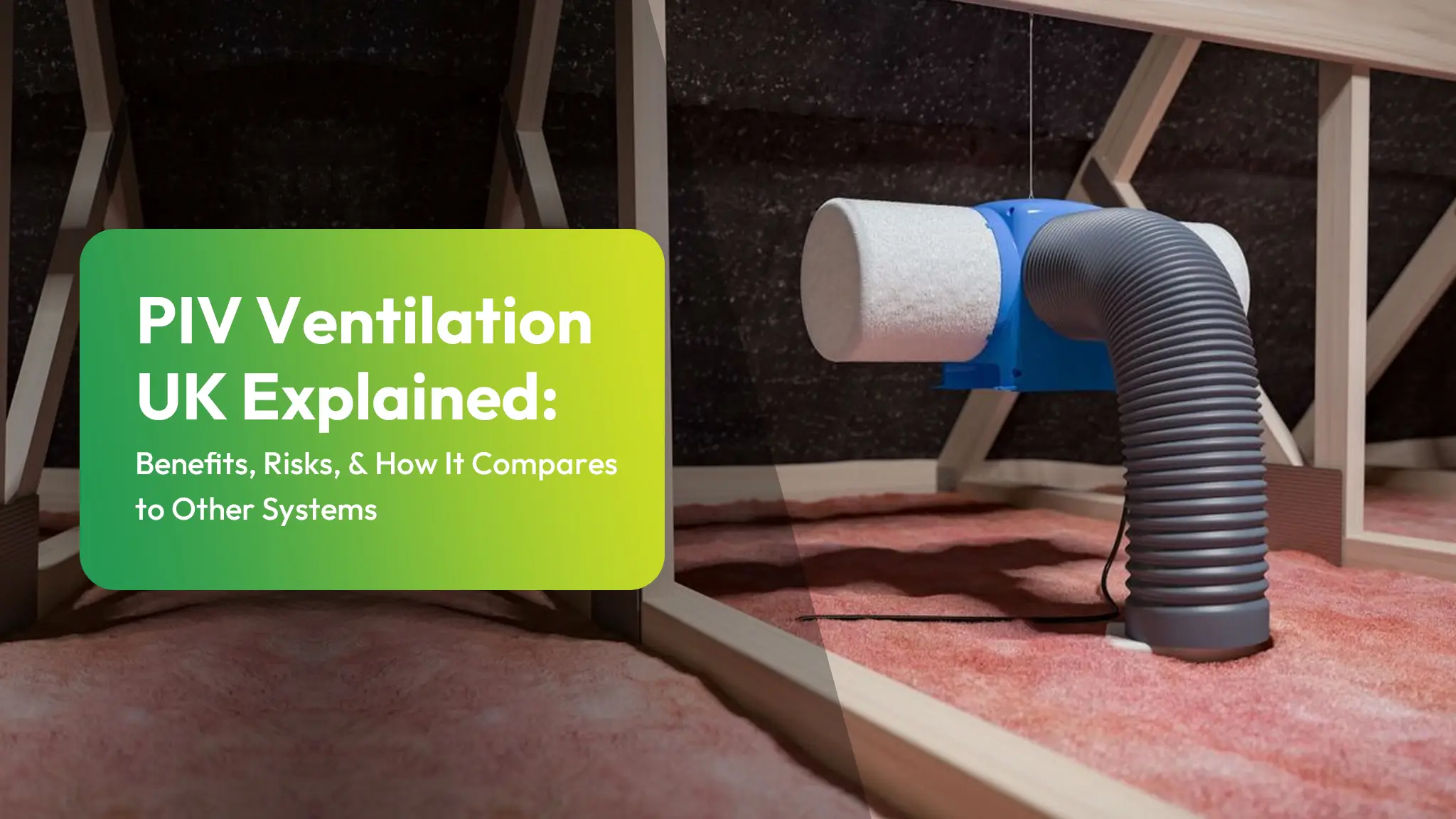
PIV ventilation UK systems present a compelling solution for improving indoor air quality in UK homes. By introducing filtered fresh air, these systems can notably reduce humidity and combat mold growth. However, they are not without their limitations, particularly in certain environmental conditions. Understanding the nuances of PIV ventilation, including its benefits, possible risks, and how it stacks up against alternative systems, is essential for homeowners considering this option. What factors should be weighed before making a decision?
Key Takeaways
- PIV ventilation UK systems increase indoor air quality by introducing filtered fresh air, reducing humidity, and combating mold growth effectively.
- They operate quietly and unobtrusively, improving comfort and promoting a healthier living environment without disturbing daily activities.
- Elevated humidity from poor ventilation can lead to health issues like allergies and respiratory problems, making PIV systems a proactive solution.
- Installation costs for PIV systems range from £500 to £2,000, with low annual running costs of £30-£50 for energy and maintenance.
- PIV is best suited for older homes with high humidity or poor ventilation, while not ideal for new builds or areas with high external pollution.
Table of Contents
PIV Ventilation UK Explained: What It Is and How It Works
PIV (Positive Input Ventilation) systems are designed to improve indoor air quality by introducing fresh air into a building while simultaneously expelling stale air.
These systems operate by drawing in air from outside, filtering it, and then distributing it throughout the interior spaces. This process not only boosts oxygen levels but also helps to create a more invigorating environment, essential for those who value personal freedom and well-being. The technology typically includes a fan, duct work, and filters to guarantee that the incoming air is clean and free from pollutants.
By maintaining a constant flow of fresh air, PIV systems counteract the stagnation that often leads to unhealthy indoor conditions. The result is a space that feels more open and welcoming, promoting a sense of liberty and comfort. Users can enjoy increaesed air quality, contributing to a healthier lifestyle and a more liberated living space.
Why PIV Ventilation Is Used to Control Condensation and Damp
When indoor humidity levels rise, condensation and dampness can become significant issues in homes and buildings. PIV (Positive Input Ventilation) systems effectively combat these problems by introducing a continuous flow of fresh, filtered air into living spaces. This influx of air helps to dilute indoor humidity, reducing the likelihood of moisture accumulating on surfaces, which can lead to mold and mildew growth.
By maintaining a consistent and controlled airflow, PIV systems help create a balanced atmosphere, encourage a healthier living environment. They are particularly beneficial in spaces prone to high moisture levels, such as bathrooms and kitchens, where activities like cooking and showering can elevate humidity.
Unlike traditional ventilation systems, PIV operates quietly and unobtrusively, allowing individuals to enjoy their homes without the discomfort of dampness.
Health and Property Risks Caused by Poor Indoor Ventilation
Poor indoor ventilation can lead to a myriad of health and property risks, as elevated humidity and stagnant air create an ideal environment for mold and bacteria to thrive. The consequences of inadequate ventilation extend beyond mere discomfort; they encompass serious implications for both individual wellbeing and property integrity.
- Health Issues: Allergies, respiratory problems, and increased susceptibility to infections.
- Mold Growth: Typically thrives in damp conditions, leading to structural damage and costly repairs.
- Pest Infestation: Stagnant air can attract pests, exacerbating hygiene concerns.
- Decreased Property Value: Poor air quality and visible damage can deter possible buyers or renters.
Addressing ventilation needs is essential to guarantee a healthy living environment while preserving property value. Individuals must remain vigilant, understanding that a free and open space requires proper airflow to maintain both health and safety.
Is PIV Ventilation Suitable for UK Homes? Key Factors to Consider
Ventilation systems play a pivotal role in maintaining indoor air quality and mitigating the health risks associated with poor airflow. PIV (Positive Input Ventilation) systems can be particularly beneficial for UK homes, especially those facing dampness or condensation issues. By continuously introducing fresh air, PIV systems help create a healthier living environment.
However, several key factors influence their suitability. Home size, existing insulation, and air tightness are key considerations; a well-insulated home may require different ventilation strategies than one that is less airtight.
Additionally, the local climate can impact system effectiveness, as excessive humidity may necessitate supplementary measures. Homeowners should also evaluate personal needs, such as allergies or asthma, which can influence the choice of ventilation.
Ultimately, understanding these factors enables homeowners to make informed decisions about whether PIV ventilation aligns with their aspirations for a healthier, freer living space.
Legal and Building Regulation Considerations for Ventilation Systems
Although the installation of PIV systems can increase indoor air quality, compliance with legal and building regulations is essential to ascertain safety and effectiveness. Homeowners and builders must navigate various rules to guarantee their systems are both legal and efficient.
Key considerations include:
- Building Regulations: Confirm ventilation systems meet the minimum performance standards set by local authority guidelines.
- Health and Safety: Adhere to health regulations that protect occupants from possible risk associated with inadequate ventilation.
- Energy Efficiency: Comply with energy performance requirements to promote sustainable practices and reduce environmental impact.
- Insurance Requirements: Verify that installations align with insurance policy stipulations to avoid complications in coverage.
Being informed about these legal and regulatory frameworks empowers homeowners to make choices that not only improve air quality but also align with the principles of personal freedom and responsibility.
Common Problems PIV Ventilation Helps Resolve in UK Properties
When addressing indoor air quality concerns, PIV (Positive Input Ventilation) systems offer effective solutions for common problems faced by UK properties. One primary issue is dampness, which can lead to mold growth and health risks. PIV systems combat this by introducing fresh, filtered air, helping to reduce humidity levels.
Another prevalent problem is stale air, often resulting in discomfort and reduced well-being. PIV systems circulate air throughout a property, enhancing comfort and creating a healthier living environment. Additionally, they can alleviate condensation issues, particularly in areas prone to moisture buildup, such as kitchens and bathrooms.
By providing consistent ventilation, PIV systems also help improve overall air quality, reducing allergens and pollutants. This results in not only a more pleasant home atmosphere but also contributes to the longevity of the property structure. Ultimately, PIV systems offer a proactive approach to maintaining a healthy indoor environment.
PIV Ventilation UK vs Extractor Fans and MVHR Systems
PIV systems provide a distinctive approach to indoor air quality, setting themselves apart from other ventilation options like extractor fans and Mechanical Ventilation with Heat Recovery (MVHR) systems. Each system has its own merits, but PIV offers unique benefits that cater to those seeking a fresh approach.
- Continuous airflow: PIV systems guarantee a steady supply of fresh air, unlike extractor fans that operate intermittently.
- Energy efficiency: MVHR systems may save heat but require more energy to operate, whereas PIV systems focus on simplicity.
- Cost-effectiveness: PIV installations can be less expensive than MVHR systems, offering a budget-friendly option for homeowners.
- Ease of installation: PIV systems are generally easier to install compared to the complex configurations of MVHR systems.
Understanding these differences allows individuals to make informed choices about their ventilation needs, embracing a lifestyle with increased air quality and comfort.
How Effective Is PIV Ventilation in Reducing Mould Growth?
Effective ventilation plays an essential role in combating mould growth, particularly in environments prone to humidity and moisture. PIV (Positive Input Ventilation) systems work by introducing fresh air into a space, helping to dilute indoor pollutants while simultaneously reducing humidity levels. This influx of drier air creates an environment less conducive to mould proliferation.
Research demonstrates that PIV systems can notably lower the relative humidity, thereby minimizing the conditions that promote mould growth. Unlike traditional methods, PIV systems continuously refresh indoor air, preventing stagnation that often leads to moisture accumulation.
While no system guarantees complete mould eradication, the proactive approach of PIV ventilation promote a healthier living space by actively inhibiting mould spores from thriving.
For individuals seeking freedom from the constraints of dampness and health risks associated with mould, PIV ventilation emerges as an effective solution, promoting both comfort and well-being.
Installation and Running Costs of PIV Systems in the UK
The installation and running costs of PIV systems in the UK are significant considerations for homeowners looking to improve indoor air quality and reduce mould growth. Initial setup costs can vary widely based on the property size and system specifications, typically ranging from £500 to £2,000.
Ongoing expenses include:
- Energy Consumption: Generally low, averaging about £30-£50 per year.
- Maintenance Fees: Regular servicing may cost around £100 annually.
- Replacement Parts: Filters and components may require occasional replacement, adding to costs.
- Possible Savings: Reduced heating bills due to improved air circulation may offset some expenses.
Investing in PIV systems can ultimately provide both immediate and long-term benefits, offering a healthier living environment and possible savings. Homeowners must weigh these costs against the advantages of increased air quality and reduced mould risks.
When PIV Ventilation Is the Right Solution and When It Is Not
When considering improvements to indoor air quality, homeowners must evaluate whether PIV ventilation systems are the right choice for their specific circumstances. PIV systems excel in homes with high humidity or poor air circulation, effectively reducing dampness and associated health risks. However, they may not be suitable for properties with significant external pollution or those requiring precise temperature control.
| When PIV Is Ideal | When PIV Is Not Ideal |
| High humidity levels | High external pollution |
| Poor natural ventilation | Specific temperature control |
| Damp or mold issues | Existing mechanical systems |
| Older properties | New builds with tight seals |
Frequently Asked Questions
How Does PIV Ventilation Impact Energy Efficiency in Homes?
PIV ventilation increased energy efficiency by balancing indoor air quality and temperature, reducing heating demands. This system minimizes energy loss while maintaining a comfortable environment, ultimately leading to lower energy bills and a reduced carbon footprint.
Can PIV Systems Be Installed in Older Buildings?
PIV systems can be installed in older buildings, provided structural considerations are addressed. These installations increase air quality and comfort, allowing residents to enjoy improved living conditions without compromising the integrity of historical architecture.
What Maintenance Is Required for PIV Ventilation Systems?
Regular maintenance for PIV ventilation systems includes checking filters, ensuring fan functionality, inspecting ductwork for blockages, and verifying airflow. Routine servicing helps maintain efficiency and prolongs the system’s lifespan, ensuring ideal indoor air quality.
Are There Any Noise Concerns With PIV Ventilation?
Noise concerns with PIV ventilation systems can arise, particularly from the fan operation. However, many users find the sound levels acceptable, especially when compared to traditional systems, allowing for a balance between comfort and functionality.
How Long Does It Take to See Results From PIV Ventilation?
Results from PIV ventilation may take several days to weeks to manifest, depending on the existing air quality and conditions. Users often notice improvements gradually, as indoor air becomes fresher and more comfortable over time.
Conclusion
To summarize, PIV ventilation UK presents a viable solution for improving indoor air quality in many UK homes, particularly older properties. Its effectiveness in controlling condensation, reducing humidity, and promoting health benefits makes it an attractive option. However, homeowners must consider factors such as location, pollution levels, and specific ventilation needs before installation. Understanding the advantages and limitations of PIV systems compared to alternatives like extractor fans and MVHR systems guarantees informed decisions for healthier living environments.