
What Insulation Is Best For My House UK, A Complete Homeowner’s Guide
Renewable energy harnessed from solar power offers a sustainable and eco-friendly solution to meet the worlds.
What Insulation Is Best For My House UK, A Complete Homeowner’s Guide
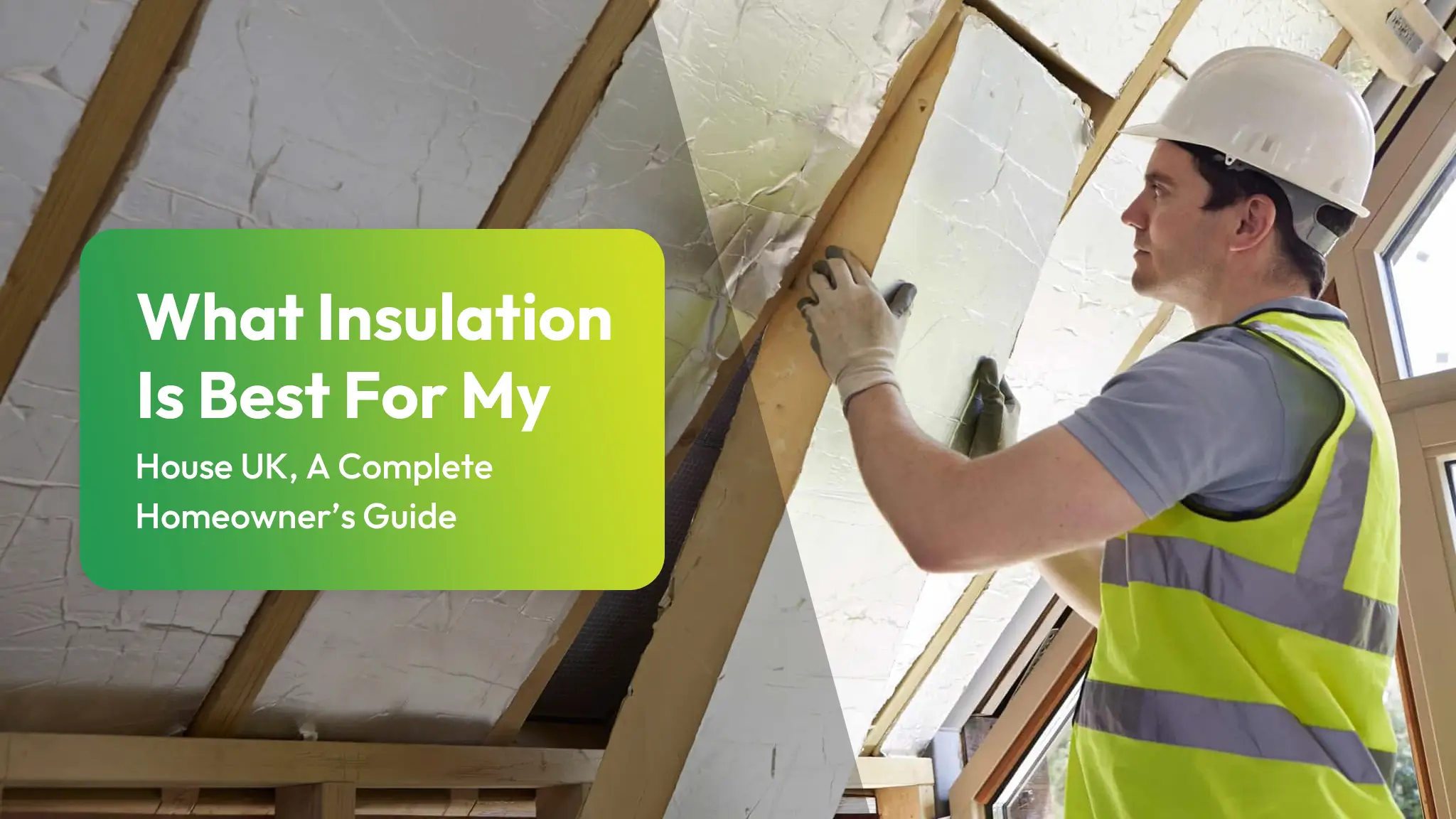
Choosing the right insulation for a home requires careful consideration of various factors. Homeowners must assess their specific needs, budget, and the unique characteristics of their property. With options like fibreglass, mineral wool, and foam boards available, each material offers distinct advantages. Understanding these choices is essential for enhancing comfort and energy efficiency. The following sections will explore the best insulation types and their applications, guiding homeowners toward informed decisions on What Insulation Is Best For My House.
Key Takeaways
- Evaluate insulation materials such as fibreglass, mineral wool, foam boards, and cellulose based on effectiveness, cost, and your home’s specific needs.
- Consider the R-value of insulation types to ensure optimal thermal resistance and efficiency.
- Identify whether your walls are solid or cavity walls to choose appropriate insulation methods for each type.
- Be aware of signs of inadequate insulation, such as drafts and fluctuating energy bills, to address issues promptly.
- Follow best installation practices, including proper ventilation and sealing gaps, or consider professional installation for optimal results.
Table of Contents
What Insulation Is Best For My House UK, A Simple Guide for Homeowners
When considering the best insulation for a house in the UK, homeowners often wonder which materials offer the most effective thermal performance. The primary goal of insulation is to minimise heat loss during winter and keep homes cool in summer. Various materials are available, each with unique properties. For instance, fibreglass is popular for its affordability and effectiveness, while foam boards offer superior thermal resistance. Cellulose, made from recycled paper, is an eco-friendly option that also provides good insulation. Additionally, mineral wool is known for its fire-resistant qualities.
Homeowners should also consider factors such as ease of installation, moisture resistance, and the specific areas of the home that need insulation.
Ultimately, the best choice will depend on the home’s individual needs, budget constraints, and environmental considerations. A thorough evaluation of these aspects can lead to informed decisions regarding insulation options.
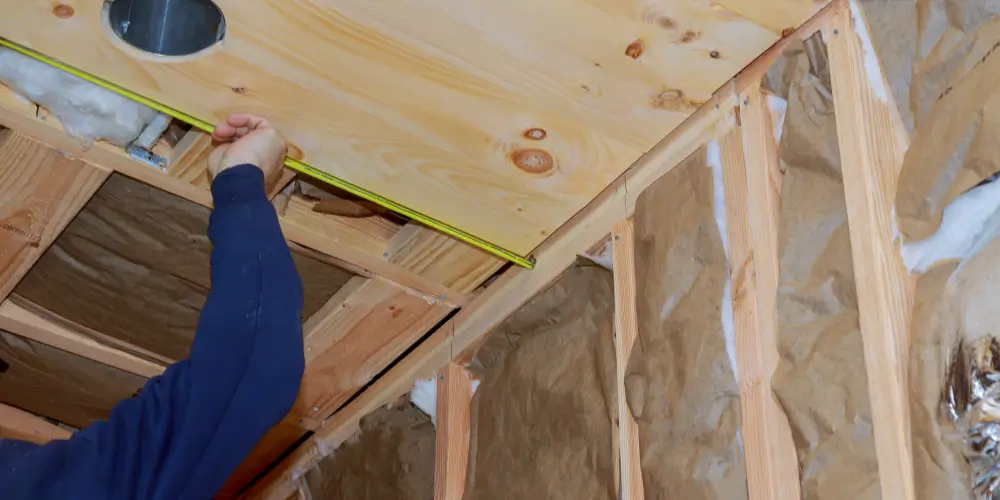
Best Types of Home Insulation in the UK and How to Choose the Right One
Choosing the right type of insulation for a home in the UK can greatly impact energy efficiency and comfort. Homeowners have several options, each with distinct features and benefits. Common types include fibreglass, mineral wool, and foam board.
Fibreglass insulation is popular for its affordability and effectiveness in attics and walls, while mineral wool offers excellent fire resistance and soundproofing qualities. Foam board insulation offers high thermal performance in a thin profile, making it suitable for areas with limited space.
When selecting insulation, homeowners should consider factors such as the area to be insulated, local climate, and specific energy-efficiency goals.
Additionally, understanding the R-value, which measures thermal resistance, can guide choices. Ultimately, the best insulation will balance cost, performance, and installation requirements to ensure a comfortable, energy-efficient home.
Loft Insulation Options in the UK: What Works Best and Why
Loft insulation plays an essential role in enhancing a home’s energy efficiency, particularly in the UK, where heat loss through the roof can account for a substantial portion of overall energy waste.
Homeowners have several options for loft insulation, each with its own benefits. Fibreglass insulation is popular for its effectiveness and relatively low cost, while mineral wool offers fire resistance and soundproofing.
Spray foam insulation provides an air-tight seal but can be more expensive and requires professional installation. Cellulose insulation, made from recycled paper, is an eco-friendly option that performs well at regulating temperature.
Ultimately, the best choice depends on factors such as budget, environmental considerations, and desired thermal performance. Properly installed loft insulation can significantly reduce energy bills and improve home comfort, making it a worthwhile investment for UK homeowners.
Wall Insulation Explained, Solid Walls vs Cavity Walls in UK Homes
Wall insulation is a key factor in determining a home’s energy efficiency, particularly in the UK’s diverse housing landscape, where solid and cavity walls present different insulation challenges and solutions. Understanding What Insulation Is Best For My House is key to addressing these challenges effectively.
Solid walls, common in older homes, lack the air gap found in cavity walls, making them more challenging to insulate. External or internal insulation methods can be used, but care must be taken to manage moisture levels to prevent damp.
Cavity walls, which consist of two layers with a gap in between, are generally easier to insulate. This gap can be filled with insulation materials, enhancing thermal performance without the complexities associated with solid walls.
Homeowners should consider the age and construction of their property when deciding on insulation methods, as each type requires a specific method to optimise energy efficiency and comfort. Understanding these differences is essential for informed decision-making regarding wall insulation in UK homes.
Floor Insulation for UK Houses: Is It Worth the Cost
How significant is floor insulation in enhancing energy efficiency for UK homes?
Floor insulation plays an essential role in reducing heat loss, which is particularly important in the UK’s often chilly climate. By preventing cold air from seeping in and warm air from escaping, well-insulated floors contribute to a more comfortable living environment.
Moreover, proper floor insulation can lead to substantial energy savings, as homeowners may notice lower heating bills over time. The initial investment in high-quality insulation may seem steep, but the long-term benefits often outweigh the upfront costs.
Additionally, this type of insulation can help mitigate issues such as dampness and mould, further enhancing indoor air quality.
Cheapest Insulation for UK Homes That Still Saves Energy
When considering insulation options, affordability often becomes a key factor for homeowners looking to improve energy efficiency. Among the cheapest insulation materials available, fibreglass batts are a popular choice. This material is relatively inexpensive and easy to install, making it accessible for DIY projects.
Another cost-effective option is mineral wool, which not only provides thermal insulation but also offers soundproofing benefits. For walls and attics, blown-in cellulose insulation can be a budget-friendly option, as it is often made from recycled paper products and provides good thermal performance.
Additionally, reflective foil insulation can be an economical choice for roofs, especially in warmer climates, as it helps reflect heat away from the home. While these options are among the least expensive, they still effectively contribute to energy savings, making them suitable for homeowners on a budget.
Eco-Friendly Insulation Choices for UK Properties
As homeowners seek to minimise their environmental impact, eco-friendly insulation choices have gained popularity in the UK. These options not only contribute to energy efficiency but also promote sustainability.
Key eco-friendly insulation materials include:
- Sheep’s Wool: A natural insulator that is renewable and biodegradable, providing excellent thermal performance.
- Cellulose: Made from recycled paper, this material is treated for fire resistance and offers good sound insulation.
- Hemp: A versatile plant-based option that is both sustainable and effective in regulating humidity.
- Cotton (Denim): Recycled cotton offers excellent insulation while being free of harmful chemicals.
- Wood Fibre: Sourced from sustainably managed forests, this material is breathable and highly effective at thermal regulation.
Choosing eco-friendly insulation not only increases comfort but also supports a greener future for the UK housing market.
How the UK Climate Affects Which Insulation Is Best for Your House
Given the UK’s varied climate, which includes damp winters and mild summers, selecting the right insulation for a home is essential to maintaining energy efficiency and comfort.
The primary concern in this climate is moisture, which can lead to condensation and mould if not properly managed. As a result, moisture-resistant insulation materials, such as rigid foam boards or spray foam, are often preferred.
Additionally, the thermal performance of insulation is essential, as homeowners require materials that can retain heat during cold months while keeping homes cool in the summer. Materials like mineral wool or fibreglass can provide effective thermal regulation.
In coastal areas with higher humidity, breathable insulation solutions can help reduce dampness. Ultimately, understanding the local climate influences the choice of insulation, ensuring homes remain energy-efficient and comfortable year-round.
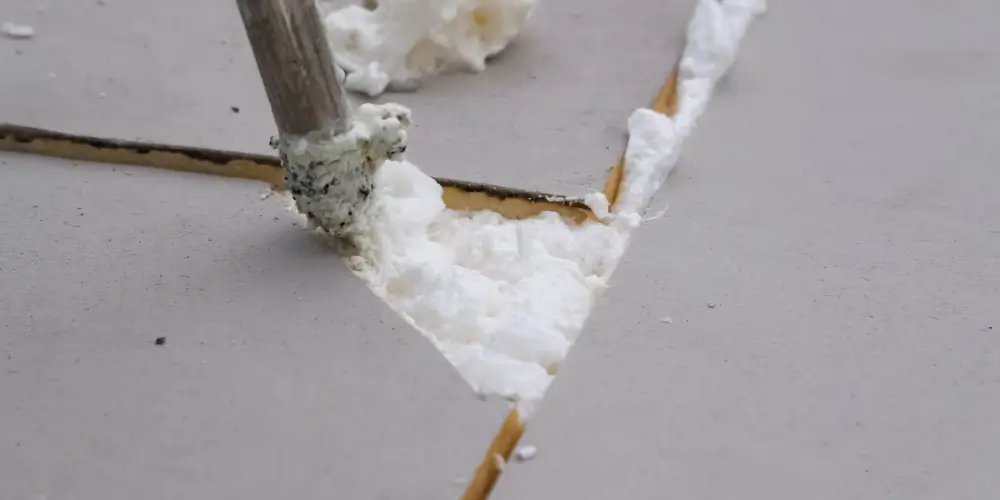
Common Insulation Mistakes UK Homeowners Should Avoid
Homeowners in the UK often overlook common insulation mistakes that can undermine their efforts to create an energy-efficient, comfortable living space.
Recognising these pitfalls can save money and increase performance.
- Ignoring Proper Ventilation: Failing to guarantee adequate airflow can lead to moisture buildup and mould growth.
- Overinsulating: Adding too much insulation can trap heat and cause structural damage.
- Neglecting Gaps and Cracks: Overlooking small openings can considerably reduce insulation effectiveness.
- Choosing the Wrong Material: Selecting inappropriate insulation types for specific areas can compromise energy efficiency.
- DIY Installation Errors: Improper installation can cause insulation to perform poorly, wasting energy and resources.
How to Tell If Your UK Home Needs New or Better Insulation
How can one determine if their home requires new or improved insulation? Several indicators can suggest the need for increased insulation.
First, noticeable drafts in rooms, particularly near windows and doors, can signal inadequate insulation. Second, fluctuating energy bills may indicate heat loss due to insufficient insulation, prompting higher heating costs.
Homeowners should also inspect their attic and walls; a lack of insulation, or insulation that appears old and compressed, can compromise energy efficiency. Additionally, if rooms feel excessively hot in summer or cold in winter, this may suggest that insulation is not performing adequately.
Finally, condensation or dampness on walls can indicate thermal bridging, which often results from poor insulation.
Frequently Asked Questions
How Can I Determine the R-Value of My Current Insulation?
To determine the R-value of existing insulation, one should check the insulation type, thickness, and manufacturer specifications. Alternatively, consulting a professional can provide accurate measurements and recommendations tailored to specific home insulation needs.
What Are the Installation Costs for Different Insulation Types in the UK?
Installation costs for insulation types in the UK vary considerably. Typically, fibreglass and cellulose range from £10 to £25 per square meter, while spray foam may cost £30 to £50, depending on the complexity of the project.
How Often Should I Replace or Upgrade My Home Insulation?
Home insulation should be replaced or upgraded every 15 to 20 years, depending on factors like material type, wear, and energy efficiency. Regular inspections can help determine when an upgrade is necessary for peak performance.
Are There Government Grants Available for Insulation Improvements in the UK?
Yes, government grants for insulation improvements are available in the UK. Various programs, such as the Energy Company Obligation (ECO) and the Green Homes Grant, aim to help homeowners make their properties more energy-efficient.
Can Insulation Help Reduce Noise and Improve Energy Efficiency?
Insulation can effectively reduce noise and improve energy efficiency. By dampening sound transmission and creating a quieter environment, it serves two purposes: enhancing comfort and conserving energy in residential spaces.
Conclusion
To sum up, selecting the best insulation for a home requires careful consideration of various materials and factors, including energy efficiency, ease of installation, and specific housing needs. From fibreglass and mineral wool to foam boards, homeowners have a range of options to increase comfort and reduce energy costs. By understanding the unique characteristics of lofts, walls, and floors, as well as the impact of the UK climate, homeowners can make an informed decision about What Insulation Is Best For My House.
Charlotte