h4 shape 1
h4 shape 2
Designing Retrofit

Retrofit Designs

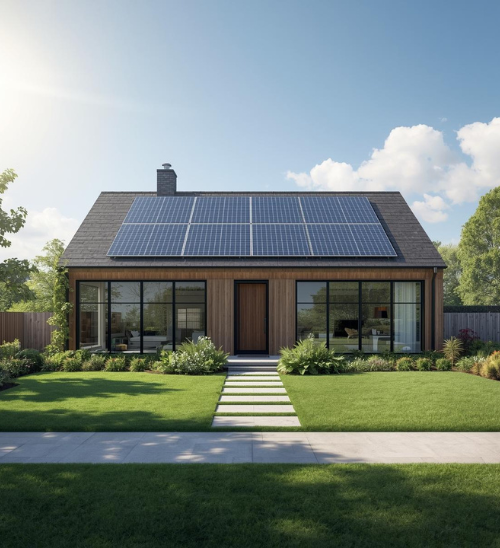
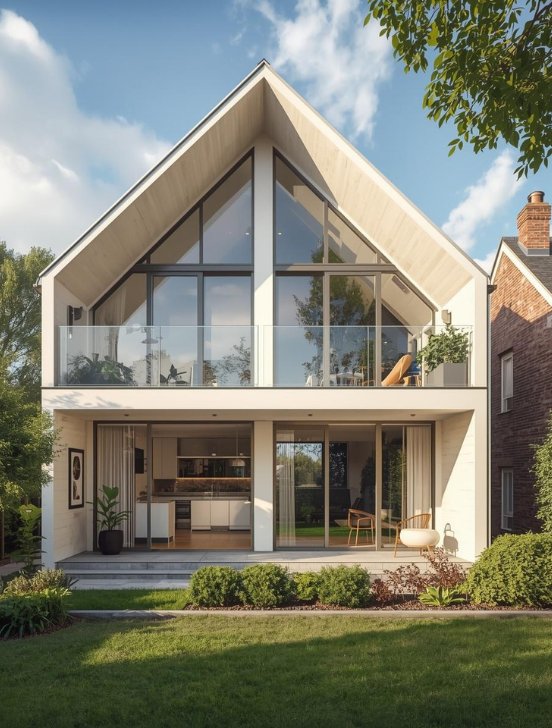
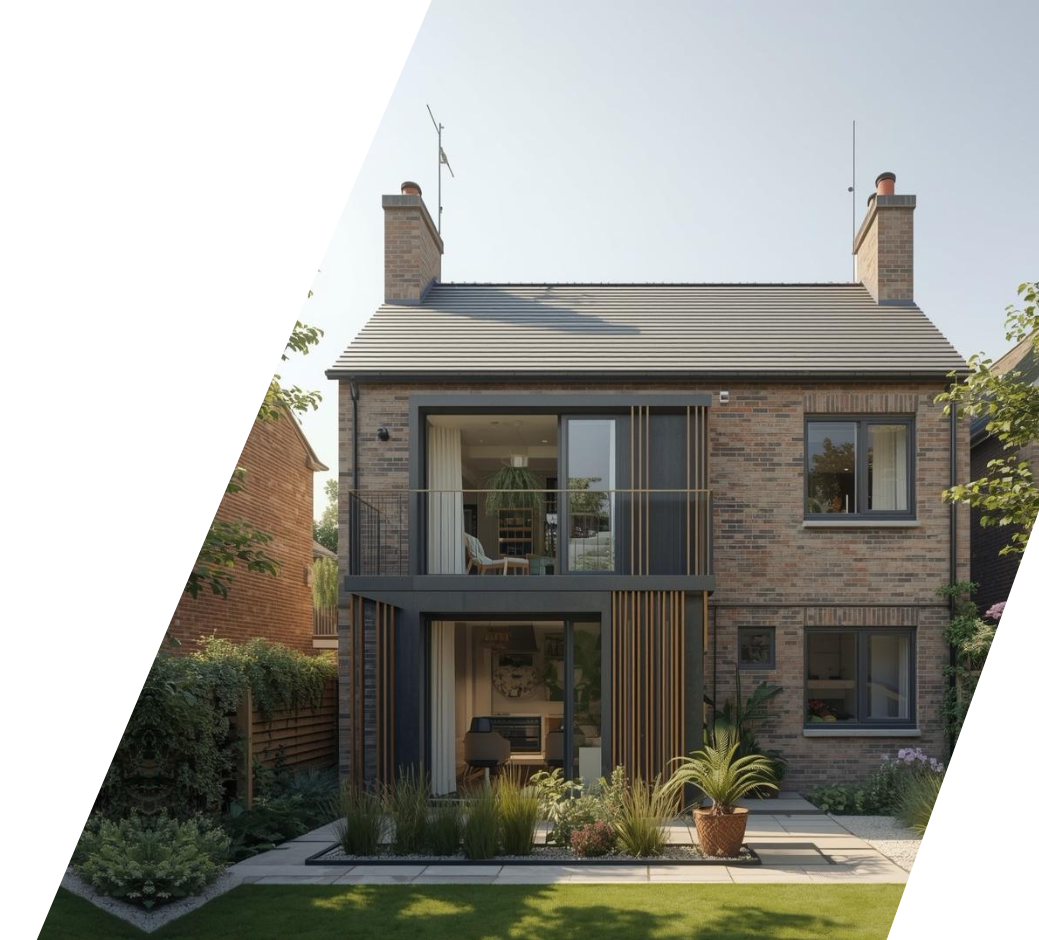
Retrofit design upgrades existing UK buildings to improve energy efficiency, sustainability, and performance. It focuses on enhancing insulation, modernizing heating systems, and using smart controls to reduce costs and emissions. This approach aligns with carbon-reduction goals while boosting property value and longevity.

PNG 2 2

RD

6974835 4360
h1 sub title Retrofit Design Overview

What Is Retrofit Design?

Retrofit design is the process of upgrading existing buildings and infrastructure with new technologies and features to improve efficiency, sustainability, and functionality. This approach has gained significant traction within the UK as a strategic response to environmental concerns and energy inefficiency in older constructions. By integrating modern materials and systems, retrofitting extends the building's life while reducing operational costs and environmental impact.

The practice encompasses a variety of interventions, from installing insulation and energy-efficient windows to more extensive changes such as incorporating renewable energy sources and advanced HVAC systems. These modifications not only enhance a building's performance but also contribute to a healthier indoor environment, boosting occupants' comfort and productivity.

The process includes installing energy-efficient systems, insulation, and renewable energy sources. Retrofit design contributes to a healthier indoor environment while supporting the UK's carbon-reduction targets and broader sustainability goals.

For any inquiries call the 020 8178 5892
Complete Home Retrofit

Whole House Retrofit Design for Domestic Properties

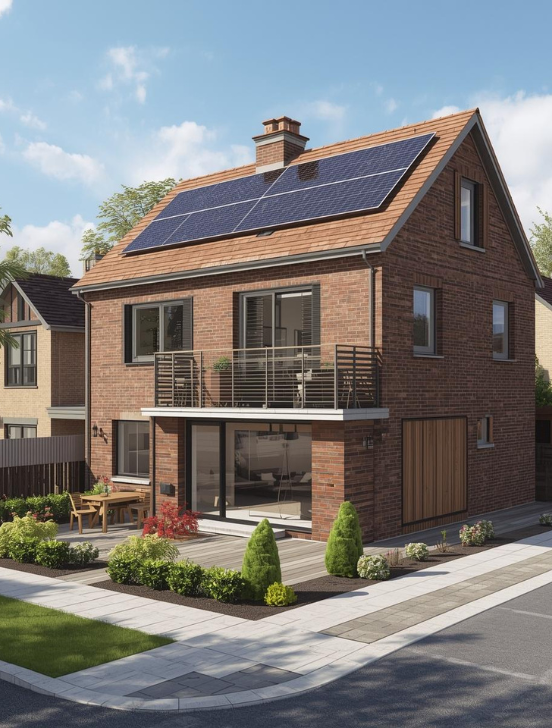
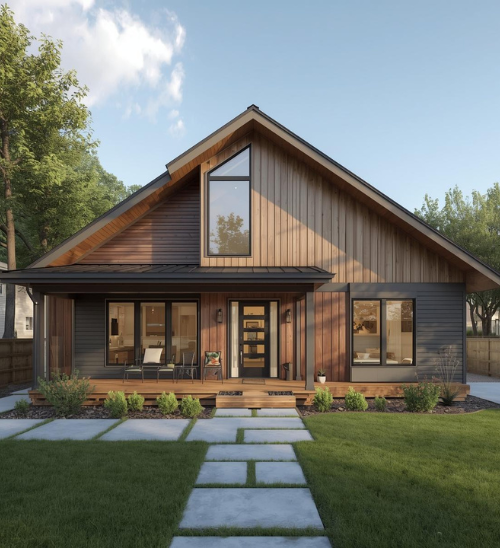
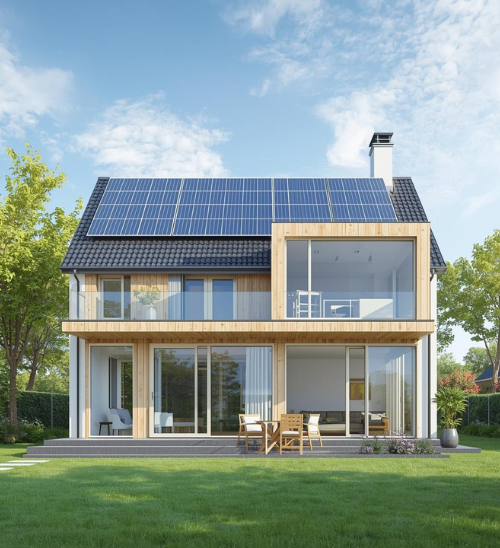
In the realm of domestic property renovations, Whole House Retrofit Design stands out as an all-encompassing approach that enhances the energy efficiency and comfort of an entire home. This method considers the house as a single integrated system rather than a collection of separate elements. By adopting a holistic perspective, retrofit strategies are designed to work in harmony, maximising overall performance while minimising energy consumption.

Whole House Retrofit Design is essential for enhancing building performance, ensuring seamless integration of improvements, and promoting long-term sustainability.

Untitled design 1 3
Untitled design 2 1
PNG 1 1
Retrofit Design Advantages

Benefits of a Retrofit Design

A retrofit assessment provides valuable insights into a building’s performance, highlighting opportunities for improvement in energy efficiency, sustainability, and compliance.

29
Energy Efficiency

Enhances energy use, reducing operational costs and lowering energy bills.

30
Sustainability

Supports the transition to greener buildings by reducing carbon emissions and environmental impact.

31
Improved Comfort

Enhances indoor air quality and temperature control, creating a more comfortable living or working space.

32
Increased Property Value

Modernized buildings with better energy performance often see a rise in market value.

Step-by-Step

Retrofit Design Process

The retrofit design process involves a structured approach to enhancing a building’s energy efficiency, comfort, and sustainability through strategic upgrades.

List
Initial Building Assessment

Evaluate the current performance to identify areas for improvement.

List
Develop Retrofit Strategy

Create a comprehensive plan with recommended upgrades for energy efficiency.

List
Select Sustainable Materials

Choose eco-friendly, durable materials for reducing environmental impact.

List
Integrate Advanced Technologies

Implement smart systems and renewable energy solutions for greater efficiency.

List
Detailed Design & Planning

Ensure all retrofit measures are carefully designed and integrated for optimal performance.

List
Implementation & Oversight

Oversee the installation process, ensuring quality and minimal disruption.

This structured approach guarantees a holistic and efficient retrofit, improving building performance while supporting long-term sustainability goals.

PAS 2035 Design

Our PAS 2035 Retrofit Design Process

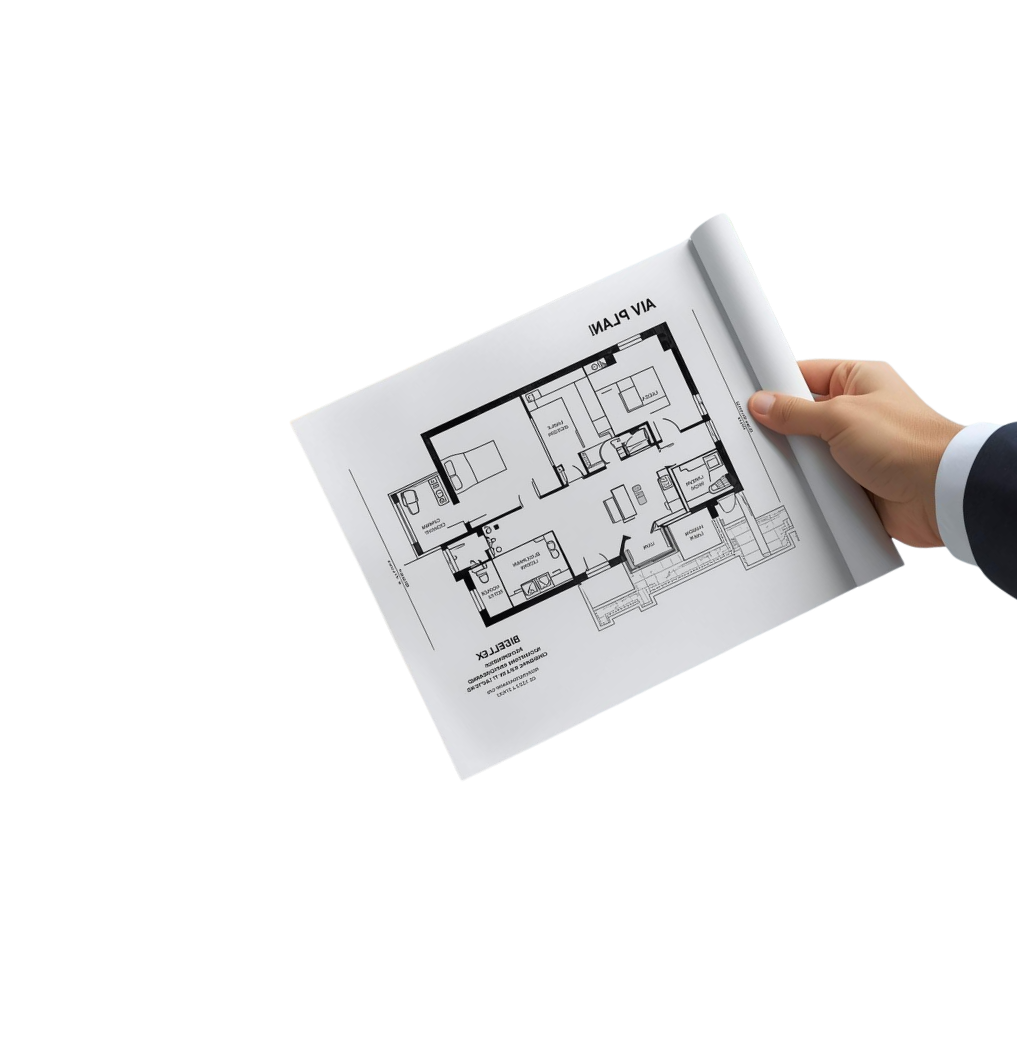
Adhering to the principles outlined in PAS 2035, our retrofit design process begins with a thorough assessment of the existing building to identify potential areas for improvement. This initial step guarantees that all subsequent actions are informed and strategically targeted to enhance the building's performance and user comfort while minimising environmental impact.

Our PAS 2035 Retrofit Design Process is structured as follows:

  • Initial Assessment: Conduct energy and structural evaluations to establish a baseline.
  • Option Appraisal: Evaluate cost-effective, energy-saving retrofit options aligned with client goals.
  • Design Development: Create sustainable solutions that meet regulations and PAS 2035 standards.
  • Stakeholder Engagement: Maintain communication with all stakeholders to ensure needs and expectations are met.
  • Untitled design 3 1
    Untitled design 4 1
    PNG 1 1
    Untitled design 6 1
    Untitled design 5 1
    PNG 1 1
    Efficient Heating Design

    Designing Energy Efficient and Low-Carbon Heating Systems

    Shifting to energy-efficient and low-carbon heating systems is an essential component of Whole House Retrofit Design, aimed at reducing environmental impact while maintaining comfort. As the UK aims to meet its carbon reduction targets, the focus on innovative heating solutions in retrofit projects is more vital than ever. These systems not only help in minimising carbon footprints but also pave the way for substantial energy savings over time.

    Key considerations for designing these systems include:

  • Selection of Heat Pumps: Air-source and ground-source heat pumps are prominent choices due to their efficiency and lower operational costs compared to conventional heating systems.
  • Integration of Solar Thermal Panels**: These panels can be used in conjunction with heat pumps to provide hot water, further reducing dependency on fossil fuels.
  • Utilisation of Biomass Boilers**: Ideal for properties off the gas grid, these boilers burn organic materials, emitting a carbon output that is considerably lower than that of traditional fossil fuels.
  • Enhancement with Smart Controls: Implementing smart thermostats and zoning controls enables better management of heating needs, optimising energy use and enhancing overall system efficiency.
  • Adopting such technologies in retrofit projects not only supports sustainability but also aligns with modern building standards and practices.

    Ventilation & Moisture Management

    Ventilation and Moisture Control in Retrofit Design

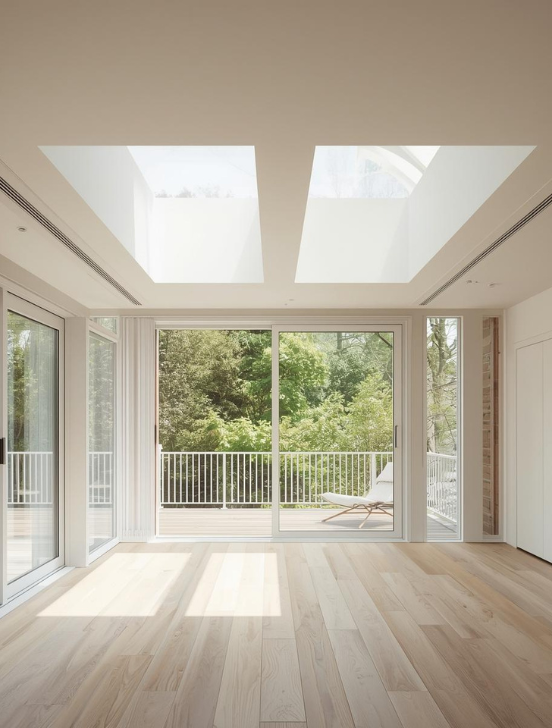
    In retrofit design, managing ventilation and moisture is crucial to ensuring a healthy indoor environment. While low-carbon heating systems improve energy efficiency, effective ventilation prevents issues like mould growth and structural decay. Modern solutions, such as Mechanical Ventilation with Heat Recovery (MVHR), extract stale air while introducing fresh, filtered air, enhancing air quality and reducing the need for extra heating.

    Moisture control is equally important, with measures like vapour barriers and proper drainage systems protecting the building fabric from water damage. These elements are essential in retrofit projects to maintain the building's integrity and longevity. Thoughtfully integrating ventilation and moisture control solutions ensures sustainable improvements in building performance and energy efficiency.

    Untitled design 7 1
    Untitled design 8 1
    PNG 1 1
    h1 sub title Efficient Retrofit Design

    Fabric First Approach in Retrofit Design

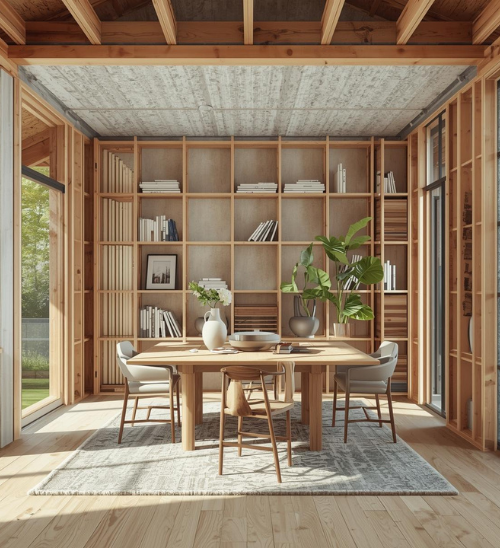
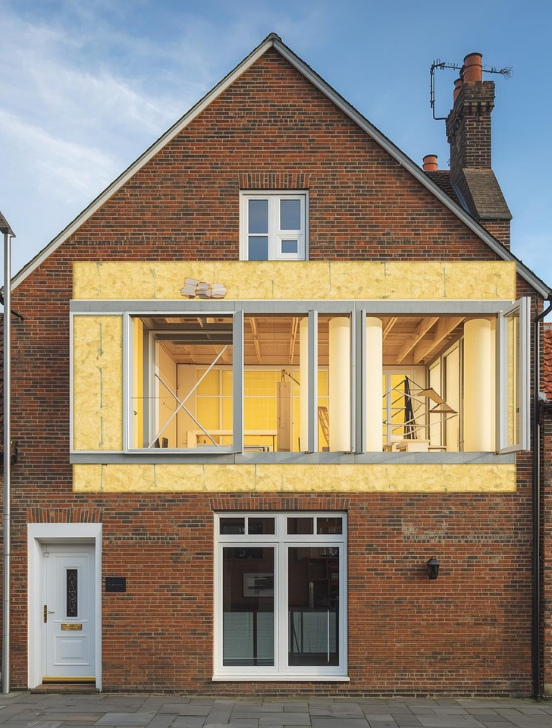
    Adopting a Fabric First approach in retrofit design prioritises enhancing a building's physical structure to achieve energy efficiency before considering mechanical or renewable technologies. This methodology focuses on the building's envelope walls, roofs, windows, and floors to inherently improve thermal performance and reduce energy demand. By investing in the building fabric initially, long-term energy savings and enhanced indoor comfort can be achieved more sustainably.

    Here are key aspects of the Fabric First approach:

    Enhances walls, roofs, and floors to reduce heat loss.
    Installs high-performance windows to minimize energy loss.
    Seals gaps to prevent energy loss and moisture issues.
    Reduces heat loss at junctions and openings.
    Improves overall thermal performance, lowering heating needs.

    Implementing these strategies guarantees a robust, energy-efficient retrofit that stands the test of time, aligning with sustainability goals while enhancing occupant comfort.

    Untitled design 11
    h1 sub title Retrofit Design

    Frequently Asked Questions

    A typical retrofit design project's duration varies widely, generally ranging from several months to over a year, depending on the project's scale, complexity, and the specific requirements of the building and its systems.

    Yes, retrofit designs can preserve the historical architectural integrity of older buildings by carefully integrating modern technologies and materials that respect and enhance the original structural and aesthetic characteristics of the property.

    Common challenges in retrofitting listed properties include adhering to strict preservation standards, balancing modern energy-efficiency requirements, managing higher costs, and navigating complex regulatory approval processes while preserving the building's original architectural features.

    Yes, various financing options and grants are available for retrofit projects. These typically include government subsidies, low-interest loans, and sometimes private funding, aimed at supporting energy efficiency and historical preservation efforts.

    Retrofit design can affect property insurance premiums by potentially reducing risk through upgraded materials and systems, which might lead to lower premiums, or increasing them if perceived risks or replacement costs are higher.

    testimonial

    What Our Clients Say About Us

    t4 small 1
    t4 small 2
    t4 small 3
    t4 quote
    t4 big 1
    The team at HSSE Solutions were very professional and explained the whole retrofit process clearly. The assessment was thorough and the recommendations made a lot of sense. It’s good to work with a company that understands energy efficiency and compliance properly.
    Sarah Thompson
    Birmingham
    t4 quote
    t4 big 2
    Excellent service from start to finish. The retrofit assessment was carried out professionally, and the coordinator kept everything organised throughout the process. I now have a much better understanding of how to improve my property's energy performance.
    David Patel
    Manchester
    t4 quote
    t4 big 3
    Very smooth experience. The survey was detailed, the report was clear, and the team helped guide us through the retrofit planning. Highly recommended for anyone looking to improve their property's energy efficiency.
    Michael Roberts
    Leeds
    h1 sub title our accreditation

    Approved by

    HSSE Solutions is recognized and accredited by reputable industry awarding bodies across the UK.

    Gas safe register logo
    Green Deal Approved Installer1
    elmhurst energy approved accessor
    ISO 9001 14001 2015 IMS badge grey 1
    ecmk logo
    acs recc logo full col verti rgb