
How To Improve EPC From D to C With Simple and Cost-Effective Upgrades
Renewable energy harnessed from solar power offers a sustainable and eco-friendly solution to meet the worlds.
How To Improve EPC From D to C With Simple and Cost-Effective Upgrades
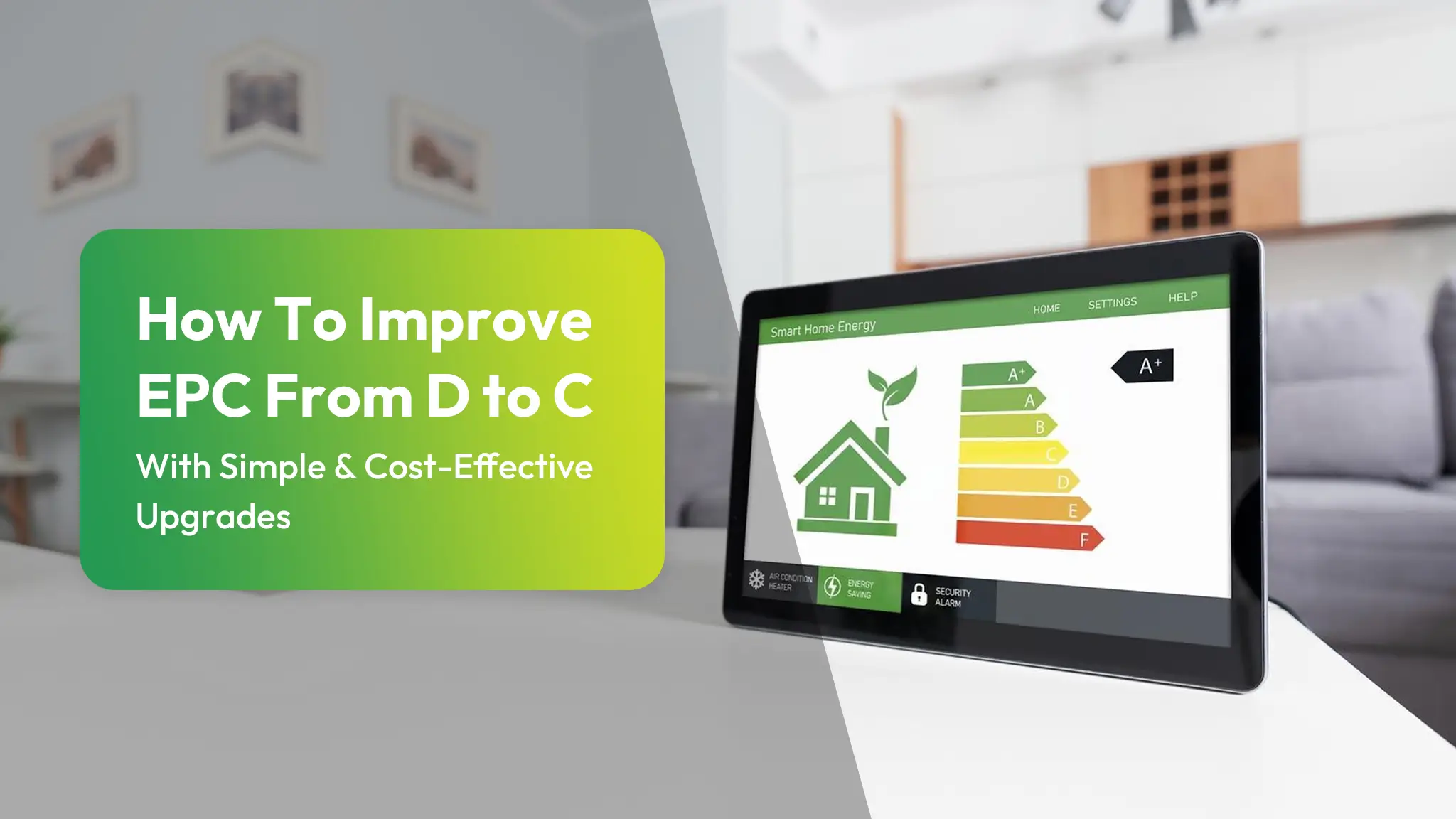
How to Improve EPC From D to C involves straightforward and affordable enhancements. Property owners can make impactful changes by installing energy-efficient lighting, using smart thermostats, and properly insulating. These upgrades not only boost energy efficiency but can also increase property value. However, many remain unaware of the specific steps they can take. Understanding the nuances of EPC ratings is essential for making informed decisions. What strategies can truly transform a property’s energy performance?
Key Takeaways
- Upgrade insulation in walls and attics to reduce heat loss and increase energy efficiency.
- Replace old appliances with energy-efficient models to lower energy consumption.
- Install smart thermostats to optimize heating and cooling schedules based on occupancy.
- Seal gaps around doors and windows to prevent drafts and improve overall efficiency.
- Switch to LED lighting for reduced energy use and longer-lasting bulbs.
Table of Contents
How To Improve EPC From D to C and Why It Matters
Although many homeowners may overlook the importance of energy performance certificates (EPCs), improving an EPC rating from D to C can lead to considerable benefits.
Enhancing energy efficiency not only promotes a sustainable lifestyle but also empowers homeowners with lower utility bills and increased property value. Simple, cost-effective upgrades, such as sealing drafts, installing energy-efficient lighting, and upgrading insulation, can significantly improve this.
Homeowners can also consider using renewable energy sources, such as solar panels, which further elevate their EPC rating. By focusing on these enhancements, individuals reclaim control over their living spaces, reducing energy waste while promoting a more environmentally conscious home.
Ultimately, a higher EPC rating not only reflects a commitment to sustainability but also opens the door to possible financial incentives and a more comfortable living environment. Consequently, the journey from D to C is not just a score upgrade; it is a step toward freedom and responsibility.
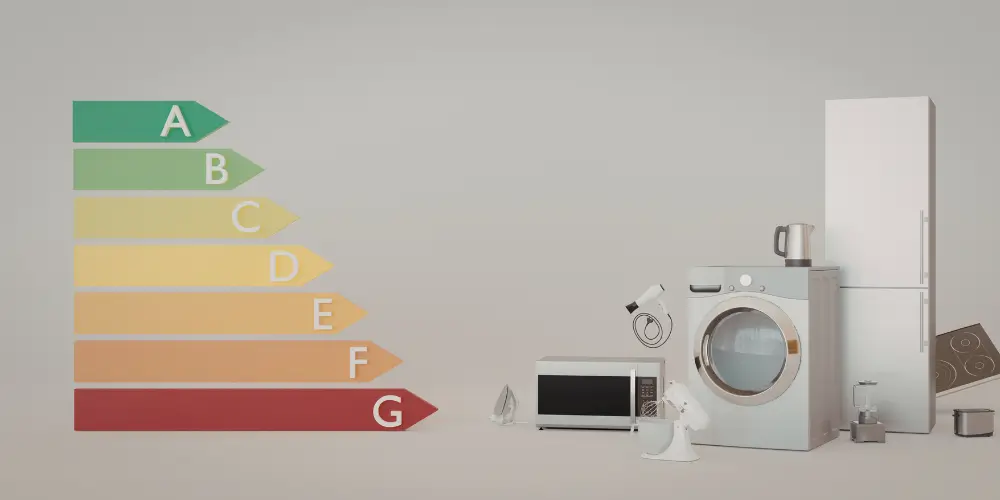
What an EPC Rating Really Means for Property Efficiency
An EPC rating is a significant indicator of a property’s energy efficiency, providing homeowners and possible buyers with insights into how effectively a building uses energy. This rating not only influences utility costs but also reflects a property’s environmental impact, offering freedom from excessive energy expenditures.
| EPC Rating | Energy Efficiency Level | Possible Savings |
| A | Excellent | High |
| C | Average | Moderate |
| D | Below Average | Low |
Understanding the nuances of an EPC rating empowers property owners to make informed decisions regarding energy upgrades. A higher rating signifies a commitment to sustainability and reduced energy bills, enhancing the quality of life. As homeowners seek to free themselves from rising energy costs, improving the EPC rating becomes a transformative goal, unlocking greater financial and environmental freedom.
Legal Implications of a Low EPC Rating for Property Owners
A low EPC rating can have significant legal implications for property owners, particularly as regulations surrounding energy efficiency become increasingly stringent. Owners may face penalties or restrictions under rental agreements, as properties with poor ratings may not meet legal occupancy standards. This can limit a property owner’s ability to attract tenants, resulting in financial losses and reduced flexibility in managing their assets.
Additionally, there may be obligations to undertake improvements within a specified timeframe, further constraining property owners. Non-compliance could result in legal actions or fines, creating an environment of uncertainty.
Furthermore, prospective buyers may be deterred by a low EPC rating, which can impact property value and marketability. As energy-efficient regulations evolve, property owners must remain vigilant to avoid legal repercussions and protect their backing.
Ultimately, understanding these implications empowers owners to make informed decisions about their properties and future upgrades.
Common Reasons Properties Remain Stuck at EPC Band D
Many properties stagnate at EPC Band D due to a combination of factors that hinder energy-efficiency improvements when learning How To Improve EPC from D to C. Common issues include outdated insulation, inefficient heating systems, and a lack of knowledge about available upgrades. Property owners may also be deterred by the perceived complexity and cost of implementing changes.
| Factor | Impact on EPC Band |
| Outdated insulation | Increases heat loss |
| Inefficient heating systems | Higher energy consumption |
| Lack of awareness | Missed upgrade opportunities |
| Financial constraints | Limits backing in upgrades |
These challenges can create a cycle of stagnation, where properties remain stuck in Band D despite the possible for improvement. By understanding these common reasons, property owners can better navigate the path toward enhancing their energy efficiency and ultimately achieving a higher EPC rating.
Cost-Effective Upgrades That Help Raise an EPC Score
While upgrading energy efficiency can seem intimidating, several cost-effective measures can greatly improve a property’s EPC score.
Simple upgrades, such as switching to energy-efficient LED lighting, can dramatically reduce energy consumption. Installing smart thermostats enables homeowners to optimize heating and cooling, ensuring comfort without excessive expenditure.
Additionally, sealing gaps around doors and windows prevents drafts, enhancing overall efficiency. Replacing old appliances with energy-rated alternatives can lead to significant long-term savings and improve the EPC rating. Utilizing low-flow fixtures in bathrooms and kitchens can reduce water usage and associated energy costs.
Moreover, regular maintenance of heating systems guarantees they operate efficiently, extending their lifespan and performance.
How Insulation Improvements Impact EPC Ratings
Insulation improvements play a notable role in enhancing a property’s EPC rating. By reducing heat loss, well-insulated homes create a more energy-efficient environment, resulting in lower energy bills and greater comfort. Upgrades such as adding loft insulation, wall insulation, or double glazing can notably impact a property’s energy performance.
| Type of Insulation | Impact on EPC Rating | Cost-Effectiveness |
| Loft Insulation | High | Very cost-effective |
| Wall Insulation | Moderate | Reasonably priced |
| Double Glazing | High | Can be expensive |
Investing in insulation not only benefits homeowners by reducing energy consumption but also increases the property’s market appeal. As energy efficiency becomes increasingly important, properties with superior insulation are more likely to attract eco-conscious buyers, thereby improving their overall value.
The Role of Heating Systems in Moving From EPC D to C
Upgrading heating systems is essential for properties aiming to elevate their EPC rating from D to C. Efficient heating solutions not only reduce energy consumption but also increase comfort, granting occupants greater control over their living environments.
Modern systems, such as condensing boilers or heat pumps, use advanced technology to minimize waste, resulting in lower emissions and improved performance.
Additionally, integrating smart thermostats enables personalized heating schedules, empowering residents to optimize energy use based on their lifestyles. Regular maintenance of existing systems can also yield significant improvements, ensuring they operate at peak efficiency.
Comparing EPC Band D and C: Energy Use and Running Costs
EPC Band D properties often incur higher energy use and running costs than those rated Band C. This discrepancy stems from various factors, including insulation quality, heating efficiency, and overall energy management.
Band D homes typically lose more heat, resulting in higher energy consumption for heating and cooling. Consequently, owners often grapple with elevated utility bills, which can restrict financial freedom and limit backing options.
In contrast, Band C properties benefit from improved insulation and energy-efficient systems, resulting in lower energy demands. These homes not only create a more comfortable living environment but also promote long-term cost savings.
Mistakes Property Owners Make When Trying to Improve EPC Ratings
While many property owners work hard to increase their energy performance certificates, they often overlook critical aspects that can lead to ineffective improvements. These oversights can hinder their efforts to achieve better EPC ratings and may result in unnecessary expenditures.
- Neglecting Professional Assessments: Skipping expert advice can lead to misguided upgrades that fail to address underlying issues.
- Focusing Solely on Aesthetics: Prioritizing visual appeal over energy efficiency may not yield the desired EPC improvement.
- Ignoring Insulation: Failing to invest in proper insulation can negate the benefits of other upgrades, such as new windows or heating systems.
- Overlooking Regular Maintenance: Ignoring routine checks on systems like HVAC can lead to inefficiencies that diminish energy performance.
Steps to Take After an EPC Assessment to Achieve a Higher Band
After receiving an EPC assessment, property owners should take a strategic approach to implement the necessary upgrades to achieve a higher rating.
First, they must analyze the report to identify key areas for improvement. Prioritizing energy-efficient solutions, like upgrading insulation and installing energy-efficient windows, can yield significant benefits.
Next, investing in renewable energy sources, such as solar panels, can increase sustainability while reducing energy costs. Owners should also consider modern heating systems, which can substantially lower energy consumption. Engaging with qualified professionals for guidance can streamline this process and guarantee compliance with regulations.
Finally, monitoring energy usage post-upgrades is essential to confirm improvements and make further adjustments if needed.
Frequently Asked Questions
Can I Improve My EPC Rating Without Major Renovations?
Yes, improving an EPC rating without major renovations is possible. Simple measures such as improving insulation, upgrading to energy-efficient lighting, and sealing drafts can effectively boost energy efficiency without significant structural changes or costs.
How Long Does It Take to See EPC Improvements?
Improvements to EPC ratings can typically be observed within weeks to months, depending on the upgrades implemented. Factors like the type of enhancements and the efficiency of installation processes play essential roles in determining the timeline.
Are There Grants Available for Energy Efficiency Upgrades?
Various grants exist for energy efficiency upgrades, often provided by government programs or local authorities. These financial aids are designed to support individuals seeking to increase their properties while advancing environmental sustainability and energy conservation.
Will Upgrading Appliances Affect My EPC Rating?
Upgrading appliances can greatly increase an EPC rating. Energy-efficient models consume less power, reducing overall energy use and emissions, possibly elevating the property’s rating and contributing to a more sustainable living environment.
Can I DIY Upgrades to Improve My EPC Score?
Yes, individuals can undertake DIY upgrades to increase their EPC score. Simple projects like sealing drafts, improving insulation, or replacing light bulbs with energy-efficient options can significantly improve overall energy efficiency and positively impact the rating.
Conclusion
To summarize, How To Improve EPC from D to C is both achievable and beneficial for property owners. By implementing cost-effective upgrades such as energy-efficient lighting, smart thermostats, and increased insulation, not only can energy bills be reduced, but property value can also increase. Understanding the importance of an EPC rating and taking proactive steps post-assessment will ensure a more sustainable and efficient living environment, ultimately contributing to a greener future.
Charlotte