
Condensation Control UK: Understanding Moisture Problems and How to Prevent Them Effectively
Condensation in UK homes is a persistent issue that often goes unnoticed until significant damage occurs, which is why condensation control UK is so important. The unique climate contributes to high indoor humidity levels, making effective control methods essential. Homeowners frequently overlook early signs of moisture problems, which can lead to costly repairs. Understanding how daily activities and home design influence condensation is crucial. Exploring practical prevention strategies could make all the difference in maintaining a healthy living space.
Key Takeaways
- Inadequate ventilation and lifestyle habits contribute to indoor humidity, making it essential to increase airflow to prevent condensation.
- Regularly monitor humidity levels with a hygrometer and maintain consistent indoor temperatures to control moisture accumulation.
- Install extractor fans in kitchens and bathrooms to effectively remove humid air and improve overall air quality.
- Consider professional assessments for persistent dampness and structural damage, ensuring tailored solutions for specific condensation issues.
- Encourage outdoor drying of clothes and limit indoor plants to minimise additional moisture sources within the home.
Table of Contents
Why Condensation Is a Growing Issue in UK Housing
Condensation has become a significant concern in UK housing, making condensation control UK a growing priority, as many homes experience elevated moisture levels. This issue arises from a combination of inadequate ventilation and lifestyle habits that promote humidity. As individuals seek comfort in their living spaces, activities such as cooking, showering, and drying clothes indoors contribute to moisture accumulation.
Moreover, the trend towards energy-efficient building designs, while beneficial for reducing heating costs, often limits airflow. Homes now retain heat better but can inadvertently trap humidity, creating an environment ripe for condensation.
The consequences are not merely aesthetic; persistent moisture can lead to mould growth, compromising health and structural integrity.
As people yearn for freedom in their living environments, addressing condensation issues becomes essential. A clearer understanding of these problems can empower homeowners to implement effective solutions and create healthier, more enjoyable living spaces without compromising comfort or sustainability.
How the UK Climate Directly Affects Indoor Moisture Levels
The UK’s temperate maritime climate significantly influences indoor moisture levels, which is why condensation control UK is so important for homeowners. Characterised by relatively mild temperatures and high humidity, this climate creates conditions conducive to moisture accumulation. Rainfall is frequent, often leading to dampness in homes, especially in older buildings with less effective insulation.
During colder months, the temperature difference between indoor and outdoor environments exacerbates condensation issues, as warm air holds more moisture than cold air. When warm, humid air comes into contact with cold surfaces, condensation occurs, which can lead to mould and structural damage.
Additionally, the UK’s seasonal variations contribute to fluctuating humidity levels, making it difficult for homeowners seeking to maintain a comfortable, healthy indoor environment.
Understanding these climate influences empowers individuals to take energetic steps to manage indoor moisture, enabling a more liberated living environment free from damp-related concerns.
Early Warning Signs of Condensation You Should Not Ignore
While many homeowners may overlook subtle changes in their living environment, ignoring early warning signs of condensation can lead to more significant issues down the line. One of the first indicators often noticed is the formation of water droplets on windows, especially during colder months.
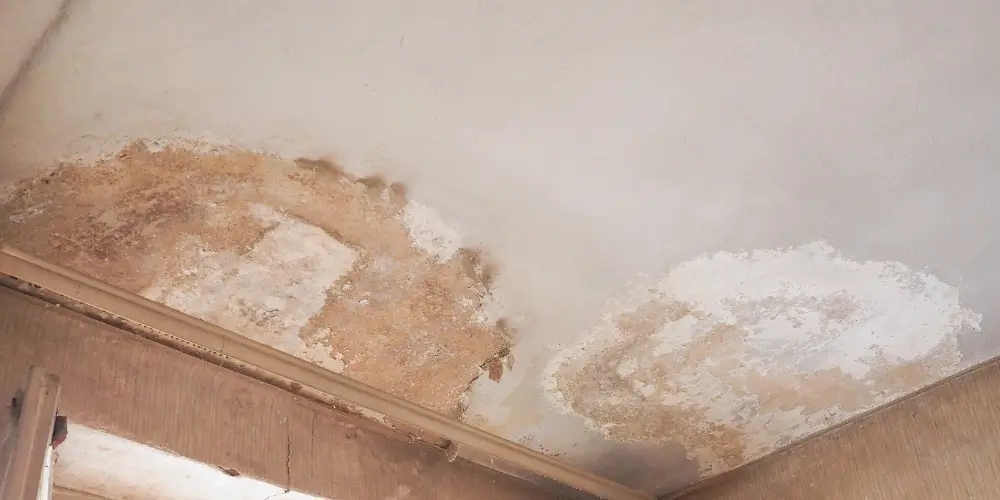
Persistent damp spots on walls or ceilings, particularly in corners, can signal trapped moisture. A musty odour in certain areas may also suggest hidden condensation, thriving in poorly ventilated spaces.
In addition, mould growth, even in small patches, serves as an essential warning sign that cannot be ignored and underscores the importance of condensation control UK. Homeowners should also be vigilant about increased humidity levels, which can often be detected using a hygrometer. Regularly monitoring these signs empowers individuals to take energetic measures, ensuring their homes remain comfortable and healthy while safeguarding their freedom from the consequences of unchecked moisture.
The Hidden Damage Condensation Can Cause to Walls and Surfaces
How can seemingly harmless moisture lead to significant damage in homes?
Condensation, often overlooked, can wreak havoc on walls and surfaces, leading to a range of hidden issues. Homeowners should be aware of the following possible damages:
- Mould Growth: A damp environment favours mould growth, which can spread rapidly and degrade air quality.
- Structural Weakness: Prolonged exposure to moisture can weaken wall materials, leading to cracks and structural failures.
- Paint and Wallpaper Damage: Moisture can cause peeling paint and bubbling wallpaper, detracting from a home’s aesthetic appeal.
- Wood Rot: Wooden surfaces may deteriorate, compromising furniture and support beams.
Addressing condensation promptly can help homeowners preserve their living spaces and maintain a healthy environment.
How Window Design and Glazing Influence Moisture Build-Up
Window design and glazing play a considerable role in moisture buildup within homes. The choice of materials, frame styles, and glazing types directly impacts thermal performance. Poorly insulated windows can create cold spots, leading to condensation as warm, moist air encounters cooler surfaces.
Double- or triple-glazing with gas fills and low-emissivity coatings increases thermal efficiency, reducing the likelihood of moisture accumulation.
Furthermore, the orientation and placement of windows influence sunlight exposure, which can increase natural drying. A well-designed window system allows for better airflow and minimises stagnant conditions that promote humidity.
Additionally, window seals must be intact; any gaps can allow external moisture to enter, disrupt the indoor climate, and affect condensation control in residential properties. By prioritising effective window design and high-quality glazing, homeowners can significantly mitigate moisture issues, create a healthier living environment, and promote individual comfort and autonomy in their homes.
Ventilation Systems That Actually Work in UK Properties
Effective ventilation systems are essential for maintaining a healthy indoor environment in UK properties. They help control moisture levels, reduce condensation, and increase air quality. Various methods can be employed, each offering distinct advantages tailored to individual needs.
- Mechanical Ventilation with Heat Recovery (MVHR): This system efficiently exchanges stale air with fresh air while retaining heat, ensuring comfort without excessive energy loss.
- Positive Input Ventilation (PIV): PIV systems introduce fresh air into the home, displacing damp air and promoting a consistent airflow throughout the property.
- Extract Fans: Installed in moisture-prone areas like kitchens and bathrooms, extract fans effectively remove humid air, preventing condensation buildup.
- Natural Ventilation: Utilising windows and vents, this method leverages outdoor air movement, offering a free and uncomplicated solution for maintaining air quality.
The Impact of Daily Living Activities on Indoor Humidity
Daily living activities significantly influence indoor humidity, often leading to increased air moisture. Cooking, showering, and even breathing contribute to the home’s overall humidity. For instance, cooking generates steam, while hot showers produce significant amounts of water vapour.
Additionally, activities such as drying clothes indoors can release moisture that accumulates quickly in confined spaces.
Furthermore, the number of occupants in a household plays an essential role; more people equate to increased humidity due to everyday activities. Pets, too, can contribute to moisture levels through their breathing and skin flakes.
To maintain a balanced indoor environment, it is essential to understand how these routine actions impact humidity. By identifying moisture sources in daily life, individuals can take energetic steps to manage humidity effectively, ensuring comfort and preventing condensation-related issues.

Cost-Effective Home Improvements That Reduce Moisture
Numerous cost-effective home improvements can greatly reduce moisture levels and increase indoor air quality.
Homeowners seeking freedom from dampness can implement simple yet effective changes. Here are four strategies to evaluate:
- Install Exhaust Fans: Placing exhaust fans in kitchens and bathrooms helps eliminate excess humidity generated during cooking and bathing.
- Use Dehumidifiers: Portable dehumidifiers can efficiently extract moisture from the air, particularly in basements or poorly ventilated areas.
- Improve Insulation: Proper insulation in walls and attics prevents temperature fluctuations, reducing condensation on cold surfaces.
- Seal Windows and Doors: Weatherstripping and caulking can prevent drafts, keep rooms dry, and reduce moisture buildup.
Long-Term Condensation Control UK Strategies for Property Owners
While many homeowners implement short-term solutions to address moisture issues, long-term condensation control uk strategies are essential for sustainable property maintenance in the UK. Property owners should prioritise adequate ventilation to guarantee consistent airflow, which reduces humidity levels. Installing extractor fans in kitchens and bathrooms helps remove moisture during peak usage. Additionally, improving insulation in attics and walls can effectively minimise temperature fluctuations, thereby reducing the risk of condensation.
Regular maintenance of gutters and downpipes prevents water accumulation near the property, further mitigating moisture problems. It is also beneficial to monitor indoor humidity levels using hygrometers, enabling homeowners to take timely action when necessary. Encouraging a lifestyle that includes drying clothes outside and avoiding excessive indoor plants can greatly contribute to a healthier indoor environment.
When Professional Assessment Becomes the Best Option
When persistent condensation issues persist despite standard mitigation techniques, seeking a professional assessment may be the most prudent course of action.
Professionals possess the expertise to identify underlying problems that homeowners might overlook. They can offer tailored solutions to guarantee a healthier living environment.
Here are four signs that indicate it may be time to consult a professional:
- Persistent Dampness: Areas of the property remain damp despite efforts to ventilate and dehumidify.
- Mould Growth: Frequent mould growth, especially in hidden areas, signals deeper moisture issues.
- Structural Damage: Signs of rotting wood or peeling paint could indicate a serious condensation problem.
- Health Concerns: Increased respiratory problems among residents may suggest that moisture issues are affecting indoor air quality.
In such cases, professional assessment can lead to effective, long-lasting solutions.
Frequently Asked Questions
What Common Household Items Contribute to Increased Indoor Moisture Levels?
Common household activities that contribute to increased indoor moisture levels include boiling water, unvented dryers, houseplants, cooking, showering without ventilation, and drying clothes indoors, all of which can elevate humidity and lead to moisture issues.
How Does Cooking Affect Condensation Levels in the Home?
Cooking significantly increases indoor moisture levels by releasing steam. Without proper ventilation, this moisture condenses on surfaces, possibly leading to dampness and mould, undermining the comfort and safety of the home environment.
Can Houseplants Increase Humidity and Condensation Issues?
Houseplants can indeed increase humidity in a home, which can lead to condensation. Their transpiration process releases moisture into the air, which, if not managed properly, may contribute to dampness and related problems.
What Are the Best Practices for Drying Clothes Indoors?
To dry clothes indoors effectively, use a well-ventilated area, use a dehumidifier, and space garments to encourage airflow. Additionally, consider using a drying rack rather than hanging clothes directly.
How Often Should I Check for Signs of Condensation?
It is advisable to check for signs of condensation at least once a week, especially in high-humidity areas. Regular inspections help identify latent moisture issues early, promoting a healthier living environment and enhancing overall comfort.
Conclusion
To sum up, effective condensation control uk is crucial for maintaining a healthy indoor environment in the UK. By understanding the contributing factors, recognising early warning signs, and implementing strategic improvements, homeowners can greatly mitigate moisture-related issues. Prioritising adequate ventilation, improving insulation, and making informed lifestyle choices are essential steps. For persistent problems, seeking professional assessment can provide tailored solutions, ensuring properties remain safe and comfortable while preventing the detrimental effects of condensation.
Charlotte