
UK Home Energy Efficiency Explained: Savings, Sustainability, and Smart Choices
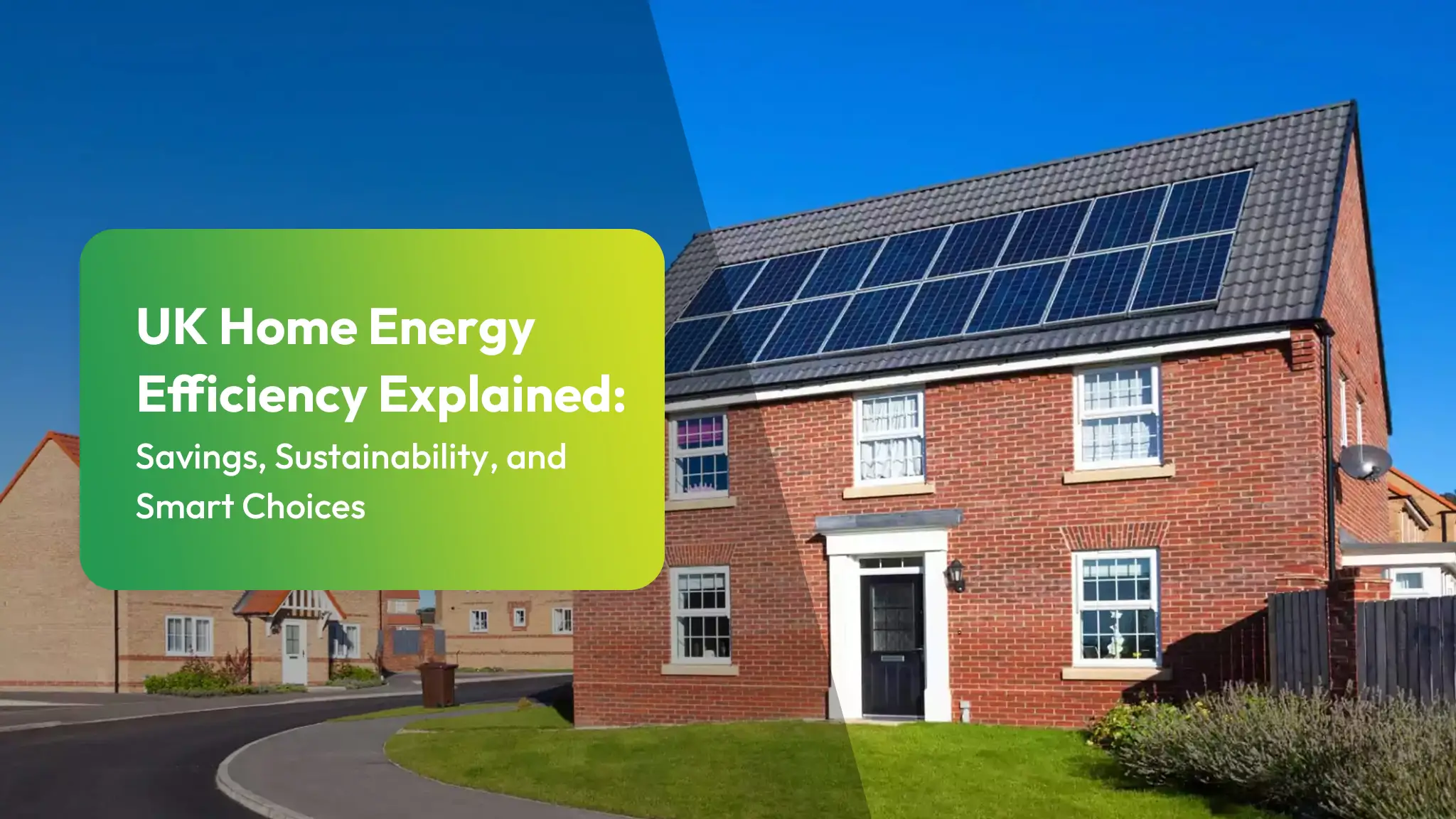
Energy efficiency in UK homes is becoming increasingly key as homeowners seek to reduce costs and environmental impacts, with Home Energy Efficiency UK now a growing priority. Addressing how heat escapes and employing innovative technologies can lead to significant savings. Key features of energy-efficient homes are essential to understand. However, many are unaware of the affordable improvements and government incentives available. Exploring these aspects can reveal surprising benefits that may transform residential energy consumption. What steps can homeowners take to increase their efficiency through initiatives? Home Energy Efficiency UK
Key Takeaways
- Energy-efficient living reduces carbon footprints, leading to financial savings and improved home comfort.
- Upgrading insulation, windows, and heating systems minimises heat loss and lowers energy bills.
- Creative technologies, such as programmable thermostats, optimise energy use and increase sustainability.
- Government initiatives support homeowners in adopting energy-efficient upgrades and reducing overall carbon emissions.
- Simple lifestyle changes, such as using LED lighting and mindful appliance use, further promote energy savings.
Table of Contents
The Growing Importance of Energy-Efficient Living in UK Homes
As concerns about climate change and rising energy costs intensify, the significance of energy-efficient living in UK homes has become increasingly evident, with Home Energy Efficiency UK gaining greater importance. Homeowners are increasingly seeking solutions that not only reduce their carbon footprint but also lead to substantial financial savings.
Energy-efficient practices, such as high-quality insulation, energy-efficient appliances, and innovative technologies, play an essential role in minimising energy consumption. This shift not only contributes to a healthier environment but also increases the overall comfort of living spaces.
Additionally, government initiatives and incentives promote energy efficiency, making it more accessible for homeowners to invest in sustainable upgrades and support Home Energy Efficiency UK. As the UK moves towards carbon neutrality by 2050, energy-efficient living is not merely a trend; it is an essential strategy for future-proofing homes against energy insecurity and encouraging a more sustainable society through Home Energy Efficiency UK. Embracing these practices ensures residents can enjoy lower bills while contributing positively to the planet.
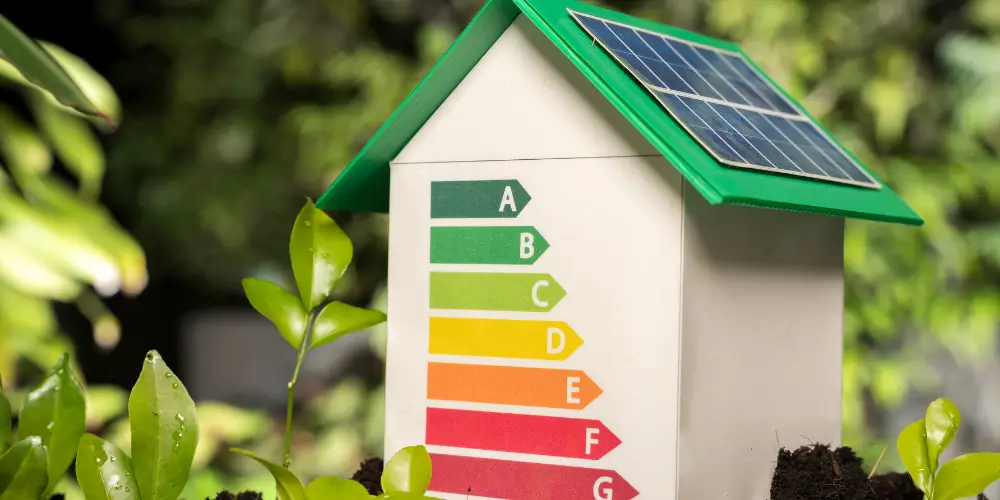
Where Heat Escapes Most in British Houses and How to Stop It
Heat loss in British houses is a significant concern for homeowners seeking energy efficiency, particularly in relation to the Home Energy Efficiency UK goals. The primary areas where heat escapes include poorly insulated roofs, walls, and floors. Many homes, particularly older ones, have inadequate insulation, allowing warmth to dissipate easily.
Windows and doors also contribute to heat loss, especially if they are single-glazed or poorly sealed. Drafts from these openings can lead to uncomfortable living conditions and increased energy bills.
To combat this heat escape, homeowners can implement several strategies that support Home Energy Efficiency UK. Improving insulation in the roof and walls can significantly reduce heat loss. Double or triple-glazed windows are another effective solution, as they minimise drafts and retain warmth.
Installing door sweeps and weatherstripping can seal gaps around entrances. In addition, considering energy-efficient heating systems can increase overall performance. By addressing these key areas, homeowners can create a more energy-efficient environment, ultimately leading to savings and increased comfort.
Key Features That Define an Energy-Efficient Home in the UK
Effective insulation, modern heating systems, and energy-efficient appliances characterise an energy-efficient home in the UK.
High-quality insulation in walls, roofs, and floors minimises heat loss, keeping homes warm during colder months and supporting Home Energy Efficiency UK. Double or triple-glazed windows further increase thermal performance, reducing the need for excessive heating.
Modern heating systems, such as condensing boilers or heat pumps, operate at higher efficiencies, converting more energy into usable heat while lowering carbon emissions. Additionally, smart thermostats allow homeowners to optimise heating schedules, enhancing comfort and reducing energy consumption in line with Home Energy Efficiency UK.
Energy-efficient appliances, marked by high Energy Star ratings, consume less electricity while providing the same level of performance, contributing to Home Energy Efficiency UK.
Affordable Home Improvements That Deliver Long-Term Energy Savings
Many homeowners in the UK seek affordable improvements that can yield significant long-term energy savings as part of improving Home Energy Efficiency UK. Simple measures, such as upgrading to energy-efficient LED lighting, can drastically reduce electricity consumption.
Installing programmable thermostats allows homeowners to control heating and cooling better, ensuring energy isn’t wasted when spaces are unoccupied. Sealing drafts around windows and doors is another cost-effective solution that prevents heat loss, enhancing overall comfort without hefty investments and supporting Home Energy Efficiency UK.
Additionally, opting for energy-efficient appliances, which may have a higher upfront cost, results in lower utility bills over time due to reduced energy consumption. Regular maintenance of heating systems, including boiler servicing, guarantees ideal performance and efficiency.
Why Insulation Quality Plays a Central Role in Household Efficiency
Proper insulation is essential for achieving ideal household energy efficiency. It serves as a barrier, preventing heat loss during colder months and reducing heat gain in warmer seasons. The quality of insulation directly affects how well a home retains heat, influencing overall energy consumption.
High-quality materials, such as fibreglass, foam, or cellulose, provide superior thermal resistance, ensuring that heating and cooling systems do not work overtime. This efficiency not only lowers energy bills but also minimises carbon emissions, contributing to sustainability goals.
Additionally, well-insulated homes maintain consistent indoor temperatures, enhancing occupant comfort. Poor insulation, conversely, can lead to drafts, increased energy use, and a less comfortable living environment.
As a result, investing in quality insulation is an essential step for homeowners looking to improve energy efficiency and make wise, sustainable choices for their properties.
Modern Heating Options That Reduce Energy Waste in UK Properties
With adequate insulation laying the groundwork for energy efficiency, homeowners can further increase their energy savings through modern heating options. Among the most notable advancements are condensing boilers, which utilise waste heat to improve efficiency by up to 90%.
Heat pumps, including air-source and ground-source variations, are also gaining popularity; they transfer heat from the environment into the home, providing considerable savings on energy bills. Smart thermostats offer another layer of efficiency, allowing users to control heating remotely and optimise energy use based on their schedules. Additionally, underfloor heating systems can distribute warmth more evenly than traditional radiators, reducing energy waste.
Finally, biomass boilers, which burn organic materials, represent a renewable heating solution that can further lower carbon footprints.
The Link Between Household Energy Use and Environmental Impact
As society seeks to combat climate change, understanding the connection between household energy use and environmental impact becomes increasingly essential. Households are significant contributors to carbon emissions, mainly through energy use for heating, lighting, and appliances.
The sources of this energy, whether fossil fuels or renewable resources, play an analytic role in determining the overall environmental footprint. For instance, electricity generated from coal produces considerably more greenhouse gas emissions than electricity from wind or solar power.
Moreover, inefficient energy use in homes exacerbates the problem, leading to higher demand on power plants and increased emissions. By adopting energy-efficient practices and technologies, households can not only reduce their energy bills but also minimise their environmental impact.
This dual benefit highlights the importance of conscious energy consumption choices, ultimately contributing to a more sustainable future for the planet. Understanding this link empowers individuals to make informed decisions regarding their energy use.
UK Grants and Incentives Designed to Improve Residential Efficiency
Recognising the need for improved residential energy efficiency, the UK government has introduced various grants and incentives to encourage homeowners to adopt more sustainable practices.
These initiatives serve to alleviate financial burdens while promoting environmentally friendly upgrades.
Homeowners may benefit from:
- Green Homes Grant: Provides funding for energy-efficient home improvements.
- Energy Company Obligation (ECO): Mandates energy suppliers to support energy-saving measures in low-income households.
- Renewable Heat Incentive (RHI): Provides financial support for the use of renewable heating technologies, such as heat pumps and biomass boilers.
- Home Upgrade Grant: Helps upgrade insulation and heating systems for improved energy performance.
Through these programs, the UK government aims to increase home energy efficiency, reduce carbon footprints, and ultimately contribute to national sustainability goals. These grants not only facilitate necessary renovations but also promote a tradition of energy conservation among residents.
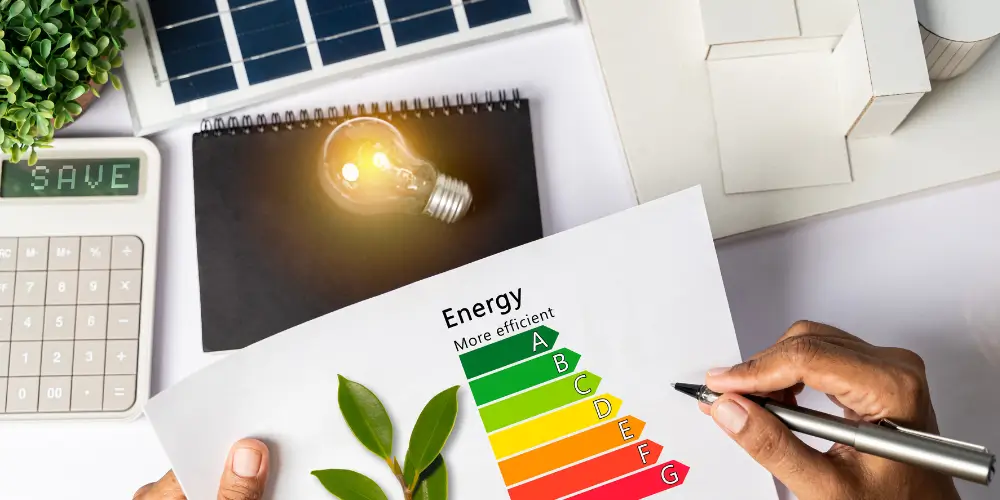
Structural and Behavioural Factors That Limit Energy Performance
Frequently, homeowners encounter structural and behavioural factors that hinder ideal energy performance in their residences. Structural issues often include inadequate insulation, outdated windows, and inefficient heating systems, while behavioural factors may involve lifestyle choices and maintenance habits that detract from energy-saving efforts. Identifying these limitations is essential for enhancing energy efficiency.
| Structural Factors | Behavioural Factors |
| Poor insulation | Neglecting maintenance |
| Drafty windows | Inconsistent thermostat use |
| Inefficient appliances | Lack of energy awareness |
These factors create barriers to peak energy performance, resulting in higher utility bills and a negative environmental impact. Homeowners should be aware of these elements to make informed decisions regarding improvements and ultimately contribute to a more sustainable living environment. Addressing both structural and behavioural challenges is essential for achieving the desired energy efficiency in homes across the UK.
Smart Lifestyle Changes That Strengthen Home Energy Efficiency
While structural improvements are essential for enhancing home energy efficiency, adopting smart lifestyle changes can greatly amplify these efforts. By making conscious decisions in daily routines, homeowners can markedly reduce energy consumption and improve sustainability.
Key lifestyle changes include:
- Optimising Heating and Cooling: Adjusting thermostats by a few degrees can lead to substantial energy savings over time.
- Embracing Natural Light: Utilising daylight effectively reduces the need for artificial lighting, cutting down electricity use.
- Mindful Appliance Use: Running dishwashers and washing machines during off-peak hours can lower energy costs, especially when combined with energy-efficient appliances.
- Reducing Water Heating: Lowering the water heater temperature and using cold water for laundry can significantly reduce energy consumption.
Frequently Asked Questions
How Can I Check My Home’s Current Energy Efficiency Rating?
To check a home’s current energy efficiency rating, one can obtain an Energy Performance Certificate (EPC) through official government websites or consult with certified energy assessors who conduct evaluations of residential properties.
What Are the Most Common Energy-Saving Mistakes Homeowners Make?
Homeowners often overlook sealing leaks, neglect regular maintenance of heating systems, ignore the benefits of insulation, underestimate the importance of energy-efficient appliances, and fail to optimise thermostat settings, leading to wasted energy and higher bills.
Can Energy-Efficient Upgrades Increase My Home’s Resale Value?
Energy-efficient upgrades can significantly increase a home’s resale value. Possible buyers often prioritise lower utility costs and environmentally friendly features, making homes with energy-efficient improvements more attractive in a competitive real estate market.
How Do I Choose the Right Energy-Efficient Appliances?
Choosing the right energy-efficient appliances involves evaluating energy ratings, examining compatibility with home systems, comparing features, and considering long-term savings. Researching reviews and consulting experts can further guarantee informed decisions aligned with personal needs and budget.
What Resources Are Available for Energy Efficiency Education in the UK?
Various resources for energy efficiency education in the UK include government websites, local council programs, non-profit organisations, and online courses. These platforms provide information on best practices, available technologies, and financial incentives for energy-efficient choices.
Conclusion
To sum up, enhancing energy efficiency in UK homes is essential for both financial savings and environmental sustainability, with Home Energy Efficiency UK playing a central role. By prioritising insulation, adopting energy-efficient appliances, and taking advantage of available government incentives, homeowners can significantly reduce energy consumption. Additionally, understanding the structural and behavioural factors that impact efficiency enables residents to make informed decisions. Ultimately, embracing wise choices in home energy management not only improves comfort but also contributes to a healthier planet for future generations through Home Energy Efficiency UK.








Charlotte