
How Do You Know If You Have Cavity Wall Insulation? A Simple Homeowner’s Guide
How Do You Know If You Have Cavity Wall Insulation? Determining whether a home has cavity wall insulation can be straightforward, yet many homeowners remain uncertain, often asking, “How Do You Know If You Have Cavity Wall Insulation?” Various indicators exist, from reviewing property documents to evaluating the physical features of the walls. Understanding these signs can improve energy efficiency and home comfort. However, some clues may not be as apparent as they seem. What steps should one take if the presence of insulation remains unclear?
Key Takeaways
- Check property documentation for any records of cavity wall insulation installation or consultation with previous owners for insights.
- Look for signs such as drilled holes, air bricks, or irregular wall surfaces that indicate the presence of insulation.
- Conduct a thermal imaging inspection to identify temperature differences indicative of insulation.
- Monitor indoor temperatures and energy bills for unusual fluctuations that may indicate inadequate insulation.
- Consult a professional insulation specialist for a comprehensive evaluation of your home’s insulation status.
Table of Contents
How to Confirm Whether Your Property Has Cavity Wall Insulation Installed
How can one ascertain if a property has cavity wall insulation installed? Homeowners can begin by examining their property documentation for any records of insulation installation. Such records may be found in building plans or energy efficiency certificates.
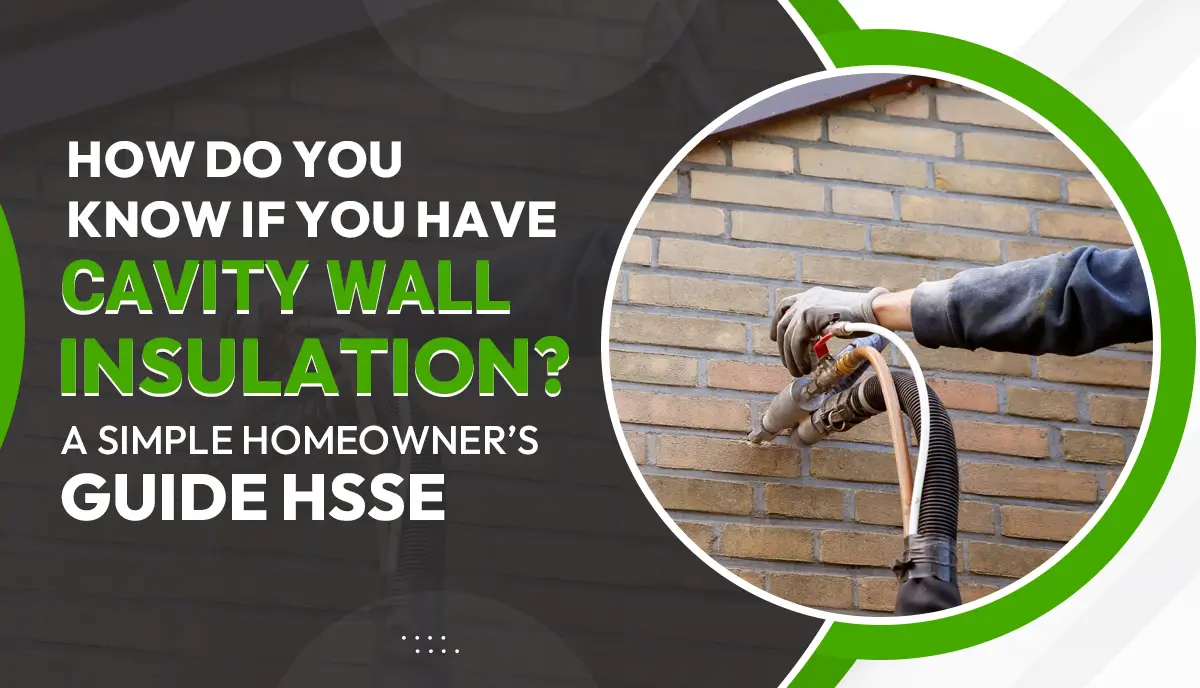
Additionally, checking for external signs, such as drilled holes in the walls, can indicate the presence of insulation and help answer the question, How Do You Know If You Have Cavity Wall Insulation? It is also beneficial to consult with previous owners or neighbours, as they may have information about insulation work on similar properties.
If uncertainty remains, hiring a professional to conduct an energy assessment can provide clarity. Inspectors often use thermal imaging technology to identify temperature differences that suggest the presence.
Ultimately, a combination of documentation review, visual inspection, and professional assessment will yield a comprehensive understanding of whether cavity wall insulation has been installed on the property.
Physical Wall Features That Indicate the Presence of Cavity Insulation
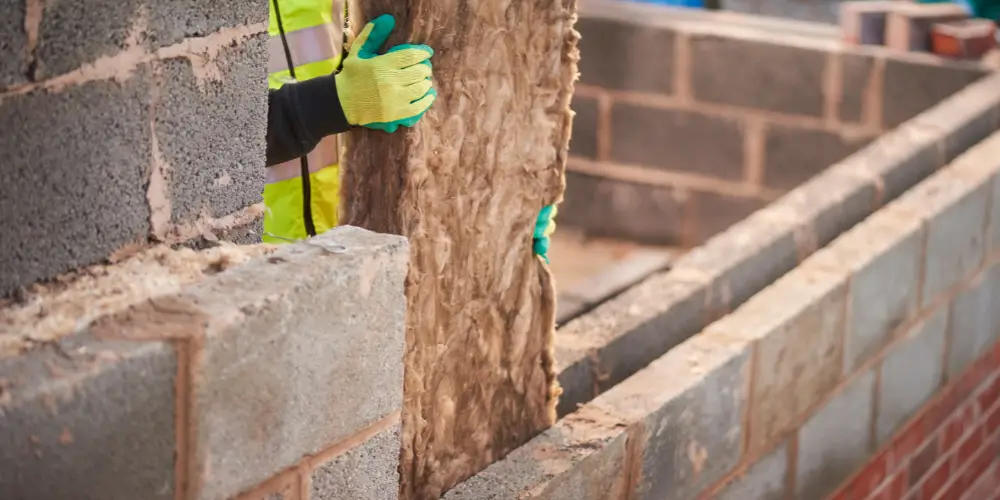
Identifying physical wall features can provide valuable insights into the presence of cavity wall insulation and help answer the question, How Do You Know If You Have Cavity Wall Insulation? Homeowners can look for specific indicators that indicate insulation is present in their wall cavities.
- Air Brick or Ventilation Holes: These are often found in cavity walls to allow airflow, but they may indicate that insulation has been installed.
- Wall Tie Fixings: Visible fixings or perforations on the exterior surface may suggest the installation of insulation.
- Dimpling or Irregularities: Noticeable bumps or surface irregularities on the wall can indicate the presence of insulation materials.
- Thickness of the Wall: If the wall appears thicker than a typical solid wall, it may contain a cavity filled with insulation.
Recognising these features can help homeowners determine whether cavity wall insulation is present, aiding them in making informed decisions about their home’s energy efficiency.
Internal Temperature Clues That Suggest Insulated Cavity Walls
When evaluating the energy efficiency of a home, internal temperature clues can reveal much about the presence of insulated cavity walls. Homeowners may notice that certain rooms maintain a more consistent temperature throughout the year, particularly during extreme weather conditions.
For instance, if a home feels warm in winter and cool in summer, it suggests that insulation is effectively reducing heat transfer.
Additionally, a lack of drafts or cold spots in areas adjacent to exterior walls can further indicate insulation and help clarify, How Do You Know If You Have Cavity Wall Insulation? If the walls feel comfortably warm to the touch during colder months, this is another sign that insulated cavity walls are present.
Conversely, significant temperature fluctuations or drafts may signal inadequate insulation. Monitoring these internal temperature clues can help homeowners assess their cavity wall insulation status and guide any necessary improvements to intensify energy efficiency.
What Your Home’s Construction Date Reveals About Wall Insulation
The construction date of a home often provides valuable insights into its wall insulation type and effectiveness.
Homes built before the 1920s typically feature solid walls, which may lack insulation. In contrast, properties constructed from the 1920s to the 1980s often include cavity walls designed for insulation.
Additionally, homes built after the 1980s are usually constructed with modern standards, often incorporating better insulation materials. Understanding these timelines can help homeowners assess their insulation needs.
- Homes pre-1920: Likely solid walls, minimal insulation.
- 1920s-1980s: Commonly built with cavity walls, with possible insulation.
- Post-1980: Generally meet improved insulation standards.
- DIY checks: Homeowners can inspect for signs of cavity walls based on the construction date.
This knowledge enables homeowners to make informed decisions about their insulation options and energy efficiency.
How Brickwork and Wall Thickness Help Identify Cavity Walls
Brickwork and wall thickness serve as key indicators for distinguishing cavity walls in residential properties. Typically, cavity walls consist of two layers of brickwork, known as leaves, separated by an air gap. Homeowners can inspect the external brickwork and measure the wall thickness to identify possible cavity walls.
| Wall Type | Brickwork Characteristics | Typical Thickness |
| Solid Wall | Single layer of bricks | 220mm or more |
| Cavity Wall | Two layers with an air gap | 300mm to 400mm |
| Thin Cavity Wall | Narrower air gap | 250mm to 300mm |
| Insulated Cavity Wall | Additional insulation layer | 300mm to 500mm |
| Brick Thickness | Varies based on local materials | 100mm to 150mm |
Inspection Methods Professionals Use to Detect Cavity Wall Insulation
To effectively detect cavity wall insulation, professionals employ a variety of inspection methods that leverage both visual assessments and specialised tools, helping homeowners understand How Do You Know if You Have Cavity Wall Insulation.
These methods help identify whether insulation is present and its overall condition, ensuring homeowners receive accurate information about their walls.
- Thermal Imaging: This technique uses infrared cameras to identify temperature differences, indicating areas where insulation may be missing or damaged.
- Borehole Inspection: Professionals may drill small holes in walls to extract samples, allowing for direct examination of the cavity.
- Sound Testing: By tapping on walls, professionals can assess density differences, helping to identify insulated versus non-insulated sections.
- Moisture Meters: These devices measure moisture levels, which can indicate insulation problems or water ingress in cavity walls.
Together, these inspection methods provide a thorough understanding of the presence and effectiveness of cavity wall insulation.
Energy Efficiency Patterns That Point to Insulated External Walls
How can homeowners determine if their external walls are effectively insulated? Often asked, How Do You Know If You Have Cavity Wall Insulation? One key indicator is the home’s energy efficiency. If a property consistently has low winter heating bills and stays cooler in summer, it may suggest effective insulation.
Homeowners should also monitor for drafts or cold spots, as these can indicate poor insulation performance. Additionally, if the home maintains a stable indoor temperature with minimal fluctuations, this is another sign of insulated walls.
Another pattern to evaluate is the frequency of heating system usage. If a heating system operates less frequently while maintaining comfort, it implies that the external walls are likely retaining heat effectively.
Finally, checking for condensation on walls can provide insights and help answer the question, How Do You Know If You Have Cavity Wall Insulation? Minimal condensation often points to well-insulated structures, as insulated walls help regulate humidity levels. Recognising these patterns can help homeowners understand their insulation status.
When Thermal Imaging Is Used to Check for Cavity Wall Insulation
Thermal imaging is an effective tool for evaluating the condition of cavity wall insulation in homes and helps answer the question: How Do You Know If You Have Cavity Wall Insulation? This technology allows professionals to visualise temperature differences in walls, identifying areas where insulation may be lacking or deteriorating.
By detecting thermal anomalies, it offers valuable insights into energy efficiency and possible heat loss.
Key benefits of using thermal imaging include:
- Non-invasive assessment: No need to disturb walls or existing structures.
- Quick results: Immediate visualisation of temperature variations.
- Identification of problem areas: Pinpointing specific locations that may require attention.
- Magnify energy efficiency: Helping homeowners understand insulation effectiveness and improve overall comfort.
Utilising thermal imaging can provide homeowners with a thorough evaluation of their cavity wall insulation, improving energy efficiency and reducing heating costs.
Misconceptions That Make Cavity Wall Insulation Hard to Identify
Despite technological advancements, several misconceptions complicate the identification of cavity wall insulation, prompting the question: How Do You Know If You Have Cavity Wall Insulation? One common belief is that all homes built after a specific year automatically have cavity wall insulation, which is not true; many older homes and some newer constructions may lack it.
Additionally, some homeowners think they can visually identify insulation from the outside, but this is often misleading, as the insulation is hidden within the walls.
Another misconception is that cavity wall insulation is only necessary in colder climates, leading some to overlook its benefits in milder areas.
In addition, there is a belief that if a property feels warm, it must have insulation, which ignores possible heat loss via other means.
These misunderstandings can hinder effective identification and assessment of cavity wall insulation, leaving homeowners unaware of their actual insulation status and its implications for energy efficiency.
Next Steps to Take If You Cannot Confirm Cavity Wall Insulation
When homeowners are unable to confirm the presence of cavity wall insulation and ask, “How Do You Know If You Have Cavity Wall Insulation?,” it is essential to take proactive measures to assess their property’s insulation status.
First, they should consider consulting a professional insulation specialist who can conduct a thorough evaluation. This expert can provide insights into whether insulation exists and its condition.
Additionally, homeowners might want to review any available property documentation or energy performance certificates that could indicate insulation details.
To further investigate, homeowners can take the following steps:
- Conduct a visual inspection of the exterior walls for signs of insulation access points.
- Check energy bills for unusual fluctuations in heating costs, which could indicate poor insulation.
- Use thermal imaging to detect temperature variations that suggest insulation gaps.
- Engage with neighbours to share insights or experiences regarding insulation in similar homes.
These actions can effectively clarify the insulation situation.
Frequently Asked Questions
Can Cavity Wall Insulation Be Added to Older Homes?
Cavity wall insulation can be added to older homes, provided they have the appropriate cavity space and structural integrity. Professional assessment ensures compatibility, enhancing energy efficiency while addressing potential moisture issues in the walls.
How Long Does Cavity Wall Insulation Typically Last?
Cavity wall insulation typically lasts between 25 and 40 years, depending on material quality and installation. Regular maintenance and inspection can help ensure its effectiveness, contributing to energy efficiency and home comfort over time.
What Are the Signs of Failing Cavity Wall Insulation?
Signs of failing cavity wall insulation include damp patches on walls, increased energy bills, cold spots indoors, and condensation. Homeowners may also notice mould growth or a musty odour, indicating moisture intrusion and insulation degradation.
Is Cavity Wall Insulation Removal Possible if Needed?
Yes, cavity wall insulation can be removed if needed. Professionals can extract insulation materials using specialised techniques, ensuring walls are properly restored. Homeowners should consult experts to assess the necessity and process for removal.
How Much Does Cavity Wall Insulation Installation Cost?
The cost of cavity wall insulation installation typically ranges from £400 to £1,200, depending on factors like home size, insulation material, and labour costs. Homeowners should seek multiple quotes for the best value.
Conclusion
To sum up, identifying whether a home has cavity wall insulation involves a combination of document review, physical inspections, and temperature assessments, often leading homeowners to ask, How Do You Know If You Have Cavity Wall Insulation? Homeowners can look for telltale signs, such as drilled holes and consistent indoor temperatures, while the property’s construction date and wall characteristics may provide additional clues. For a definitive evaluation, professional thermal imaging can be employed. If uncertainty remains, homeowners should consider consulting experts to explore insulation options, ensuring their living space remains energy-efficient and comfortable.








Charlotte