
Cavity Wall Insulation Benefits for Energy Efficiency, Comfort, and Savings
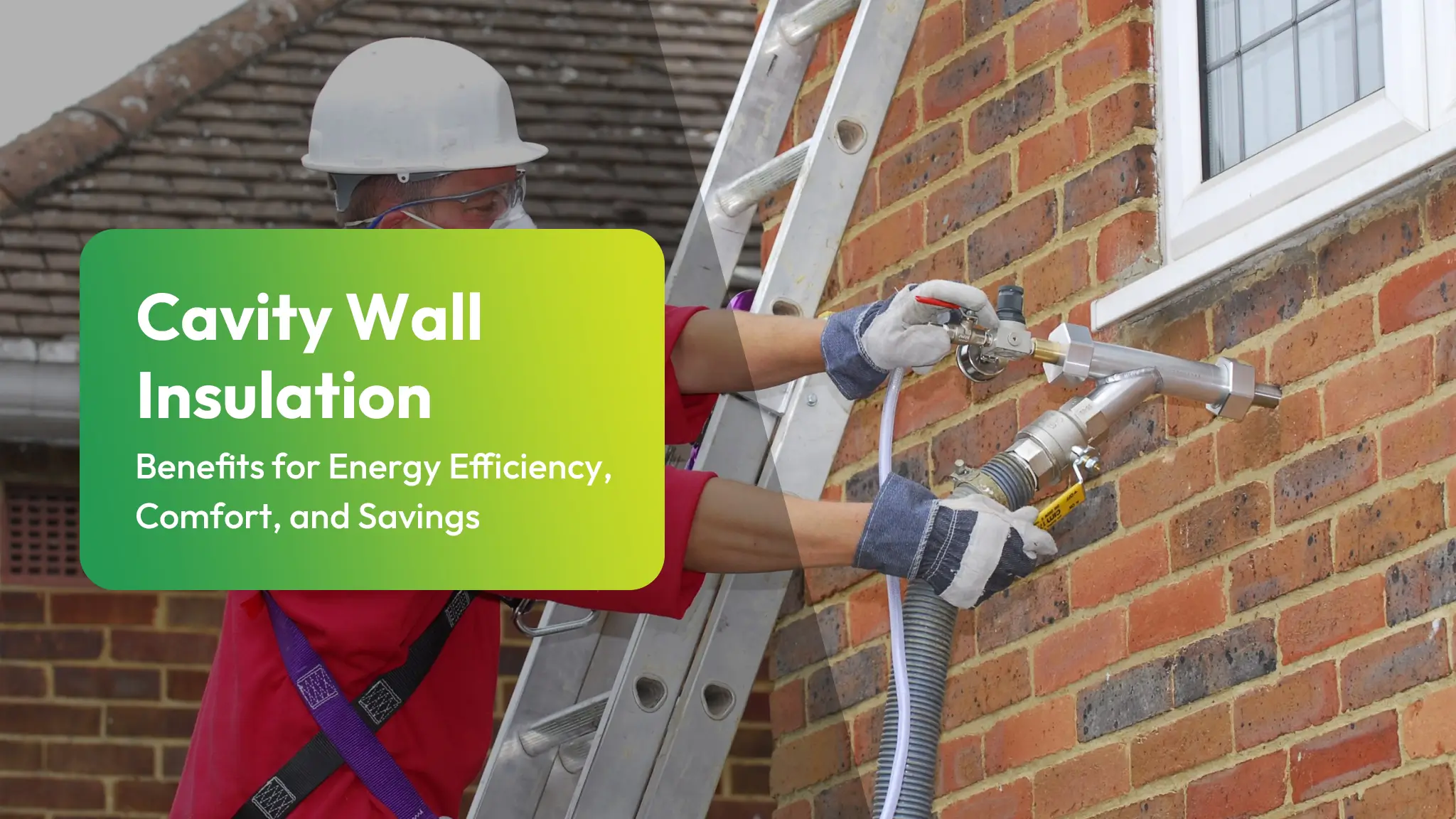
Cavity wall insulation presents a practical solution for homeowners seeking improved energy efficiency. Minimising heat loss creates a more stable indoor climate. This not only amplifies comfort but can also lead to significant cost savings on energy bills. The backing of cavity wall insulation may also increase property value. However, understanding the full scope of its benefits requires a closer examination of its impact on various aspects of homeownership.
Key Takeaways
- Cavity wall insulation reduces heat loss, improving energy efficiency and maintaining stable indoor temperatures for greater comfort.
- It lowers energy bills by reducing reliance on heating, leading to long-term financial savings and increased property value.
- The insulation minimises drafts and condensation, enhancing indoor air quality and preventing mould growth, contributing to overall home comfort.
- By decreasing energy consumption, cavity wall insulation reduces greenhouse gas emissions and reliance on fossil fuels, promoting environmental sustainability.
- Government incentives and rebates can offset initial installation costs, making cavity wall insulation a financially advantageous choice for homeowners.
Table of Contents
How Cavity Wall Insulation Benefits Homeowners by Reducing Heat Loss
Cavity wall insulation significantly benefits homeowners by reducing heat loss, thereby improving energy efficiency. By filling gaps in walls, this insulation creates a barrier against cold air infiltration, ensuring warmth remains inside during the winter months.
Homeowners experience a more stable indoor temperature, allowing for greater comfort without relying heavily on heating systems. This upgrade not only promotes a cosy living environment but also promotes a sense of freedom from the burdens of fluctuating energy costs.
Moreover, Cavity Wall Insulation Benefits include reducing a carbon footprint and aligning with a growing desire for sustainable living. As temperatures become more manageable, homeowners can enjoy the peace of mind that comes with knowing their energy consumption is minimised.
In this way, cavity wall insulation empowers individuals, enabling them to take control of their living spaces while embracing a more energy-efficient lifestyle.
The Long-Term Financial Savings Linked to Cavity Wall Insulation Benefits
Investing in cavity wall insulation benefits can lead to significant long-term financial savings for homeowners. By reducing energy consumption, insulated homes require less heating in winter and cooling in summer, resulting in lower utility bills. Over time, these savings can accumulate, often offsetting the initial installation costs within a few years.
Additionally, cavity wall insulation can increase property value, making homes more attractive to potential buyers. As energy prices continue to rise, the financial advantages of insulation become increasingly pronounced, providing homeowners with greater financial freedom and security.
Furthermore, many government incentives and rebates may be available, further bolstering savings. With the dual benefits of reduced energy costs and increased home value, cavity wall insulation is a wise investment for those seeking long-term savings and greater comfort in their living spaces.
Ultimately, it empowers homeowners to take control of their energy expenses and create a more sustainable future.
Why Energy Efficiency Improves Dramatically with Cavity Wall Insulation
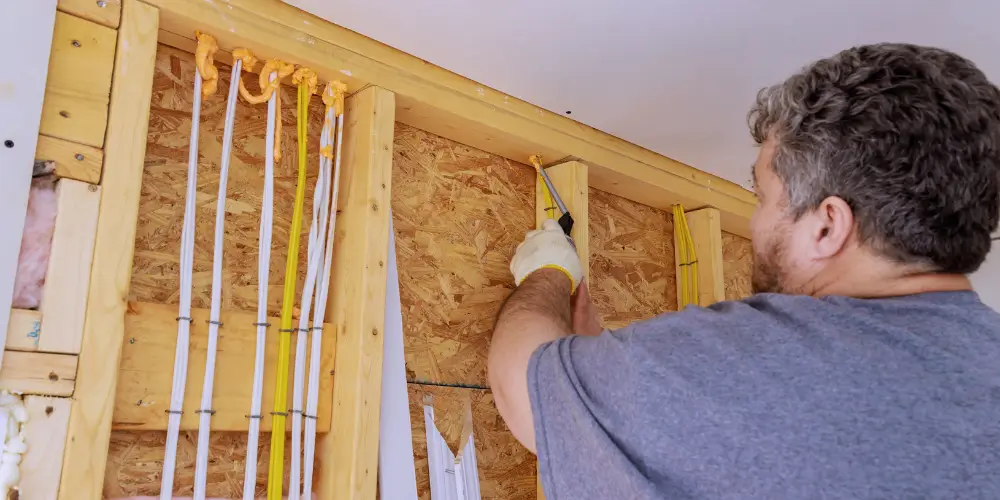
Increased energy efficiency is a direct benefit of installing cavity wall insulation. This type of insulation creates a barrier against heat loss, allowing homeowners to maintain a comfortable indoor climate. With reduced energy consumption, the reliance on heating and cooling systems diminishes, leading to substantial savings on energy bills.
| Aspect | Impact |
| Heat Retention | Improved warmth retention |
| Energy Consumption | Lower usage of energy |
| Comfort Levels | Magnify /indoor comfort |
Cavity wall insulation not only increases comfort but also empowers homeowners to better control their energy use. By minimising drafts and stabilising temperatures, individuals can enjoy a more liberating living space. The result is an environment where energy efficiency flourishes, freeing homeowners from high costs and contributing to a more sustainable lifestyle.
Environmental Advantages That Make Cavity Wall Insulation a Smart Choice
While many homeowners focus on personal benefits, the environmental advantages of cavity wall insulation are equally compelling. This insulation method significantly reduces energy consumption, thereby lowering greenhouse gas emissions.
By minimising the need for heating and cooling, cavity wall insulation reduces reliance on fossil fuels, promoting a more sustainable future. Additionally, it helps conserve natural resources, as lower energy use reduces the extraction and processing of fuels.
This insulation also extends building longevity, reducing the need for repairs and replacements and thereby lessening landfill waste. Moreover, the materials used in cavity wall insulation are often recycled, further reducing environmental impact.
Cavity Wall Insulation Benefits for Warmer Homes and Year-Round Comfort
Cavity wall insulation offers significant benefits for creating warmer homes and ensuring year-round comfort, as it effectively minimises heat loss during colder months. By filling the gap between walls, this insulation acts as a barrier, preventing cold air from infiltrating and warm air from escaping.
As a result, homes maintain a more stable indoor temperature, providing a cosy environment regardless of external weather conditions.
Moreover, cavity wall insulation supplements comfort by reducing drafts and cold spots, making living spaces more enjoyable. Homeowners can experience a marked improvement in overall warmth, allowing them to enjoy the freedom of a comfortable home without the constant need for additional heating.
With reduced reliance on heating systems, residents can enjoy both comfort and cost savings. Ultimately, cavity wall insulation not only promotes a more inviting atmosphere but also empowers individuals to create a sanctuary that aligns with their desire for a warm, welcoming home.
How Proper Wall Insulation Helps Lower Carbon Emissions in UK Properties
Proper wall insulation plays a pivotal role in reducing carbon emissions from UK properties, clearly demonstrating key Cavity Wall Insulation Benefits by significantly improving energy efficiency. By minimising heat loss, well-insulated walls decrease the need for heating systems to work overtime, leading to lower fossil fuel consumption. This reduction in energy demand directly correlates with lower carbon emissions, contributing to a more sustainable environment.
Moreover, building up wall insulation supports the UK’s commitment to combat climate change by aligning with national targets to reduce greenhouse gas emissions. For homeowners, this means not only a smaller carbon footprint but also the possibility of lower energy bills, allowing individuals to enjoy the freedom of more financial resources.
As the push towards greener living continues, proper wall insulation emerges as an essential strategy for achieving both personal comfort and broader environmental goals. By choosing to insulate, property owners can take an active role in promoting a healthier planet for future generations.
The Impact of Cavity Wall Insulation on Property Value and Market Appeal
Investing in cavity wall insulation not only boosts energy efficiency but also highlights essential Cavity Wall Insulation Benefits that positively influence property value and market appeal.
Homebuyers today are increasingly discerning, prioritising energy-efficient features that promise lower utility bills and a reduced carbon footprint. Properties equipped with cavity wall insulation often stand out in competitive markets, attracting environmentally conscious buyers willing to invest in sustainable living.
Moreover, these homes typically sell more quickly and at higher prices, as buyers recognise the long-term financial benefits. The insulation contributes to a more comfortable living environment, enhancing overall satisfaction and quality of life.
As energy prices fluctuate and environmental awareness grows, properties with cavity wall insulation become increasingly desirable.
Cavity Wall Insulation Benefits for Preventing Damp and Condensation Issues
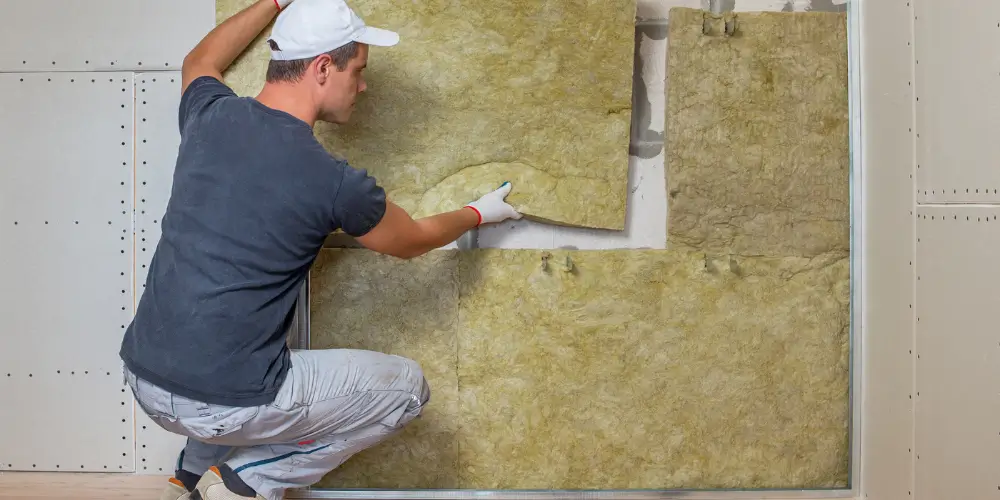
When homeowners seek to improve their living conditions, one significant benefit of Cavity Wall Insulation is its role in preventing damp and condensation. By creating a thermal barrier, cavity wall insulation helps maintain consistent indoor temperatures, reducing the likelihood of cold spots where moisture can accumulate. This insulation minimises the risk of condensation on walls, which can lead to unsightly mould growth and structural damage.
Moreover, effective cavity wall insulation improves airflow within the home, further reducing damp conditions. As moisture is a common concern for many homeowners, addressing it can improve overall comfort and health.
With reduced dampness, residents experience improved air quality, leading to a more pleasant living environment. Ultimately, cavity wall insulation not only safeguards the property but also enables the freedom to enjoy a healthier, more comfortable home without the pervasive worries of damp and condensation.
Why Modern Homes Rely on Cavity Wall Insulation for Sustainable Living
Cavity Wall Insulation Benefits are increasingly recognised as a key component in the pursuit of sustainable living for modern homes. This innovative solution raises energy efficiency by reducing heat loss, allowing homeowners to maintain comfortable living spaces with less reliance on heating systems.
By creating a thermal barrier, cavity wall insulation empowers individuals to embrace a lifestyle that prioritises environmental responsibility, ultimately contributing to lower carbon footprints.
Moreover, modern homes equipped with cavity wall insulation benefit from reduced energy bills, granting homeowners greater financial freedom. This cost-effective method aligns with the growing desire for self-sufficiency, enabling residents to allocate resources toward other meaningful pursuits.
As society shifts toward sustainability, cavity wall insulation stands out as an essential feature, offering immediate comfort and long-term benefits. Embracing this technology reflects a commitment to a greener future, ensuring that modern living can harmonise with the natural world.
Are the Benefits of Cavity Wall Insulation Worth the Investment? A Practical Breakdown
How can homeowners determine if the benefits of cavity wall insulation justify the speculation? Evaluating the return on investment in home improvements is key to making informed decisions.
Homeowners should consider the following factors:
- Energy Savings: Reduced energy bills can offset installation costs, providing ongoing financial relief and promoting independence from fluctuating energy prices.
- Intensify Comfort: Improved thermal regulation creates a more comfortable living environment, enabling homeowners to enjoy their space without excessive heating or cooling.
- Increased Property Value: Homes equipped with cavity wall insulation often see an increase in market value, making it a wise speculation for future resale.
Frequently Asked Questions
How Does Cavity Wall Insulation Affect Indoor Air Quality?
Cavity wall insulation can improve indoor air quality by reducing drafts and moisture infiltration, helping prevent mould growth and allergen exposure. Improved thermal comfort often leads to healthier living environments, promoting overall well-being for occupants.
Can I Install Cavity Wall Insulation Myself?
Installing cavity wall insulation independently is possible for those with adequate skills and knowledge. However, it requires careful consideration of materials, techniques, and safety. Professional installation often ensures better results and adherence to building regulations.
What Types of Materials Are Used for Cavity Wall Insulation?
Common cavity wall insulation materials include mineral wool, polystyrene beads, polyurethane foam, and cellulose. Each material offers unique properties, providing varying levels of thermal performance, moisture resistance, and environmental impact for diverse insulation needs.
How Long Does Cavity Wall Insulation Typically Last?
Cavity wall insulation generally lasts between 25 and 40 years, depending on material quality and installation. Proper maintenance and protection from moisture can increase longevity, ensuring sustained performance and comfort within the living space.
Are There Any Government Grants for Cavity Wall Insulation?
Various government grants are available for cavity wall insulation to reduce energy costs and promote environmental sustainability. These grants can significantly aid homeowners seeking financial assistance to improve their property’s insulation and overall efficiency.
Conclusion
Cavity Wall Insulation Benefits are clearly demonstrated, as it offers homeowners a multitude of benefits, from improving energy efficiency and comfort to significant long-term financial savings. By effectively reducing heat loss and preventing damp issues, it not only promotes a stable indoor environment but also contributes to increased property value. As sustainable living becomes increasingly important, the advantages of cavity wall insulation solidify its status as a smart backing, ensuring both immediate comfort and lasting economic and environmental benefits.






Charlotte