
Types of Loft Insulation: A Homeowner’s Guide to Smarter Insulation Choices
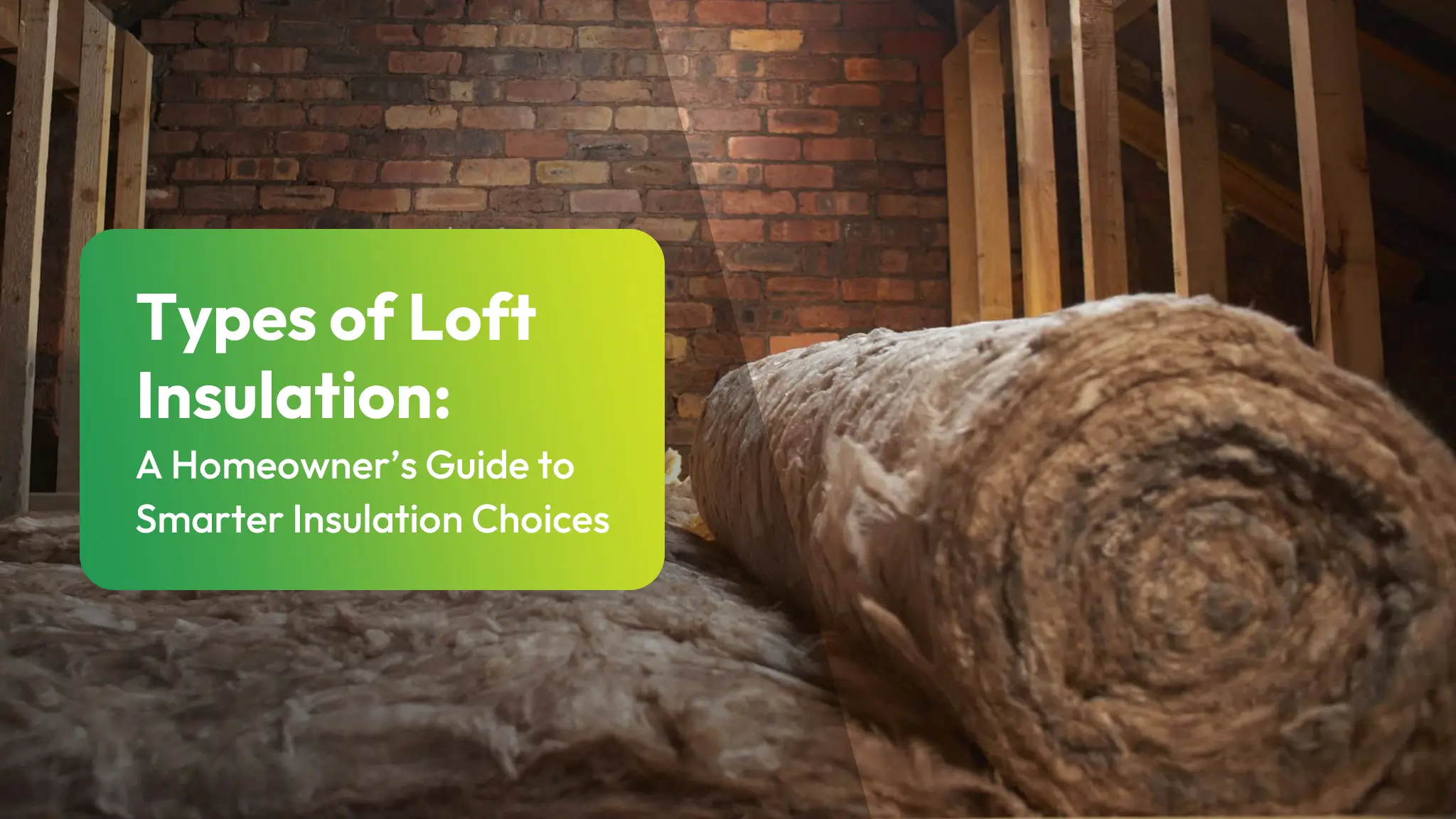
Choosing the correct loft insulation is essential for enhancing home comfort and energy efficiency. Homeowners face a variety of options, each with distinct advantages and disadvantages. From traditional fibreglass batts to eco-friendly cellulose, understanding these choices can lead to better decisions. However, factors such as installation methods and specific loft conditions also play a significant role. What considerations should be prioritised to guarantee top performance and cost savings?
Key Takeaways
- Understand the different types of loft insulation, including fibreglass, spray foam, and cellulose, to increase thermal performance and energy efficiency.
- Evaluate the pros and cons of each insulation type to determine the best fit for your home’s needs and budget.
- Consider climate and space constraints when selecting insulation, ensuring it effectively meets your heating and cooling requirements.
- Weigh the benefits of DIY installation against professional help to ensure proper application and adherence to safety standards.
- Factor in long-term savings, environmental impact, and comfort when choosing insulation for your home.
Table of Contents
Types of Loft Insulation Explained: Choosing the Best Option for Your Home
When selecting loft insulation, homeowners must consider various types and their specific benefits. Each option offers unique advantages, allowing individuals to tailor their insulation choice to their particular needs and preferences.
For those prioritising sustainability, natural materials like sheep’s wool or cellulose provide an eco-friendly mixture, contributing to a greener home. In contrast, synthetic options such as fibreglass and foam boards deliver excellent thermal performance and can be easier to install.
Homeowners seeking cost-free may lean toward mineral wool, known for its fire resistance and soundproofing. Additionally, some options come with reflective barriers to enhance energy efficiency, making them ideal for warmer climates.
Ultimately, the decision hinges on factors such as budget, environmental impact, and specific climate needs, empowering homeowners to take control of their comfort and energy use. With careful consideration, they can choose the insulation that best aligns with their values and lifestyle.
Understanding the Different Types of Loft Insulation and How They Work
Loft insulation comes in various types, each designed to amplify thermal performance and energy efficiency within a home. Understanding these options empowers homeowners to make informed decisions that align with their values and needs.
The following table outlines key types of loft insulation and their core characteristics:
| Type of Insulation | Key Feature |
| Blanket (Fibreglass) | Lightweight, easy to install |
| Rigid Board | High thermal resistance |
| Spray Foam | Excellent air sealing |
| Loose Fill | Flexible coverage |
Each type serves a unique purpose, with varying installation methods and performance levels. The choice of insulation can considerably affect comfort, energy bills, and environmental impact. Homeowners are encouraged to evaluate these options, seeking a mix that reflects their desire for autonomy and sustainability in their living spaces.
Types of Loft Insulation Compared: Pros, Cons, and Best Uses
While various types of loft insulation offer distinct advantages, understanding their pros and cons is essential for homeowners seeking the most suitable option for their needs.
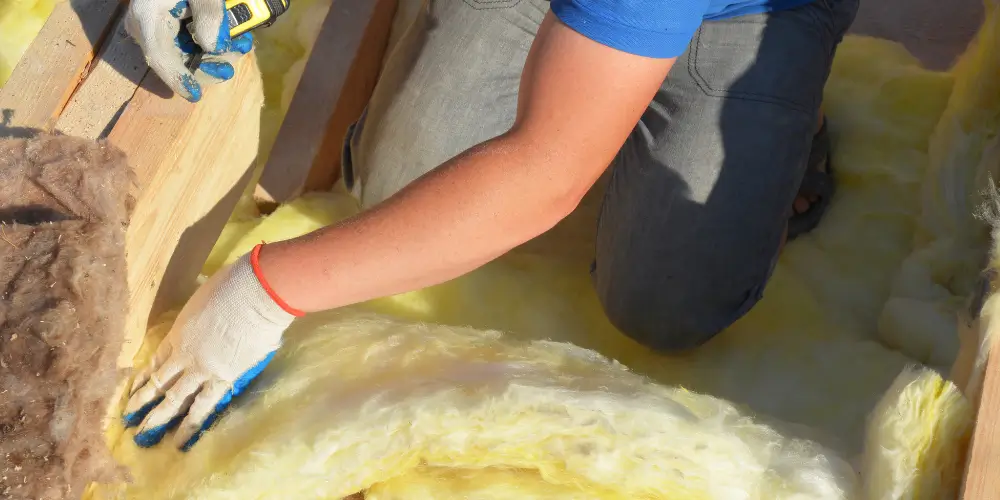
Fibreglass batts are popular for their affordability and ease of installation, but may require protective gear due to airborne particles.
Spray foam insulation provides excellent air sealing and thermal performance, but can be costly and requires professional application.
Mineral wool, known for its fire resistance and soundproofing properties, is eco-friendly but heavier and more complicated to install.
Reflective insulation is effective in hot climates by reflecting radiant heat, but may not be the best choice for colder environments.
Cellulose insulation, made from recycled materials, offers good thermal performance and is biodegradable, but can settle over time, reducing effectiveness.
Each type has its best uses, depending on budget, climate, and specific homeowner needs, allowing for greater freedom in choosing the right insulation solution.
Which Types of Loft Insulation Offer the Highest Energy Efficiency?
How do different types of loft insulation stack up regarding energy efficiency?
When it comes to energy efficiency, rigid foam boards and spray foam insulation lead the pack. Rigid foam boards boast high R-values, effectively minimising heat transfer, while spray foam expands to fill gaps, providing an airtight seal that boosts overall performance. Fibreglass batts and rolls are also popular, offering decent insulation but may require careful installation to prevent thermal bridging.
Mineral wool, known for its fire resistance, provides solid energy efficiency but typically falls short of foam options.
Reflective or radiant barriers can be effective in warmer climates, reflecting heat away from the living space.
Ultimately, homeowners seeking maximum energy efficiency should evaluate their specific needs, taking into account factors such as climate, building structure, and budget.
Traditional vs Modern Types of Loft Insulation: What Homeowners Should Know
What should homeowners consider when choosing between traditional and modern types of loft insulation? The decision impacts comfort, energy efficiency, and cost. Traditional insulation methods, such as fibreglass or mineral wool, have been popular for decades and offer reliable thermal performance. In contrast, modern options, such as spray foam or reflective insulation, promise higher efficiency and easier installation.
| Type of Insulation | Pros | Cons |
| Traditional (Fibreglass) | Cost-effective, widely available | Can irritate skin, requires careful installation |
| Traditional (Mineral Wool) | Fire-resistant, soundproofing | Heavier, requires support structures |
| Modern (Spray Foam) | Excellent air sealing, high R-value | Higher cost, professional installation needed |
| Modern (Reflective) | Reduces heat gain, lightweight | Less effective in colder climates, may require maintenance |
| Hybrid Solutions | Combines the best features, tailored options | Complexity in installation, likely to incur higher costs |
Homeowners should weigh these factors to make informed choices.
Eco-Friendly Types of Loft Insulation That Reduce Heat Loss and Bills
Eco-friendly loft insulation options are gaining popularity among UK homeowners seeking to intensify energy efficiency while minimising environmental impact. These materials not only reduce heat loss but also contribute to lower energy bills, aligning with the values of sustainability and freedom from excessive spending.
| Insulation Type | Benefits |
| Sheep’s Wool | Natural, breathable, and effective thermal regulation. |
| Cotton (Denim) | Recycled material, non-toxic, and excellent moisture control. |
| Cellulose | Made from recycled paper, offers excellent thermal performance and is pest-resistant. |
| Hemp | Renewable, biodegradable, and provides good insulation properties. |
| Wood Fiber | Sustainable source, excellent moisture management, and easy to install. |
Best Types of Loft Insulation for Cold, Damp, or Hard-to-Access Lofts
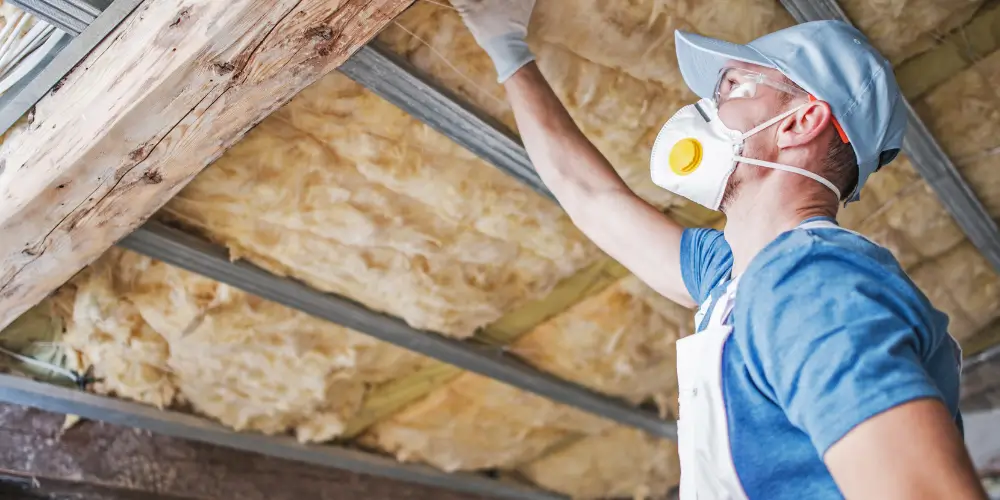
When considering insulation for cold, damp, or hard-to-access lofts, selecting the right materials becomes essential for maintaining a comfortable living environment. Homeowners seeking freedom from discomfort should consider insulation options that effectively combat moisture and cold.
- Closed-cell spray foam: This moisture-resistant option provides an airtight seal, preventing dampness and cold air from seeping in.
- Rigid foam boards: Ideal for hard-to-reach areas, these boards offer excellent thermal resistance while being lightweight and easy to install.
- Mineral wool: Naturally resistant to water and fire, it’s perfect for cold lofts, providing breathability without sacrificing warmth.
These insulation types empower homeowners by ensuring their loft remains cosy and inviting, regardless of the external climate.
Types of Loft Insulation Installation Methods: DIY or Professional?
Choosing the appropriate insulation material for lofts leads to the next consideration: the method of installation. Homeowners face a choice between DIY methods and hiring professionals, each with its own set of advantages.
DIY installation offers a sense of independence, allowing individuals to take control of their home improvement projects and probably save on labour costs. This option is appealing for those who are handy and seek the satisfaction of completing a task themselves.
On the other hand, professional installation guarantees expertise and efficiency, minimising the risk of errors that could compromise insulation effectiveness. Professionals are equipped with the necessary tools and experience to navigate complicated loft spaces safely.
Ultimately, the decision hinges on personal preference, skill level, and a desire for either autonomy or assurance, reflecting a homeowner’s unique approach to managing their living environment.
How to Choose the Right Types of Loft Insulation for Long-Term Savings
How can homeowners guarantee they select the right type of loft insulation for long-term savings? By considering key factors that align with their needs and values.
Homeowners should assess insulation materials that not only provide energy efficiency but also improve comfort and freedom in their living space.
To make an informed decision, they should contemplate the following:
- Material durability: Opting for long-lasting materials reduces future replacement costs.
- Energy savings: Choosing insulation that maximises energy efficiency can lead to lower utility bills.
- Environmental impact: Selecting eco-friendly options can contribute to a sustainable lifestyle.
Frequently Asked Questions
How Often Should Loft Insulation Be Replaced or Topped Up?
Loft insulation should typically be replaced or topped up every 10 to 15 years, depending on its condition. Regular inspections ensure peak performance, enhance energy efficiency, and contribute to a comfortable living environment for homeowners.
Can I Install Loft Insulation Over Existing Insulation?
Yes, loft insulation can be installed over existing insulation, provided it’s in good condition. This way upgrades thermal performance, allowing homeowners to enjoy improved energy efficiency without the hassle of removing old materials.
What Are the Signs of Inadequate Loft Insulation?
Signs of inadequate loft insulation include fluctuating indoor temperatures, higher energy bills, visible drafts, and condensation on windows. Additionally, ice dams may form on roofs during winter, indicating insufficient thermal insulation in the attic.
Are There Any Grants Available for Loft Insulation Installation?
Various grants may be available for loft insulation installation, often aimed at improving energy efficiency. Homeowners should explore local government programs or energy companies, which frequently offer financial assistance to encourage better insulation practices.
How Does Loft Insulation Affect Home Insurance Premiums?
Loft insulation can help lower home insurance premiums by enhancing energy efficiency and reducing risks of damage from temperature fluctuations. Insurers may view well-insulated homes as less susceptible to claims, leading to possible savings for homeowners.
Conclusion
In summary, selecting the correct type of loft insulation is essential for enhancing home comfort, reducing energy costs, and achieving sustainability goals. With various options available, including fibreglass, spray foam, cellulose, and rigid foam boards, homeowners must weigh the pros and cons of each to find the best fit for their specific needs. By considering factors such as energy efficiency, installation methods, and environmental impact, homeowners can make informed decisions that benefit both their homes and the planet.






Charlotte