
Roof Insulation UK Explained, Materials, Legal Standards, Performance, and Long-Term Benefits for Homes
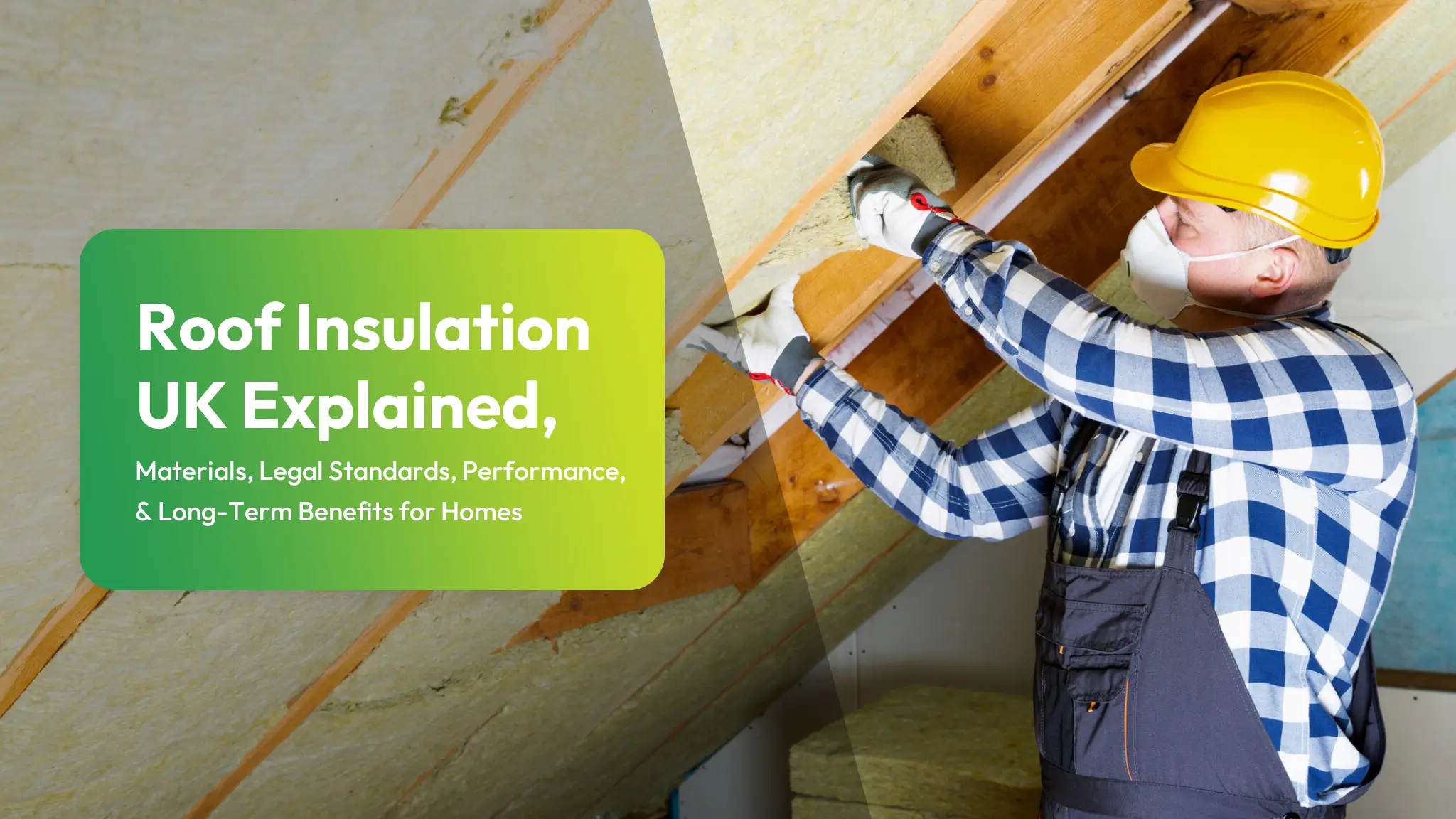
Roof insulation UK is a key aspect of the housing market, influencing energy efficiency and overall comfort. Various materials, both natural and synthetic, are available to meet diverse needs. Additionally, adherence to legal standards, such as Part L of the Building Regulations, is essential for compliance and peak performance. Understanding these elements can lead to significant long-term benefits for homeowners. What factors truly contribute to the effectiveness and value of roof insulation?
Key Takeaways
- Roof insulation increases energy efficiency, reduces heating costs, supports environmental sustainability, and improves a home’s resale value.
- Types of roof insulation include loft-based and rafter-based, each offering varying thermal efficiency and space utilisation.
- Common insulation materials are natural (e.g., sheep’s wool, cellulose) and synthetic (e.g., fibreglass, polystyrene), with choices depending on values and budget.
- UK Building Regulations, particularly Part L, set minimum insulation standards that influence energy conservation, safety, and property values.
- Long-term maintenance is key, as ageing insulation can compromise performance and increase energy costs, highlighting the need for regular assessments.
Table of Contents
Why Roof Insulation Matters in the UK Housing Market
Although many homeowners may overlook it, Roof insulation UK plays an essential role in the housing market by enhancing energy efficiency and reducing heating costs. Proper insulation allows homeowners to enjoy a comfortable living environment while minimising reliance on energy sources, ultimately granting them greater financial freedom.
With rising energy prices, the importance of effective roof insulation becomes even more pronounced, allowing individuals to invest their hard-earned money elsewhere.
Moreover, well-insulated homes contribute to environmental sustainability by reducing carbon footprints. As the UK aims to meet ambitious climate targets, homeowners who prioritise insulation not only save money but also make a positive impact on the planet.
In an era where choices define lifestyles, investing in roof insulation empowers homeowners to embrace a more self-sufficient lifestyle, ensuring their homes remain warm and welcoming without sacrificing personal freedom or financial stability.
Loft-Based vs Rafter-Based Roof Insulation in UK Homes
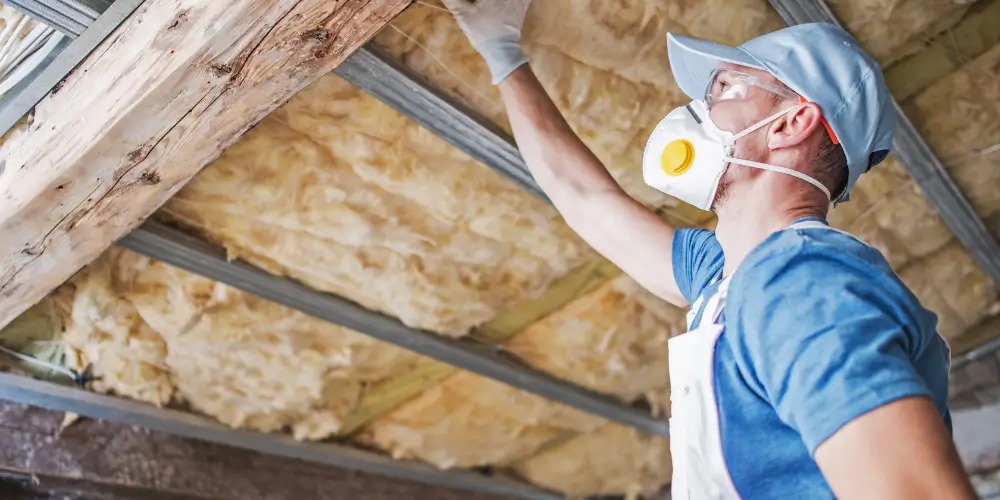
When considering Roof insulation UK options for homes, homeowners often face a choice between loft- and rafter-based insulation systems. Loft-based insulation, often laid between the joists, provides a straightforward method to improve thermal efficiency while allowing the loft space to be used for storage. In contrast, rafter-based insulation is applied between the rafters, maintaining the roofline’s aesthetics and creating a more usable space.
| Aspect | Loft-Based Insulation | Rafter-Based Insulation |
| Thermal Efficiency | Good | Excellent |
| Space Utilization | Limited | Optimized |
| Installation Ease | Generally easier | More complex |
| Aesthetic Appeal | Less visually appealing | Maintains roofline integrity |
Ultimately, the choice between the two can significantly affect comfort, energy efficiency, and the overall living experience, empowering homeowners to make informed decisions that increase their freedom.
Natural and Synthetic Materials Used for Roof Insulation in the UK
Selecting the right insulation material is a significant factor in achieving optimal thermal performance in UK home roofs. Homeowners often consider both natural and synthetic materials based on their unique properties and environmental impact.
Natural options, such as sheep’s wool, cellulose, and hemp, are favoured for their biodegradability and low carbon footprints. These materials provide excellent thermal performance, helping to maintain a comfortable temperature while reducing reliance on fossil fuels.
Conversely, synthetic materials like fibreglass, polystyrene, and polyurethane are popular for their durability and efficiency. They typically offer higher R-values, meaning better insulation per inch, appealing to those seeking quick and effective solutions.
Ultimately, the choice between natural and synthetic materials hinges on personal values, performance requirements, and financial considerations. This allows homeowners to tailor their insulation strategy to their individual needs.
UK Building Standards That Influence Roof Insulation Decisions
UK building standards play an essential role in shaping decisions regarding roof insulation. These regulations guarantee that insulation materials and installation methods meet specific performance criteria, enhancing energy efficiency and occupant comfort.
The Building Regulations, particularly Part L, set minimum requirements for Roof insulation UK that must be met, guiding homeowners and builders in selecting appropriate materials. Compliance with these standards not only encourages energy conservation but also promotes safety and sustainability in the built environment.
Additionally, adherence to standards can influence insurance premiums and property values, underscoring the importance of informed choices. Moreover, local planning authorities may impose additional guidelines that reflect regional climate conditions, further affecting insulation strategies.
How Seasonal Weather Patterns in the UK Affect Roof Insulation Performance
Seasonal weather patterns greatly influence the performance of Roof Insulation UK. During winter, the cold temperatures can challenge insulation materials, demanding higher thermal resistance to prevent heat loss.
Conversely, summer brings warmer temperatures that can lead to overheating if insulation is not designed to manage heat flow effectively. The cyclical nature of rain and humidity also plays a role; prolonged exposure to moisture can compromise insulation integrity, possibly leading to mould or deterioration.
In spring and autumn, fluctuating temperatures can place additional demands on insulation systems, as homes need to adapt to varying conditions. Properly installed insulation can help maintain a comfortable indoor environment, reducing reliance on heating and cooling systems.
Ultimately, understanding these seasonal dynamics allows homeowners to make informed choices, ensuring their roof insulation performs effectively year-round and enhancing comfort and efficiency in their living spaces.
Structural Risks Linked to Inadequate Roof Insulation
Inadequate roof insulation can pose significant structural risks to a building. Without proper insulation, temperature fluctuations can lead to condensation buildup, which may weaken structural components over time. This moisture can encourage mould growth, compromising air quality and the integrity of building materials.
Additionally, a poorly insulated roof may cause excessive heat loss, placing extra strain on heating systems and ultimately leading to structural fatigue and higher energy costs.
Moreover, snow accumulation can become problematic; without adequate insulation, roofs may not shed snow effectively, increasing the risk of collapse under its weight. The financial implications of repairs from such structural damage can be overwhelming.
Homeowners who prioritise proper insulation not only safeguard their property but also promote a healthier living environment. As a result, investing in high-quality roof insulation is an effective measure to prevent these risks and maintain a home’s structural integrity in the long term.
How Roof Insulation Is Evaluated During Property Inspections
During property inspections, professionals meticulously evaluate roof insulation and other factors that influence a building’s energy efficiency and structural integrity.
This evaluation is essential for ensuring that homes remain comfortable and cost-effective.
Key aspects considered include:
- Insulation Material: The type and quality of insulation used, such as fibreglass, foam, or cellulose.
- Thickness and Coverage: Ensuring the insulation meets recommended thickness standards for peak performance.
- Air Leakage: Identifying gaps or cracks that could compromise insulation effectiveness.
- Moisture Levels: Checking for signs of dampness that can lead to mould, reducing insulation efficiency.
- Ventilation: Evaluating the ventilation systems to prevent heat buildup and maintain air quality.
Space and Access Limitations in UK Roof Insulation Projects
Space and access limitations can considerably impact UK roof insulation projects, often posing challenges that affect installation efficiency and effectiveness. Many homes feature low ceilings, narrow access points, and awkward roof shapes that hinder the proper installation of insulation materials.
| Challenge | Impact on Installation | Possible Solutions |
| Limited Headroom | Difficulty accessing certain areas | Use of flexible insulation types |
| Narrow Access Points | Hindered material transport | Employ smaller equipment |
| Complex Roof Shapes | Complicated installation process | Custom-cut insulation solutions |
| Existing Structures | Interference with insulation placement | Professional assessment required |
These obstacles can lead to increased labour costs and extended project timelines. Seeking expert advice and innovative solutions enables homeowners to overcome these hurdles, ensuring ideal Roof insulation UK and energy efficiency while maintaining the freedom to modify their living spaces.
How Roof Insulation Ages Over Time in UK Properties
How does roof insulation age over time in UK properties, and what effects does this have on energy efficiency?
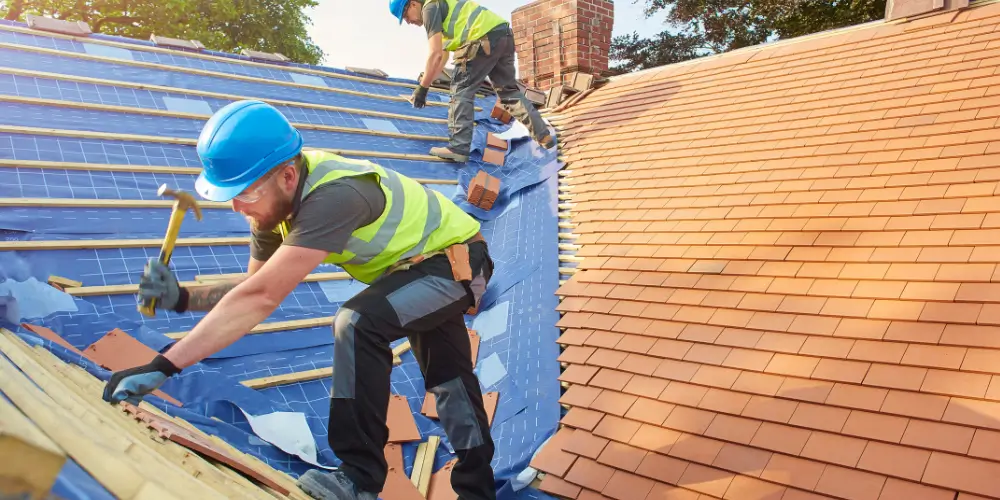
Over the years, roof insulation in UK homes can deteriorate due to various factors, impacting its effectiveness. This ageing process can lead to increased energy costs and reduced comfort levels within the property.
Key aspects of ageing roof insulation include:
- Moisture Intrusion: Water leaks can compromise insulation material.
- Compression: Over time, insulation may compress, reducing its thermal resistance.
- Pest Damage: Animals can nest in insulation, further degrading it.
- Heat Cycles: Seasonal temperature fluctuations may cause materials to expand and contract.
- Dust Accumulation: Dust can settle in insulation, diminishing its performance.
Understanding these factors is essential for homeowners seeking to maintain energy efficiency and comfort, enabling them to make informed decisions about insulation maintenance or replacement.
The Role of Roof Insulation UK Homes Play in Energy Ratings and Resale Value
Although roof insulation may often be overlooked, Roof insulation UK plays an essential role in determining a home’s energy efficiency rating and overall resale value in the property market. Effective insulation not only reduces energy bills but also increases comfort, making properties more attractive to latent buyers. Homes with higher energy ratings often command better prices, as buyers increasingly prioritise energy efficiency.
| Energy Rating | Possible Resale Value Increase |
| A | +20% |
| B | +15% |
| C | +10% |
| D | +5% |
| E | Minimal |
Investing in quality roof insulation can yield long-term financial benefits. It not only elevates the home’s appeal but also aligns with the growing demand for eco-friendly living. As the market shifts towards sustainability, well-insulated properties are poised for greater desirability and higher resale values.
Frequently Asked Questions
How Can I Tell if My Roof Insulation Needs Replacing?
Signs of failing roof insulation include noticeable temperature fluctuations, increased energy bills, visible mould, or dampness. A professional inspection can also determine if insulation has degraded, ensuring ideal comfort and energy efficiency in the home.
What Are the Costs Associated With Installing Roof Insulation?
Costs for installing roof insulation vary widely, typically ranging from £1,500 to £3,000 depending on materials and complexity. Homeowners should consider long-term savings on energy bills when evaluating the overall investment for ideal comfort.
Are There Government Grants Available for Roof Insulation Installation?
Yes, various government grants and schemes are available for roof insulation installation. These financial aids aim to support homeowners seeking energy-efficiency improvements, ultimately encouraging environmental sustainability, reducing energy costs, and promoting individual autonomy.
How Does Roof Insulation Affect Home Insurance Premiums?
Roof insulation can lead to reduced home insurance premiums. Insurers often recognise improved energy efficiency and reduced risk of damage, possibly resulting in lower homeowners’ insurance costs for those who invest in proper insulation solutions for their properties.
Can I Install Roof Insulation Myself, or Should I Hire a Professional?
Installing roof insulation independently is possible for the skilled and knowledgeable, yet hiring a professional guarantees compliance with safety standards and peak performance. Weighing personal capability against possible risks is essential for informed decision-making.
Conclusion
In conclusion, effective Roof insulation UK is essential for homeowners, not only enhancing energy efficiency and comfort but also contributing to property value and sustainability. With a variety of materials available and adherence to legal standards, homeowners can make informed decisions that align with their needs. As seasonal weather patterns influence performance, understanding the nuances of insulation and its long-term benefits can lead to significant financial savings and a reduced carbon footprint, ultimately encouraging a more sustainable future.


Charlotte