
UK Government Announces £15 Billion Warm Homes Plan
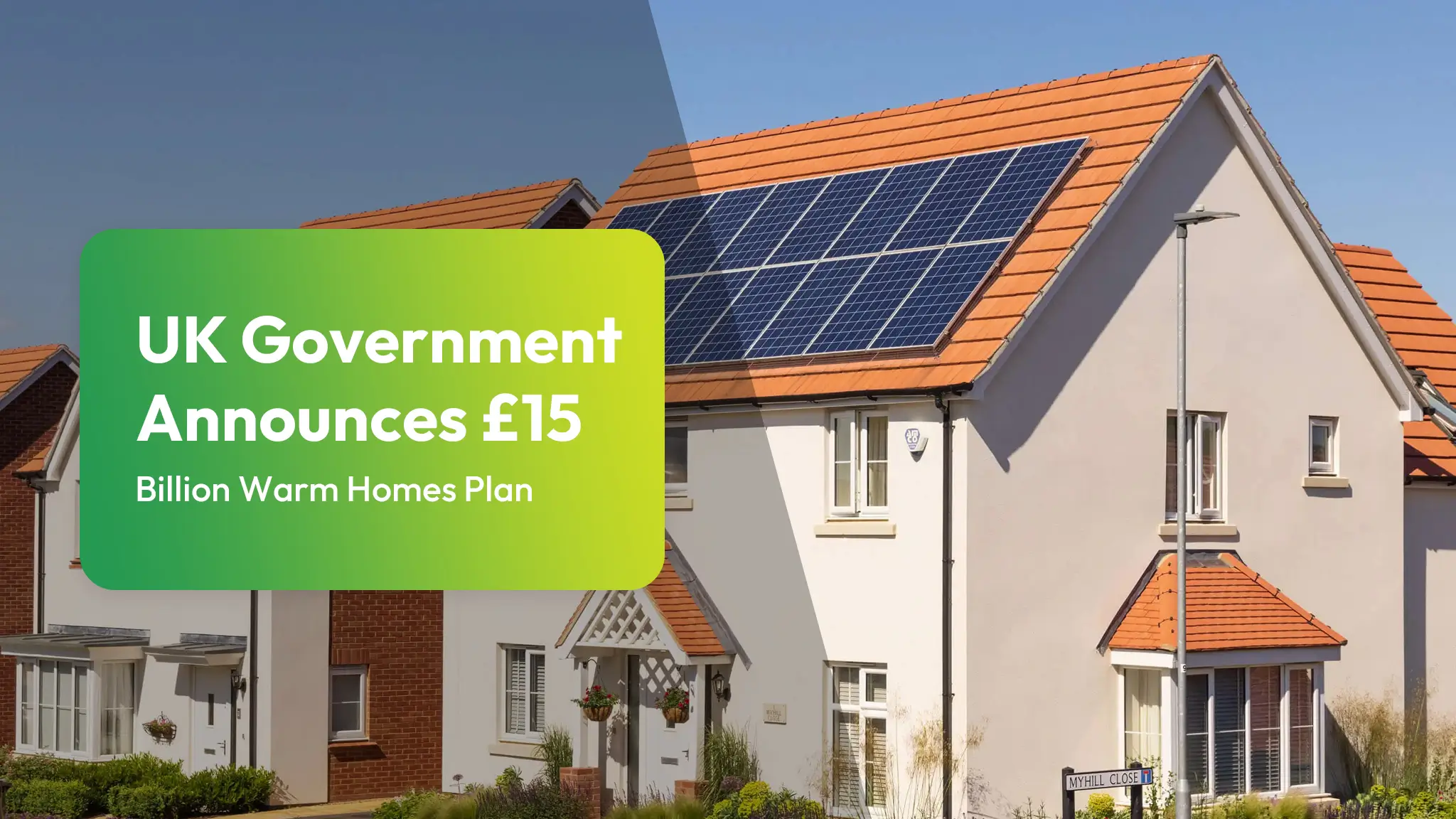
In January 2026, the UK government introduced the £15 billion Warm Homes Plan, a significant effort to improve energy efficiency in residential housing. This initiative targets vulnerable communities to tackle energy poverty and improve living conditions. It raises questions about its potential impact on landlords, homeowners, and overall housing standards. What changes will this plan bring to the land of UK housing and energy consumption? The implications could be far-reaching.
Key Takeaways
- The £15 billion Warm Homes Plan aims to improve energy efficiency in residential housing across the UK, with a focus on vulnerable communities.
- The initiative seeks to reduce energy costs, promote renewable energy sources, address energy poverty, and improve living conditions.
- New legal obligations for landlords will enforce specific energy performance standards to protect tenants’ health and rights regarding heating and insulation.
- The plan allocates funding for insulation and energy-efficient heating systems, encouraging eco-friendly living and job creation in the green construction sector.
- Long-term goals include fostering sustainable living, improving housing quality, and ensuring energy independence for future generations in the UK.
Table of Contents
What is the £15 billion Warm Homes Plan Announced in January 2026?
In January 2026, the UK government unveiled the £15 billion Warm Homes Plan to address the pressing need for energy-efficient housing across the nation. This initiative seeks to enhance residential energy efficiency, ensuring homes are insulated and equipped with modern heating systems. By reducing energy consumption, the plan empowers citizens to better control their energy bills, fostering financial freedom.
The Warm Homes Plan also emphasises the importance of utilising renewable energy sources to promote a sustainable future. With funding allocated to retrofitting existing homes, it encourages the adoption of innovative technologies, allowing homeowners to free themselves from reliance on fossil fuels.
Additionally, this thorough strategy prioritises vulnerable communities, ensuring everyone has access to comfortable, efficient living conditions. By investing in energy-efficient housing, the government aims to create a healthier environment, ultimately enabling individuals to live freely without the burden of excessive energy costs.
Why the UK Government Launched the Warm Homes Plan in 2026
The launch of the Warm Homes Plan in 2026 was driven by both urgent needs and long-term goals. Recognising rising energy costs and the pressing need for energy independence, the UK Government aimed to empower citizens by ensuring access to affordable, efficient heating. This initiative sought to alleviate economic burdens on households, fostering a sense of autonomy through reduced energy expenditures.
Moreover, the plan aligned with the government’s commitment to environmental sustainability, promoting the shift to greener heating solutions. By investing in home insulation and renewable energy sources, the initiative intended to enhance energy efficiency while reducing carbon footprints.
Ultimately, the Warm Homes Plan represented a strategic move towards creating resilient communities, where individuals could thrive in well-heated, sustainable environments. Through this program, the government not only addressed immediate challenges but also championed a vision of freedom from energy poverty for all citizens.
How Cold Homes Put Health and Safety at Risk Across the UK
Although many may underestimate the impact of cold homes, they pose significant health and safety risks across the UK. Living in inadequately heated environments can lead to severe health complications, including respiratory issues, cardiovascular diseases, and mental health challenges. Vulnerable populations, such as the elderly and children, are particularly at risk.
| Health Risks | Safety Risks | Affected Demographics |
| Respiratory Issues | Increased accidents | Elderly |
| Cardiovascular Diseases | Fire hazards from heaters | Children |
| Hypothermia | Slips and falls | Low-income families |
These factors underscore the urgency of addressing cold homes. By investing in better insulation and heating, the UK government aims to enhance living conditions, thereby safeguarding the well-being of its citizens and promoting a healthier society overall.
Legal Impact of the Warm Homes Plan for Landlords and Property Owners
As the UK Government implements the Warm Homes Plan, landlords and property owners must navigate new legal obligations to improve energy efficiency in rental properties. This initiative mandates that all rental homes meet specific energy performance standards, compelling property owners to make necessary upgrades.
Failure to comply may result in penalties, including fines and restrictions on renting properties that do not meet these standards. Landlords are also required to provide tenants with clear information about energy efficiency measures and available support. This transparency empowers tenants, fostering a sense of agency over their living conditions.
In addition, property owners may face increased liability for health-related issues stemming from inadequate heating or insulation. Ultimately, the Warm Homes Plan seeks to balance tenants’ rights with landlords’ responsibilities, promoting a more equitable housing market while encouraging investment in energy-efficient solutions.
Property owners must adapt to these changes to maintain their freedom to operate within the rental market.
What Energy Efficiency Fixes the Warm Homes Plan Will Fund
Under the Warm Homes Plan, funding is allocated to a range of energy efficiency improvements to enhance the sustainability of rental properties. This initiative focuses on crucial upgrades that can markedly reduce energy consumption and promote eco-friendly living. Such improvements will empower tenants and landlords alike, fostering a sense of environmental responsibility.
| Energy Efficiency Fix | Description |
| Insulation | Enhancing thermal barriers in walls, roofs, and floors. |
| Energy-efficient heating | Installation of modern, low-emission heating systems. |
| Double glazing | Replacing single-pane windows with double-glazed alternatives. |
| Smart meters | Implementing devices for real-time energy consumption tracking. |
These targeted fixes not only promise lower energy bills but also contribute to a collective effort to combat climate change, ultimately granting individuals greater autonomy over their energy use.
Who Is Eligible Under the 2026 Warm Homes Plan Scheme
Who qualifies for assistance under the 2026 Warm Homes Plan Scheme? This initiative is designed to support low-income households, particularly those in vulnerable situations.
Eligibility primarily targets individuals receiving certain benefits, such as Universal Credit, Pension Credit, or Disability Living Allowance. Additionally, families with children under 16 or elderly members may qualify for assistance. Landlords who rent properties to eligible tenants can also participate, ensuring that more residents benefit from energy-efficient improvements.
The scheme aims to empower those struggling with energy costs, enabling them to access essential support without bureaucratic hurdles. By focusing on inclusivity, it intends to foster a sense of community and shared responsibility, ultimately allowing individuals to thrive in warmer, more energy-efficient homes.
The 2026 Warm Homes Plan is a stride toward building a more equitable future for all citizens.
How the Warm Homes Plan Aims to Cut Fuel Poverty
The Warm Homes Plan is a strategic initiative aimed at reducing fuel poverty across the UK by providing targeted support to those most in need. This plan seeks to empower individuals and families by ensuring they have access to affordable heating.
By focusing on low-income households, the initiative provides financial assistance for insulation improvements and energy-efficient upgrades. These measures are designed to lower energy bills and enhance living conditions, fostering a sense of independence and freedom from the burden of excessive heating costs.
Moreover, the plan promotes renewable energy sources, aligning with a broader vision of sustainability and self-sufficiency. By investing in community-driven projects, the Warm Homes Plan encourages local engagement and innovation, ensuring that solutions are tailored to specific needs.
Ultimately, this initiative aspires to create a society where everyone can enjoy warmth and comfort without the constraints of financial hardship, contributing to a more equitable future for all.
Warm Homes Plan 2026 Compared to Previous UK Energy Programmes
While previous UK energy programmes focused on broad energy efficiency measures, the Warm Homes Plan 2026 introduces a more targeted approach that prioritises vulnerable households facing fuel poverty.
This shift marks a significant departure from earlier initiatives, which often employed a one-size-fits-all strategy, leaving many of the most underserved in need. The Warm Homes Plan seeks to rectify this by directing resources specifically towards low-income families, the elderly, and those living in substandard conditions.
Furthermore, the 2026 plan emphasises collaboration with local authorities and community organisations to identify and support households at risk.
This grassroots approach aims to empower communities, fostering a sense of ownership over energy solutions. Unlike prior programmes, which frequently relied on generic incentives, the Warm Homes Plan 2026 champions tailored interventions designed to promote both energy efficiency and social equity, ultimately enhancing the living conditions of the most vulnerable populations across the UK.
What Homeowners and Tenants Should Do After the January 2026 Announcement
Following the announcement of the Warm Homes Plan in January 2026, homeowners and tenants are encouraged to assess their eligibility for available support. Understanding the opportunities this initiative presents is essential to maximising benefits and enhancing living conditions.
Homeowners and tenants should consider the following actions:
| Action | Description |
| Evaluate Eligibility | Review criteria for financial assistance. |
| Research Energy Efficiency | Investigate options for home upgrades. |
| Seek Professional Advice | Consult with energy advisors or local councils. |
| Apply for Grants | Submit applications for applicable funding. |
| Stay Informed | Keep abreast of policy updates and changes. |
How the £15 Billion Warm Homes Plan Shapes the Future of UK Housing
As the £15 billion Warm Homes Plan is implemented, it is poised to transform the UK housing landscape by prioritising energy efficiency and sustainability. This initiative aims to retrofit existing homes with modern insulation, energy-efficient heating systems, and renewable energy sources, enabling residents to reduce their energy bills and reliance on fossil fuels.
By fostering a culture of sustainable living, the plan encourages homeowners and tenants alike to embrace innovative technologies that contribute to a greener future.
Moreover, the initiative is expected to stimulate the economy by creating jobs in the green construction sector, promoting local businesses, and enhancing community resilience. As energy prices fluctuate, the Warm Homes Plan offers a pathway towards energy independence, empowering citizens to take control of their energy consumption.
Ultimately, this forward-thinking strategy not only improves housing quality but also aligns with broader global efforts to combat climate change, ensuring a sustainable legacy for future generations.
Frequently Asked Questions
How Will the Warm Homes Plan Affect My Property Value?
The warm homes plan could increase property values by improving energy efficiency and reducing utility costs. Homes with better insulation and heating systems may attract buyers, leading to potential appreciation in market value over time.
What Are the Application Deadlines for Funding Under This Plan?
Application deadlines for funding under the plan have not yet been officially announced. Interested parties should regularly check relevant government websites for updates, ensuring they remain informed and prepared to apply promptly when the information becomes available.
Will the Plan Cover Renewable Energy Installations?
The plan will indeed cover renewable energy installations, providing funding for solar panels, heat pumps, and other sustainable technologies. This initiative aims to empower individuals to adopt greener home solutions and reduce energy costs.
Are There Penalties for Non-Compliance With the Warm Homes Plan?
There are potential penalties for non-compliance with the Warm Homes Initiative. These could include fines or restrictions on funding, underscoring the importance of adhering to the guidelines to ensure energy efficiency and sustainability.
How Will the Plan Be Funded and Managed?
Funding for the initiative will derive from government allocations and potential private investments, managed through local authorities and energy companies, ensuring transparency and accountability while promoting energy efficiency and sustainable practices in residential housing.
Conclusion
The £15 billion Warm Homes Plan represents a significant step forward in the UK’s commitment to energy efficiency and social equity. By targeting vulnerable communities and enhancing residential energy systems, the initiative aims to alleviate fuel poverty and improve health outcomes. As the government prioritises sustainable living and environmental resilience, this plan not only addresses immediate housing needs but also sets a precedent for future energy policies, shaping a healthier and more sustainable future for all UK residents.

Charlotte