
Move Towards Cleaner Heating: Understanding Low-Carbon Heating Solutions
Renewable energy harnessed from solar power offers a sustainable and eco-friendly solution to meet the worlds.
Move Towards Cleaner Heating: Understanding Low-Carbon Heating Solutions
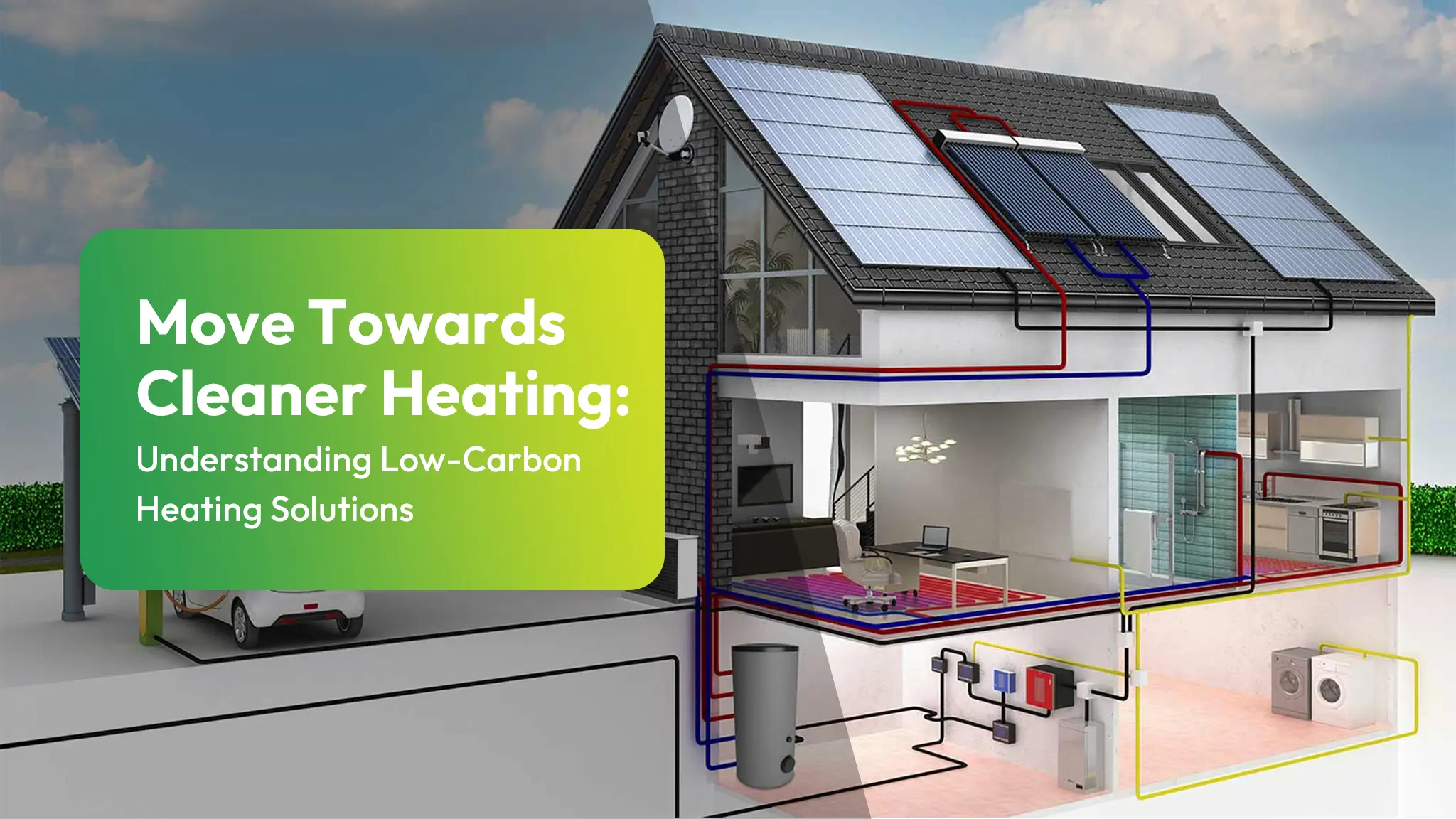
The shift to low-carbon heating solutions is an essential step in addressing climate change and achieving net-zero emissions. By moving away from fossil fuel systems, various technologies can replace outdated methods. However, the benefits and challenges of this change are multifaceted. Understanding these complexities is essential for homeowners and builders alike. What factors should one consider when evaluating the viability of these modern heating technologies?
Key Takeaways
- Low-carbon heating solutions powered by renewable energy sources significantly reduce greenhouse gas emissions compared to traditional fossil-fuel systems.
- Technologies such as heat pumps and biomass boilers increase energy efficiency while providing sustainable heating for homes and businesses.
- Government incentives and rebates can help offset the initial costs of installing low-carbon heating systems, making them more accessible.
- Upgrading to low-carbon heating improves energy efficiency, reduces operational costs, and increases property value over time.
- Compliance with building regulations and environmental assessments ensures that low-carbon heating solutions contribute to sustainable community development and climate goals.
Table of Contents
The Role of Low-Carbon Heating Solutions in Achieving Net-Zero Targets
As nations endeavour to meet their net-zero targets, low-carbon heating solutions emerge as key components in reducing greenhouse gas emissions. These solutions encompass a range of technologies and practices that replace traditional fossil-fuel heating systems.
By leveraging renewable energy sources such as solar, wind, and geothermal, low-carbon heating systems significantly reduce the carbon footprint of heating residential and commercial spaces.
Heat pumps, for instance, capture ambient heat from the environment, providing efficient heating with minimal emissions. Additionally, biomass heating using organic materials offers a sustainable alternative to conventional fuels.
The adoption of these technologies not only supports climate mitigation but also promotes energy independence and enhances energy security.
As policymakers and industries align their strategies with sustainability goals, low-carbon heating solutions stand as essential tools for achieving the ambitious net-zero targets set by governments worldwide, ultimately contributing to a healthier planet.
How Modern Heating Technology Is Replacing Fossil Fuel Systems
Modern heating technology is increasingly replacing traditional fossil fuel systems, driven by advances in efficiency and environmental awareness. Innovations such as heat pumps, solar thermal systems, and biomass boilers are at the forefront of this change.
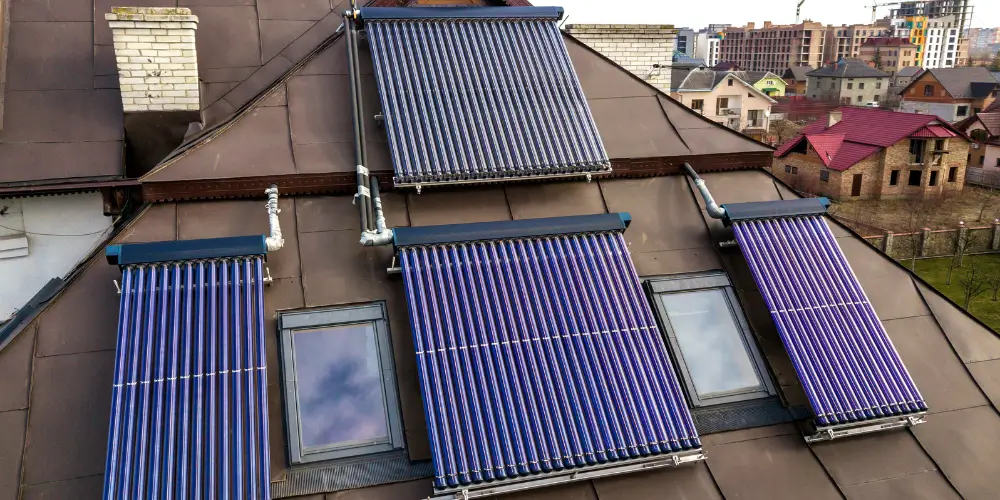
Heat pumps, for instance, use ambient air or ground temperature to provide heating, significantly reducing reliance on fossil fuels. Solar thermal systems harness sunlight to produce hot water, promoting sustainable energy use. Biomass boilers, which burn organic materials, offer a renewable alternative to conventional heating methods.
These technologies not only minimise carbon emissions but also increase energy efficiency, thereby lowering operating costs over time. Additionally, smart heating controls enable homeowners to optimise energy use, further contributing to sustainability goals.
As these modern solutions become more accessible, the shift away from fossil-fuel systems gains momentum, marking a significant step toward cleaner, greener heating in residential and commercial settings.
Which Properties Benefit Most from Low-Carbon Heating Upgrades
Which properties stand to gain the most from low-carbon heating upgrades? Older residential buildings, particularly those with outdated heating systems, can significantly benefit from shifting to low-carbon alternatives.
These properties often exhibit poor insulation, leading to higher energy consumption and costs. Upgrading to low-carbon heating solutions, such as heat pumps or biomass boilers, increases energy efficiency and reduces greenhouse gas emissions.
In addition, commercial properties that aim to improve their sustainability profile may find low-carbon heating systems advantageous. Public buildings, including schools and hospitals, also stand to gain, as they often have substantial energy requirements and can benefit from long-term cost savings.
Moreover, properties in regions with supportive government incentives for low-carbon technologies may become more financially viable. Overall, any property prioritising energy efficiency and sustainability will likely see considerable benefits from low-carbon heating upgrades.
The Real Cost Breakdown of Switching to Low-Emission Heating Systems
Switching to low-emission heating systems requires careful evaluation of associated costs. Homeowners must consider several financial aspects to make an informed decision.
The following breakdown highlights key cost factors:
- Initial outlay: The upfront cost of purchasing and installing low-emission systems can be significant, especially for advanced technologies such as heat pumps or biomass boilers.
- Operational Costs: While low-emission systems often have lower fuel costs, maintenance and operational expenses can vary by technology.
- Incentives and Rebates: Government incentives and rebates may offset some initial costs, making the conversion more financially viable.
- Long-Term Savings: Over time, reduced energy bills and possible increases in property value can yield substantial savings, enhancing the overall financial appeal.
Understanding these components helps homeowners assess the actual cost of switching to low-emission heating solutions.
Planning Requirements and Building Regulations for Eco-Friendly Heating
As homeowners consider switching to eco-friendly heating solutions, they need to understand the planning requirements and building regulations that govern such installations. These regulations guarantee that new heating systems comply with safety and environmental standards, promoting sustainable practices.
| Regulation Type | Purpose | Key Considerations |
| Planning Permission | Approves major system installations | Local authority consultation needed |
| Building Regulations | Guarantees safety and efficiency | Compliance with energy performance standards |
| Environmental Impact | Assesses ecological benefits | Possible impact on local wildlife |
| Energy Performance | Measures system effectiveness | Requires energy efficiency ratings |
| Noise Regulations | Limits sound pollution | Compliance with local noise levels |
Understanding these requirements is key for a smooth change to low-carbon heating, enabling homeowners to make informed decisions while avoiding possible legal complications.
Performance and Efficiency Expectations from Low-Carbon Heating Systems
How effectively do low-carbon heating systems perform compared to traditional options? These systems are designed to meet or exceed the efficiency of conventional heating methods while considerably reducing carbon emissions.
Their performance metrics often include:
- Energy Efficiency: Many low-carbon systems achieve efficiencies of over 90%, translating to reduced energy consumption.
- Cost Savings: Although initial outlay may be higher, operational costs tend to decline due to lower energy bills and available incentives.
- Reliability: Advanced technologies ensure consistent heating output, maintaining comfort levels comparable to those of traditional systems.
- Environmental Impact: By utilising renewable energy sources, these systems contribute to a substantial decrease in greenhouse gas emissions.
Common Installation Challenges and How Homeowners Can Prepare
Low-carbon heating systems offer impressive performance and efficiency, yet homeowners may encounter several challenges during installation. One common hurdle is the need to modify existing infrastructure, such as ductwork or plumbing, to accommodate new technologies. Homeowners should assess their current systems and consult with professionals to identify necessary upgrades.
Additionally, the availability of skilled installers familiar with low-carbon technologies can pose a challenge. Engaging certified contractors guarantees proper installation and maximises system performance.
Another consideration is the possibility of disruptions during installation, which may require the temporary relocation of residents. Planning for these inconveniences can ease the shift.
Homeowners should also be aware of local regulations and incentives related to low-carbon heating systems, as these can influence their choice of technology. By understanding these challenges and preparing accordingly, homeowners can facilitate a smoother installation process and fully benefit from their outlay in cleaner heating solutions.
Long-Term Environmental Impact of Adopting Cleaner Heating Methods
The long-term environmental impact of adopting cleaner heating methods extends beyond immediate energy savings and efficiency gains.
As households shift to low-carbon heating solutions, several notable benefits emerge:
- Reduction in Greenhouse Gas Emissions: Cleaner heating methods considerably lower carbon emissions, contributing to climate change mitigation.
- Improved Air Quality: By reducing reliance on fossil fuels, these methods can improve indoor and outdoor air quality, reducing health risks associated with pollution.
- Resource Efficiency: Utilising renewable energy sources promotes sustainable resource management and minimises the depletion of non-renewable resources.
- Biodiversity Preservation: By mitigating climate change and reducing pollution, cleaner heating methods support ecosystems and help preserve biodiversity.
These impacts not only intensify environmental health but also promote a more sustainable future for generations to come, emphasising the analytical importance of adopting low-carbon heating solutions.
How Renewable Energy Integration Enhances Heating System Efficiency
As households increasingly embrace renewable energy sources, integrating these technologies into heating systems extensively magnifies overall efficiency. By utilising solar panels, wind turbines, and biomass, homeowners can generate their own energy, considerably reducing reliance on fossil fuels. This self-sufficiency not only cuts energy costs but also optimises heating performance.
Renewable energy systems can work in tandem with traditional heating methods, allowing for a hybrid method. For instance, solar thermal systems can preheat water that traditional boilers then use, reducing energy consumption.
Additionally, innovative technology enables better energy management, allowing systems to adjust in real time based on usage and external temperatures.
As a result, the combined use of renewable energy sources in heating systems leads to lower emissions, reduced energy waste, and improved overall efficiency, paving the way for a more sustainable future in home heating.
Why Future Housing Developments Are Designed Around Low-Carbon Heating
Future housing developments are increasingly being designed with low-carbon heating solutions at their core, reflecting a growing commitment to sustainability and energy efficiency. This strategic shift is driven by several factors that highlight the importance of low-carbon technologies in modern architecture and urban planning.
- Regulatory Compliance: Governments are implementing stricter building codes that mandate lower carbon emissions, compelling developers to adopt cleaner heating technologies.
- Cost Savings: Low-carbon heating systems often lead to reduced operational costs, as they use renewable energy sources and require less maintenance.
- Market Demand: Homebuyers are increasingly prioritising eco-friendly homes, making low-carbon solutions a competitive advantage for developers.
- Climate Goals: Aligning with global efforts to combat climate change, these developments contribute to national and international emissions reduction targets.
As a result, low-carbon heating is becoming a fundamental aspect of future housing designs.
Frequently Asked Questions
What Are the Maintenance Requirements for Low-Carbon Heating Systems?
Low-carbon heating systems require regular inspections, filter changes, and system calibrations. Maintenance includes checking for leaks, ensuring peak performance, and adhering to manufacturer guidelines, which ultimately prolongs the system’s lifespan and improves energy efficiency.
How Do Low-Carbon Heating Solutions Affect Indoor Air Quality?
Low-carbon heating solutions generally improve indoor air quality by reducing emissions and pollutants associated with traditional systems. They often using cleaner technologies, reducing the circulation of allergens and harmful substances within living spaces.
Are There Incentives Available for Switching to Cleaner Heating Options?
Incentives for switching to cleaner heating options often include government rebates, tax credits, and financing programs. These initiatives aim to encourage the adoption of low-carbon technologies, enhancing affordability and promoting environmental sustainability for homeowners and businesses alike.
What Is the Lifespan of Low-Carbon Heating Technologies?
Low-carbon heating technologies typically have a lifespan ranging from 15 to 25 years, depending on the specific system and maintenance practices. Regular upkeep can increase longevity and efficiency, ensuring peak performance throughout their operational life.
Can I Install Low-Carbon Heating Systems in Existing Homes?
Yes, low-carbon heating systems can be installed in existing homes. Homeowners should assess their property’s compatibility, consider necessary upgrades, and consult professionals to ensure optimal integration and efficient operation of the new heating technology.
Conclusion
The change to low-carbon heating solutions is key to achieving net-zero emissions and encouraging a sustainable future. By adopting modern technologies such as heat pumps and solar thermal systems, homeowners can significantly reduce their carbon footprint while improving energy efficiency and air quality. As regulatory frameworks evolve and awareness grows, the shift towards cleaner heating will not only increase individual properties but also benefit the environment and public health for generations to come.








Charlotte