
Home Energy Efficiency Explained: What UK Assessments Reveal
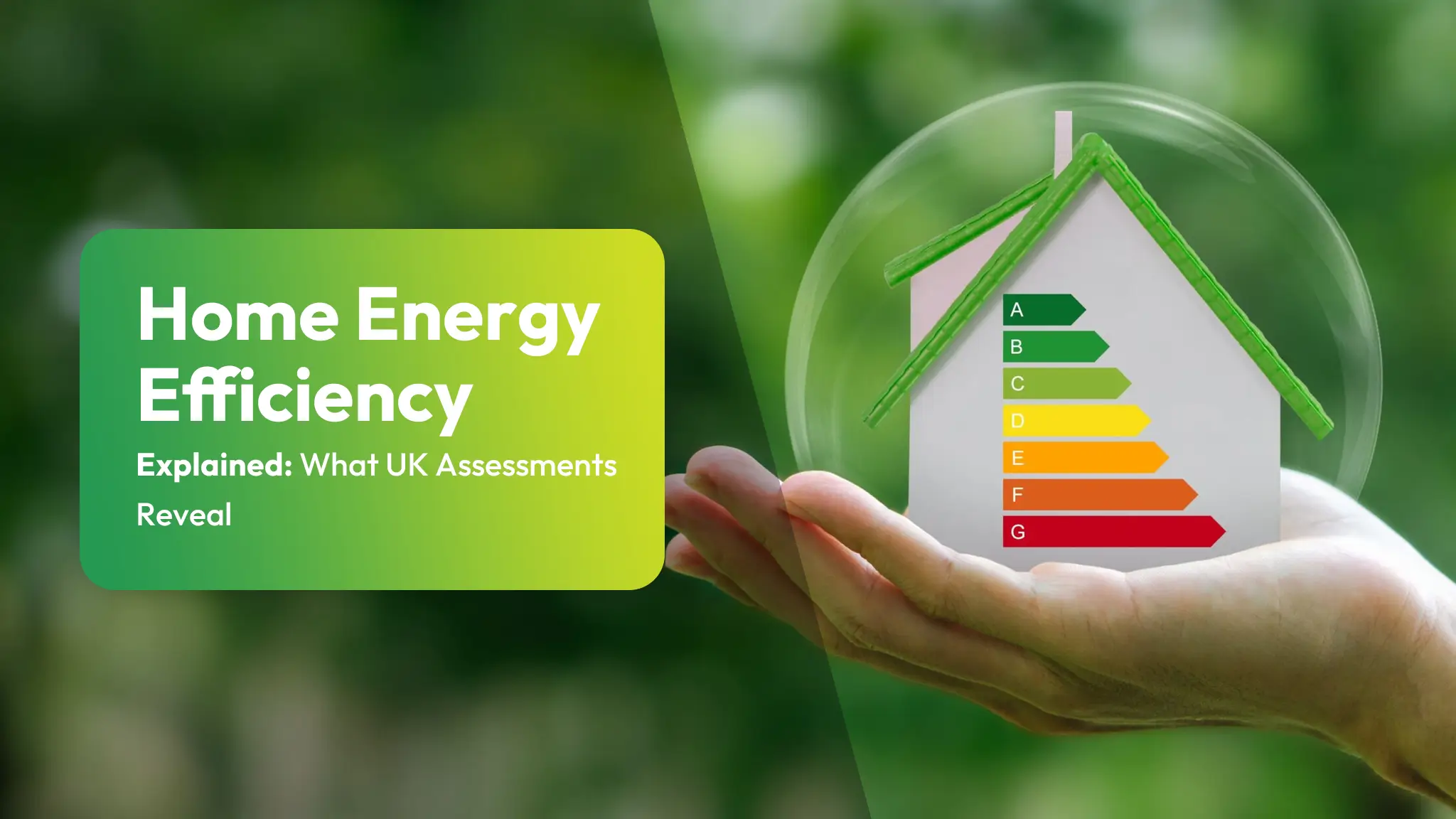
Home energy efficiency assessments in the UK offer essential evaluations of a property’s energy efficiency, making a home energy assessment UK a valuable step for homeowners. Qualified assessors analyse various factors, including insulation quality and heating systems. These assessments can uncover significant inefficiencies that may lead to high energy bills. Homeowners often overlook these issues, which could affect comfort and property value. Understanding what these assessments reveal can help homeowners make informed decisions about energy improvements and sustainability. What insights might they discover?
Key Takeaways
- Home energy assessments evaluate properties for energy inefficiencies, identifying issues such as poor insulation and air leaks.
- Qualified assessors provide detailed reports, including Energy Performance Certificates (EPCs), highlighting areas for improvement.
- Assessments can lead to lower energy bills and higher property values, thereby enhancing the market appeal of energy-efficient homes.
- Older properties, particularly those built before the 1980s, benefit significantly from these assessments due to outdated heating and insulation systems.
- Strategic prioritisation of improvements from assessment results can maximise energy savings and comfort while ensuring compliance with energy efficiency standards.
Table of Contents
Inside a Home Energy Assessment: What UK Homeowners Can Expect
A home energy assessment UK serves as a thorough evaluation of a property’s energy use and efficiency. During this process, qualified assessors use specialised tools to examine various aspects of a home, including insulation, heating systems, and appliances.
They meticulously identify areas where energy loss may occur, such as gaps in windows and doors or inadequate insulation in walls and attics.
Homeowners can expect an in-depth analysis of their energy consumption patterns during a home energy assessment UK, providing insights into how effectively they use energy. The evaluation may also involve thermal imaging to detect hidden issues not visible to the naked eye.
After completing the evaluation, assessors typically present a detailed report outlining findings and prioritising recommendations for improvement. This report serves as a valuable resource for homeowners seeking to increase their energy efficiency and reduce their carbon footprint, ultimately contributing to a more sustainable living environment.

The Financial Impact of Energy Assessments on Household Running Costs
While homeowners may initially view energy assessments as an added expense, the long-term financial benefits often outweigh the upfront costs.
These assessments can lead to significant savings on household running costs through a variety of means.
- Reduced Energy Bills: By identifying inefficiencies, homeowners can implement recommendations to lower energy consumption, resulting in lower monthly utility expenses.
- Increased Property Value: Homes with higher energy-efficiency ratings often command higher prices, offering a possible return on investment when sold.
- Government Grants and Incentives: Many local authorities offer financial assistance for energy-efficient upgrades, helping homeowners offset the initial costs of assessments.
Property Types in the UK That Gain the Most from Energy Performance Reviews
Certain property types in the UK, particularly older homes with outdated heating systems and inadequate insulation, stand to benefit greatly from a home energy assessment UK and energy performance reviews.
These properties often lack modern energy-efficient features, making them prime candidates for assessment. Victorian and Edwardian terraces, for example, usually feature single-glazed windows and minimal insulation, resulting in high energy consumption.
Similarly, traditional stone cottages, while charming, often pose challenges in terms of thermal efficiency. Homes built before the 1980s frequently lack essential upgrades that improve energy performance. In contrast, newer builds generally incorporate energy-efficient designs and materials, resulting in less dramatic gains from assessments.
By identifying areas for improvement, energy performance reviews can help homeowners in older properties make informed decisions that reduce energy costs and environmental impact. Ultimately, these assessments play an essential role in advancing energy efficiency across the UK housing market.
From Insulation to Heating: What Assessors Examine During a Visit
During an energy performance assessment, a detailed evaluation of a property’s insulation, heating systems, and overall energy efficiency takes place. Assessors focus on key elements that significantly impact energy consumption and home comfort. They analyse various factors to provide an accurate energy rating.
- Insulation Quality: Assessors check the type, thickness, and condition of insulation in walls, roofs, and floors to determine thermal performance.
- Heating Systems: The efficiency of boilers, radiators, and other renewable energy sources—such as heat pumps or solar panels is examined to assess their impact on energy use.
- Ventilation: Proper ventilation systems are assessed to verify they maintain indoor air quality without wasting energy, which is essential for overall efficiency.
Through this extensive evaluation, assessors provide insights that help homeowners improve their energy performance and reduce costs.
Why Online Energy Checks Fall Short Compared to Professional Assessments
Although online energy checks offer a convenient way for homeowners to assess their energy efficiency, they often lack the depth and accuracy of professional assessments. Online tools typically rely on generic data inputs, such as square footage and basic appliance information, which can lead to over simplified conclusions.
In contrast, professional assessments conduct thorough evaluations, examining factors such as insulation quality, heating systems, and air leakage.
Furthermore, trained assessors conducting a home energy assessment UK can identify specific issues that online checks may overlook, such as hidden moisture or structural inefficiencies. They also provide tailored recommendations based on real-time observations, ensuring homeowners receive actionable insights.
Lastly, professional assessments generate detailed reports, including Energy Performance Certificates (EPCs), which are essential for compliance and future property transactions. To summarise, while online energy checks serve as an introductory tool, they cannot replace the extensive insights and personalised guidance offered by professional evaluations.
Decoding Energy Scores and What They Mean for Your Property
Understanding energy scores is essential for homeowners evaluating their property’s efficiency and making informed decisions. These scores, typically derived from energy assessments, provide a clear indication of how well a home uses energy. A higher score often correlates with lower utility bills and a reduced environmental impact.
Key components of energy scores include:
- Energy Performance Certificate (EPC) Rating: Ranges from A (most efficient) to G (least efficient), depicting overall energy efficiency.
- Estimated Energy Costs: An annual estimate of energy expenses, helping homeowners gauge financial implications.
- Recommendations for Improvement: Suggestions to increase efficiency, such as insulation upgrades or heating system improvements.
How Energy Assessments Contribute to the UK’s Carbon Reduction Goals
Energy assessments play a pivotal role in advancing the UK’s carbon-reduction goals, with a home energy assessment UK providing homeowners with the insights needed to improve their properties’ energy efficiency.
These assessments evaluate factors such as insulation, heating systems, and energy consumption patterns, enabling homeowners to identify specific areas for improvement. By implementing recommended upgrades, residents can considerably reduce their carbon footprints, contributing to national targets for greenhouse gas emission reductions.
Furthermore, energy assessments raise awareness about the importance of energy efficiency, encouraging individuals to take actionable steps towards sustainability.
The information gleaned from a home energy assessment UK encourages a civilisation of informed decision-making and prioritises energy-saving measures. As more households engage in energy assessments, the cumulative effect can lead to substantial reductions in overall energy demand, thereby helping the UK achieve its long-term climate objectives.
Ultimately, energy assessments serve as a foundational tool in the shift toward a greener, more sustainable future.
Hidden Energy Inefficiencies Commonly Found in British Homes
Many British homes harbour hidden energy inefficiencies that can greatly impact their overall energy consumption and costs.
These inefficiencies often go unnoticed but can lead to significant energy waste and higher bills. Identifying and addressing them is essential for improving home energy efficiency.
- Drafty Windows and Doors: Poorly sealed windows and doors can let cold air in, forcing heating systems to work harder and increasing energy consumption.
- Inefficient Heating Systems: Older boilers and heating systems may not operate at peak efficiency, resulting in higher fuel consumption and higher costs.
- Insufficient Insulation: Many homes lack adequate insulation in walls, attics, or floors, resulting in heat loss and unnecessary energy expenditure. Recognising these hidden inefficiencies enables homeowners to take energetic steps towards a more energy-efficient living environment, ultimately reducing their carbon footprint and energy bills.

Using Assessment Results to Prioritise Affordable Home Improvements
Once hidden energy inefficiencies have been identified through a home energy assessment UK, homeowners can leverage assessment results to prioritise affordable home improvements. By reviewing these assessments, they can pinpoint areas that require immediate attention, such as draughty windows or inadequate insulation.
This data-driven method allows homeowners to allocate their budgets effectively, focusing first on cost-efficient upgrades that yield significant energy savings.
For instance, sealing gaps and improving insulation, as recommended through a home energy assessment UK, may yield substantial returns without requiring a significant financial outlay. Homeowners can also consider simple changes, such as switching to energy-efficient lighting or installing smart thermostats, which are relatively inexpensive yet impactful.
Ultimately, using assessment results empowers homeowners to make informed decisions, ensuring their efforts improve energy efficiency, increase overall comfort, and reduce utility bills.
This strategic prioritisation can lead to a more sustainable home while maintaining financial prudence.
The Importance of Energy Assessments When Preparing a Home for Sale or Renovation
When preparing a home for sale or renovation, conducting an energy assessment can provide essential insights that increase both the property’s marketability and its overall value. Homeowners benefit from understanding energy efficiency ratings, which can greatly influence buyer decisions.
- Identifying Improvements: An assessment highlights areas that need upgrades, such as insulation or heating systems, which can attract prospective buyers seeking energy-efficient homes.
- Cost Savings: By prioritising energy-efficient renovations, homeowners can reduce future utility costs, making the property more financially appealing.
- Regulatory Compliance: Ensuring the home meets energy-efficiency standards can help avoid legal issues and facilitate a smoother sale process.
Frequently Asked Questions
How Often Should I Have My Home Energy Assessed?
Home energy assessments should generally be conducted every three to five years. Regular evaluations help homeowners identify areas for improvement, ensuring energy efficiency is maintained, and possible savings are maximised over time.
Can I Conduct My Own Energy Assessment?
Yes, individuals can conduct their own energy assessments using available tools and resources. However, professional evaluations provide in-depth insights, ensuring accurate identification of improvement areas, compliance with regulations, and ultimate enhancement of energy efficiency in the home.
Are Energy Assessments Mandatory for Rental Properties?
Energy assessments are mandatory for rental properties in the UK. Landlords must provide an Energy Performance Certificate (EPC) to tenants, ensuring the property meets minimum energy efficiency standards for environmental and financial sustainability.
What Qualifications Do Energy Assessors Need in the UK?
In the UK, energy assessors must possess a relevant qualification, typically accredited by a recognised body. This includes completing a specific training course and obtaining certification to perform energy assessments for residential properties.
How Long Does an Energy Assessment Typically Take?
An energy assessment typically takes between one and three hours, depending on the property’s size and complexity. The assessor evaluates factors such as insulation, heating systems, and energy use to provide a thorough analysis.
Conclusion
In summary, home energy assessment UK services play an essential role in identifying and addressing energy inefficiencies. By providing homeowners with valuable insights into their properties, these assessments not only lead to significant cost savings and increased comfort but also contribute to broader environmental goals. Embracing the recommendations from these evaluations empowers homeowners to make informed decisions, ultimately enhancing property value and promoting sustainable living practices for a greener future.










Charlotte